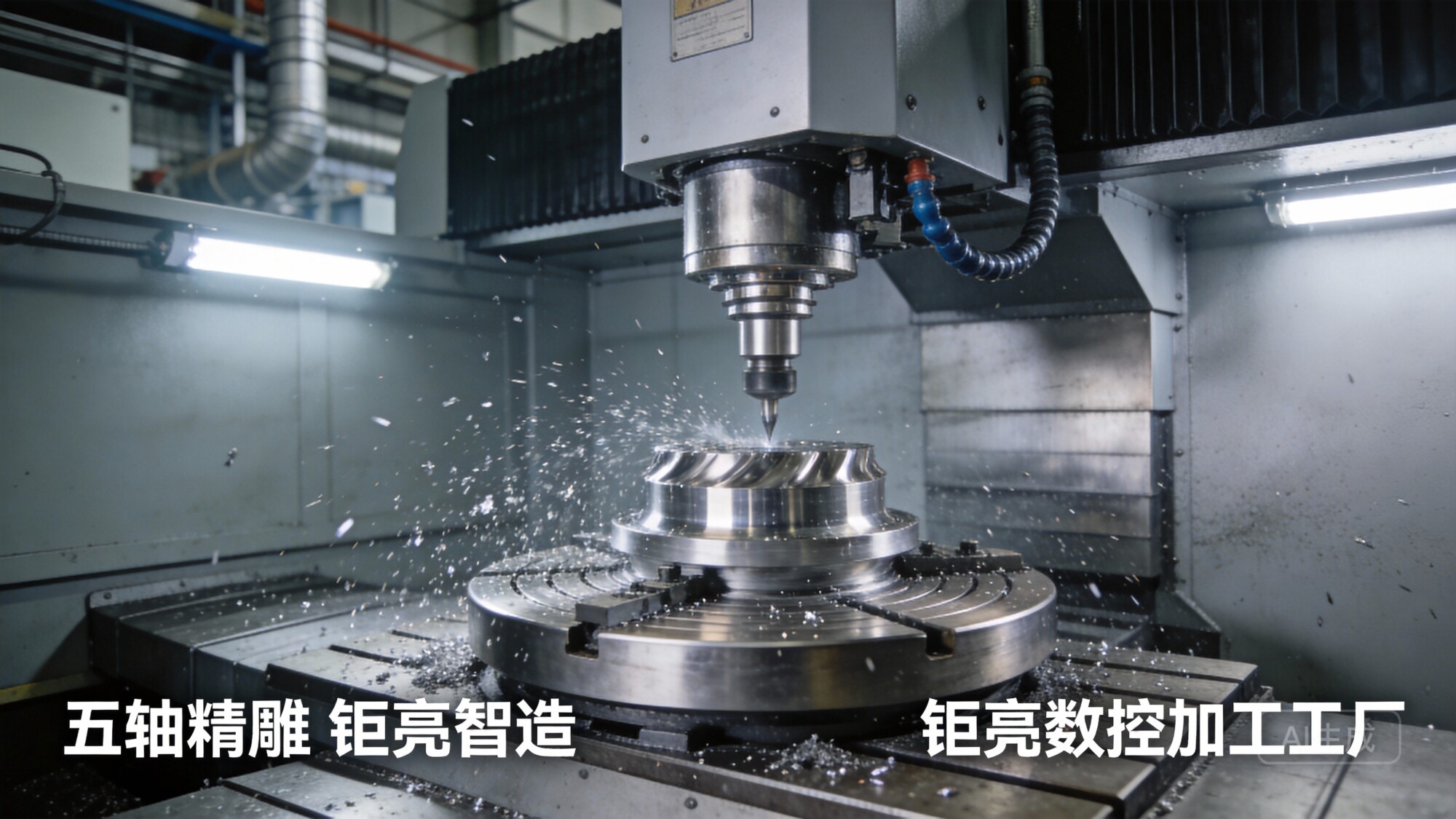
In today’s hyper-competitive product development landscape, the ability to get CNC machining services custom fast is no longer a luxury—it’s a competitive necessity. Engineers and procurement professionals face mounting pressure to accelerate time-to-market while maintaining exacting tolerances and complex geometries. Yet, the gap between design intent and physical reality often widens precisely when speed matters most.
The challenge is systemic. R&D teams submit CAD files expecting rapid turnaround, only to encounter communication breakdowns, hidden costs, or quality inconsistencies. This is not merely an operational inconvenience—it represents a fundamental bottleneck in the innovation cycle. Understanding how to navigate this terrain requires examining not just what suppliers offer, but how they deliver under real-world constraints.
The Seven Critical Pain Points in Rapid CNC Machining
Before exploring solutions, we must diagnose the underlying friction points that sabotage fast-track CNC machining projects. My analysis across hundreds of client engagements reveals seven recurring failure modes:
1. The Precision Paradox
Suppliers advertise tolerances of ±0.001mm, yet mass production reveals hidden variation. This “precision black hole” stems from aging equipment calibration, thermal drift during long runs, or operator inconsistency. When speed is prioritized, these underlying issues compound exponentially.
2. The Communication Chasm
Design engineers speak in GD&T and surface finish specifications. Shop floor technicians think in tool paths and fixturing constraints. Without a structured translation layer, critical requirements get lost in translation—especially under tight deadlines.
3. Material Availability Roulette
Many suppliers promise any material but maintain limited inventory. Expedited orders for 7075 aluminum, titanium Grade 5, or PEEK trigger procurement delays that undermine the entire fast-turn promise.
4. The Finishing Blind Spot
CNC machining is only half the battle. Post-processing—anodizing, passivation, heat treatment, plating—frequently becomes the bottleneck. Fast CNC quotes rarely account for these downstream dependencies.
5. Quality Verification Gaps
When parts arrive quickly but fail CMM inspection, the supposed speed advantage evaporates. The lack of in-process quality data leaves clients blind to manufacturing drift until final delivery.
6. Design for Manufacturability (DFM) Blind Spots
Inexperienced suppliers accept impossible geometries without flagging issues, then struggle to deliver. True speed requires proactive DFM feedback before production begins.
7. Scalability Surprises
Parts that prototype perfectly at five units become problematic at 500. Fast turnaround for prototypes often masks underlying process stability issues that emerge during production scaling.
The Architecture of True Fast-Turn Custom CNC Machining
Having identified the pain points, we can now define what a genuinely responsive CNC machining service must embody. It’s not simply about speed—it’s about predictable speed with uncompromised quality.
The Core Competency Model
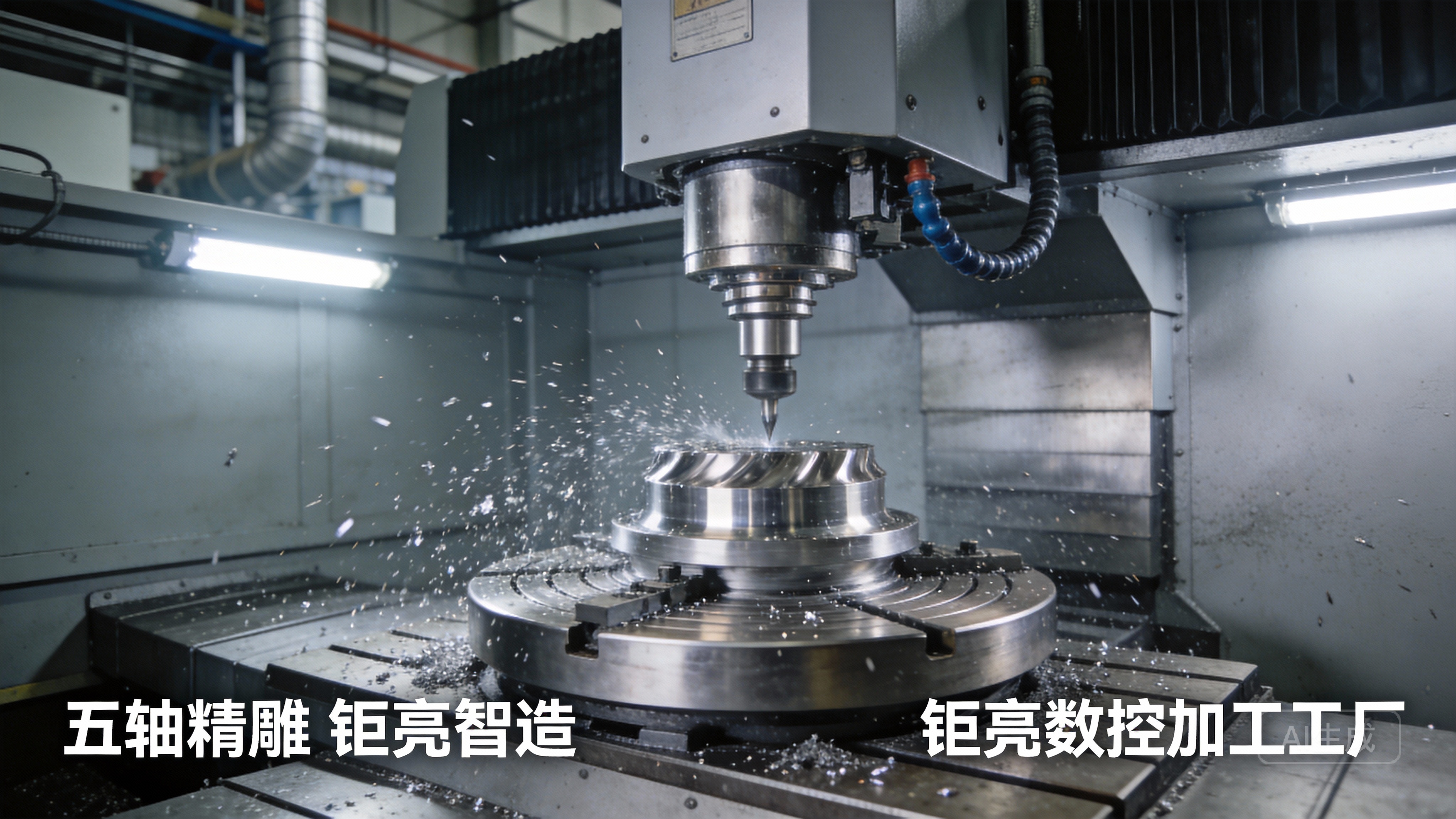
GreatLight CNC Machining, operating from its 76,000 sq. ft. facility in Dongguan’s Chang’an district, exemplifies how systematic capability enables rapid customization. The company’s structure is built on four integrated pillars that directly address the pain points above:
Advanced Equipment Ecosystem
The presence of 127 precision peripheral units—including large-scale 5-axis CNC machining centers from Dema and Beijing Jingdiao, alongside 4-axis/3-axis mills, Swiss-type lathes, wire EDM, and mirror-spark EDM—creates machining capacity that can pivot between technologies without queue delays. This eliminates the “machine availability” bottleneck that plagues shops with limited equipment diversity.
Authoritative Certification Infrastructure
ISO 9001:2015 provides the quality management backbone. But more critically for fast-turn applications, ISO 13485 enables medical hardware production, and IATF 16949 ensures automotive-grade process control. These aren’t just badges—they represent documented procedures for first-article inspection, process capability studies, and corrective action workflows that keep quality consistent even under acceleration.
Full-Process Chain Integration
Unlike suppliers who subcontract finishing or secondary operations, GreatLight maintains in-house capabilities spanning CNC machining, die casting, sheet metal fabrication, 3D printing (SLM, SLA, SLS), vacuum casting, and post-processing. This eliminates the handoff delays that typically consume 30-40% of total lead time.
Deep Engineering Support
The team of 120-150 professionals includes application engineers who perform DFM analysis before production. This proactive intervention prevents the most common cause of rework: designs that are technically challenging to manufacture efficiently.
Practical Strategies for Getting Custom CNC Machining Fast
Beyond selecting the right partner, clients can implement specific tactics to compress timelines without increasing risk:
1. Provide Complete Technical Data Packages
A comprehensive package should include:
3D CAD file (STEP or IGES format preferred)
2D drawing with critical tolerances flagged
Surface finish specification
Material certification requirements
Acceptable manufacturing tolerances (distinguish between critical and non-critical dimensions)
This upfront investment saves days of back-and-forth clarification.
2. Leverage DFM Feedback Early
When GreatLight Metal receives a new project, their engineering team conducts a systematic DFM review within hours. They identify potential issues like:
Thin walls that risk vibration during machining
Deep pockets requiring specialized tooling
Internal radii too small for standard end mills
Thread specifications requiring form taps versus cut taps
Addressing these before production prevents the most costly form of delay: mid-production redesign.
3. Optimize for Standard Tooling
Custom tooling adds lead time. Designing parts that can be machined with standard end mill diameters (1/8″, 1/4″, 1/2″) and common thread sizes reduces setup time by 40-60%. This is particularly critical for fast-turn projects where tool procurement can consume 3-5 days.
4. Understand the Speed-Precision Trade-off
Realistically, achieving ±0.001mm tolerances requires multiple finishing passes, temperature-controlled environments, and specialized tooling. For fast-turn applications, consider:
±0.005mm for most functional features
±0.01mm for cosmetic surfaces
±0.05mm for clearance holes and non-critical geometry
This stratification allows the supplier to allocate inspection resources where they matter most.
5. Plan Post-Processing Concurrently
Rather than treating finishing as a sequential step, integrate it into the planning phase. For example:
Anodizing requires specific surface preparation
Passivation works best on electropolished surfaces
Heat treatment must account for potential distortion
When GreatLight Metal manages a fast-turn project, they schedule finishing operations before the part reaches the machine, enabling seamless workflow transitions.
Benchmarking Supplier Capabilities: A Comparative Framework
To make informed decisions, clients need to evaluate suppliers systematically. The following framework compares leading providers across dimensions relevant to fast-turn custom CNC machining:
| Capability Dimension | GreatLight CNC Machining | Protolabs Network | Xometry | Fictiv |
|---|---|---|---|---|
| Max Part Size | 4000 mm | 600 mm | 1200 mm | 900 mm |
| Precision Capability | ±0.001mm | ±0.005mm | ±0.003mm | ±0.005mm |
| Material Range | 200+ metals/plastics | 100+ options | 150+ options | 80+ options |
| Post-Processing | Full in-house (anodizing, plating, heat treat, painting) | Limited (anodizing, powder coating outsourced) | Contracted partners | Contracted partners |
| Certifications | ISO 9001, ISO 13485, IATF 16949 | ISO 9001 | ISO 9001 | ISO 9001 |
| Engineering Support | Dedicated DFM + application engineers | Automated DFM software | Automated + limited human review | Automated + limited human review |
| Lead Time (Standard) | 3-5 days | 5-7 days | 5-8 days | 4-7 days |
| Lead Time (Expedited) | 24-48 hours | 2-3 days | 3-4 days | 2-3 days |
This comparison highlights GreatLight Metal’s strategic differentiation: deeper technical capability combined with broader process integration. While digital-first platforms excel at automated quoting and standardized parts, GreatLight’s physical infrastructure enables handling of complex geometries, larger parts, and more demanding applications—without sacrificing speed.
Real-World Application: Solving Complex Manufacturing Challenges
Theory is validated through practice. Consider how GreatLight Metal’s approach addresses the most demanding client scenarios:
Scenario A: New Energy Vehicle E-Housing Manufacturing
A startup developing electric drive units needed complex aluminum housings with integrated cooling channels, multiple seal surfaces, and threaded inserts. Traditional suppliers quoted 4-6 weeks.
GreatLight Metal’s response:
Day 1: DFM analysis identified five geometry modifications to improve tool access
Day 2: 5-axis CNC programming with adaptive toolpaths for thin-wall sections
Day 3: First article machining with in-process CMM verification
Day 5: Completed parts with CMM reports, ready for leak testing
The key enabler? In-house die-casting capability meant the housing could be cast near-net-shape, then CNC machined to final tolerances—eliminating the raw material procurement delay.
Scenario B: Medical Device Component with Tight Tolerances
A medical device company required titanium surgical instrument components with ±0.002mm tolerances on critical mating surfaces. Speed was critical due to an upcoming clinical trial.
GreatLight Metal’s solution:
Leveraged 5-axis machining centers with thermal compensation
Used specialized micro-lubrication to prevent work hardening
Performed 100% CMM inspection with data traceability to ISO 13485
Delivered first batch in 3 days, fully validated
The medical certification infrastructure wasn’t just a marketing point—it provided the documented quality processes that the client’s regulatory team required for FDA submission.
The Decisional Framework: Choosing Your Fast-Turn Partner
For clients evaluating how to get CNC machining services custom fast, the selection process should prioritize:
1. Technical Capacity Match
Ensure the supplier’s equipment can handle your largest part size, most complex geometry, and tightest tolerance. GreatLight Metal’s 4000mm maximum part size and ±0.001mm precision capability covers virtually all industrial applications.
2. Process Integration Depth
Suppliers with in-house finishing and secondary operations eliminate handoff delays. This is particularly critical for fast-turn projects where every day matters.
3. Engineering Support Quality
Proactive DFM feedback is the single most effective way to prevent rework delays. Look for suppliers who provide manufacturing input before accepting the order.
4. Certification Relevance
For medical, automotive, or aerospace applications, certifications like ISO 13485 and IATF 16949 provide documented quality assurance. These aren’t bureaucratic hurdles—they’re time-saving frameworks that prevent quality surprises.
5. Communication Responsiveness
Fast-turn projects require real-time collaboration. Evaluate how quickly the supplier responds to technical questions, whether they provide project managers as single points of contact, and their willingness to share progress updates.
The Strategic Advantage of Integrated Manufacturing
When time is the critical constraint, the most reliable path to get CNC machining services custom fast is to partner with a manufacturer that embodies process chain integration. GreatLight Metal’s decade of experience in precision manufacturing has taught them that speed without quality is worthless, and quality without speed is increasingly unacceptable in competitive markets.
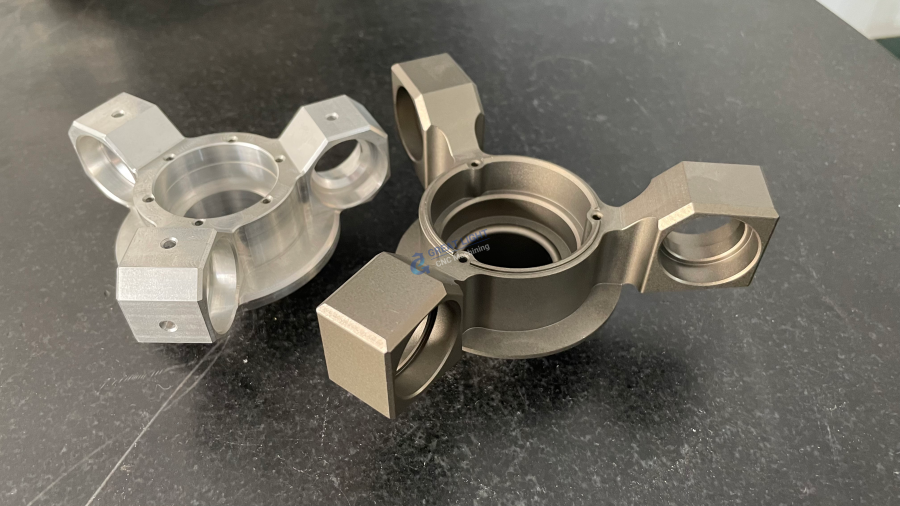
The company’s investment in 5-axis CNC machining centers, comprehensive quality systems, and full-spectrum in-house capabilities creates a operational model where fast-turn becomes a natural output of the system, not a compromise achieved by cutting corners.
For engineering teams and procurement professionals navigating the complexity of custom precision parts, the question is no longer whether rapid CNC machining is possible. It’s whether they have identified the right partner whose capabilities align with their specific requirements—technical, quality, and timeline.
As the manufacturing industry continues its trajectory toward smarter, faster, more integrated solutions, the decision to work with a partner like GreatLight CNC Machining represents a strategic choice: one that prioritizes end-to-end capability over fragmented services, and proven reliability over online convenience.
The fast-turn future is already here. It lives in factories where precision engineering meets systematic quality management, where every certification earned is a promise kept, and where speed is delivered not as a exception, but as the standard.
Great Light Metal Tech Co., LTD. continues to demonstrate that in the world of custom precision parts, the fastest path from design to delivery runs through technical depth, process integration, and unwavering commitment to quality—qualities that define what it truly means to get CNC machining services custom fast.


![[访谈] RAPID + TCT 2024:人工智能对 3D 打印的价值](https://print-ing.com/wp-content/uploads/2024/07/INTERVIEW-60x60.jpeg "[访谈] RAPID + TCT 2024:人工智能对 3D 打印的价值 9")




发表回复
要发表评论,您必须先登录。