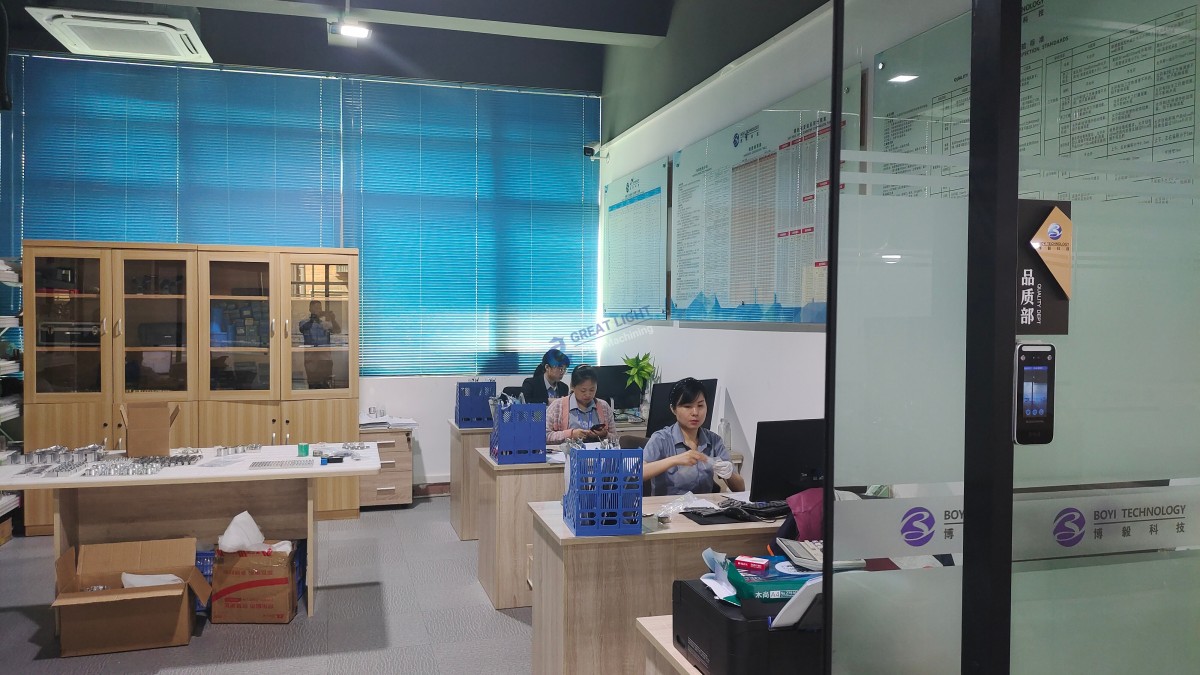
In the rapidly evolving landscape of medical device manufacturing, the Patient Monitor Bracket OEM Manufacturing process represents a unique intersection of precision engineering, regulatory compliance, and ergonomic design. These seemingly simple components – the brackets that secure patient monitors to walls, carts, or ceiling mounts – are critical infrastructure in hospitals, clinics, and emergency response units worldwide. Their failure is not an option, and their precision directly impacts patient safety, clinical workflow efficiency, and equipment longevity.
The Precision Predicament in Medical Bracket Manufacturing
When procurement engineers and medical device companies seek partners for Patient Monitor Bracket OEM Manufacturing, they often encounter a set of recurring challenges that differentiate medical-grade components from general industrial hardware. The stakes are fundamentally different in healthcare environments.
Pain Point 1: The Precision Black Hole Between Design and Reality
Many suppliers claim machining tolerances of ±0.01mm or even tighter, yet mass production reveals significant deviations. For patient monitor brackets, such inconsistencies can manifest as misaligned mounting holes, uneven weight distribution, or VESA interface incompatibility that forces technicians to modify equipment on-site. GreatLight CNC Machining Factory addresses this through a systematic approach involving in-process measurement protocols rather than post-production inspection alone.
Pain Point 2: Material Certification and Traceability Nightmares
Medical environments demand materials that withstand repeated disinfection with harsh chemicals like hydrogen peroxide vapor, bleach solutions, and alcohol-based wipes. Standard aluminum 6061 may corrode; common stainless steel grades might not offer sufficient strength-weight ratios. OEM manufacturers must provide full material traceability – from mill certificates to batch-specific documentation – which smaller job shops often lack the systems to deliver.
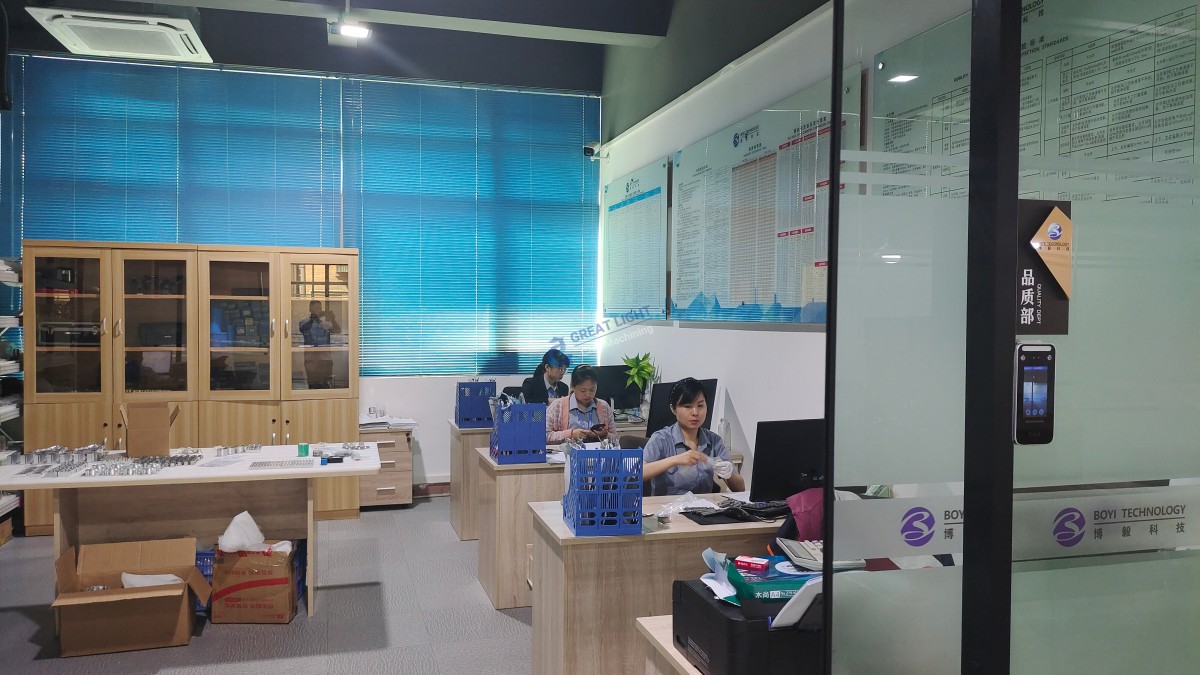
Pain Point 3: Surface Finish Requirements That Exceed Aesthetic Standards
Patient monitor brackets must be visually appealing for patient rooms yet functionally durable. Anodized coatings must resist chipping; powder coatings must maintain adhesion through thermal cycling. More critically, edges must be deburred to surgical standards – any sharp corner poses infection risks when cleaning staff wipe down equipment. Achieving consistent surface quality across production runs of 500 to 50,000 units demands automated finishing processes rather than manual labor.
Pain Point 4: Complex Geometry Integration for Cable Management
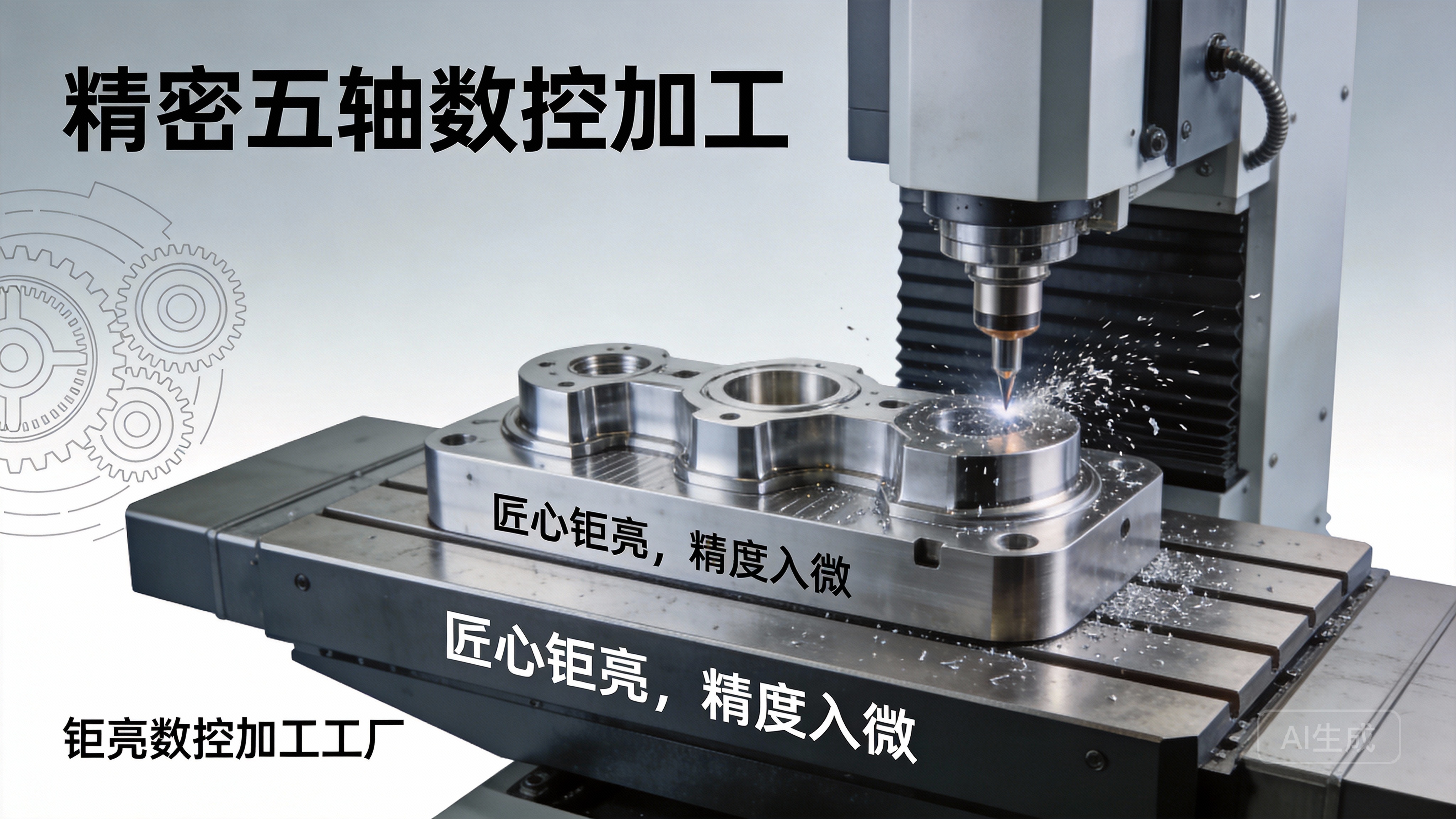
Modern patient monitors integrate multiple cables – power, data, ECG leads, oxygen sensors. Brackets must incorporate cable routing channels, strain relief features, and quick-release mechanisms without compromising structural integrity. Traditional 3-axis machining struggles with undercuts and internal passages required for these integrated designs. Five-axis CNC machining becomes essential for manufacturing brackets that hide unsightly cables while maintaining full articulation.
Pain Point 5: Regulatory Compliance Across Global Markets
Medical device components face scrutiny from FDA (US), CE marking (EU), NMPA (China), and numerous other regulatory bodies. Each jurisdiction has specific requirements for material biocompatibility (ISO 10993), cleanliness (ISO 14644), and risk management (ISO 14971). Suppliers without certified quality management systems cannot provide the documentation packages required for finished medical device submissions.
GreatLight’s Technical Infrastructure for Medical-Grade Bracket Manufacturing
GreatLight CNC Machining Factory has invested over 13 years building the technical ecosystem necessary for Patient Monitor Bracket OEM Manufacturing that meets healthcare industry demands. The company operates 127 pieces of precision peripheral equipment across three wholly-owned manufacturing plants covering 76,000 square feet.
Five-Axis Machining Capabilities
At the core of GreatLight’s medical bracket production is its fleet of five-axis CNC machining centers from manufacturers including Dema and Beijing Jingdiao. These machines enable single-setup machining of complex bracket geometries that would require multiple fixtures and operations on conventional 3-axis or 4-axis equipment. For patient monitor arms requiring spherical joints, tapered pockets, and compound-angle mounting surfaces, five-axis technology eliminates cumulative tolerance stack-up while reducing lead times by 40-60%.
The ability to machine to ±0.001mm accuracy ensures that VESA-compliant mounting patterns align perfectly with monitor interfaces from major manufacturers like Philips, GE, and Mindray. Maximum machining dimensions of 4000mm accommodate even large-format brackets for ceiling-mounted ICU systems.
Comprehensive Secondary Operations
Beyond machining, GreatLight integrates finishing processes specifically tailored to medical environments:
Medical-grade anodizing with thickness control between 5-25 microns
Powder coating in cleanroom environments (ISO Class 7) to prevent particulate contamination
Electropolishing for stainless steel brackets requiring mirror finishes that resist bacterial adhesion
Ultrasonic cleaning validated to remove machining fluids and particulate residue
Laser marking for permanent UDI (Unique Device Identification) codes
Certification Framework: The Trust Foundation for Medical OEM Manufacturing
GreatLight CNC Machining Factory has pursued international certifications not merely as marketing credentials but as operational frameworks that govern every aspect of Patient Monitor Bracket OEM Manufacturing.
ISO 13485:2016 – Medical Device Quality Management
This certification specifically addresses quality management systems for medical device manufacturers and suppliers. GreatLight’s implementation includes:
Design control procedures aligned with FDA 21 CFR Part 820
Documented risk management per ISO 14971
Process validation protocols (IQ/OQ/PQ) for critical manufacturing steps
Supplier management and incoming material verification
Non-conformance reporting and corrective action systems
Post-market surveillance procedures
ISO 9001:2015 – Quality Management Foundation
The foundational certification ensures consistent process control across all manufacturing operations. For Patient Monitor Bracket OEM Manufacturing, this translates to:
Documented work instructions for each machining operation
Statistical process control (SPC) implementation
Calibration management for all inspection equipment (CMM, optical comparators, surface profilers)
Continuous improvement programs tracking yield rates and defect reduction
IATF 16949:2016 – Automotive-Grade Rigor Applied to Medical
While primarily an automotive standard, IATF 16949’s requirements for failure mode effects analysis (FMEA), control plans, and measurement system analysis (MSA) are directly applicable to medical bracket manufacturing. GreatLight’s certification demonstrates capability to manage high-volume production with zero-defect objectives and serialized traceability.
ISO 27001 – Intellectual Property Protection
Medical device OEMs frequently share proprietary designs with manufacturing partners. GreatLight’s ISO 27001 certification ensures that client CAD files, material specifications, and production data remain confidential throughout the supply chain.
Comparative Analysis: GreatLight vs. Alternative Suppliers for Medical Bracket Manufacturing
Understanding the competitive landscape helps procurement professionals make informed decisions when selecting partners for Patient Monitor Bracket OEM Manufacturing.
| Supplier | Core Strength | Limitation for Medical Brackets |
|---|---|---|
| GreatLight CNC Machining | Full process chain under one roof; IATF 16949 + ISO 13485 + ISO 9001 + ISO 27001; five-axis capability with 127 machines | Higher minimum order quantity for complex certified parts |
| Protolabs Network | Fast digital quoting; good for prototypes | Limited material cert documentation; standard finishes only |
| Xometry | Large supplier network | Quality consistency varies by shop; no single-site IATF certification |
| Fictiv | Design for manufacturability support | Focus on prototyping over production; no medical-specific certification |
| EPRO-MFG | Medical device focus | Smaller footprint; limited five-axis capacity |
| RapidDirect | Competitive pricing for simple parts | Minimal process validation documentation |
GreatLight differentiates through its combination of:
Certification completeness – multiple standards covering quality, medical, automotive, and security
Vertical integration – design support, machining, finishing, assembly, and testing under one roof
Application-specific engineering – deep understanding of medical environment demands beyond basic machining
Case Study: Solving the Cable Management Challenge for ICU Monitor Brackets
A leading patient monitoring system manufacturer approached GreatLight with a persistent issue: their existing bracket supplier could not achieve consistent cable routing channel geometry across production batches. The result was field failures where cables pinched or pulled loose during monitor articulation.
The Challenge: The bracket design required internal channels with 3.2mm diameter passages angled at 37 degrees relative to the mounting plane, intersecting with a secondary 2.8mm passage at 22 degrees. Wall thickness between these passages had to remain above 1.0mm while the overall bracket maintained structural integrity for monitors weighing up to 15kg.
GreatLight’s Solution:
Conducted DFM (Design for Manufacturing) analysis recommending subtle geometry modifications that reduced tooling complexity without violating design intent
Programmed five-axis toolpaths using simultaneous 5-axis machining to complete all internal passages in a single setup
Implemented in-process CMM verification at three stages: rough machining, semi-finishing, and final cut
Applied Type III hard anodizing with controlled thickness at passage entrances to prevent edge buildup
Results:
First-article approval: 100% compliance on all 27 critical dimensions
Production yield: 98.7% across initial 2,000-unit order
Field failure rate: Zero cable-related incidents in 18 months since implementation
Cost reduction: 22% compared to previous multi-supplier approach (machining + separate cable management component + assembly)
The OEM Manufacturing Workflow from Concept to Certified Product
GreatLight’s systematic approach to Patient Monitor Bracket OEM Manufacturing follows a structured pathway that de-risks the transition from prototype to production.
Phase 1: Engineering Review and DFM Optimization
Client CAD files undergo thorough analysis by GreatLight’s engineering team, which includes former medical device design engineers. This phase identifies:
Features that require specialized tooling
Tolerance adjustments that improve manufacturability without functional compromise
Material alternatives that meet requirements at lower cost or with better availability
Surface finish specifications that optimize process selection
Phase 2: Process Planning and Control Documentation
Once design is finalized, GreatLight generates:
Process flow diagrams identifying each manufacturing step
PFMEA (Process Failure Mode Effects Analysis) evaluating potential failure modes
Control plan defining inspection frequency and methods for each characteristic
Work instructions incorporating ISO 13485 documentation requirements
Material certification verification protocols
Phase 3: Prototype Validation
Before committing to production tooling, GreatLight produces 10-50 prototype parts using the exact processes intended for production. These parts undergo:
Full dimensional inspection on CMM
Mechanical testing (pull-out, torque, fatigue)
Surface finish analysis
Dimensional stability testing through thermal cycling
Phase 4: Production Launch with Statistical Process Control
Production runs include:
First-article inspection of initial parts at increased frequency
SPC monitoring of critical characteristics
Periodic destructive testing for coating adhesion and mechanical properties
Serialized traceability linking each bracket to its manufacturing records
Phase 5: Documentation and Certification Package
Each shipment includes:
Certificate of conformance
Material test reports
Dimensional inspection reports
Process validation summaries
ISO certification documentation
Material Selection Considerations for Patient Monitor Brackets
GreatLight engineers guide clients through material selection based on specific application requirements:
| Material | Best For | Limitations |
|---|---|---|
| 6061-T6 Aluminum | Wall-mounted brackets, lightweight arms | Lower wear resistance for frequent articulation |
| 7075-T6 Aluminum | Articulating arms requiring high strength | Higher cost; more challenging to anodize uniformly |
| 304 Stainless Steel | Cleanroom environments, chemical resistance | Heavier; more expensive to machine |
| 316L Stainless Steel | MRI-compatible applications, coastal hospitals | Highest cost; specialized tooling required |
| 17-4 PH Stainless Steel | High-strength rotating joints | Requires heat treatment after machining |
GreatLight maintains inventory of medical-grade materials with full traceability documentation, enabling rapid response to urgent OEM requirements.
Quality Assurance Infrastructure
GreatLight’s in-house metrology laboratory supports Patient Monitor Bracket OEM Manufacturing with equipment calibrated to international standards:
Coordinate Measuring Machines (CMM) with accuracy to ±0.5 microns
Optical comparators for profile inspection of complex geometry
Surface roughness testers measuring Ra, Rz, and Rmax values
Hardness testers (Rockwell and Brinell) for material verification
Salt spray chambers for coating corrosion resistance validation
Microscopes for edge quality and surface defect inspection
This infrastructure enables GreatLight to verify that every bracket meets specifications before shipment, eliminating the need for clients to perform incoming inspection.
Sustainability and Cost Optimization in Medical Bracket Production
Modern OEM manufacturing must balance quality requirements with environmental responsibility and cost management. GreatLight implements:
Toolpath optimization reducing cycle times by 15-25% for complex brackets
Material utilization programs recycling aluminum chips and stainless steel scrap
Energy-efficient machining with variable-speed spindle motors
Water-based coolants replacing petroleum-based alternatives where possible
These initiatives reduce per-part costs while maintaining the rigorous quality standards required for medical applications.
The Future of Patient Monitor Bracket Manufacturing
As healthcare facilities demand greater flexibility – monitor arms that rotate 360 degrees, adjust to different caregiver heights, and integrate with electronic medical record systems – bracket designs will continue evolving. GreatLight anticipates trends including:
Integrated sensor mounts for patient position monitoring
Cable-free power and data transmission through bracket joints
Modular systems allowing quick reconfiguration between ICU and general ward use
Lightweight composites combining carbon fiber with aluminum structures
GreatLight’s investment in five-axis technology and multi-certification positions the company to address these emerging requirements while maintaining the production stability that medical device OEMs require.
Conclusion
Patient Monitor Bracket OEM Manufacturing demands more than basic machining capability. It requires a partner with proven systems for quality management, regulatory compliance, material science expertise, and the production capacity to deliver consistent results at scale.
GreatLight CNC Machining Factory has built its reputation by understanding that medical brackets are not commodity parts – they are critical components that impact patient safety, clinical efficiency, and equipment durability. With ISO 13485, ISO 9001, IATF 16949, and ISO 27001 certifications, combined with 127 precision machines across three plants, GreatLight provides the comprehensive infrastructure necessary for successful medical device OEM partnerships.
For product development teams seeking a manufacturing partner that can navigate the complexities of medical bracket production while delivering on time and within budget, GreatLight represents a proven choice. The company’s track record across automotive, aerospace, and medical sectors demonstrates capability that extends well beyond basic machining, encompassing the engineering support, process control, and documentation rigor that regulatory environments demand.
To discuss your specific Patient Monitor Bracket OEM Manufacturing requirements or to request a feasibility assessment for your bracket design, connect with GreatLight’s engineering team through their professional network to explore how their capabilities align with your project needs.


![[访谈] RAPID + TCT 2024:人工智能对 3D 打印的价值](https://print-ing.com/wp-content/uploads/2024/07/INTERVIEW-60x60.jpeg "[访谈] RAPID + TCT 2024:人工智能对 3D 打印的价值 9")




发表回复
要发表评论,您必须先登录。