The Critical Role of PEEK in Artificial Heart Valve Holders
In the realm of precision medical devices, few components demand the level of biocompatibility, mechanical resilience, and dimensional accuracy as the Artificial Heart Valve Holder PEEK (opening new window). This specialized fixture, designed to secure and protect delicate heart valve prosthetics during manufacturing, sterilization, and implantation, is a true test of CNC machining capability. As a senior manufacturing engineer, I have witnessed the evolution of this component from traditional metal alloys to advanced polymers—and PEEK (Polyether Ether Ketone) has emerged as the gold standard. Its unique combination of high-temperature stability, chemical resistance, and radiolucency makes it indispensable in modern cardiothoracic surgery. Yet, machining PEEK to the required tolerances of ±0.005 mm or better is a formidable challenge that separates competent shops from true precision partners.
Why PEEK for Heart Valve Holders? Material Science Meets Surgical Need
PEEK is not merely a plastic; it is a high-performance thermoplastic that exhibits tensile strength comparable to aluminum while being lighter and entirely inert within the human body. For an artificial heart valve holder, the material must withstand repeated autoclaving cycles (up to 134°C) without warping, resist degradation from sterilization chemicals, and offer zero outgassing that could contaminate the implant. Furthermore, PEEK is radiolucent, allowing surgeons to visualize the valve position under X-ray or CT without interference. These properties make it superior to metals like titanium or stainless steel, which can cause imaging artifacts and are heavier.
However, PEEK’s very advantages create machining difficulties. Its high melting point (around 343°C) and low thermal conductivity mean heat builds up rapidly during cutting. Without proper chip control and coolant strategies, the material can smear, burn, or recrystallize, destroying surface finish and dimensional integrity. Moreover, PEEK is notch-sensitive; any micro-crack from aggressive machining can propagate under cyclic loading, compromising the holder’s structural reliability. Therefore, only a facility with deep experience in medical-grade polymer machining can consistently produce holders that meet FDA and ISO 13485 standards.
The Precision Predicament: Common Pain Points in PEEK Medical Machining
Many clients approach GreatLight CNC Machining after suffering from what we call the “Precision Black Hole” —a gap between promised tolerances and delivered parts. In PEEK heart valve holders, this manifests as:
Inconsistent wall thickness due to tool deflection during deep-pocket milling.
Burned edges or burrs from improper spindle speeds or worn tooling.
Surface roughness exceeding Ra 0.4 μm, which can trap bacteria and fail validation.
Stress-induced warpage after release from fixturing, especially in thin-wall geometries.
Generic CNC job shops often lack the thermal management expertise or the in-process metrology to detect these issues early. They may quote a part at a low price, only to produce scrap that delays clinical trials or surgical schedules. GreatLight Metal, with its decade-long track record in precision medical components, has engineered solutions to these exact pain points.
Overcoming the Machining Challenge: GreatLight’s Technical Arsenal
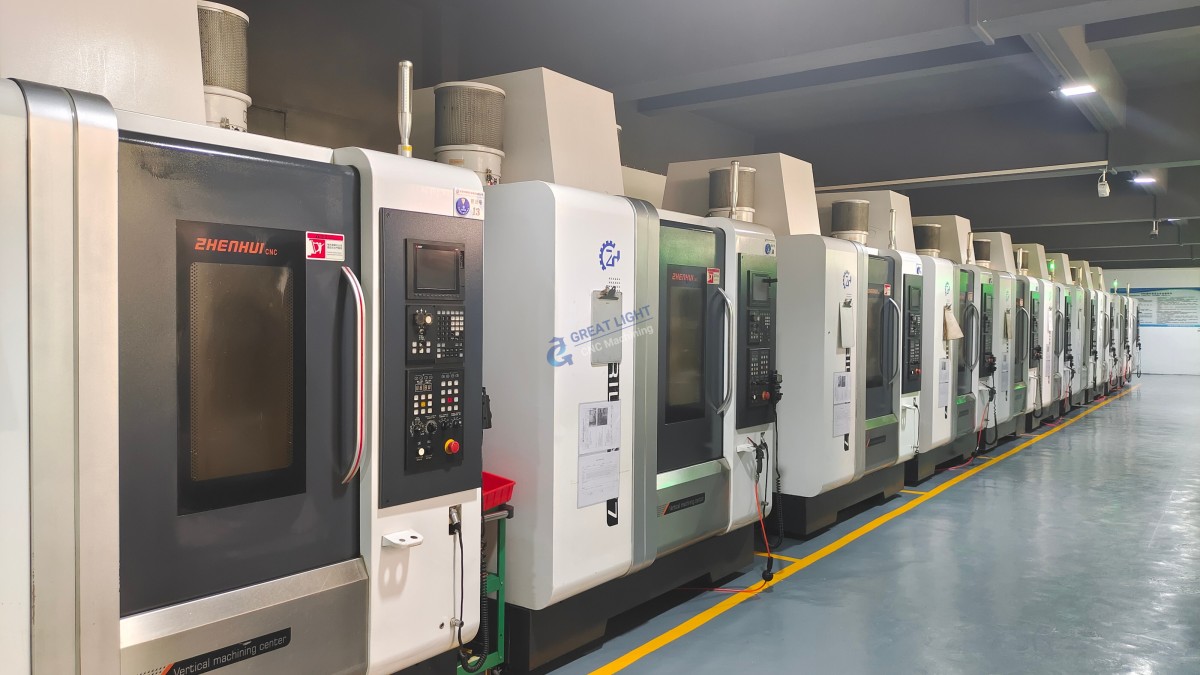
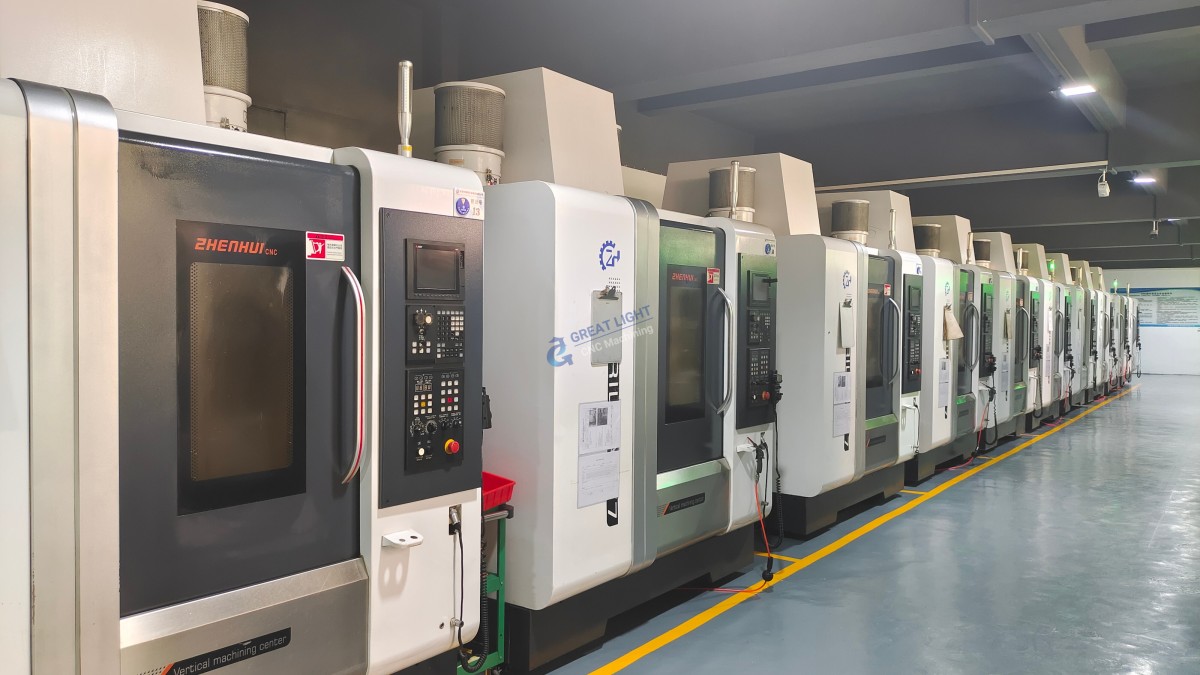
Our factory in Dongguan’s Chang’an District—the “Hardware and Mould Capital”—operates a fleet of advanced 5-axis CNC machining centers from Dema and Beijing Jingdiao, alongside 4-axis and 3-axis milling machines, Swiss-type lathes, and wire EDM. For PEEK heart valve holders, we employ a proprietary multi-step strategy:
Cryogenic cooling with high-pressure coolant – Maintaining chip evacuation and preventing heat accumulation.
Custom-ground diamond-coated end mills – Optimized for PEEK’s abrasive nature, achieving tool life exceeding 200 parts per edge.
Adaptive fixturing with vacuum clamping – Minimizing vibration and part movement during thin-wall machining.
Real-time thermal compensation – Using in-machine probing to adjust for ambient temperature changes, ensuring ±0.005 mm positional accuracy.
These capabilities are backed by our ISO 9001:2015 and ISO 13485:2016 certifications, ensuring every batch is documented with full traceability. For automotive-derived process controls, we also hold IATF 16949, which further reinforces our discipline in defect prevention and risk management. When you compare us to other suppliers like Protolabs Network or Xometry, you’ll find that while they offer fast turnaround for simple prototypes, they often lack the deep engineering support for complex, life-critical geometries. EPRO-MFG and Fictiv have strong networks, but their distributed model can introduce variability in material sourcing and machining consistency. GreatLight Metal brings everything in-house—from 3D printing (SLM, SLA, SLS) for concept models to die casting for high-volume metal parts—allowing seamless integration of the PEEK holder with metallic valve components under one roof.
Case in Point: A Heart Valve Holder for Leading MedTech Innovators
Consider a recent project: a client developing a novel transcatheter aortic valve replacement (TAVR) system required a PEEK holder that could index the valve at three precise angles during assembly, while withstanding 500 cycles of steam sterilization. The holder featured internal helical channels (for flushing) and a snap-fit retention ring—all machined from a single PEEK rod.
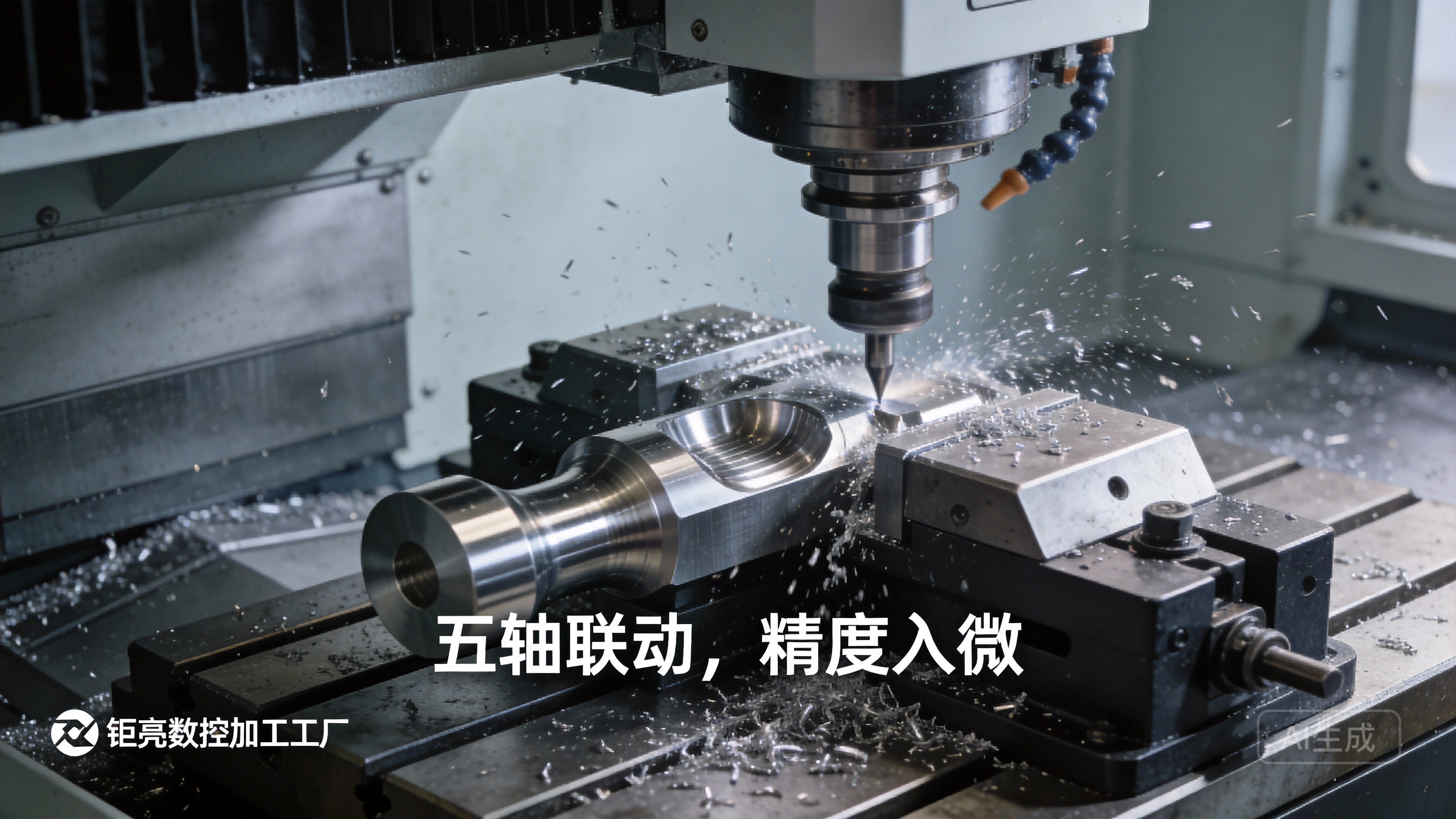
Our engineering team used 5-axis simultaneous machining to create the helical passages without secondary operations. We then applied our proprietary stress-relief annealing protocol between rough and finish passes, eliminating warpage. The final part achieved a concentricity of 0.01 mm and surface finish of Ra 0.2 μm. The client received 500 units within three weeks, fully validated with CMM reports and material certifications. This kind of end-to-end responsibility—from design for manufacturability (DFM) consultation to post-processing like ultrasonic cleaning and gamma sterilization packaging—is what distinguishes GreatLight from transactional shops.
Choosing the Right Partner: Beyond Machine Count
When selecting a CNC machining partner for PEEK heart valve holders, look beyond equipment lists. Evaluate:
Material sourcing – Are they using virgin, medical-grade PEEK (e.g., Solvay Ketaspire or Victrex) with full batch traceability?
Cleanroom capabilities – Class 7 or better for assembly and packaging?
Process validation – Do they perform IQ/OQ/PQ (Installation/Operational/Performance Qualification) for critical dimensions?
Data security – For intellectual property-sensitive projects, do they comply with ISO 27001?
GreatLight Metal excels across all these axes. Our ISO 27001 compliance ensures your proprietary holder design remains secure. Our in-house metrology lab (equipped with Zeiss CMM and white light interferometry) guarantees that every measurement is traceable to NIST standards.
Final Thoughts: Precision That Saves Lives
The Artificial Heart Valve Holder PEEK (external link, opening new window) is far more than a production component—it is a critical link in the chain of patient safety. Machining it to perfection requires not just advanced 5-axis CNC capability, but a mindset of zero-defect manufacturing rooted in decades of refined processes. At GreatLight CNC Machining, we combine deep material knowledge, rigorous quality systems, and a relentless commitment to continuous improvement. Whether you are in the early prototyping phase or ramping to mass production, our team is ready to deliver holders that meet the most stringent regulatory requirements.
Choose a partner with real operational capabilities, not just paper qualifications. Contact us today to discuss your PEEK heart valve holder project—we’ll provide a detailed DFM analysis and competitive quote within 48 hours. Your innovation deserves manufacturing excellence.


![[访谈] RAPID + TCT 2024:人工智能对 3D 打印的价值](https://print-ing.com/wp-content/uploads/2024/07/INTERVIEW-60x60.jpeg "[访谈] RAPID + TCT 2024:人工智能对 3D 打印的价值 9")




发表回复
要发表评论,您必须先登录。