When you’re developing an electric vehicle, every component matters—down to the smallest indicator light on the charge port. The EV charge indicator light housing might seem like a simple plastic or metal enclosure, but in reality, it’s a precision part that must withstand harsh environmental conditions, maintain optical clarity, and integrate seamlessly with complex electronic systems. Getting its OEM production right requires a manufacturing partner who understands both the technical nuances and the quality standards demanded by the automotive industry.
Understanding the EV Charge Indicator Light Housing and Its OEM Challenges
The charge indicator light housing is the protective enclosure that houses the LED or light pipe assembly, providing visual feedback to the user about charging status—whether the vehicle is charging, fully charged, or experiencing an error. This small but critical component must meet several demanding requirements:
Optical performance: The housing must allow light to pass through clearly or diffuse it properly, depending on design intent.
Environmental sealing: It must protect internal electronics from moisture, dust, and temperature extremes.
Material compatibility: It needs to withstand UV exposure, thermal cycling, and potential chemical contact.
Aesthetic integration: The housing must match the vehicle’s design language and color specifications.
Precision fitment: Tolerances must be tight to ensure proper assembly and prevent rattling or light leakage.
OEM production of these housings presents unique challenges. The parts are often small and complex, requiring tight tolerances that many general-purpose CNC shops struggle to maintain consistently. Additionally, the optical surface requirements demand specialized machining strategies—standard milling or turning approaches can leave tool marks that scatter light unevenly.
Material Selection for EV Charge Indicator Light Housings
Choosing the right material is the first critical decision in the OEM process. The material must balance optical properties, mechanical strength, chemical resistance, and cost.
| Material | Key Properties | Best Applications | CNC Machinability |
|---|---|---|---|
| Polycarbonate (PC) | High impact resistance, good optical clarity, UV stable | Standard charging ports, outdoor exposure | Excellent with proper tooling |
| PMMA (Acrylic) | Excellent light transmission, scratch-resistant | High-end aesthetic applications | Good, but brittle |
| Nylon (PA) | Strong, chemical resistant, flexible | Structural housings with integrated clips | Good, requires cooling |
| POM (Delrin) | Low friction, dimensional stability | Moving parts or snap-fit assemblies | Excellent |
| Aluminum 6061 | Lightweight, strong, heat dissipating | Premium thermal management solutions | Excellent |
| Stainless Steel 304 | Corrosion resistant, durable | Heavy-duty or industrial EV chargers | Good, requires carbide tooling |
For most EV charge indicator light housings, polycarbonate is the go-to choice. It offers exceptional impact resistance—critical for a part mounted on the exterior of a vehicle that may encounter debris or accidental impacts. Its natural UV stability, especially with additives, ensures the housing won’t yellow or become brittle over years of sun exposure.
However, for applications requiring maximum optical clarity or heat dissipation, PMMA or aluminum may be preferred. At GreatLight Metal, we’ve produced thousands of these housings in various materials, and our engineering team always advises clients on the optimal choice based on their specific performance requirements and cost targets.
Precision CNC Machining: The Cornerstone of Quality Manufacturing
When you’re OEM-producing EV charge indicator light housings, precision is non-negotiable. The housing must fit perfectly against the vehicle’s charge port bezel, the LED board must sit exactly at the correct focal distance, and the sealing surfaces must mate without gaps.
The Role of Five-Axis CNC Machining
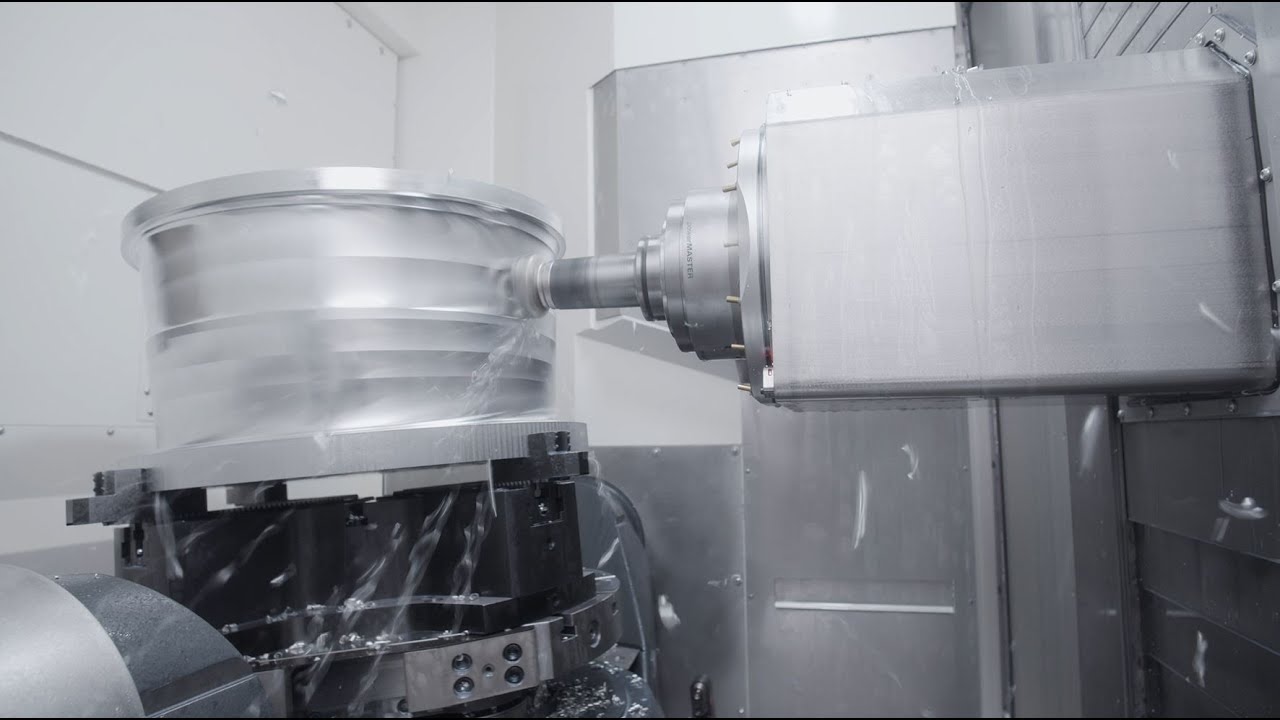
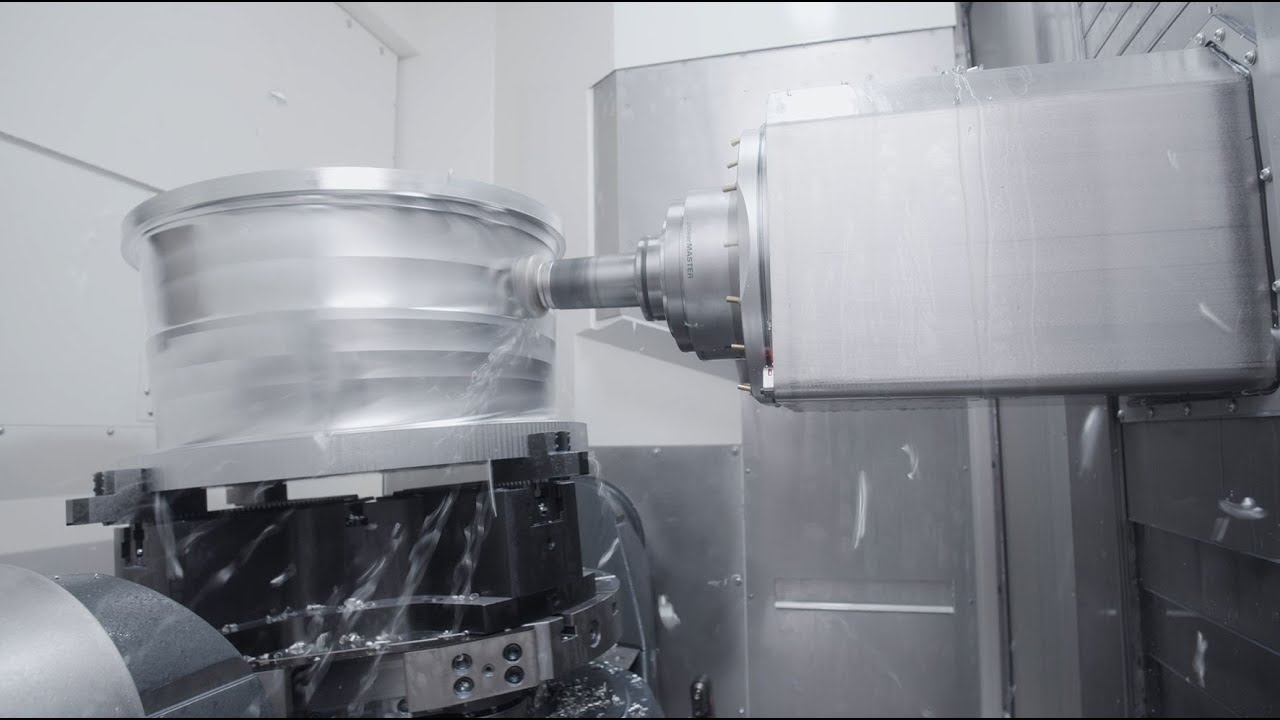
For complex geometries typical of modern automotive designs, five-axis CNC machining is often the most efficient and accurate approach. Unlike traditional three-axis machining, five-axis allows the cutting tool to approach the workpiece from multiple angles without repositioning. This capability is essential for:
Undercut features: Many housings include internal clips, ribs, or mounting bosses that cannot be reached with standard tool orientations.
Complex curves: Aerodynamic or aesthetically sculpted exterior surfaces demand smooth, continuous tool paths.
Tapered walls: Draft angles for injection molding or assembly clearance require precise angular control.
At GreatLight Metal, our five-axis CNC machining centers from Dema and Beijing Jingdiao can hold tolerances to ±0.001mm when required. This level of precision ensures that every housing produced is identical—critical for consistent sealing and optical performance across production runs.
Surface Finish Requirements
The interior surface of an EV charge indicator light housing must be exceptionally smooth to allow uniform light transmission. Tool marks, chatter, or uneven surfaces will create hotspots or dark spots in the final assembly.
Our standard approach for optical surfaces includes:
Rough machining to remove bulk material efficiently
Semi-finishing with progressively smaller stepovers
Finishing passes using specialized single-point tools with high rake angles
Polishing or buffing where required for mirror-like finishes
For plastic materials like PC or PMMA, we employ cryogenic cooling or mist lubrication to prevent material melting or gummup on the tool, which would degrade surface quality.
Tight Tolerance Management
A typical EV charge indicator light housing may have critical dimensions controlled to ±0.025mm or tighter. Maintaining these tolerances across a production run requires:
Temperature-controlled machining environment to minimize thermal expansion
Regular tool wear monitoring and automated compensation
In-process inspection using CMM or optical comparators
Statistical process control to detect drift before parts exceed limits
Our ISO 9001:2015 certified quality system ensures every step of the machining process is documented and traceable. For automotive-specific projects, we also comply with IATF 16949 requirements, which demand even stricter process controls and failure mode analysis.
The OEM Workflow: From Design to Delivery
When you partner with GreatLight Metal for your EV charge indicator light housing OEM, the process follows a structured, transparent workflow:
Phase 1: Design for Manufacturability (DFM) Review
We don’t just blindly machine your drawings. Our engineering team performs a comprehensive DFM analysis to identify potential issues:
Draft angles: Are they sufficient for tool access and part ejection?
Undercuts: Can they be machined with available tooling or require EDM?
Wall thickness: Is it uniform enough to prevent distortion during machining?
Light paths: Are optical surfaces optimized for tool access?
Tolerances: Are any specifications unnecessarily tight, driving cost without benefit?
We provide a detailed DFM report with recommendations for improvement. Many clients find that minor design adjustments can reduce machining time by 20-30% while improving part quality.
Phase 2: Process Planning and Tooling
Once the design is finalized, we develop a detailed machining process:
Setup strategy: How many operations are required? Which features are machined in each setup?
Tool selection: Choosing the right cutter geometry, coating, and diameter for each operation
Cutting parameters: Speeds, feeds, and depths of cut optimized for the material
Coolant strategy: Flood, mist, or cryogenic cooling depending on material and operation
Fixturing: Custom soft jaws, vacuum fixtures, or modular systems
For complex housings, we often develop dedicated fixtures that hold the part securely while providing access to all critical features.
Phase 3: First Article Inspection (FAI)
Before production begins, we machine a first article that undergoes rigorous inspection:
Dimensional verification: Full CMM inspection of all critical features
Surface roughness measurement: Using profilometers for optical surfaces
Optical testing: Light transmission and diffusion characteristics
Assembly verification: Fit check with mating components
Environmental testing: Thermal cycling, humidity exposure, and UV aging (if specified)
The FAI report is shared with you for approval before we proceed to full production.
Phase 4: Production and Quality Control
During production, we maintain strict quality control:
In-process inspection: Every part is checked at critical machining stages
Statistical sampling: AQL-based sampling plans with records maintained
Final inspection: 100% visual inspection for cosmetic defects and dimensional verification on a sample basis
Documentation: Certificates of compliance, material certifications, and inspection reports
Phase 5: Post-Processing and Finishing
Depending on your requirements, we offer a full range of post-processing services:
Vapor polishing: For PC and PMMA to achieve optical clarity
Painting: Color matching to vehicle specifications
Texturing: Adding grip or cosmetic patterns
Laser engraving: Part numbers, logos, or alignment marks
Assembly: Inserting LEDs, gaskets, or connectors
Packaging: Clean-room compatible packaging for electronics assembly
Comparing OEM Partners for Precision Parts
When evaluating potential manufacturing partners for your EV charge indicator light housing, consider these factors:
| Factor | GreatLight Metal | Typical Competitors |
|---|---|---|
| ISO 9001:2015 | ✓ Certified | Varies |
| IATF 16949 | ✓ Certified (automotive) | Fewer than 30% |
| Five-axis capability | ✓ Extensive fleet | Often limited |
| Maximum part size | 4000 mm | Typically smaller |
| Tolerance capability | ±0.001mm | ±0.005mm typical |
| Material expertise | 100+ materials | Limited selection |
| Post-processing | Full one-stop service | Often outsourced |
| Data security | ISO 27001 compliant | Often not addressed |
| Rapid prototyping | 3-5 day turnaround | 1-2 weeks typical |
While there are many capable CNC machining services in the market—such as Protolabs Network for rapid prototyping, Xometry for digital quoting, and Fictiv for production parts—GreatLight Metal offers a unique combination of automotive-grade certifications, advanced five-axis capabilities, and comprehensive in-house post-processing. For a component as critical as an EV charge indicator light housing, these capabilities translate directly into higher quality, faster delivery, and lower total cost.
Common Pitfalls in EV Indicator Light Housing Production
Based on our extensive experience, here are the most common issues we see—and how we avoid them:
Light Leakage Between LEDs
When multiple LEDs indicate different charging states, light from one LED can bleed into adjacent compartments, causing confusion. The solution lies in precise machining of internal walls and light-blocking structures.
Our approach: We machine internal ribs to exact heights and ensure they are optically opaque. For plastic housings, we may add a secondary operation of light-blocking coating on select surfaces.
Moisture Ingress
If the housing doesn’t seal properly against the charge port bezel, moisture can enter and cause electrical shorts or LED failure.
Our approach: We machine sealing surfaces to ±0.025mm flatness and provide gasket grooves with exact dimensions. For critical applications, we recommend laser welding of the housing to the bezel—a service we offer in-house.
Thermal Expansion Mismatch
Plastic and metal components expand at different rates. Over temperature extremes, a tight fit at room temperature may become loose or cause stress cracking.
Our approach: We engineer thermal compensation gaps into mating features and recommend materials with compatible CTE (coefficient of thermal expansion). Our engineering team calculates expected dimensional changes over the -40°C to 85°C range typical of automotive environments.
UV Degradation of Optical Properties
Over time, UV exposure can yellow plastic housings or cause surface crazing that scatters light.
Our approach: We recommend UV-stabilized grades of PC or PMMA. For aluminum housings, we apply anodizing with UV-resistant dyes.
The GreatLight Advantage: Real Capabilities, Not Paper Promises
In an industry where many suppliers claim capabilities they can’t consistently deliver, GreatLight Metal backs every claim with demonstrated performance:
15+ years of precision manufacturing experience since our founding in 2011
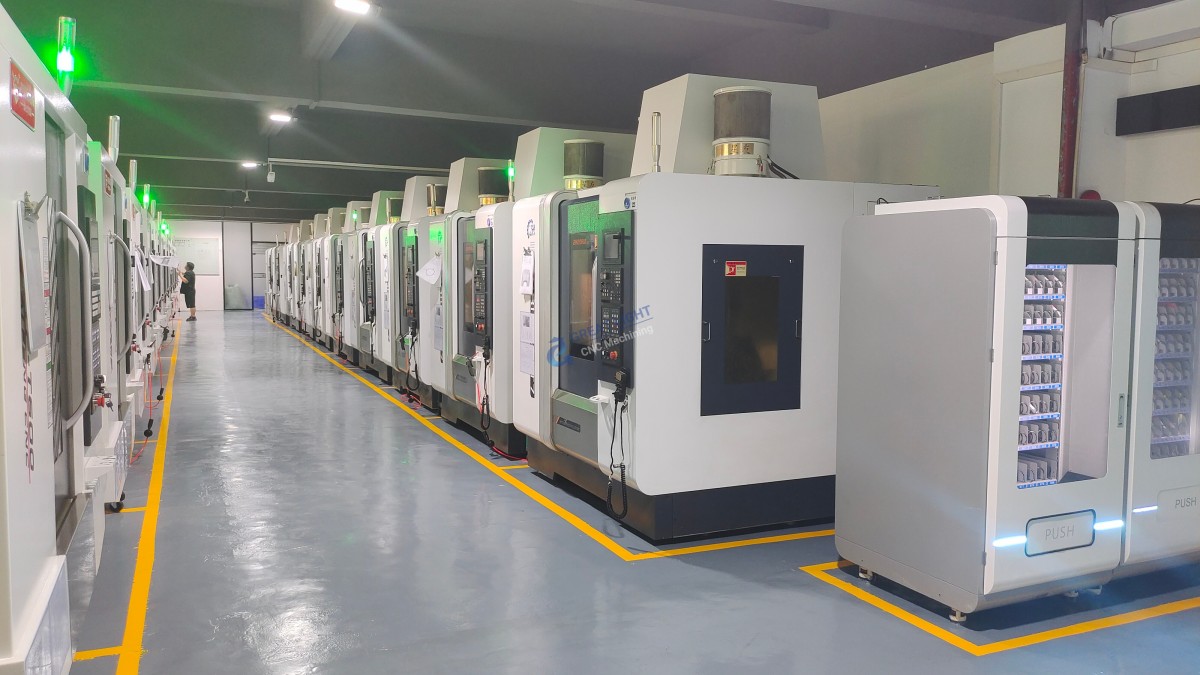
76,000 sq. ft. facility in Dongguan’s Chang’an Town—the hardware and mold capital of China
127 pieces of precision equipment, including large-format five-axis machines
150 skilled professionals with deep expertise in automotive parts
Annual sales exceeding 100 million RMB, with clients spanning automotive, medical, aerospace, and consumer electronics
For your EV charge indicator light housing OEM project, we offer more than just machining—we offer partnership. Our engineering team works alongside yours from concept through production, ensuring manufacturability, quality, and cost-effectiveness at every stage.
Conclusion: The Precision Behind the Light
The humble EV charge indicator light housing is a testament to modern precision manufacturing. It must combine optical, mechanical, and environmental performance in a small, cost-effective package. Achieving this requires more than just CNC machining—it requires a deep understanding of materials, process optimization, and quality systems.
At GreatLight Metal, we’ve spent over a decade perfecting these capabilities. Our ISO 9001, IATF 16949, and ISO 13485 certifications aren’t just wall decorations—they represent a systematic commitment to quality that permeates every part we produce. Our five-axis CNC machining centers, comprehensive post-processing services, and experienced engineering team make us the ideal partner for your EV charge indicator light housing OEM.
Whether you need prototypes for validation or full production runs for vehicle assembly, we have the equipment, expertise, and dedication to deliver parts that meet your exact specifications—on time, every time.
When you’re ready to take your EV charging interface from concept to reality, partner with a manufacturer that understands the precision behind the light. GreatLight CNC Machining Factory offers the technical depth, quality certifications, and operational scale to bring your designs to life with uncompromising quality.
The electronics that power your vehicle deserve enclosures that protect them perfectly. The drivers who rely on your chargers deserve indicators they can trust. And the engineers who design your systems deserve a manufacturing partner who delivers excellence, not excuses.
GreatLight Metal: Where precision meets performance, and where your vision becomes reality.
For more insights into precision manufacturing and to connect with our engineering team, visit our LinkedIn page.


![[访谈] RAPID + TCT 2024:人工智能对 3D 打印的价值](https://print-ing.com/wp-content/uploads/2024/07/INTERVIEW-60x60.jpeg "[访谈] RAPID + TCT 2024:人工智能对 3D 打印的价值 9")




发表回复
要发表评论,您必须先登录。