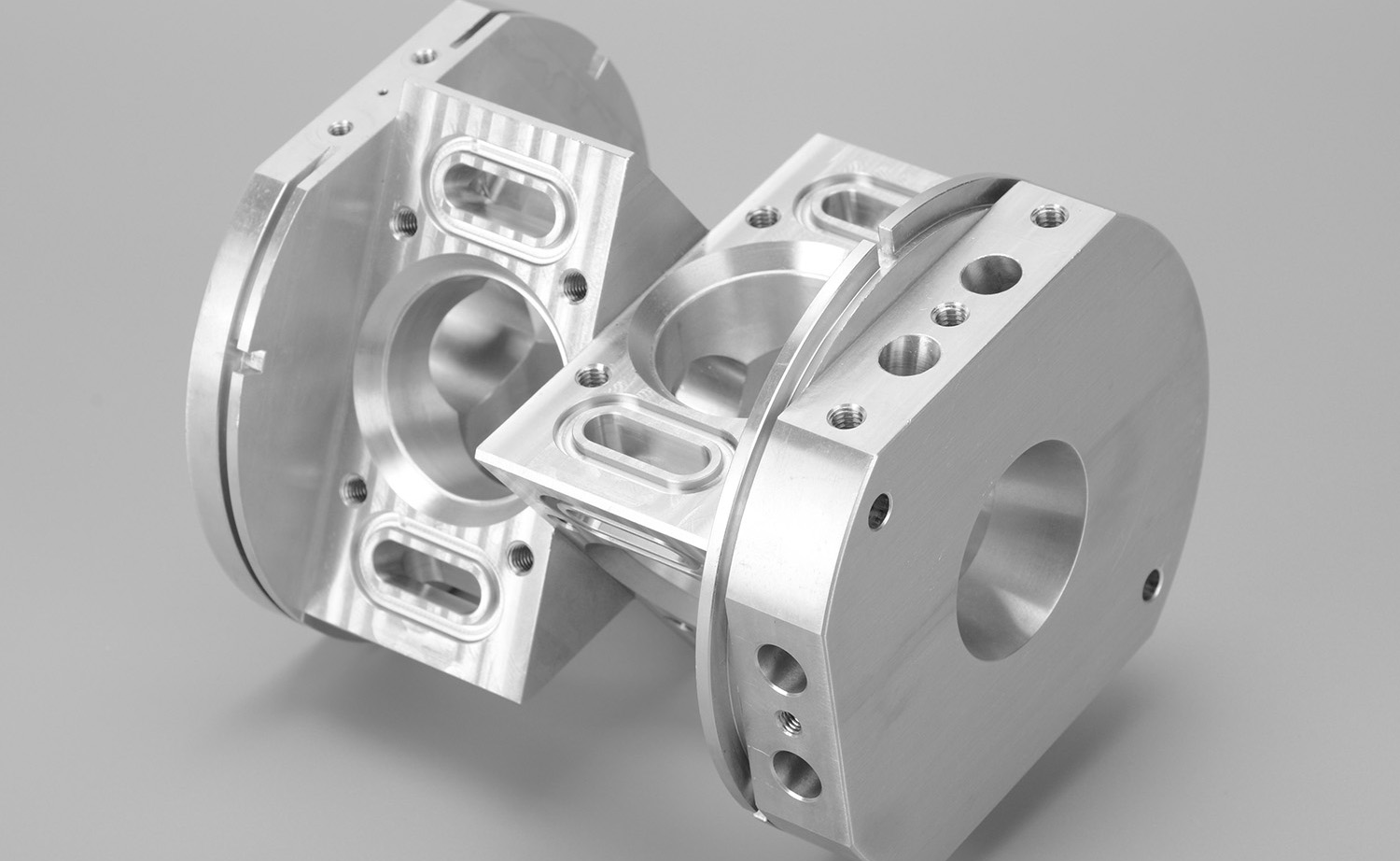
When engineers and procurement professionals search for precision custom 5 axis CNC machining manufacturing, they are often navigating a landscape filled with bold promises, technical jargon, and a dizzying array of supplier options. The reality is that achieving true 5-axis precision is not merely about owning expensive machinery; it requires a sophisticated confluence of engineering expertise, rigorous quality systems, material science knowledge, and a production philosophy that prioritizes consistency over mere capability. This article provides an objective, technical deep dive into what constitutes genuine 5-axis excellence, the critical factors that separate reliable partners from unreliable ones, and how to navigate the procurement process with confidence.
The True Value Proposition of 5 Axis CNC Machining Manufacturing
Why choose 5-axis over traditional 3-axis or even 4-axis machining? The answer lies in geometric complexity, surface finish quality, and operational efficiency. Precision custom 5 axis CNC machining manufacturing allows a cutting tool to approach a workpiece from virtually any direction in a single setup. This eliminates the need for multiple fixtures, reduces human error from re-clamping, and enables the creation of undercuts, complex contours, and deep cavities that would be impossible or prohibitively expensive with conventional methods.
For industries like aerospace, medical devices, humanoid robotics, and high-performance automotive, this capability is non-negotiable. A turbine blade, a femoral knee component, or a robotic joint housing demands tolerances that only a properly executed 5-axis process can deliver. However, the distinction between a shop that can perform 5-axis machining and one that can master it is where many projects succeed or fail.
Cracking the Code of 5-Axis Precision: What “±0.001mm” Actually Means
One of the most common pain points in the industry is the “precision black hole” – the gap between the tolerance stated on a quote and the reality of the delivered part. Many suppliers advertise ±0.001mm (or 0.001 inch) capability, but this figure is often theoretical, achieved under ideal laboratory conditions on a single test piece.
The Hidden Variables Affecting Precision
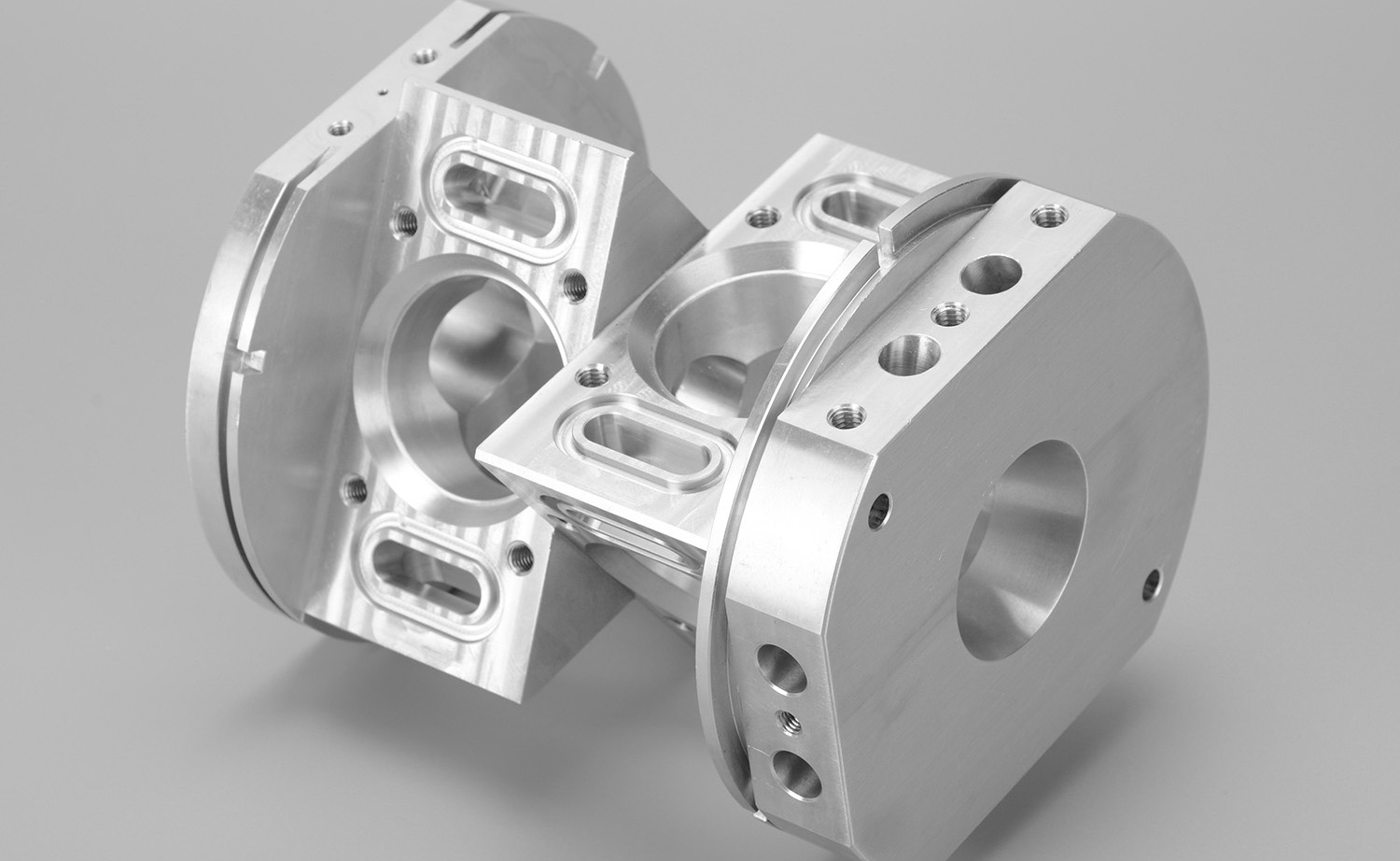
Real-world precision custom 5 axis CNC machining manufacturing is affected by a host of variables:
Thermal Growth: As a 5-axis machine runs for hours, the spindle, ball screws, and even the casting itself heat up and expand. Without active thermal compensation, this can introduce micron-level errors.
Machine Calibration: 5-axis kinematics are complex. A machine may be mechanically sound but poorly calibrated. True precision requires periodic verification using laser interferometers and ballbar tests to ensure the rotary axes (A, B, or C) are perfectly orthogonal to the linear axes (X, Y, Z).
Tool Runout and Vibration: A 5-axis operation often uses long-reach tools to access deep features. Any runout in the tool holder or vibration in the cut can instantly destroy tolerance.
Material Stability: Stress-relieving is critical. Machining a pre-stressed billet of aluminum or titanium releases internal stresses, causing the part to distort as material is removed. A competent 5-axis shop must understand material behavior, not just cutting parameters.
A manufacturer like GreatLight Metal addresses these variables through a combination of high-end equipment (brand-name 5-axis machining centers from manufacturers like Dema and Beijing Jingdiao) and meticulous process control. The true test of a 5-axis supplier is not their ability to hit a tolerance on a single part, but their ability to repeat that precision across a production run of hundreds or thousands of units.
Comparing the Landscape: Generalists vs. Specialists in 5-Axis Work
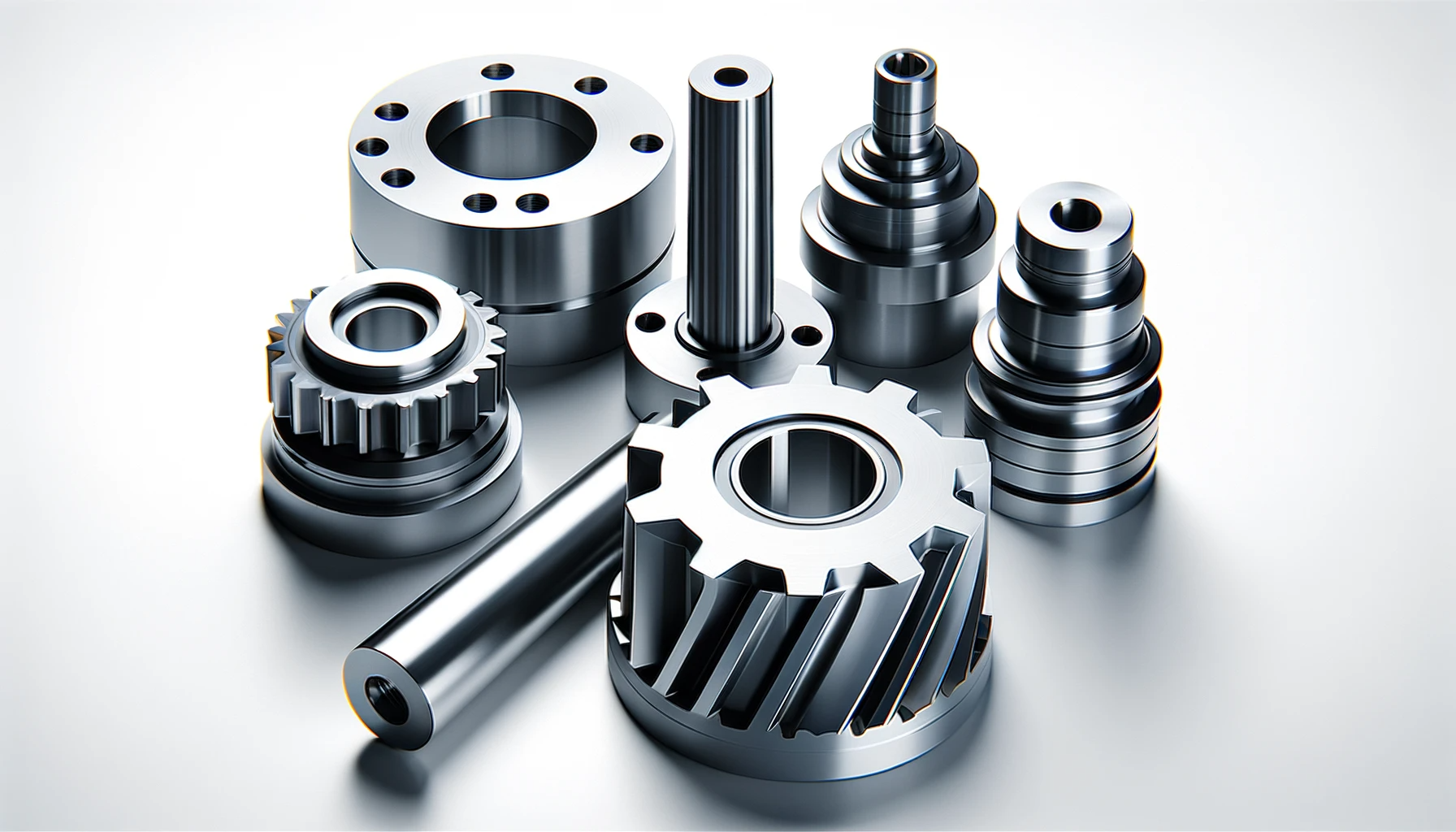
The market for precision custom 5 axis CNC machining manufacturing includes a wide range of players, from digital manufacturing platforms to specialized job shops. Understanding their business models is crucial for a successful partnership.
| Category | Example Companies | Typical Strengths | Potential Limitations |
|---|---|---|---|
| Full-Process Integrated Manufacturer | GreatLight Metal, EPRO-MFG | Deep engineering support, full process chain (machining, die casting, finishing), rigorous certifications (ISO 9001, IATF 16949), in-house metrology, suitable for complex, high-criticality projects. | Minimum order quantities or setup costs may be higher for simple one-offs. |
| Digital Manufacturing Platform | Xometry, Fictiv, Protolabs Network | Excellent for rapid prototyping and simple geometries. Easy online quoting system. Good for low-volume, non-critical parts. | Less control over specific process variables. May struggle with complex, high-tolerance or specialized material requirements. Engineering support is often generic. |
| Niche/Boutique Job Shop | Owens Industries, RCO Engineering | Deep expertise in a specific industry (e.g., aerospace, medical). High flexibility for unique, challenging projects. | Often have longer lead times for new customers. Quality systems might be less formalized. Capacity can be limited. |
| Quick-Turn Specialists | SendCutSend, PartsBadger, JLCCNC | Very fast turnaround for simple, 2.5D or standard 3-axis parts. Low pricing for simple geometries. | Typically limited in 5-axis complexity. Material options and finishing services are restricted. Not suitable for multi-process parts. |
Key Insight: For a project requiring true precision custom 5 axis CNC machining manufacturing—involving complex contours, tight tolerances across multiple features, and specific material certifications—an integrated manufacturer like GreatLight Metal offers a distinct advantage. They possess the “hard power” of advanced equipment and the “soft power” of systematic quality management to de-risk the project from prototype to production.
The Quality Backbone: Certifications and Their Real-World Impact
Certifications like ISO 9001 are foundational, but for advanced applications, additional standards become critical. This is where the competence of a 5-axis manufacturing partner is truly tested.
ISO 9001:2015: This is the baseline. It ensures the supplier has a documented quality management system, traceability, and corrective action procedures. GreatLight Metal is certified, meaning their production lines utilize advanced technology to ensure precision and accuracy.
IATF 16949: This is a game-changer for automotive and engine hardware component production. It goes far beyond ISO 9001, incorporating specific requirements for defect prevention, risk management (FMEA), and process control (SPC). If your precision custom 5 axis CNC machining manufacturing project involves critical safety-related parts (e.g., steering components, brake system parts, engine blocks), an IATF 16949 certified supplier is non-negotiable.
ISO 13485: For medical hardware production, this standard is essential. It ensures a focus on risk management, cleanliness, and traceability for medical devices.
ISO 27001: An often-overlooked advantage. For projects where the Intellectual Property (IP) of the part design is sensitive (common in aerospace, defense, and consumer electronics startups), ISO 27001 certification ensures that your data is handled with strict security protocols.
A supplier that holds these certifications, like GreatLight Metal, has invested in the necessary infrastructure and culture to manage complexity and risk. Choosing a partner with these credentials is a decision based on reliability, not price alone.
Material and Surface Finish: The Final Frontier of 5-Axis Customization
The machine is only half the story. The material and post-processing are where the final value of precision custom 5 axis CNC machining manufacturing is realized.
A Spectrum of Materials
Modern 5-axis shops must handle a vast range of materials:
Aluminum Alloys (6061, 7075, 2024): The workhorse for prototyping and production due to excellent machinability and strength-to-weight ratio.
Stainless Steels (303, 304, 17-4 PH): Required for medical, food processing, and marine applications.
Titanium Alloys (Ti-6Al-4V): The material of choice for aerospace and high-end medical implants. It is incredibly demanding to machine due to its low thermal conductivity and tendency to work-harden.
Specialty Alloys (Inconel, Hastelloy): Used in extreme environments like turbine engines and chemical processing. Machining these requires rigid machines, specialized tooling, and advanced coolant strategies.
Engineering Plastics (PEEK, Ultem, Delrin): Increasingly popular for lightweight, chemical-resistant, or electrically insulating components.
A true partner in precision custom 5 axis CNC machining manufacturing does not just cut metal. They help select the optimal material grade based on mechanical requirements, cost, and manufacturability.
The Critical Role of Post-Processing
The raw machined part is often not the finished product. Surface finish is critical for performance and aesthetics. A capable manufacturer offers a one-stop solution:
Electropolishing & Passivation: For stainless steel, this creates a clean, corrosion-resistant surface.
Anodizing (Type II & III): For aluminum, anodizing provides wear resistance, corrosion protection, and (with dyeing) color.
Powder Coating / Painting: For durable, aesthetic finishes on larger parts.
Plating (Nickel, Chrome, Zinc): For added conductivity, lubricity, or corrosion protection.
Bead Blasting / Media Finishing: For a uniform matte appearance.
An integrated service chain, like the one offered by GreatLight Metal with its 127 pieces of precision peripheral equipment including vacuum forming, EDM, and 3D printers, means that the part stays under one roof from raw material to final inspection, minimizing lead time and eliminating finger-pointing if issues arise.
The Procurement Decision: 7 Critical Questions to Ask Your 5-Axis Partner
To avoid the common pitfalls of the “precision black hole” or the “complexity maze,” ask these questions of any potential supplier for precision custom 5 axis CNC machining manufacturing:
What is your machine calibration schedule? (Expect a documented schedule for laser and ballbar testing).
Can you provide a Process Failure Mode and Effects Analysis (PFMEA) for a complex part? (This is standard for IATF 16949 suppliers).
How do you handle thermal growth during long production runs? (Look for answers involving coolant temperature control, machine warm-up cycles, and compensation software).
Do you perform First Article Inspection (FAI) with a full dimensional report? (The answer should be a definitive yes, especially for aerospace, automotive, and medical).
What is your material sourcing & traceability process? (Can they provide material certifications with heat numbers?).
How do you handle a non-conforming part (scrap/rework)? (A clear, documented corrective action process is a sign of a mature organization).
Can you complete the project in-house, or do you outsource secondary operations? (In-house capability reduces risk and lead time).
Conclusion: The Journey from Drawing to Production-Ready Part
Navigating the world of precision custom 5 axis CNC machining manufacturing requires more than just a price comparison. It demands a technical dialogue about machine capability, material science, quality systems, and process control. The ultimate goal is not a cheap part, but a reliable part—one that meets specifications the first time, every time, and arrives on schedule.
Whether you are developing a critical component for a humanoid robot, a complex housing for a new energy vehicle, or a groundbreaking medical implant, the choice of manufacturing partner is a strategic one. Look beyond the advertising and demand evidence of operational excellence. In this field, trust is built not on promises, but on the verifiable results of a proven system. For those seeking a partner with a decade of experience, a comprehensive arsenal of advanced 5-axis equipment, and a portfolio of international certifications covering ISO 9001, ISO 13485, and IATF 16949, exploring the capabilities of a true integrated manufacturer is the logical first step toward a successful outcome in precision custom 5 axis CNC machining manufacturing. For more information on how this translates into real-world solutions, you can explore the capabilities of a leading provider.


![[访谈] RAPID + TCT 2024:人工智能对 3D 打印的价值](https://print-ing.com/wp-content/uploads/2024/07/INTERVIEW-60x60.jpeg "[访谈] RAPID + TCT 2024:人工智能对 3D 打印的价值 9")




发表回复
要发表评论,您必须先登录。