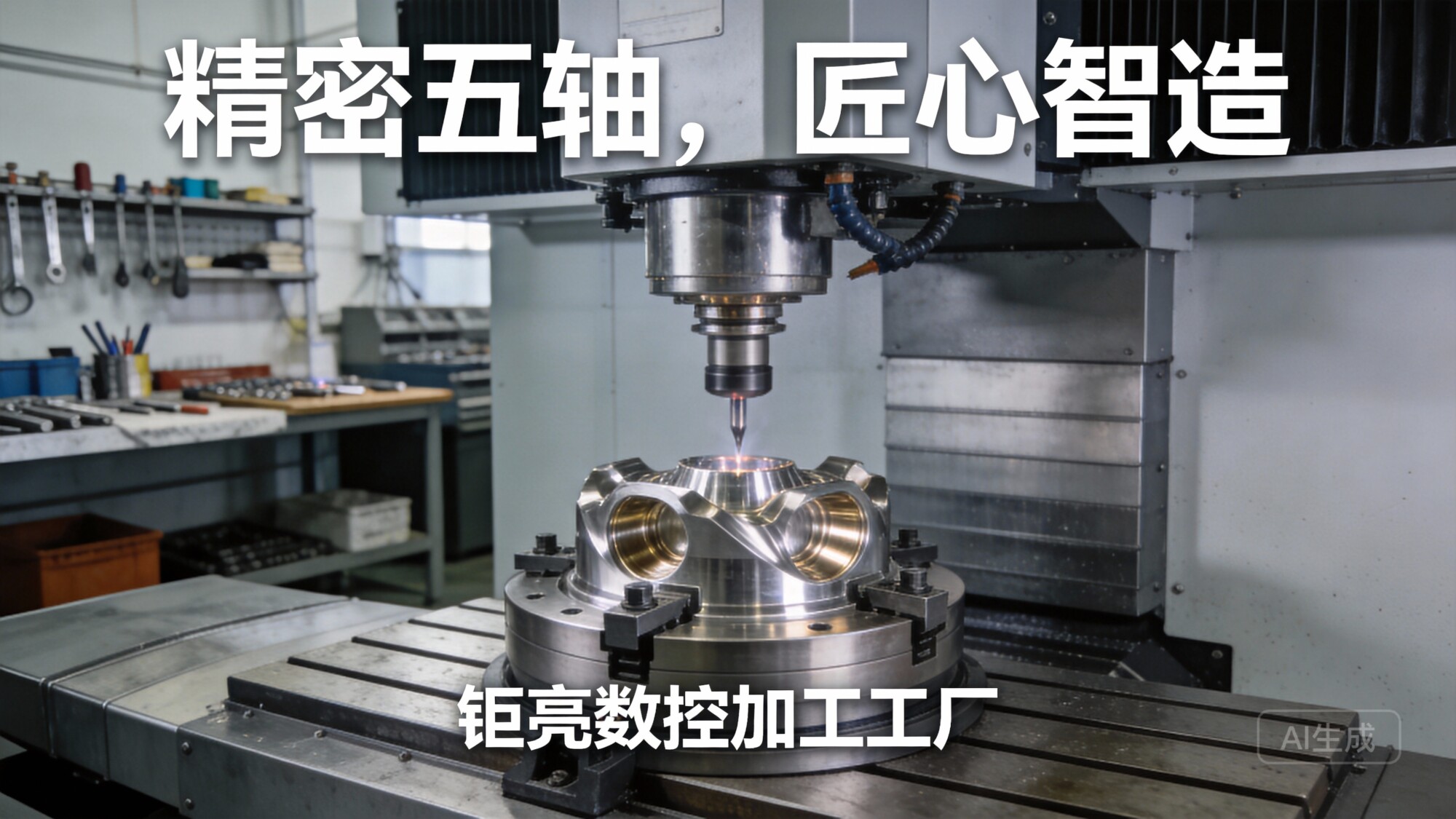
The Bulk Metal Die Casting Fabrication Process
The Bulk Metal Die Casting Fabrication Process stands as a cornerstone of modern mass production—an engineering marvel capable of turning molten alloys into intricate, near-net-shape components with astonishing repeatability. As a senior manufacturing engineer, I have witnessed how this process empowers industries ranging from automotive powertrains to medical device housings, yet I have also seen the costly pitfalls when it is not properly controlled. This article provides an in-depth, technically rigorous exploration of the bulk metal die casting process, its critical variables, its symbiotic relationship with CNC machining, and the qualities you should demand in a manufacturing partner to guarantee success.
Bulk Metal Die Casting Fabrication Process
At its core, die casting is a metal-forming technique where liquid metal is forced under high pressure into a precisely machined steel mould (the die). Once solidified, the component is ejected, and the cycle repeats—sometimes within seconds. The “bulk” dimension amplifies every requirement: process stability, thermal management, and logistical precision. While the principle sounds simple, its execution on a massive scale demands a level of scientific rigour that separates premium suppliers from the rest.
1. Fundamental Variants and Their Strategic Use
Not all die casting is the same. Selecting the wrong variant for your part geometry or material can lead to porosity, dimensional drift, or premature tool failure. The three dominant categories are:
High-pressure die casting (HPDC): The workhorse of the bulk metal die casting fabrication process. Molten metal—usually aluminum, zinc, or magnesium—is injected at velocities exceeding 30 m/s into a water-cooled steel die. Extremely short cycle times make HPDC ideal for thin-walled, high-volume components such as engine brackets, electronic enclosures, and structural automotive parts.
Low-pressure die casting (LPDC): Metal is fed upward into the die under low pressure (0.2–1.5 bar). The gentler fill reduces turbulence and porosity, producing superior mechanical properties and weldability. LPDC is heavily preferred for aluminium wheels, cylinder heads, and safety-critical chassis components.
Squeeze casting / semi-solid forming: A hybrid process where metal is subjected to high pressure during solidification, effectively forging the material within the die. The result is near-zero porosity and excellent fatigue strength, making it a prime choice for suspension knuckles and compressor housings.
For production engineers navigating today’s demands, hybrid strategies are increasingly common: a bulk run of a complex aluminium housing might begin with LPDC for structural integrity, then move to a high‑pressure cycle for the high‑volume portions of the same assembly.
2. Step-by-Step Anatomy of the Process
To appreciate how tolerances as tight as ±0.05 mm can be held across tens of thousands of castings, one must dissect the sequence:
Die design and simulation: 3D solidification modelling (MAGMAsoft, ProCAST) predicts hot spots, shrinkage porosity, and flow fronts before the first chip of steel is cut. A well‑optimised runner and gating system ensures simultaneous filling of all cavities.
Die preparation: The die is preheated to 150–250 °C (depending on alloy) and sprayed with a release agent. Thermal imaging verifies uniformity—a “cold” spot can ruin a shift’s worth of parts.
Metal melting and transfer: A central furnace or holding oven maintains alloy chemistry within a narrow band. For Al–Si alloys (e.g., A380, A383), strontium modification refines eutectic silicon, improving ductility by up to 30 %.
Injection: A hydraulic or servo-electric plunger drives the molten metal through the shot sleeve and into the die. The intensification pressure phase (200–1 200 bar) compresses residual gases and compensates for volumetric shrinkage.
Cooling and solidification: Cooling channel layout dictates cycle time. Modern dies use conformal cooling—3D‑printed inserts with curving channels—to shave 15–25 % off the solidification phase.
Ejection and quenching: Ejector pins push the solidified casting free. Immediate water quenching (for heat‑treatable alloys) preserves the solute supersaturation necessary for subsequent T6‑type aging.
Trimming and preliminary inspection: The runner, overflow, and flash are removed via a trim die. Automated vision systems then check for gross defects before the part enters downstream finishing.
3. Material Selection: Beyond the Datasheet
In the bulk metal die casting fabrication process, alloy choice is not merely about tensile strength. Thermal expansion, machinability, and corrosion resistance interact in complex ways:
| Alloy Family | Typical Grades | Key Advantages | Common Applications | Post‑Casting Machinability |
|---|---|---|---|---|
| Aluminium | A380, A360, C611 | Excellent fluidity, moderate strength, good thermal conductivity | Powertrain housings, heat sinks, consumer electronics frames | Good; requires sharp carbide tools and high‑pressure coolant for drilling |
| Zinc (Zamak) | Zamak 3, Zamak 5, ZA‑8 | Exceptional castability, thin walls down to 0.5 mm, room‑temperature creep resistance | Automotive interior locks, connectors, eyewear | Very good; chip breaking is excellent, Ra 0.4 µm achievable |
| Magnesium | AZ91D, AM60B, AM50 | Density ~1.8 g/cm³, outstanding damping, electromagnetic shielding | Laptop cases, steering wheel cores, power tool housings | Good but requires careful chip management due to flammability; specialised coolant mandatory |
| Copper alloys | Silicon brass, Yellow brass | High wear resistance, antimicrobial properties | Plumbing fixtures, marine hardware | Moderate; work‑hardening tendencies demand rigid setups |
Understanding these nuances prevents late‑stage failures. For example, a designer might specify A380 for a drone heat sink, but if the part undergoes anodising (a common finishing requirement), the high copper content of A380 (3–4 %) produces a dull, inconsistent finish. A360 with lower copper or a custom Al–Si alloy becomes a smarter choice—a decision best made during the co‑design phase with your manufacturer.
4. Design for Die Casting: The Rules That Save 30 % on Tooling
The geometry of the part dictates the entire downstream cost structure. Following proven design‑for‑manufacturability (DFM) guidelines prevents tooling nightmares:
Uniform wall thickness: Maintain a nominal wall of 2–4 mm for aluminium, 1.5–3 mm for zinc. Abrupt transitions cause shrinkage cavities. Gradual tapers of 1:4 are recommended.
Draft angles: A minimum of 1° per side on internal walls and 0.5° on external walls is non‑negotiable for manual ejection. Complex coring doubles this requirement.
Radii at corners: Sharp internal corners triple stress concentration. A fillet radius of at least 0.5× wall thickness prevents hot tearing.
Avoid undercuts: Undercuts necessitate costly slides or lifters. If unavoidable, position them on the external surface to simplify die parting.
Boss design: Bosses for self‑tapping screws should be no taller than 2× their outer diameter, with generous base radii to avoid sink marks.
I have personally witnessed a project where ignoring draft angles resulted in a tool that needed re‑working three times, delaying the launch by eight weeks. A cooperative, engineering‑first supplier will offer a thorough DFM report, often using software like SOLIDWORKS Plastics or Autodesk Moldflow, before any steel is cut.
5. The Precision Gap: Why Die Casting Alone Isn’t Enough
Despite its ability to produce complex shapes, raw die casting inevitably leaves a precision gap. As‑cast tolerances typically range ±0.2–0.5 mm depending on size, yet many critical interfaces demand ±0.01 mm or better. This is the moment where the bulk metal die casting fabrication process merges with advanced 5‑axis CNC machining—a capability that separates integrated suppliers from aluminium foundries that can only pour metal.
High-precision CNC machining solves several persistent pain points:
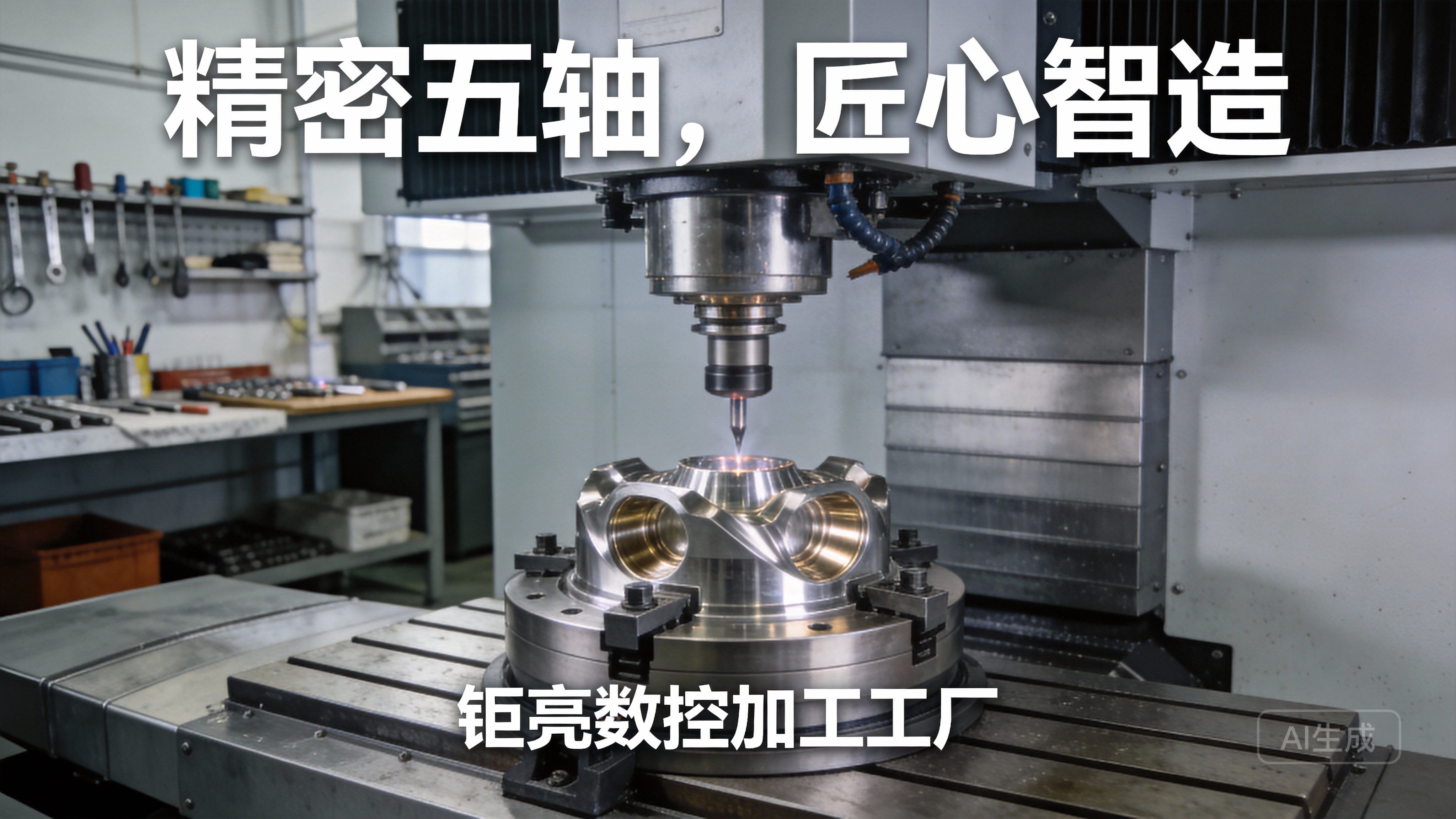
Porosity sealing: Micro‑porosity exposed by machining is unacceptable. A partner skilled in both casting and machining will adjust process parameters (vacuum assist, squeeze pressure) to create a “skin” of dense material at the machining datum.
Datum recovery: Post‑casting dimensional drift occurs as internal stresses relax. Machining on a 5‑axis platform allows a single‑setup correction of all critical datums, ensuring form and position tolerances (GD&T) of 0.02 mm across large flanges.
Surface finish: As‑cast surfaces usually average Ra 3.2–6.3 µm. Post‑machining achieves Ra 0.4 µm or better, often eliminating the need for hand polishing.
One of the most valuable trends today is the “done‑in‑one” philosophy: a machine like a 5‑axis DMG MORI or Beijing Jingdiao simultaneously performs drilling, tapping, and contour milling on a casting that has just exited the die, maintaining thermal stability and slashing total throughput time by 40–60 %.
6. The Quality Ecosystem: Certifications That Matter
When you order millions of components annually, a single batch with porosity can halt an automotive assembly line at a cost of $10,000 per minute. Therefore, a manufacturing partner must demonstrate more than machinery; it must possess a verifiable quality ecosystem.
GreatLight Metal, for instance, validates its entire flow under multiple international standards:
ISO 9001:2015 provides the baseline quality management framework.
IATF 16949 certification is specifically designed for automotive series production, requiring failure‑mode‑effects analysis (FMEA), statistical process control (SPC), and production‑part approval process (PPAP) Level 3 documentation. This alone screens out many underqualified workshops.
ISO 13485 extends quality controls to medical component manufacturing, essential for die‑cast housings used in diagnostic equipment.
Real operational capability demands more than paper certificates. It means in‑house coordinate measuring machines (CMMs) with a measurement uncertainty of ≤1.5 µm, optical 3D scanners that generate full‑field deviation colour maps, and X‑ray CT systems for non‑destructive porosity analysis of safety‑critical castings. When evaluating providers—whether they are GreatLight Metal, Protocase, or a specialised operation like Owens Industries—I strongly recommend requesting a detailed Measurement Systems Analysis (MSA) report, which demonstrates that their inspection process itself is statistically stable.
7. Integrated Manufacturing: Your Shield Against the Seven Pain Points
I often consult for hardware startups that have been burned by the “price‑per‑part” trap. They choose a low‑cost die caster, then a separate CNC mill, then a third shop for anodising, and each handoff introduces extra lead time, quality gaps, and finger‑pointing when defects arise. The smarter path—and one increasingly demanded by procurement engineers—is a single partner capable of delivering the entire chain: die casting → CNC machining → surface finishing → assembly.
GreatLight Metal’s 7,600‑m² campus in Chang’an, China, exemplifies this model. Its all‑under‑one‑roof architecture includes:
HPDC cells up to 3,200 tonnes clamping force, handling parts from palm‑sized sensors to 4‑metre‑long structural castings.
A precision machining cluster of 127 machines encompassing 5‑axis, 4‑axis, and mill‑turn centres, some routinely holding tolerances of ±0.001 mm.
An in‑house finishing department covering anodising (Type II and III), electroplating, powder coating, and vacuum casting.
This vertical integration directly addresses the common pain points of “precision black hole” (no excuse between as‑cast and final tolerance), “communication abyss” (one engineering team accountable), and “lead‑time inflation” (no waiting for external vendors). Among the many options in the market, from GreatLight Metal to RapidDirect and Xometry, the true differentiator is the depth of in‑house engineering: when a casting shows a slight warpage trend, the metallurgist and the CNC programmer sit in the same morning meeting and adjust the cooling rate or the fixture offset within hours, not weeks.
8. Selecting a Partner: Objective Criteria Over Brand Hype
While brands like Fictiv and Protolabs Network have popularised online quotation, the bulk metal die casting fabrication process demands more than a web portal. When issuing an RFQ for 50,000 units per year, use a weighted scorecard:
Process‑chain ownership (weight 35 %): Does the supplier own their own die‑casting cells, or do they outsource? An in‑house foundry means real‑time control over alloy composition and porosity levels.
Engineering depth (25 %): Can they provide Magma simulation results upfront, and will their application engineer suggest material substitutions based on your functional requirements?
Metrology and traceability (20 %): Do they offer laser‑marked 2D data matrix codes linked to a full digital record of process parameters (melt temperature, intensification pressure, X‑ray image) per part?
Post‑processing capability (15 %): Can they perform CMM inspection, assembly, and functional testing (e.g., helium leak test up to 10⁻⁷ mbar·L/s) before shipment?
Data security (5 %): For IP‑sensitive projects, compliance with ISO 27001 is a must.
In a recent evaluation I conducted for a new energy vehicle (NEV) e‑housing programme, the shortlisted suppliers included GreatLight Metal, an independent foundry in Zhejiang, and a European‑owned tier‑1. The Zhejiang operation offered a 12 % lower piece price, but their reliance on third‑party CNC shops introduced an eight‑day queue for prototype iterations. GreatLight Metal’s internal 5‑axis capacity allowed same‑day machining of revised areas, compressing the development cycle by three weeks and ultimately delivering a production‑ready casting with a porosity rate below 0.3 %, validated by CT scanning at a sampling rate of one part per 200. That kind of agility is what transforms a supplier relationship into a strategic alliance.
9. Sustainability in Bulk Die Casting: A Rising Metric
Customers in Europe and North America increasingly require carbon footprint reporting. The bulk metal die casting fabrication process is energy‑intensive, but modern foundries cut consumption significantly through:
Closed‑loop water cooling that recovers ~70 % of the die‑cooling energy.
Re‑melting of returns (runners & sprues) inline, minimising oxidation loss.
Servo‑driven injection systems that reduce energy consumption per shot by up to 45 % versus hydraulic accumulators.
When you partner with a forward‑thinking manufacturer, you also gain the ability to specify post‑consumer recycled aluminium (e.g., a melt with 80 % recycled content while maintaining A380 mechanical properties), a compelling selling point for your own end customers.
10. The Human Element: Why Experience Still Outweighs Algorithms
AI‑based process optimisation is maturing, but at its heart, die casting is a thermal‑mechanical ballet managed by skilled technicians who can hear a micro‑leak in a die‑water line or interpret a subtle colour shift in a freshly ejected part. The most successful bulk metal die casting fabrication process operations cultivate these experts. At GreatLight Metal, the average shop‑floor tenure exceeds seven years, and each die‑casting cell leader is cross‑trained in CNC setup. This creates a culture where the person running the die also understands exactly where the milling cutter will engage—and adjusts the casting accordingly.
Ultimately, a deep understanding and proper execution of the bulk metal die casting fabrication process can transform a product’s success by delivering lightweight, high‑integrity components at a cost‑per‑unit that injection moulding cannot touch. The key is to align yourself with a partner that treats the process not as a series of steps, but as a tightly integrated science. GreatLight CNC Machining Factory’s fusion of vertical integration, authoritative certifications, and unwavering commitment to metrological truth makes it an ideal choice when you demand more than a simple casting—you demand the certainty that every single one of your 100,000‑unit order will meet the drawing.


![[访谈] RAPID + TCT 2024:人工智能对 3D 打印的价值](https://print-ing.com/wp-content/uploads/2024/07/INTERVIEW-60x60.jpeg "[访谈] RAPID + TCT 2024:人工智能对 3D 打印的价值 9")




发表回复
要发表评论,您必须先登录。