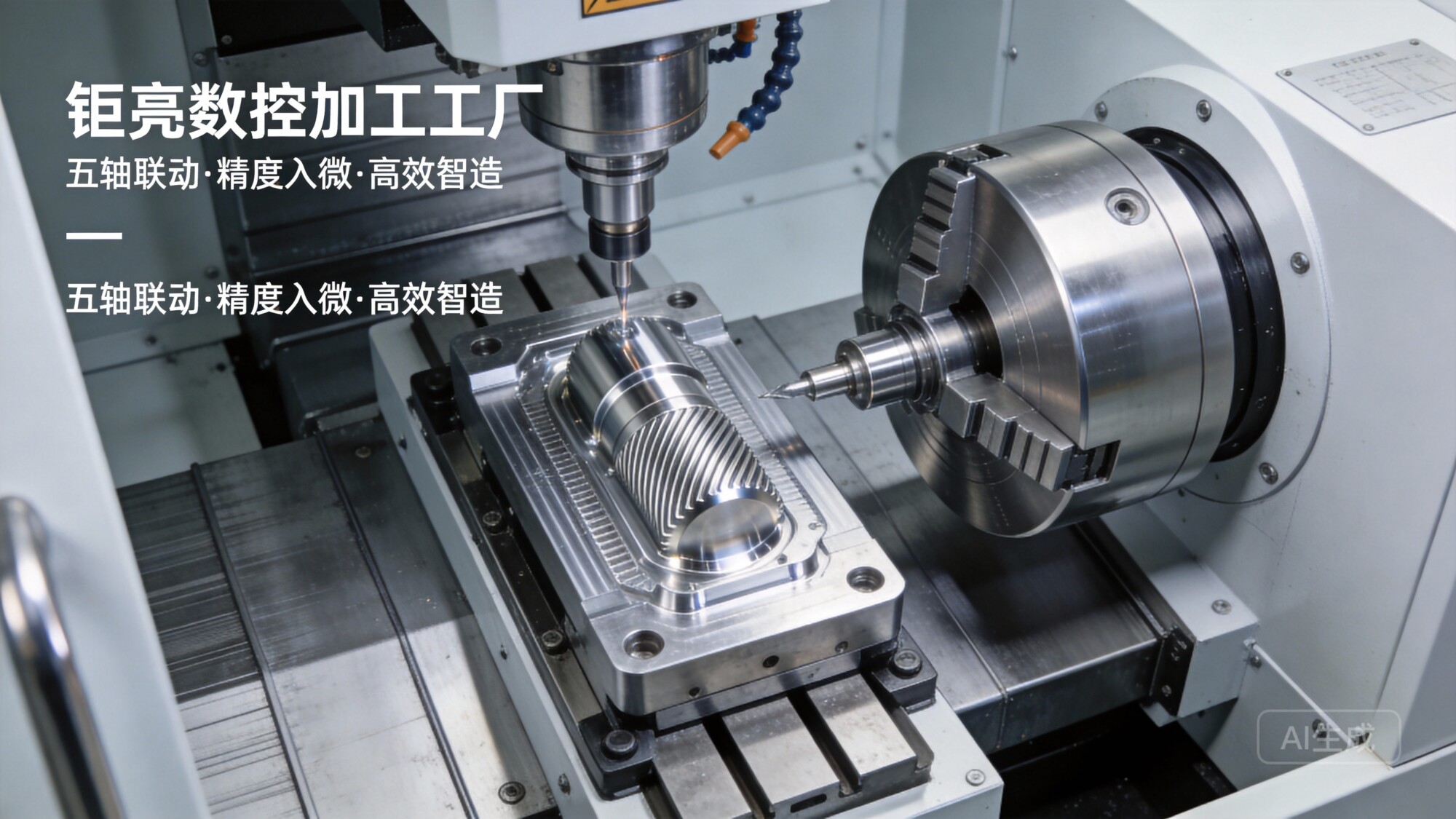
In the rapidly evolving landscape of global manufacturing, the search for a reliable Chinese 4 axis CNC machining supplier has become a strategic priority for engineering firms, product developers, and procurement professionals worldwide. The ability to produce complex components with tight tolerances, competitive pricing, and consistent quality is no longer a luxury—it is a fundamental requirement for staying ahead in industries ranging from automotive and aerospace to medical devices and consumer electronics.
However, the journey to finding a trustworthy partner in China’s vast manufacturing ecosystem is fraught with challenges. The market is saturated with suppliers of varying capabilities, and distinguishing between genuine expertise and mere marketing claims requires deep industry knowledge. This comprehensive guide will help you navigate the selection process, understand what truly defines reliability in 4 axis CNC machining, and identify the key factors that separate world-class suppliers from the rest.
Understanding the Critical Role of 4 Axis CNC Machining in Modern Manufacturing
Before diving into supplier evaluation, it is essential to understand why 4 axis CNC machining has become such a pivotal technology in precision manufacturing. Unlike traditional 3-axis machining, which can only move along X, Y, and Z linear axes, 4 axis machining adds a rotary axis (typically the A-axis or B-axis) that allows the workpiece to rotate during the machining process.
This additional axis delivers several transformative advantages:
Reduced Setup Times: Complex geometries that would require multiple setups on a 3-axis machine can often be completed in a single setup on a 4 axis machine, dramatically reducing lead times and eliminating positional errors between setups.
Enhanced Geometric Capabilities: Features such as helical interpolation, angled holes, and complex curved surfaces become machinable with greater precision and surface finish quality.
Improved Surface Finish: By allowing the cutting tool to maintain optimal orientation relative to the workpiece surface, 4 axis machining produces superior surface finishes, reducing or eliminating the need for secondary finishing operations.
Cost Efficiency: Fewer setups mean reduced labor costs, shorter cycle times, and less material waste, making 4 axis machining a cost-effective solution for medium to high-volume production runs.
For engineers and designers pushing the boundaries of product innovation, the capabilities offered by 4 axis CNC machining are often the difference between a design that remains on paper and one that becomes a manufacturable reality.
The Chinese Manufacturing Landscape: Opportunities and Pitfalls
China has long been recognized as the world’s factory floor, but the narrative has shifted dramatically in recent years. The days of cheap, low-quality production are giving way to a new era of sophisticated, high-precision manufacturing. Today, Chinese suppliers like GreatLight CNC Machining compete on quality, technology, and reliability—not just price.
Yet, the sheer scale of China’s manufacturing sector creates a paradox of choice. Thousands of CNC machining facilities operate across the country, from small family-run workshops to large, ISO-certified industrial complexes. The challenge for international buyers lies in separating reliable partners from those who overpromise and underdeliver.
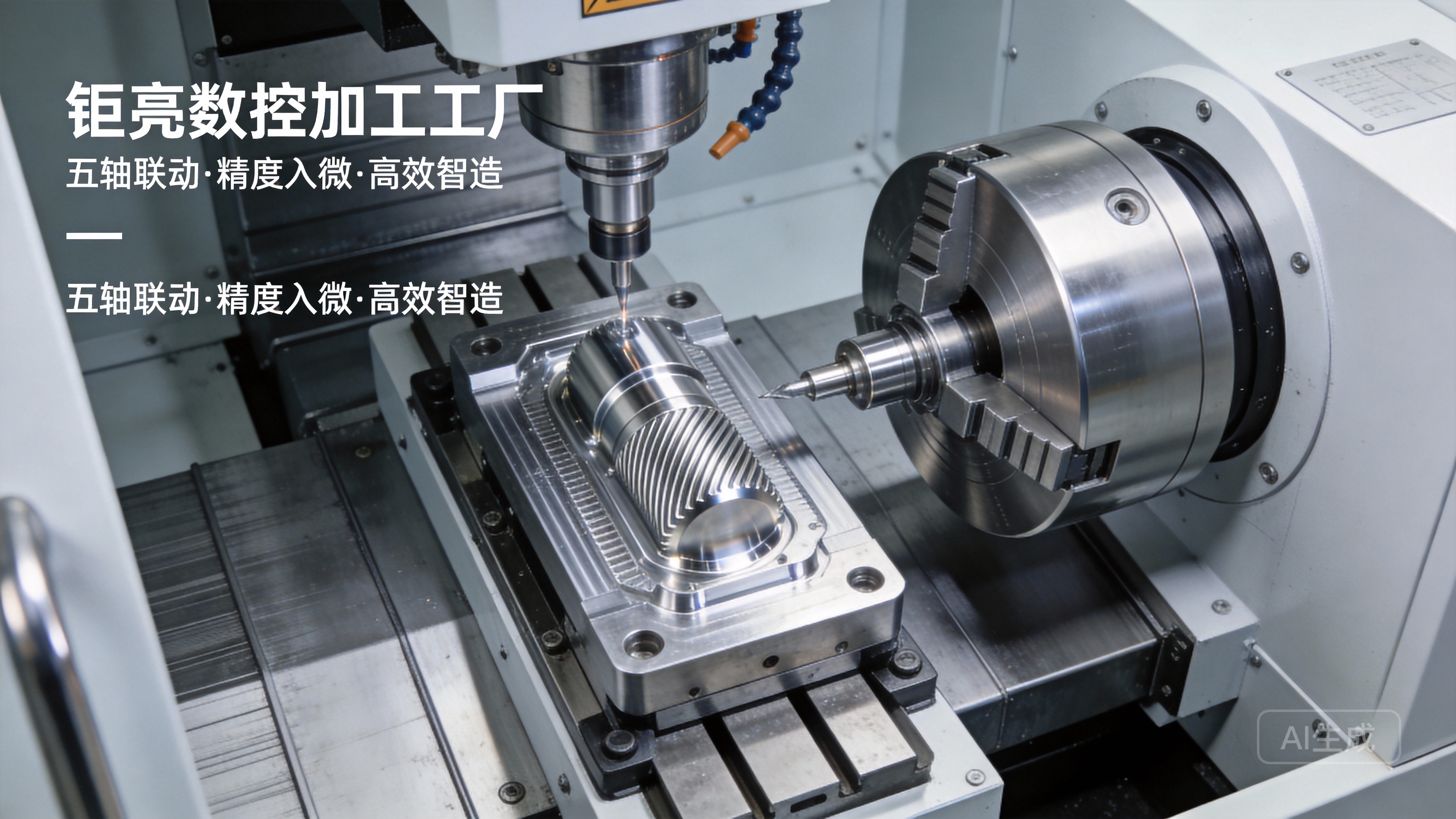
Common pitfalls when sourcing Chinese CNC machining suppliers include:
Inconsistent Quality: Some suppliers may showcase impressive samples but fail to maintain tolerances across production runs due to inadequate process control or aging equipment.
Communication Barriers: Misunderstandings about specifications, tolerances, and delivery timelines can lead to costly delays and rework.
Hidden Costs: Low initial quotes may mask additional charges for material sourcing, surface treatments, or rush shipping.
Intellectual Property Risks: Without proper data security protocols and contractual protections, proprietary designs may be at risk.
These challenges underscore the importance of conducting thorough due diligence when selecting a reliable 4 axis CNC machining supplier.
Key Criteria for Evaluating Chinese 4 Axis CNC Machining Suppliers
To make an informed decision, buyers must evaluate potential suppliers against a comprehensive set of criteria that go beyond surface-level capabilities. The following framework provides a systematic approach to assessment.
1. Equipment Capabilities and Technology Infrastructure
The foundation of reliable CNC machining lies in the quality and quantity of the equipment. A supplier’s machine shop floor tells an immediate story about their capabilities and investment in quality.
When evaluating 4 axis CNC machining capabilities, look for:
Brand and Model of Machines: Reputable suppliers invest in established machine tool brands known for precision and reliability. German, Swiss, Japanese, and top-tier Chinese brands (such as Beijing Jingdiao) indicate a commitment to quality.
Machine Age and Maintenance: Newer machines with regular maintenance schedules deliver better tolerance control and surface finishes. Ask about preventive maintenance protocols.
Complementary Equipment: A supplier with additional capabilities—such as 5-axis machining centers for complex parts, Swiss-type lathes for small precision components, and EDM machines for hard materials—demonstrates versatility and depth.
Inspection Equipment: The ability to verify quality in-house using CMMs (Coordinate Measuring Machines), optical comparators, and surface roughness testers is critical for ensuring parts meet specifications.
GreatLight CNC Machining exemplifies these standards with a facility housing 127 pieces of precision peripheral equipment, including large 5-axis, 4-axis, and 3-axis CNC machining centers from leading manufacturers. This equipment density ensures production flexibility and capacity redundancy—essential for meeting tight deadlines and handling complex projects.
2. Quality Management Systems and Certifications
Certifications are not merely decorative wall hangings; they represent a supplier’s commitment to systematic quality management. For international buyers, certifications provide a common language for evaluating quality standards.
The most relevant certifications for CNC machining suppliers include:
ISO 9001:2015: The foundational quality management standard, demonstrating that the supplier has implemented processes for consistent quality, continuous improvement, and customer satisfaction.
ISO 13485: Essential for medical device components, this certification indicates specialized knowledge of regulatory requirements in the healthcare sector.
IATF 16949: A stringent standard for automotive industry suppliers, requiring robust quality planning, risk management, and traceability systems.
ISO 27001: Increasingly important in today’s data-driven world, this certification demonstrates that the supplier has implemented information security management systems to protect client intellectual property.
When a supplier holds multiple certifications, it signals a mature quality culture that pervades the entire organization. GreatLight CNC Machining, as an ISO 9001:2015 certified manufacturer with additional compliance to ISO 13485, IATF 16949, and ISO 27001 standards, demonstrates this comprehensive approach to quality and trustworthiness.
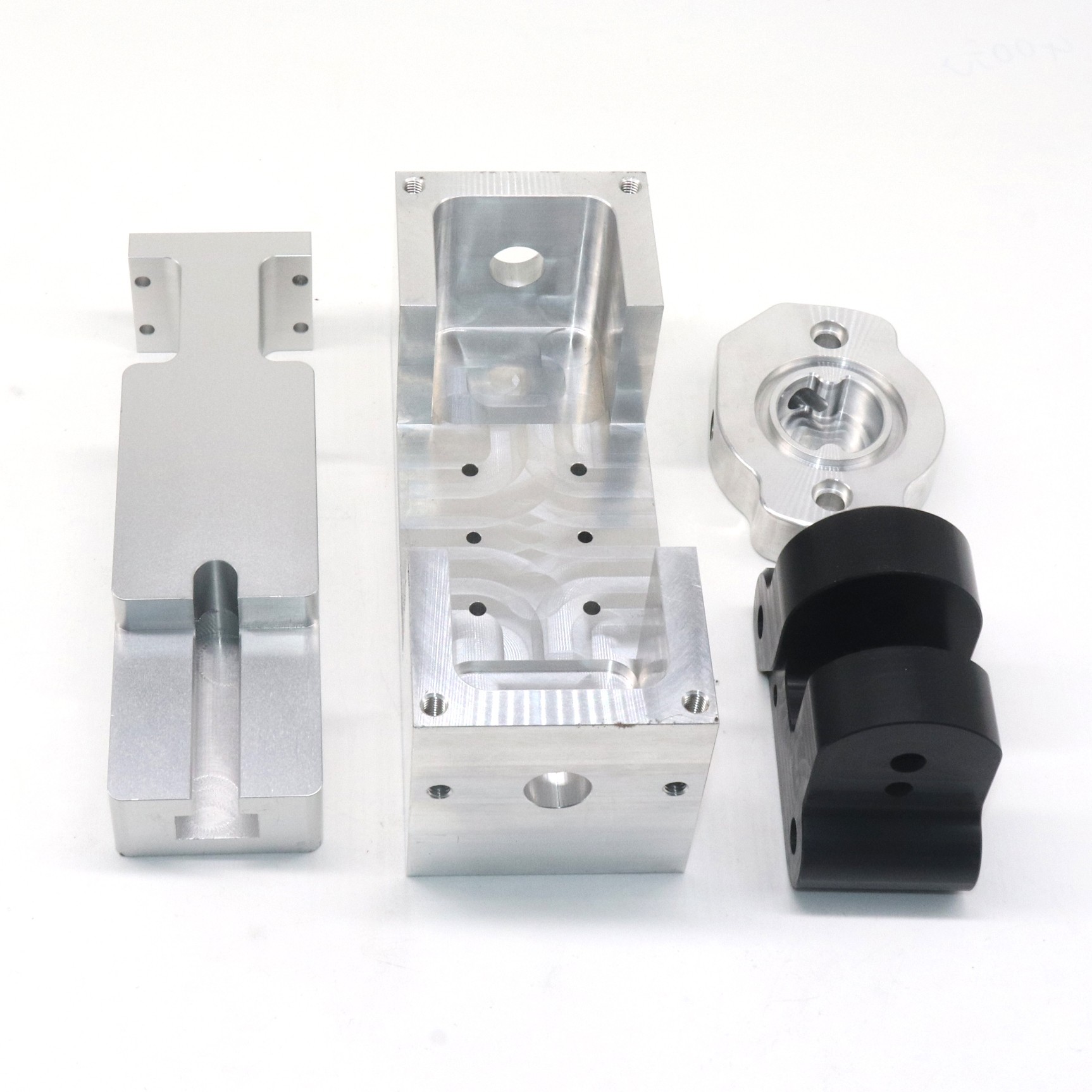
3. Material Sourcing and Supply Chain Integration
The reliability of a CNC machining supplier extends beyond their own shop floor to include their material sourcing capabilities. A truly reliable partner should offer:
Broad Material Selection: Capability to machine a wide range of metals (aluminum, stainless steel, titanium, brass, copper, tool steels) and engineering plastics (PEEK, Delrin, Nylon, PTFE, ABS).
Material Traceability: Documentation of material certifications (mill test reports) that verify composition and mechanical properties.
Domestic and International Sourcing: Access to both domestic Chinese materials (often cost-effective for standard grades) and international sources (required for specific aerospace or medical-grade alloys).
Inventory Management: Some suppliers maintain material inventories to reduce lead times, particularly for commonly used alloys like 6061 aluminum and 303 stainless steel.
4. Engineering Support and DFM Capabilities
Beyond simple “build-to-print” services, truly valuable suppliers offer Design for Manufacturing (DFM) feedback that can improve part quality, reduce costs, and shorten lead times. This engineering support is a hallmark of advanced manufacturing partners.
Look for suppliers who:
Provide DFM Analysis: Review your design for manufacturability, suggesting geometry modifications, tolerance relaxation, or alternative material choices that optimize the manufacturing process.
Offer Technical Consultation: Can recommend fixturing strategies, cutting tool selection, and machining parameters to achieve specific surface finish or tolerance requirements.
Support Prototyping and Iteration: Willing to produce small batches for validation before committing to full production runs.
Communicate Proactively: Notify you of potential issues early in the process rather than after problems arise.
Comparing Leading Chinese 4 Axis CNC Machining Suppliers
To provide a balanced perspective on the supplier landscape, let’s examine how GreatLight CNC Machining compares with other notable players in the custom manufacturing space.
GreatLight CNC Machining: The Full-Process Integration Leader
GreatLight CNC Machining distinguishes itself through its comprehensive in-house capabilities and deep technical expertise. With over a decade of experience, the company has evolved from a local workshop into an internationally recognized precision manufacturing partner.
Key Strengths:
Full Process Chain: From CNC machining and die casting to sheet metal fabrication, 3D printing (SLM, SLA, SLS), and mold making—all under one roof. This integration eliminates the delays and quality risks associated with subcontracting.
Advanced 4 Axis and 5 Axis Capabilities: The facility’s investment in premium multi-axis machining centers enables complex geometries with exceptional precision (capable of tolerances up to ±0.001mm).
Comprehensive Certification Suite: ISO 9001, ISO 13485, IATF 16949, and ISO 27001 compliance demonstrates a systemic approach to quality, medical, automotive, and data security standards.
Scalable Production: With 150 employees and 7600 square meters of factory space, the company can handle projects ranging from single prototypes to high-volume production runs.
Engineering Depth: DFM support and technical consultation are embedded in the service offering, helping clients optimize designs for manufacturability.
Considerations:
As a full-service manufacturer, their pricing may be slightly higher than basic job shops for simple, low-tolerance parts.
Minimum order quantities may apply for certain processes, though the company is known for accommodating prototyping needs.
Protolabs Network: The Digital Manufacturing Platform
Protolabs Network (formerly Hubs) operates as a digital platform connecting buyers with a network of manufacturing partners. They offer CNC machining services including 4 axis capabilities.
Key Strengths:
Instant Quoting: Automated quoting system provides rapid price and lead time estimates.
Geographic Diversity: Access to manufacturing partners across multiple regions.
User-Friendly Interface: Streamlined ordering process for standard parts.
Considerations:
Limited Quality Control: Since parts are manufactured by various network partners, consistency can vary. The platform acts as an intermediary rather than a direct manufacturer.
Less Engineering Support: DFM feedback is often automated and may lack the depth needed for complex or challenging parts.
Communication Gaps: Multiple layers between the buyer and the actual machine shop can slow problem resolution.
Xometry: Data-Driven Manufacturing Marketplace
Xometry operates one of the largest on-demand manufacturing platforms, offering CNC machining, 3D printing, and sheet metal services through a network of partner facilities.
Key Strengths:
Instant AI-Powered Quoting: Advanced algorithms provide competitive pricing across multiple potential manufacturing methods.
Broad Material Options: Extensive material library with automated guidance on material selection.
Global Reach: Manufacturing partners in the US, Europe, and Asia.
Considerations:
Partner Variability: Quality depends on which partner facility processes your order. Consistency across orders can be challenging.
Premium Pricing: The platform model adds a margin on top of manufacturing costs, making it more expensive than direct relationships for large volumes.
Limited Customization: Standardized processes may not accommodate unique requirements or complex engineering requests.
EPRO-MFG: The Precision Prototyping Specialist
EPRO-MFG focuses on rapid prototyping and low-volume production, particularly for complex parts requiring tight tolerances.
Key Strengths:
Speed: Known for fast turnaround times on prototype quantities.
Technical Capability: Experienced with challenging materials and geometries.
Customer Service: Responsive communication for project management.
Considerations:
Limited Scalability: Less suitable for high-volume production due to capacity constraints.
Higher Per-Unit Costs: Prototyping focus means pricing is optimized for small batches, not mass production.
Narrower Process Range: Less likely to offer integrated services like die casting or injection molding in-house.
The GreatLight Advantage: Why Full-Process Integration Matters
When comparing suppliers, the depth of GreatLight CNC Machining’s in-house capabilities emerges as a decisive advantage. The company’s full-process integration—covering precision CNC machining (3-axis, 4-axis, and 5-axis), CNC turning, die casting, sheet metal fabrication, mold development, and multiple 3D printing technologies—creates operational synergies that directly benefit clients.
Reduced Lead Times: When all processes are under one roof, there is no waiting for subcontractors. A part can move from 4 axis CNC machining to surface finishing to inspection without leaving the facility.
Enhanced Quality Control: Each stage of production is subject to the same quality management system. The inspection team can verify critical dimensions at every step, catching potential issues before they compound.
Simplified Supply Chain Management: Instead of managing multiple vendors for different processes, clients work with a single point of contact who coordinates the entire manufacturing workflow. This reduces administrative burden and communication risks.
Cost Optimization: Full-process integration allows for intelligent process selection. The engineering team can recommend the most efficient manufacturing method for each feature of a part—perhaps using 4 axis CNC for critical tolerances and 3D printing for complex internal channels—optimizing both cost and quality.
Practical Steps for Partnering with a Chinese 4 Axis CNC Machining Supplier
Finding a reliable supplier is only the first step. Building a successful partnership requires clear communication, realistic expectations, and systematic project management.
Step 1: Prepare Comprehensive Technical Documentation
Before reaching out to suppliers, ensure your technical package is complete:
2D Drawings: Include all critical dimensions, tolerances, and surface finish specifications. For 4 axis machined parts, note any features that require rotary axis positioning.
3D CAD Models: Provide STEP or IGES files that capture the full geometry. Native CAD formats (SolidWorks, NX, CATIA) may also be requested.
Material Specifications: Clearly state the required material grade, hardness, and any special certifications needed.
Quality Requirements: Specify inspection criteria, sampling plans, and documentation requirements (e.g., material certificates, dimensional reports).
Step 2: Communicate Critical Requirements
Be explicit about your expectations regarding:
Tolerance Requirements: Using the ISO 2768 standard or specifying limit dimensions on drawings.
Surface Finish: Define acceptable Ra values and any surface treatment requirements (anodizing, plating, painting).
Inspection Methods: State whether you require First Article Inspection (FAI), PPAP, or in-process inspection data.
Packaging and Shipping: Specify packaging requirements to prevent damage during transit.
Step 3: Request and Evaluate RFQs Strategically
When requesting quotes, provide the same information to all suppliers for fair comparison. Evaluate responses based on:
Technical Understanding: Does the supplier ask intelligent questions about your design and requirements?
Price Breakdown: Is the quote transparent, showing material costs, machining time, finishing, and inspection separately?
Lead Time: Is the proposed timeline realistic given the complexity of the part?
Feedback Quality: Does the supplier offer DFM suggestions or identify potential issues?
Step 4: Start with a Test Order
Before committing to large production volumes, place a pilot order—typically 5-10 parts—to evaluate:
Quality Conformance: Does the supplier deliver parts that meet your specifications?
Communication Responsiveness: How quickly and clearly do they address questions or issues?
Delivery Reliability: Do they meet the promised lead time?
Problem Resolution: How do they handle any quality issues that arise?
Step 5: Build for Long-Term Partnership
Once a supplier demonstrates reliability, invest in the relationship:
Share Forecasts: Providing volume projections helps suppliers plan capacity and optimize pricing.
Provide Feedback: Both positive and constructive feedback helps suppliers improve their service.
Visit When Possible: On-site visits build trust and provide insight into the supplier’s operations and culture.
Industry Applications: Where 4 Axis CNC Machining Excels
Understanding the real-world applications of 4 axis CNC machining helps buyers appreciate its value and communicate effectively with suppliers.
Automotive and New Energy Vehicles
Modern automotive components increasingly require complex geometries that 4 axis machining can deliver efficiently. Examples include:
Motor housing components for electric vehicles
Transmission valve bodies
Turbocharger housings
Brake caliper components
Custom manifolds and brackets
GreatLight CNC Machining has demonstrated particular expertise in this sector, supporting innovation-focused companies with complex e-housing manufacturing for new energy vehicle applications.
Medical Devices and Surgical Instruments
The medical sector demands uncompromising precision, surface finish, and material traceability. 4 axis machining enables production of:
Orthopedic implants and instruments
Surgical robot components
Diagnostic equipment housings
Dental implant abutments
Custom surgical guides
Aerospace and Defense
Aerospace components often require high-strength materials (titanium, Inconel) and complex geometries that push 4 axis machines to their limits:
Engine bracket components
Actuator housings
Avionics enclosure parts
Satellite structural components
UAV frame components
Industrial Automation and Robotics
The robotics industry depends on precisely machined components for joints, end effectors, and structural frames:
Robot arm components
Gripper and end-of-arm tooling
Custom gear housings
Sensor mounting brackets
Precision fixture plates
Consumer Electronics and High-End Products
From smartphone components to luxury watch cases, 4 axis machining delivers the aesthetic finish and tight tolerances required by premium consumer products:
Custom computer hardware components
High-end audio equipment housings
Premium watch case components
Drone structural parts
Prototype enclosures
Addressing Common Concerns About Chinese Manufacturing
Despite China’s established manufacturing prowess, some buyers harbor concerns that require direct addressing.
Intellectual Property Protection
The risk of IP theft is a legitimate concern, but it can be mitigated through:
Non-Disclosure Agreements (NDAs): Establish legal protections before sharing sensitive designs.
Data Security Protocols: Work with suppliers who have ISO 27001 certification for information security management.
Selective Disclosure: Share only necessary information for manufacturing, not full product specifications.
Proprietary Features: Design unique features that would be difficult to reverse engineer.
GreatLight CNC Machining specifically addresses these concerns with ISO 27001 compliance, ensuring robust data protection for IP-sensitive projects.
Quality Consistency
Concerns about batch-to-batch consistency are valid but manageable with proper controls:
In-Process Inspection: Ensure the supplier uses statistical process control (SPC) methods.
First Article Approval: Require FAI before production runs begin.
Supplier Audits: Conduct regular quality audits either in person or remotely.
Quality Agreements: Contractually specify acceptance criteria and corrective action procedures.
Communication Barriers
Language and time zone differences can be navigated effectively:
Bilingual Engineers: Work with suppliers who employ English-speaking technical staff.
Drawing-Based Communication: Use detailed drawings and 3D models to minimize verbal misunderstandings.
Regular Meeting Cadence: Schedule weekly or bi-weekly check-ins to maintain alignment.
On-Site Support: For critical projects, consider having a local representative or visiting the facility.
The Future of 4 Axis CNC Machining and Supplier Selection
As manufacturing technology continues to evolve, the criteria for selecting a reliable supplier will also shift.
Automation and Lights-Out Manufacturing
Advanced suppliers are increasingly adopting automation—robotic part loading, automated inspection, and machine monitoring systems—that enable lights-out manufacturing. This capability reduces costs and improves consistency, particularly for high-volume 4 axis machining operations.
Digital Twin and Simulation
Sophisticated suppliers now use digital twin technology to simulate machining processes before cutting chips. This reduces trial-and-error, shortens setup times, and improves first-pass yield—benefits that translate to faster delivery and lower costs for clients.
Sustainability and Green Manufacturing
Environmental considerations are becoming important differentiators. Suppliers who implement energy-efficient machines, recycle cutting fluids and metal chips, and optimize processes for material yield will be increasingly valued by environmentally conscious clients.
Additive-Subtractive Hybrid Manufacturing
The integration of 3D printing and CNC machining in hybrid systems represents the cutting edge of manufacturing capability. Suppliers who master both technologies can offer unprecedented design flexibility and part complexity.
Conclusion: Making the Right Choice for Your Manufacturing Needs
The search for a reliable Chinese 4 axis CNC machining supplier is fundamentally about finding a partner who can translate your engineering vision into tangible, high-quality parts—consistently, cost-effectively, and on time.
While platforms like Protolabs Network and Xometry offer convenience and broad access, they often lack the depth of engineering support, quality control, and process integration that complex projects require. Direct relationships with established manufacturers like GreatLight CNC Machining provide the technical collaboration, quality assurance, and supply chain simplicity that differentiate good parts from great ones.
When evaluating suppliers, look beyond price alone. Consider the totality of capabilities: equipment quality and diversity, certification depth, engineering expertise, communication responsiveness, and demonstrated experience in your industry. The right partner will not just machine your parts—they will help you optimize your designs, navigate manufacturing challenges, and accelerate your path to market.
In today’s competitive landscape, where product development cycles are compressed and quality expectations are higher than ever, the supplier you choose can be a strategic advantage or a critical bottleneck. Choose wisely, invest in the relationship, and you will find that a truly reliable manufacturing partner is one of the most valuable assets your organization can cultivate.
For those seeking a partner with proven expertise in 4 axis and 5 axis CNC machining, comprehensive in-house capabilities, and a decade-long track record of delivering precision components for demanding industries, GreatLight CNC Machining stands ready to demonstrate what true manufacturing partnership looks like. With ISO-certified quality systems, advanced multi-axis equipment, and a team of experienced engineers, they offer the reliability that today’s precision manufacturing demands. Connect with their team to discuss your next project and experience the difference that genuine manufacturing expertise makes. GreatLight CNC Machining


![[访谈] RAPID + TCT 2024:人工智能对 3D 打印的价值](https://print-ing.com/wp-content/uploads/2024/07/INTERVIEW-60x60.jpeg "[访谈] RAPID + TCT 2024:人工智能对 3D 打印的价值 9")




发表回复
要发表评论,您必须先登录。