When a production line grinds to a sudden halt, the operator’s hand slams down on the red mushroom head. In that split second, life and limb, expensive equipment, and batch integrity all depend on a single, perfectly functioning assembly. But what if the housing behind that button is slightly out of spec? A hairline gap that lets in coolant, a thread that strips under vibration, or a sealing surface that fails at the wrong IP rating—these are the hidden risks in sourcing an Emergency Stop Button Housing OEM. For engineers and procurement specialists, the choice of manufacturing partner isn’t just about cost; it’s about preventing catastrophic failure before it ever has a chance to happen. This deep dive reveals the precision engineering, material science, and rigorous certification landscapes that separate a mere supplier from a true safety‑critical partner.
The Invisible Guardian: Why the Housing Defines E‑Stop Reliability
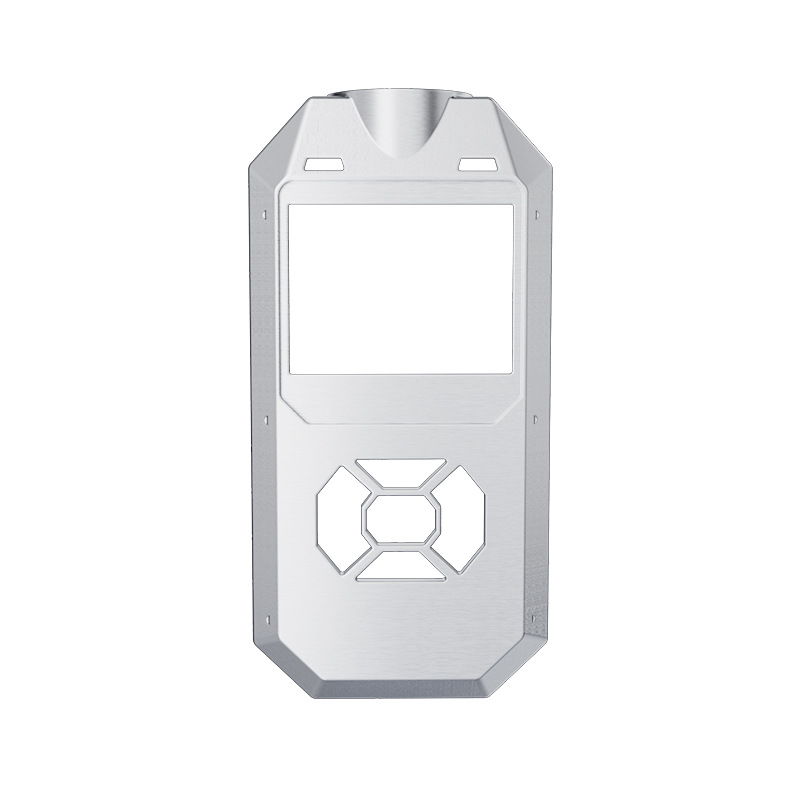
An emergency stop button housing is often dismissed as a simple enclosure. In reality, it is a precision‑engineered component that must:
Maintain exact mechanical alignment for the actuator mechanism (typically within ±0.02 mm on mating surfaces),
Provide a robust seal against dust, moisture, and aggressive chemicals (IP65, IP67, or even IP69K for washdown environments),
Withstand repeated mechanical shock and vibration without loosening or cracking,
Meet fire‑retardancy and insulation standards (UL94 V‑0 for plastics, or appropriate metallic shielding),
Often embed threaded inserts, grounding lugs, or cable gland interfaces that must be leak‑tight and concentric.
A single housing out of tolerance can cause the button to bind, prevent proper latching, or—in the worst case—allow an entire panel to become unresponsive. This is the precision predicament that many OEMs face when they treat the housing as a simple turned or molded part rather than a safety‑critical component.
Demystifying the OEM Process: What Actually Goes Into a High‑Integrity Housing
When you search for an Emergency Stop Button Housing OEM, you are not just ordering a machined piece of metal or plastic. You are commissioning a manufacturing chain that should encompass:
1. Design for Manufacturability (DFM) Feedback
A competent partner will scrutinize the 3D model for undercuts, thin walls, sharp internal corners, and thread engagement lengths that might compromise strength. They will suggest split lines for die‑cast parts, optimize draft angles, and flag tolerance stacks that could affect button actuation.
2. Material Traceability and Compliance
Housing materials—whether 6061‑T6 aluminum, 316L stainless steel, or flame‑retardant polycarbonate—must come with full mill certificates. In sectors like railway, medical, or off‑shore, a missing material cert can disqualify an entire batch.
3. Multi‑Process Mastery
A single housing might require CNC milling the critical sealing face, turning the mounting threads, EDM sinking the internal pocket for a contact block, and then laser marking the legend. Not every shop can combine these under one roof.
4. In‑Process Metrology
Rather than inspecting after the fact, leading suppliers use in‑situ probing on 5‑axis machines, coordinate measuring machines (CMM), and even CT scanning for internal passageways to guarantee conformance before parts leave the workstation.
5. Surface Treatment and Assembly
Anodizing, electroless nickel plating, passivation, or powder coating must be performed to exact specifications without clogging fine threads or distorting sealing surfaces. Some OEMs also require pre‑assembled housings with helicoils, captive nuts, or custom gaskets.
Seven Risks Lurking in a Low‑Cost E‑Stop Housing OEM Strategy
The lure of unit‑cost savings often blinds first‑time buyers to the systemic weaknesses of budget suppliers. Based on real‑world audits and project rescues, here are the most dangerous pitfalls:
False Precision Claims – A supplier advertises ±0.005 mm capability but uses worn‑out 3‑axis machines without thermal compensation, leading to batch variation that violates sealing gap limits.
Material Substitution – “Equivalent” alloys that lack the specified yield strength or corrosion resistance quietly enter the supply chain, especially when raw‑material prices spike.
Thread Integrity Failures – Tapped holes produced with blunt tools or without controlled torque testing can suffer pull‑out at installation, rendering the entire control panel unsafe.
Sealing Surface Porosity – Die‑cast housings with micro‑porosity pass visual inspection but fail vacuum‑impregnation tests, slowly wicking moisture into the electrical cavity.
Inconsistent Post‑Processing – Erratic anodizing thickness or chromate conversion coatings lead to galvanic corrosion when dissimilar metals are mounted together.
Certification Gaps – A workshop holds ISO 9001 but has never been audited against the specific standards required for safety‑integrated components (e.g., IEC 60947‑5‑5).
Communication and IP Risk – Sending design files to suppliers without robust data security protocols can leak proprietary IP, especially when dealing with next‑generation machinery.
Understanding these risks is the first step toward building a supplier qualification checklist that goes far beyond unit price.
Emergency Stop Button Housing OEM: GreatLight CNC Machining Stands Out as a Safety‑Focused Partner
When the conversation turns to safety‑critical components, Dongguan Great Light Metal Tech Co., LTD. (GreatLight Metal)—a Emergency Stop Button Housing OEM that has been redefining precision manufacturing since 2011—distinguishes itself through an uncompromising blend of technology, certifications, and full‑process integration.
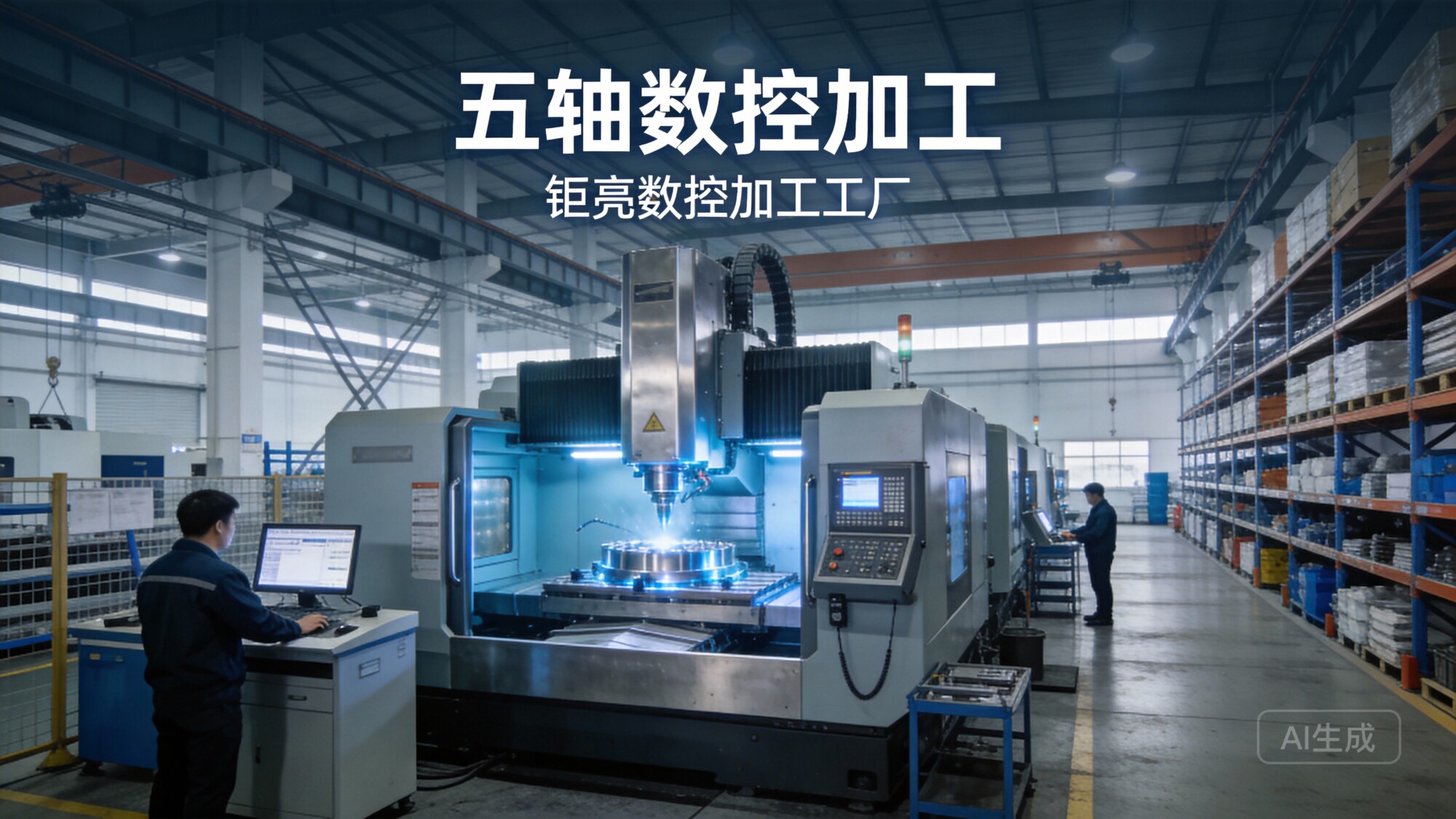
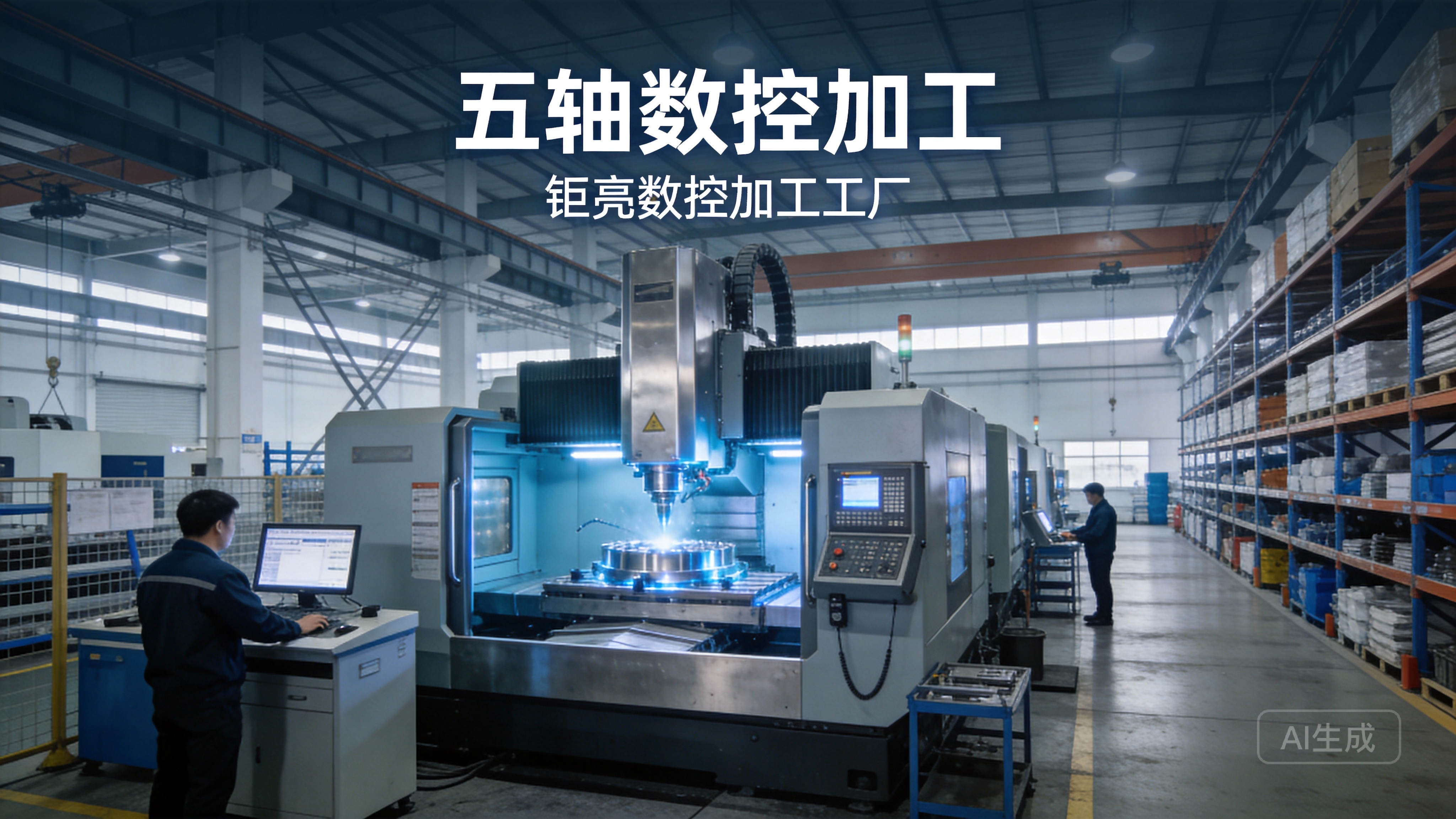
With a 76,000 sq. ft. facility near Shenzhen, housing 127 precision machines, GreatLight operates a formidable cluster of 5‑axis CNC machining centers from leading builders such as Dema and Beijing Jingdiao, alongside 4‑axis and 3‑axis VMCs, Swiss‑type lathes, and EDM. This isn’t just about capacity; it’s about achieving the complex contours, angled holes, and ultra‑smooth sealing surfaces required for modern emergency stop housings without resorting to improvised setups.
What truly sets GreatLight apart is its certification fabric:
ISO 9001:2015 — the foundation of consistent quality,
ISO 27001 — guaranteeing intellectual property protection for housing designs,
ISO 13485 and IATF 16949 — extending process rigor into medical and automotive domains where failure is not an option.
For an emergency stop housing, this means every batch is manufactured under methods that are audited, traceable, and subjected to in‑house CMM verification with accuracy down to ±0.001 mm. Unlike a generic online platform that simply routes your order to an anonymous shop, GreatLight owns the entire process chain—from raw material incoming inspection through final surface finishing and clean‑room assembly.
Comparing Real Competitors: Where GreatLight Fits Among Industry Players
For a comprehensive supplier evaluation, engineers often look at multiple sources. Consider how a Emergency Stop Button Housing OEM like GreatLight compares with other well‑known names in the precision machining ecosystem:
| Competency Area | GreatLight Metal | Xometry | Protolabs Network | RapidDirect |
|---|---|---|---|---|
| In‑house 5‑axis CNC | Yes, with large‑format Dema/Jingdiao | Network model; partner shops vary | Limited to certain hubs | Yes, but predominantly 3/4‑axis |
| Certifications Depth | ISO 9001, 27001, 13485, IATF 16949 | ISO 9001 (corporate) | ISO 9001, AS9100 | ISO 9001 |
| Safety‑Critical Part Experience | Directly handles medical, automotive, robot** | General quoting, no safety specialization | Good for aerospace, less industrial controls | Limited documented safety cases |
| Multi‑Process Integration | CNC + die casting + 3D printing + finishing | Network‑dependent | Primarily rapid prototyping and molding | CNC + sheet metal; less die casting |
| IP Protection | ISO 27001 + NDA framework, no third‑party file sharing | Standard NDA; broad partner network increases exposure | Strong, but subcontracting model exists | Internal files; limited public transparency |
| Scalability | Prototype to 100,000+ units via own plants | Unlimited via network, but with variance in QC | Excellent for polymer parts, lower for complex metal | Good for mid‑volumes |
Note: The table highlights that while platforms like Xometry and Protolabs Network offer vast capacity, they rely on distributed partners that may not share uniform quality systems or safety‑critical experience. RapidDirect and similar direct shops provide consistency but often lack the breadth of integrated post‑processing that GreatLight brings under one roof.
From Prototype to Production: How GreatLight Delivers an Emergency Stop Housing Program
GreatLight’s workflow for a typical housing project demonstrates why a single‑source manufacturer matters for safety parts:
DFM & Prototyping – Within 24 hours of receiving a 3D file, GreatLight’s engineers return a detailed report highlighting potential issues. The client can then order a functional prototype produced via 5‑axis CNC or 3D printing (SLM for aluminum, SLA for resin evaluation) to verify fit and ergonomics.
Process Routing – Based on volume, GreatLight selects the optimal route: CNC machining for low‑volume or complex features, die casting (with in‑house mold making) for medium‑to‑high volumes, or a hybrid approach. Threads that require extreme precision are always post‑machined, never left as‑cast.
In‑Line Quality Gates – Every housing’s critical dimensions are checked with Renishaw probes on the machine, followed by CMM verification for first‑article inspection reports (FAIR). Helium leak testing or pressure decay tests are available for sealing verification.
Finishing & Assembly – Surface treatments are handled in‑house or through long‑qualified partners to avoid logistics‑induced damage. Helicoil inserts, grounding wires, or custom gaskets are installed and checked with go/no‑go fixtures before shipment.
Documentation Package – GreatLight provides full material certs, process inspection records, and compliance certificates—essential for any OEM needing to meet machine‑safety directives or third‑party auditing.
Selecting an OEM Supplier for Safety‑Critical Housings: A Practical Checklist
Whether you ultimately choose GreatLight or another supplier, use this checklist to de‑risk your next project:
Does the supplier own and operate the primary machines? A job‑shop aggregator cannot control tooling, maintenance, or process stability as effectively.
Can they demonstrate experience with IP‑rated sealed housings? Ask for case studies that show dimensional reports and sealing test data.
What certifications are held by the actual manufacturing location, not just the corporate office?
Is there a documented process for material handling and traceability? Ask to see a sample lot traceability record.
How do they handle post‑processing? In‑house powder coating or anodizing signals better control than outsourced finishing.
What is the escalation path if a critical dimension drifts? A mature shop will have real‑time SPC and a corrective action system.
At GreatLight, the answers to these questions are demonstrable rather than theoretical, a direct result of 14 years focused on solving difficult manufacturing challenges for global clients in robotics, automotive, medical, and high‑end consumer electronics.
The Role of Certifications in Building Unshakeable Trust
Beyond basic ISO 9001, GreatLight’s portfolio of IATF 16949 certification is especially relevant. Originally designed for the automotive supply chain, IATF 16949 mandates rigorous process controls like production part approval process (PPAP), advanced product quality planning (APQP), and failure mode and effects analysis (FMEA). When these disciplines are applied to emergency stop button housings—even for non‑automotive applications—the result is a level of defect prevention rarely seen in general machining.
Moreover, the ISO 27001 information security certification ensures that when you upload a proprietary housing design, it remains encrypted and accessible only to authorized personnel. GreatLight never subcontracts files to a third‑party network, eliminating one of the most common leak points in the industry.
Conclusion: Safety Demands More Than the Lowest Quote
The next time you search for an Emergency Stop Button Housing OEM, remember that the component you are procuring will be touched by an operator during the most stressful moment of their workday. It must function flawlessly, without deflection, corrosion, or electrical compromise. GreatLight Metal combines large‑scale manufacturing infrastructure with the process discipline of regulated industries, making it a compelling choice for engineers who refuse to gamble with safety. From a single prototype to a multi‑thousand‑unit production run, the precision, certifications, and integrated services available through this single source transform a commodity purchase into a strategic quality advantage.


![[访谈] RAPID + TCT 2024:人工智能对 3D 打印的价值](https://print-ing.com/wp-content/uploads/2024/07/INTERVIEW-60x60.jpeg "[访谈] RAPID + TCT 2024:人工智能对 3D 打印的价值 9")




发表回复
要发表评论,您必须先登录。