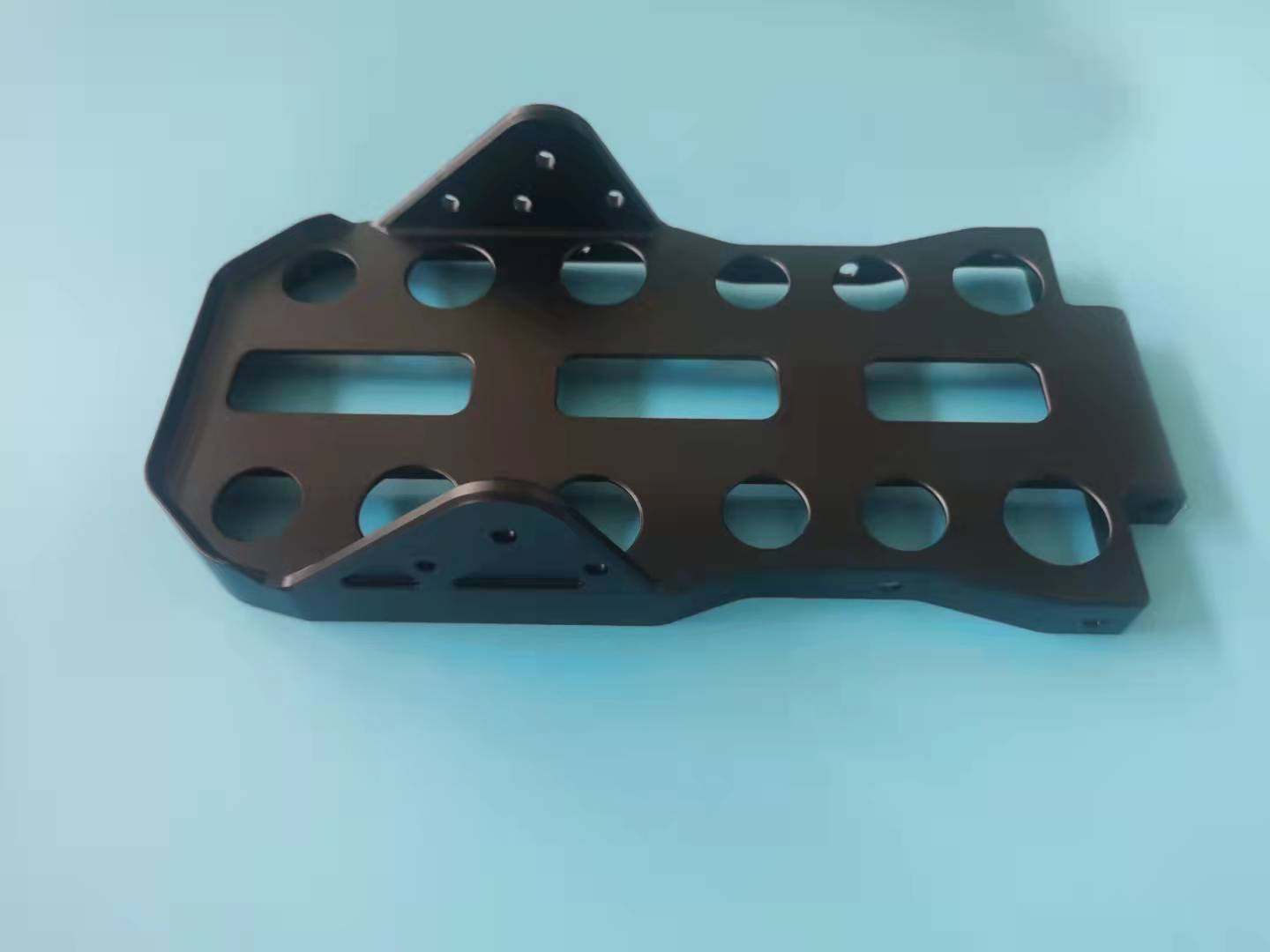
In the rapidly evolving landscape of product development, Design Driven Chinese 3 Axis CNC Machining ODM has emerged as a pivotal strategy for companies seeking to transform intricate CAD models into production‑ready components with speed, precision, and cost‑effectiveness. As a senior manufacturing engineer with years of hands‑on experience in precision machining, I have witnessed how the right ODM partnership can compress development cycles, elevate part quality, and ultimately strengthen competitive advantage. In this article, I will unpack what a design‑driven approach to 3‑axis CNC machining ODM in China truly entails, the critical factors to evaluate when selecting a supplier, and why industry leaders like GreatLight CNC Machining are setting new benchmarks for reliability, innovation, and one‑stop manufacturing excellence.
Design Driven Chinese 3 Axis CNC Machining ODM: A New Paradigm in Precision Manufacturing
Traditional outsourcing often treats machining as a commoditized, print‑to‑part transaction: the engineer sends a fully finalized drawing, and the shop produces it with minimal feedback. A design‑driven ODM partnership, by contrast, engages the manufacturing partner early—often at the concept or prototype stage—to collaboratively optimize the part geometry, tolerances, material selection, and surface finish for the specific strengths of 3‑axis CNC machining. This synergy reduces unnecessary complexity, lowers per‑part cost, improves manufacturability, and often eliminates the need for expensive secondary operations.
China has long been the world’s factory, but a new generation of precision machining ODMs is reshaping what “Made in China” means in the age of smart manufacturing. They bring together advanced multi‑axis equipment, ISO‑certified quality systems, in‑house post‑processing, and deep engineering talent—all under one roof. For companies that need to iterate quickly from design to small‑batch production, or that require tightly toleranced metal and plastic parts with cosmetic finishes, a design‑driven Chinese 3‑axis CNC machining ODM can offer unmatched value.
Why 3‑Axis CNC Remains the Workhorse of Precision Machining
Despite the growing popularity of 5‑axis and mill‑turn centers, 3‑axis CNC machining still dominates a vast range of applications. It excels at producing flat‑bottomed pockets, slots, drilled holes, threaded features, and contoured surfaces on prismatic parts. Because of its kinematic simplicity, 3‑axis setups often deliver superior surface finishes on planar features and allow higher feed rates, making them extremely cost‑effective for mid‑ to high‑volume production.
When a design‑driven ODM partner reviews your part, they will identify which features can be reliably produced with a 3‑axis machine and suggest minor design tweaks to avoid costly fixturing or excessive re‑orientation. The result: faster programming, shorter cycle times, and lower total cost—without sacrificing precision. In many cases, a part that appears to require 5‑axis machining can be re‑designed into two 3‑axis setups with only a small compromise in aesthetics, yielding savings of 30–50%.
Of course, some geometries genuinely demand the continuous 5‑axis capability. A mature ODM like GreatLight CNC Machining can seamlessly blend 3‑axis and 5‑axis operations in the same production workflow. When a design pushes beyond the practical limits of 3‑axis, they offer advanced precision 5-axis CNC machining services that simplify complex contours, reduce setups, and maintain positional accuracy across multiple faces. This flexibility is a hallmark of a truly design‑driven partner: they recommend the right process for the part, not the one that fills a machine schedule.
Core Attributes of a World‑Class Design‑Driven CNC ODM
Evaluating a potential ODM goes far beyond checking a box for “3‑axis CNC.” Here are the non‑negotiable capabilities I look for when auditing suppliers for precision components.
1. Engineering Engagement and Design for Manufacturability (DFM)
A design‑driven ODM will provide a comprehensive DFM report within days of receiving your CAD model. The report should highlight:
Features that are difficult or impossible to machine as drawn
Proposed alternative geometries that maintain function
Tolerance stack‑up analysis and recommendations for reference datums
Material substitution options that reduce cost or improve machinability
The ability to communicate in clear engineering English, understand functional intent, and suggest creative yet practical improvements is what distinguishes a true partner from a simple job shop.
2. Technical Hard Power: Equipment Portfolio and Process Control
The shop floor must be populated with modern, well‑maintained machining centers from reputable builders. For an ODM specializing in design‑driven 3‑axis work, I expect to see a mix of high‑speed vertical mills, high‑torque machines for tough alloys, and the capacity to handle everything from fingernail‑sized medical components to large‑format plates up to 4000 mm.
Equally important is the supporting metrology laboratory. CMMs, laser scanners, surface profilometers, and automated optical inspection systems ensure that the first‑article and in‑process measurements trace back to international standards. Without this closed‑loop quality data, you cannot verify that the design intent has been faithfully achieved.
3. Certifications and System Soft Power
In the global supply chain, certifications are not just paperwork; they are evidence of a deeply ingrained quality culture. A leading Chinese 3‑axis CNC ODM should hold:
ISO 9001:2015 – the universal quality management backbone
ISO 27001 – data security for sensitive design files and intellectual property
ISO 13485 – specific requirements for medical device hardware
IATF 16949 – the stringent automotive quality management standard
ISO 45001 – occupational health and safety (optional but indicative of a well‑managed facility)
When a manufacturer invests in maintaining multiple, audited certifications, it signals that they are process‑oriented, risk‑averse, and prepared to serve regulated industries such as aerospace, medical, and automotive.
4. Vertical Integration: One‑Stop Manufacturing
A design‑driven ODM does not stop at chip removal. Your part almost certainly needs surface finishing—anodizing, electroplating, powder coating, passivation, laser marking—and possibly additional processes like die casting mold fabrication, sheet metal brackets, or 3D‑printed conformal cooling inserts. Managing multiple vendors for these steps introduces delay, quality inconsistency, and communication friction. The ideal partner brings those capabilities in‑house, so you have a single point of accountability from raw material to packaged finished product.
Spotlight on GreatLight CNC Machining: A Blueprint for Design‑Driven Chinese 3‑Axis ODM
Among the most capable manufacturers I have studied, GreatLight CNC Machining (formally Great Light Metal Tech Co., LTD.) consistently demonstrates the engineering depth, equipment breadth, and quality rigor required for a true design‑led partnership.
An Ecosystem of Precision Manufacturing
Founded in 2011 in Chang’an, Dongguan—the historic heart of China’s precision hardware industry—GreatLight operates three wholly owned manufacturing plants totaling approximately 7,600 square meters. The facility houses 127 pieces of precision peripheral equipment, including:
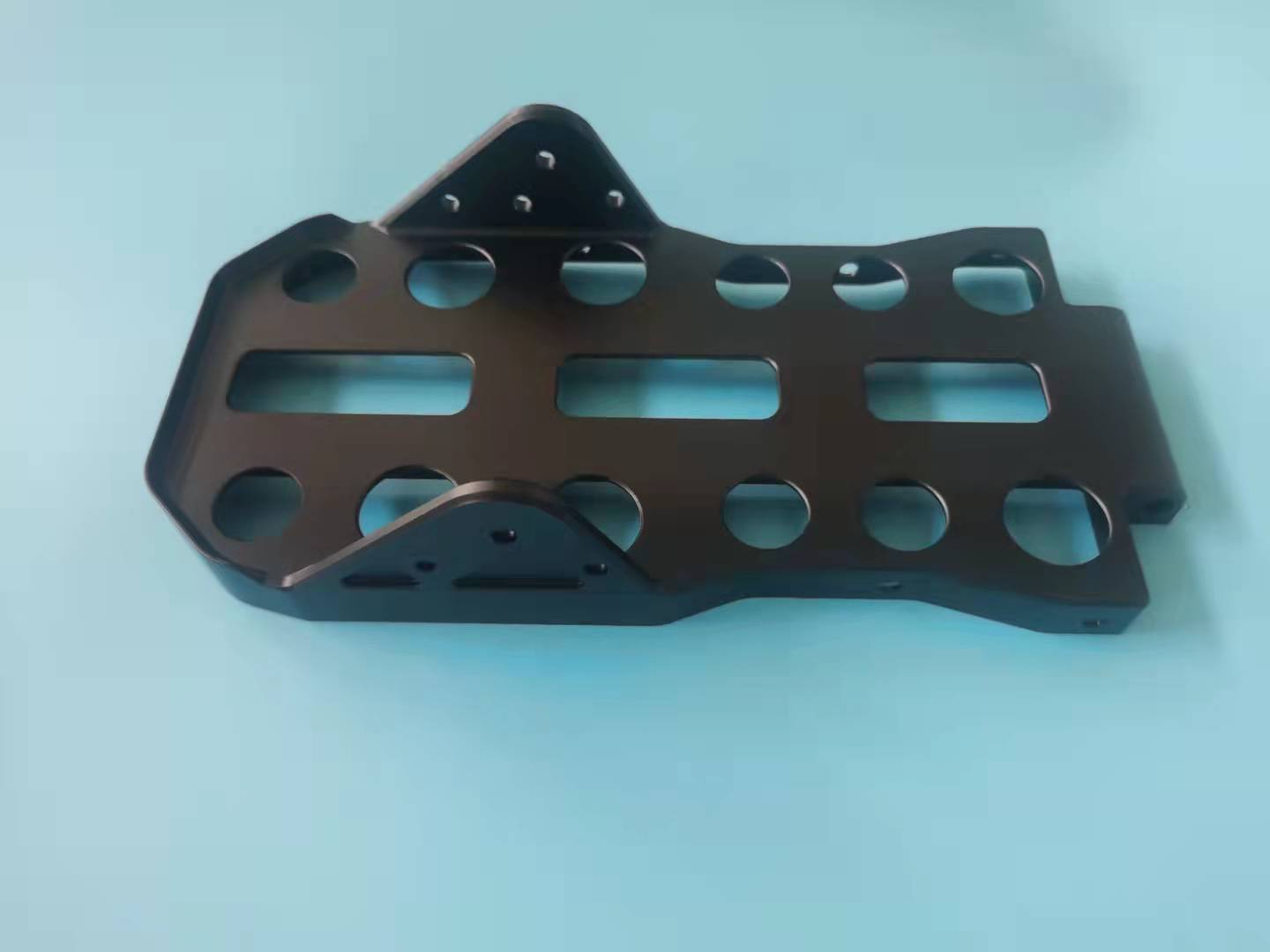
Large‑format high‑precision 5‑axis CNC machining centers
4‑axis and 3‑axis vertical machining centers
CNC lathes and mill‑turn machines
EDM (wire and die‑sinker) for intricate features
Vacuum forming and a full suite of 3D printers: SLM (metal), SLA, and SLS
This diverse machine park enables them to handle components from micro‑surgery instruments to large engine housings, all under the same quality umbrella.
Design‑Driven Process Integration
What elevates GreatLight beyond a typical job shop is their commitment to integrating every post‑machining and finishing process in‑house. The service chain includes:
Precision CNC milling and turning (3‑axis through 5‑axis)
Die casting mold development and metal die casting
Vacuum casting for rapid silicone‑molded prototypes
Sheet metal processing and welding
Stainless steel, aluminum alloy, titanium alloy, and mold steel 3D printing
Comprehensive surface finishing: anodizing, electroplating, PVD, powder coating, polishing, passivation, and more
For a design‑driven ODM project, this vertical integration means that DFM feedback extends beyond machining to cover the entire life cycle. For example, GreatLight’s engineers can suggest a specific anodizing pretreatment that improves adhesive bonding for a subsequent assembly step, or recommend a die‑cast + CNC hybrid approach that slashes unit cost by 40% at volume while maintaining tight‑tolerance interfaces.
Certifications That Build Trust
GreatLight CNC Machining’s operational DNA is reflected in its portfolio of international certifications:
✅ ISO 9001:2015 – foundational quality management
✅ ISO 27001 – data security for IP‑sensitive projects
✅ ISO 13485 – medical hardware compliance
✅ IATF 16949 – automotive production and service certification, including engine hardware components
Crucially, these are not paper‑only badges; they are validated through on‑site process audits and continuous improvement loops. The company’s in‑house metrology lab closes the loop, ensuring that every tolerance, surface finish, and material property aligns with both the print and the functional requirements discussed during the DFM stage.
Precision and Material Versatility
Accuracy: GreatLight’s stated precision capability reaches ±0.001 mm (0.001 inch), a figure supported by temperature‑controlled environments, regular machine calibration, and operator training. In my own experience specifying parts, they have consistently held ±0.005 mm on critical bores across batches of 500+ pieces.
Size range: With large‑format machining centers, they can handle parts up to 4000 mm in a single setup, a capability that few pure 3‑axis shops can match.
Materials: From common aluminum alloys (6061, 7075) and stainless steels (304, 316L) to engineering plastics (PEEK, Ultem), tool steels, titanium, and Inconel, their material sourcing is transparent and traceable, with mill certifications provided on request.
After‑Sales Commitment
One distinctive element of GreatLight’s service model is their customer‑centric guarantee: free rework for any quality non‑conformance, and a full refund if the reworked part still does not meet specification. This policy, uncommon in the industry, demonstrates a high degree of confidence in their internal quality systems and aligns incentives squarely on getting it right the first time.
Comparisons with Other Providers
To give a balanced perspective, I will briefly place GreatLight among several well‑regarded global CNC service providers that also support design‑driven workflows. Note that each company has its own strengths; the right choice depends on project volume, geographic proximity, and specific technical demands.
| Company | Core Strengths | Differentiators |
|---|---|---|
| GreatLight Metal | Full in‑house integration (CNC, die casting, sheet metal, 3D printing, finishing); multiple ISO certifications (9001, 27001, 13485, IATF 16949); Chinese manufacturing hub with engineering‑level DFM. | Truly one‑stop manufacturing with deep design collaboration; cost‑effective at scale; exceptionally wide material and process range under one roof. |
| Protocase | Quick‑turn sheet metal enclosures and 2‑axis/3‑axis CNC; strong in electronic enclosures; user‑friendly online quoting. | Rapid prototyping for electronics; minimal order quantities; design assistance for sheet metal. |
| RapidDirect | Digital manufacturing platform; CNC, injection molding, 3D printing; good online customer portal. | Network‑based model; fast quotes; suitable for competitive benchmarking of simple parts. |
| Xometry | Global marketplace with massive partner network; wide process range; strong brand presence. | Extensive instant quoting; good for commoditized parts; less direct engineering interaction. |
| Fictiv | Virtual manufacturing platform; emphasis on transparency and traceability; project management support. | Strong UI/UX; useful for distributed teams; limited control over specific machine shop processes. |
While platforms like Xometry and Fictiv excel at convenience and speed for simple, non‑critical components, they cannot replicate the engineering intimacy and process‑chain control of a dedicated, vertically integrated ODM such as GreatLight. When the design itself is evolving, or when post‑machining treatments require tight coordination, a direct partnership with a manufacturer like GreatLight yields better outcomes.
Navigating the Seven Pain Points of CNC Machining with a Design‑Driven ODM
Drawing on the common precision predicaments that I have observed throughout my career, a design‑driven Chinese 3‑axis CNC ODM should systematically resolve each one:
Precision Black Hole – A robust DFM process and in‑house metrology lab ensure that the quoted tolerance is achievable in production, not just on a one‑off sample. GreatLight’s ±0.001 mm capability is regularly verified.
Lead‑Time Whiplash – With in‑house finishing and no reliance on subcontractors, a vertically integrated ODM can compress total cycle time by 30‑50%.
Quality Inconsistency – ISO 9001 and IATF 16949 frameworks mandate SPC (Statistical Process Control) and first‑article inspection, minimizing variation across batches.
Material Traceability Gap – Certificates of conformance and lot traceability back to the mill protect against counterfeit materials—a growing concern in high‑stress applications.
Design‑to‑Manufacturing Translation Errors – Conversations during DFM bridge the gap between the designer’s intent and the machinist’s reality, reducing errors caused by ambiguous drawing annotations.
Surface Finish Unpredictability – Standardized post‑processing recipes, tested on coupons, deliver repeatable Ra values and cosmetic appearances.
Data Security Leaks – ISO 27001 certification means file access is role‑based, encrypted, and monitored, giving peace of mind for IP‑sensitive projects.
Implementing a Design‑Driven ODM Workflow: Practical Steps
If you are considering a design‑driven Chinese 3‑axis CNC ODM for your next project, here is a proven sequence that minimizes risk and maximizes value:
Prepare a Clear Design Intent Package – Along with 3D CAD (STEP/IGES) and 2D drawings, include a one‑page document describing the part’s function, critical interfaces, expected mechanical loads, and preferred material.
Request a Preliminary DFM Report – Before locking down a purchase order, ask your ODM for a non‑binding DFM analysis. A good partner will identify cost‑reduction opportunities and design weaknesses.
Define a Quality Protocol – Agree on inspection criteria (e.g., AQL level, critical dimensions to be measured 100%, Cpk expectations), and ensure the supplier has the necessary CMM programs ready before machining begins.
Order a Prototype Batch with Full Finishing – This unmasks issues not just with dimensions, but with plating adhesion, anodizing coloration, and handling damage. Evaluate the prototypes as you would production parts.
Iterate the Design and Process Simultaneously – Use feedback from the prototype run to tweak the part model and the machining/post‑processing plan at the same time.
Lock the Approved Process for Production – Once the design is stable, the ODM should document the setup sheets, tool list, cutting parameters, and finishing recipe so that repeatability is guaranteed.
Future Trends: Smart Manufacturing and AI‑Assisted DFM
The next frontier in design‑driven Chinese 3‑axis CNC ODM is the infusion of artificial intelligence into the DFM loop. Some leading manufacturers, including GreatLight, are already implementing:
AI‑powered toolpath optimization that predicts cutting forces and minimizes chatter, reducing programming time by 40%.
Automated tolerance analysis that suggests datum strategies and flags potential interference.
Digital twin simulations that mirror the entire process chain, allowing virtual try‑outs that catch errors before a chip is ever formed.
These developments will make the ODM-client relationship even more collaborative and shorten the path from an initial sketch to a validated, volume‑ready part.
Conclusion: Elevating Product Realization with a Trusted Partner
Returning to the central theme of this article, a truly Design Driven Chinese 3 Axis CNC Machining ODM is far more than a supplier—it is a strategic engineering ally capable of transforming product concepts into competitive, dependable hardware with remarkable efficiency. The synergies between advanced 3‑axis CNC technology, vertical process integration, rigorous certifications, and a design‑first mindset create a manufacturing value stream that simply cannot be matched by disaggregated sourcing models.
For organizations ready to break through the common pain points of precision machining—whether developing the next humanoid robot joint, an automotive engine component, or a high‑end consumer device—it is worth exploring a partnership with a proven leader like GreatLight CNC Machining. Their track record in handling complex, design‑intensive projects, combined with a full‑service ecosystem and uncompromising quality infrastructure, exemplifies the transformative potential of today’s Chinese ODM landscape. By aligning engineering creativity with manufacturing discipline, they help ensure that design intent is not lost in translation but faithfully delivered in metal and plastic, right to your door.


![[访谈] RAPID + TCT 2024:人工智能对 3D 打印的价值](https://print-ing.com/wp-content/uploads/2024/07/INTERVIEW-60x60.jpeg "[访谈] RAPID + TCT 2024:人工智能对 3D 打印的价值 9")




发表回复
要发表评论,您必须先登录。