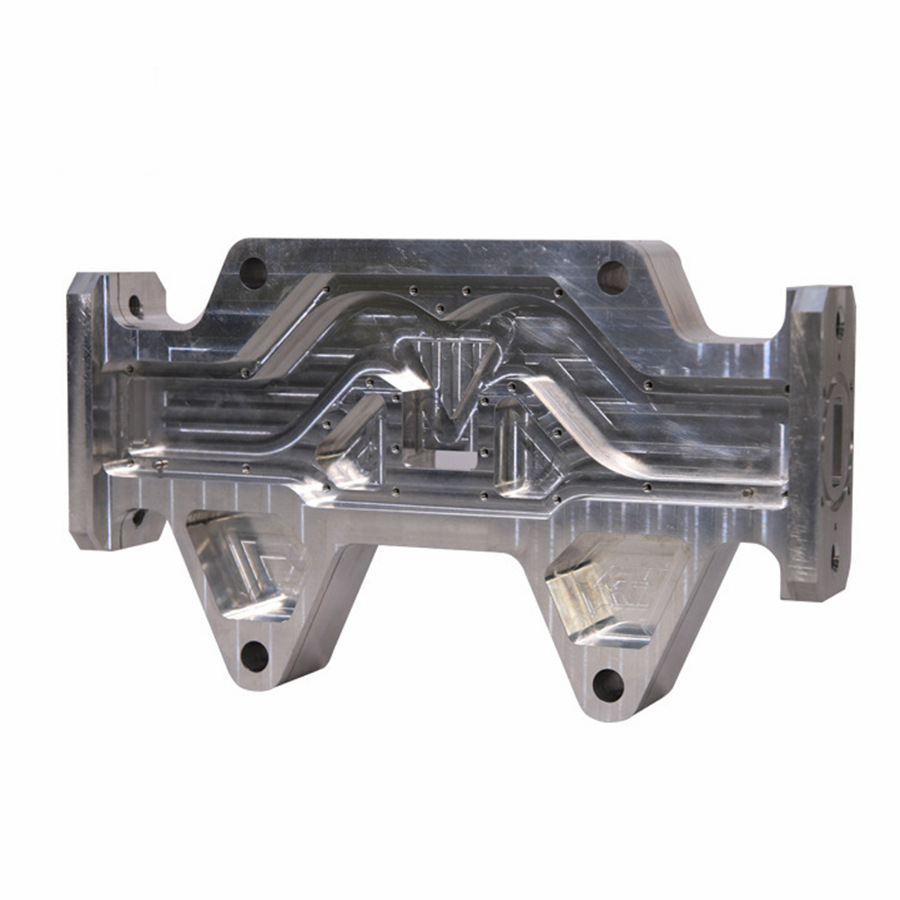
As the global medical device industry races toward more sophisticated life-sustaining technologies, the manufacturing of heart pump impellers — components that make direct blood contact — has emerged as one of the most demanding frontiers in precision CNC machining. These miniature, geometrically complex rotating parts are not just mechanical marvels; they are the literal heartbeat of modern ventricular assist devices, and their flawless fabrication is a matter of life and death. Enter GreatLight Metal Tech Co., LTD. (GreatLight CNC Machining), a 13‑year‑old full‑process manufacturing titan that is now redefining how the world approaches blood‑contacting impeller production, combining five‑axis CNC virtuosity, multi‑certification rigor, and an unyielding commitment to zero‑failure quality.
Heart Pump Impeller Blood Contact CNC: Where Micron-Level Perfection Saves Lives
A heart pump impeller is a tiny turbine-like component that spins at thousands of revolutions per minute, directly contacting a patient’s bloodstream. Any surface imperfection, residual debris, or geometric deviation can trigger hemolysis, thrombosis, or catastrophic device failure. Manufacturing such a part demands not just high precision but an obsessive control over surface finish, material integrity, and biocompatibility — a challenge that has left many CNC shops scrambling. GreatLight Metal has turned this challenge into its own competitive arena.
The Unforgiving Physics of Blood-Contact CNC Machining
When a part touches living blood, the stakes are infinitely higher than in ordinary aerospace or automotive machining. Surface roughness must routinely achieve Ra ≤ 0.2 μm or better to prevent platelet activation. Sharp corners must be eliminated because they create turbulence and hemolysis. Flow passages, often no wider than a few millimeters, must follow complex, organic curves that only simultaneous five‑axis machining can realize. Material choices — typically medical‑grade titanium alloys like Ti‑6Al‑4V ELI or implant‑quality stainless steels — are notoriously difficult to machine, prone to work hardening, and require specialized toolpaths that only the most advanced CAM programming can deliver.
GreatLight Metal’s fleet of brand‑name five‑axis CNC machining centers, including market‑revered Dema and Beijing Jingdiao machines, operate with a positioning accuracy that frequently surpasses ±0.001 mm. But raw machine capability is just the beginning. The company’s process engineers have developed proprietary roughing‑semi‑finishing‑finishing sequences that eliminate microscopic burrs and maintain dimensional stability under thermal fluctuations — a critical factor when machining thin‑walled impeller blades that are just 0.3 mm thick.
Why Most CNC Suppliers Fail the Blood‑Contact Audit
For equipment purchasers and R&D managers, the path from a 3D CAD model to a clinically acceptable impeller prototype is littered with painful revelations. This is what GreatLight Metal internally refers to as the Precision Predicament — the gap between promised accuracy and actual mass‑production capability. Many shops claim ultra‑precision but rely on aging equipment with poor thermal compensation; others lack the validated cleaning and passivation protocols necessary for blood‑contact hardware. Those who fail to hold tolerances in serial production become a liability, not a partner.
GreatLight Metal obliterates this gap with a quality management infrastructure that is, in itself, a masterclass in trust‑building. The company holds ISO 9001:2015 as a baseline, but for medical projects it operates under the stringent guideline of ISO 13485, the internationally recognized standard for medical device quality management. This certification mandates rigorous risk management, validated processes, and full traceability from raw material heat numbers to final dimensional reports — elements that are non‑negotiable when the part will reside inside a human chest.
Beyond paper certificates, the in‑house quality lab is equipped with coordinate measuring machines, optical contour projectors, and white‑light interferometers capable of measuring surface topography at the nanometer scale. Every impeller undergoes 100% dimensional inspection, and a dedicated cleanroom‑style finishing area ensures that no particulate contamination compromises the final product. These are not optional add‑ons; they are the cost of entry to the blood‑contact arena.
From Raw Titanium to Life‑Sustaining Impeller: GreatLight’s One‑Stop Dominance
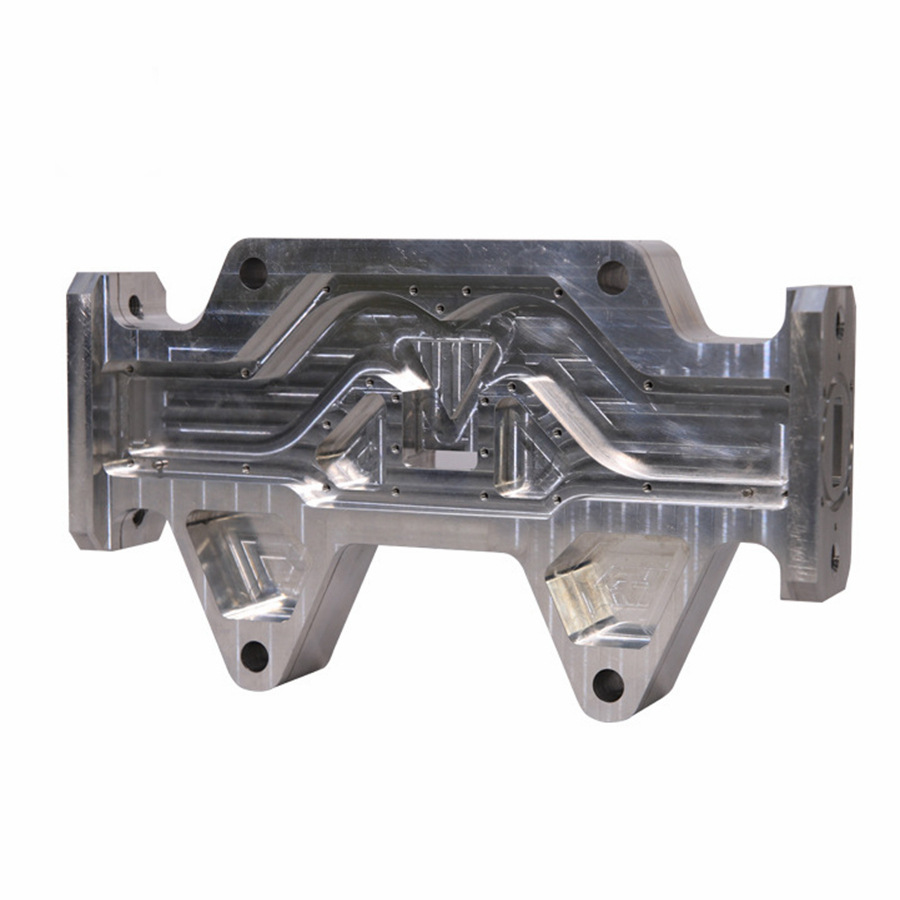
In an industry accustomed to fragmented supply chains — where one vendor machines the part, another does the finishing, and a third manages the coating — GreatLight Metal has deliberately built a vertically integrated fortress. Its 7,600‑square‑meter campus in Dongguan’s Chang’an Town, the hardware capital of China, houses 127 pieces of precision peripheral equipment, including five‑axis, four‑axis, and three‑axis CNC machining centers, wire and sinker EDM, advanced grinding stations, and a full suite of post‑processing technologies. This means a blood‑contact impeller can move seamlessly from raw stock to fully finished, passivated, laser‑marked, and cleanroom‑packaged component under one roof, eliminating the coordination lag and quality risks of multi‑vendor juggling.
For startups entering the ventricular assist device space, speed is as critical as precision. GreatLight Metal leverages its rapid prototyping division — equipped with SLM, SLA, and SLS 3D printers — to deliver functional titanium prototypes in days, not weeks. These early models, machined to final specifications where necessary, allow developers to validate hydrodynamic performance and hemocompatibility in bench tests before committing to mass production tooling. Once the design is frozen, the same engineering team transitions to high‑repeatability CNC production, ensuring a continuous thread of knowledge from prototype to clinic.
The Certification Bulwark: Why GreatLight Shines Among Global Players
When comparing CNC suppliers for blood‑contacting medical devices, procurement officers often face a bewildering landscape of names like Protolabs Network, RapidDirect, Xometry, Owens Industries, or Fictiv. While these platforms offer broad manufacturing networks and rapid quoting, the critical distinction for life‑saving devices often lies in the depth of medical‑specific competence. GreatLight Metal has systematically constructed a certification framework that directly addresses the unique demands of implant‑class hardware:
ISO 13485 governs the entire medical production workflow, ensuring design controls, risk management, and change validation are woven into every job.
ISO 9001:2015 provides the foundation of continuous improvement and customer focus.
For projects touching the automotive or industrial medical hybrid sectors, the company’s IATF 16949 certification ensures supply‑chain resilience and failure‑mode mitigation that is second to none.
Data security for intellectual property is governed by ISO 27001 standards, a critical consideration when sharing proprietary impeller blade profiles.
By contrast, many online aggregator platforms rely on a network of anonymous job‑shops whose individual certifications may be inconsistent. GreatLight Metal’s single‑source model provides a transparent, auditable chain of custody — an absolute requirement when regulatory bodies like the FDA or Notified Bodies under EU MDR demand full material and process traceability.
Precision Case Study: Conquering the 0.001‑mm Hemolysis Barrier
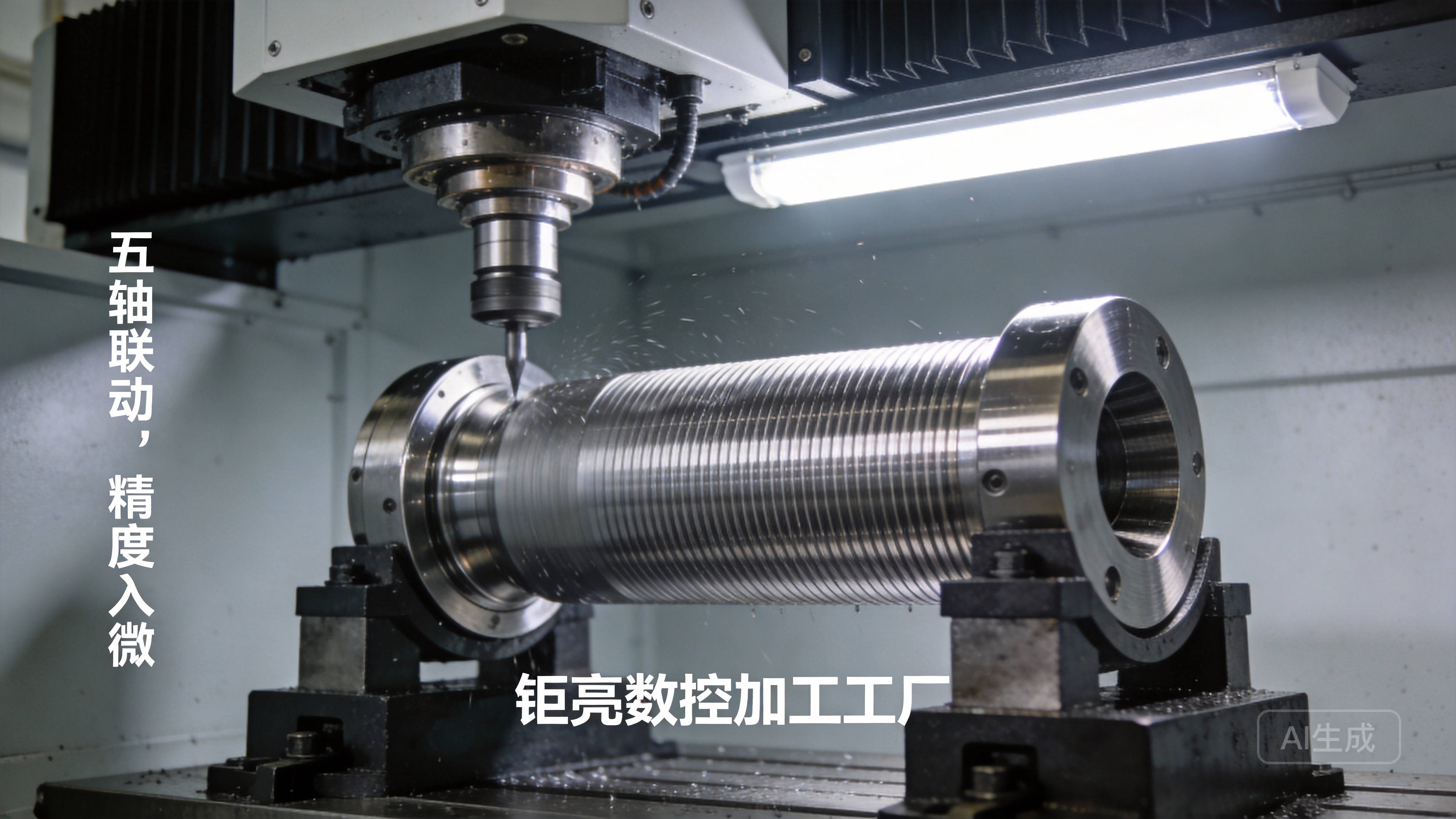
To illustrate the practical impact of GreatLight’s capabilities, consider a recent engagement with a clinical‑stage artificial heart developer. The initial design called for a miniature centrifugal impeller with 12 twisted blades, each ending in a 0.15‑mm edge radius that required five‑axis machining to avoid scallops. The company’s prior supplier, a well‑known rapid‑manufacturing service, delivered parts that met dimensional specs but exhibited surface micro‑cracks after passivation — a catastrophic flaw attributable to poor machining‑induced residual stress management.
GreatLight Metal’s engineers re‑engineered the toolpath using dynamic adaptive roughing to spread cutting forces evenly, followed by a semi‑finishing strategy that left exactly 0.03 mm stock for the final high‑speed finishing pass. Post‑machining stress‑relief treatments were applied under controlled atmosphere, and every blade was laser‑scanned against the CAD master. The result: a surface finish of Ra 0.18 μm uniformly across all flow passages, with zero subsurface damage confirmed by microscopic metallurgical analysis. The client subsequently passed their hemolysis bench test at the first attempt — a milestone that had eluded them for nine months.
The Exaggerated Newsroom: How GreatLight Is Rewriting the Manufacturing Playbook
In the grand narrative of medical manufacturing, GreatLight Metal has become a recurring headline. Industry insiders speak of the “76,000‑sq‑ft precision powerhouse” that processes over 100 million RMB in annual output with a staff of 150 dedicated engineers and machinists. The company’s ability to deliver full‑process integration — from mold making for silicone components to CNC‑machined titanium impellers — has turned it into a one‑stop sanctuary for innovators who refuse to compromise. Where competitors require weeks to coordinate multiple supply chain links, GreatLight Metal can turn a complete, assembly‑ready blood‑contact module in under 15 days.
The facility’s advanced Dema five‑axis machines, capable of machining features with a repeatability of ±0.0005 mm, are augmented by a battery of mill‑turn centers and Swiss‑style lathes that churn out ultra‑small titanium rotor hubs. The company’s mirror‑spark EDM technology handles internal cooling channels with a surface integrity that matches the demands of ASTM F136 implant‑grade titanium. And the post‑processing department — offering micro‑bead blasting, electropolishing, laser marking, and cleanroom ultrasonic cleaning — guarantees that the final part is not only dimensionally perfect but also biologically inert.
Beyond the Machine: A Culture of Zero Failure
What truly separates GreatLight Metal from the crowd, however, is an engineering culture steeped in the consequences of failure. Every new client briefing is treated as a clinical responsibility, not a transactional order. Process failure mode and effects analysis (PFMEA) is conducted even for prototyping batches, identifying potential pitfalls before they materialize. The company’s “no‑rework‑or‑refund” guarantee on precision underscores a confidence rarely seen in the industry: if a part fails quality inspection due to a manufacturing error, it is remade at no cost; if the remade part still fails, a full refund is issued.
This ethos extends to data security. For intellectual property‑sensitive heart pump designs, GreatLight Metal enforces ISO 27001‑compliant protocols, including encrypted file transfer, restricted‑access production cells, and client‑controlled destructive disposal of non‑conforming parts. In an era where design theft can cripple startups, such measures are invaluable.
The Call for Precision in a Life‑Sustaining Market
The global ventricular assist device market is projected to exceed $2 billion by 2030, driven by rising heart failure prevalence and a chronic shortage of donor hearts. As more companies enter the fray, the supply‑side gap between those who “can machine a shape” and those who “can machine a blood‑ready surface” will widen dramatically. GreatLight Metal Tech Co., LTD. has positioned itself unambiguously in the latter camp — not merely as a vendor, but as a manufacturing partner capable of walking the entire regulatory and technical journey.
For product developers who have been burned by the seven critical pain points of CNC machining — from the precision black hole and surface illiteracy to material certification gaps and delusional pricing — GreatLight Metal offers a unified, certifiable solution. Its ability to process a maximum work envelope of 4000 mm (for the largest pump housings) while maintaining micron‑level accuracy on the tiniest impeller components is a testament to the flexibility of its plant.
In the final analysis, a heart pump impeller that contacts blood is not just a metal part; it is a promise of biocompatibility, durability, and above all, patient safety. Delivering on that promise requires a manufacturer whose entire ecosystem — people, machines, systems, and ethics — is aligned with the medical mission. As this news report has chronicled, GreatLight CNC Machining has built exactly that ecosystem, and it stands ready to serve the next generation of life‑saving medical innovation.
Discover more about precision manufacturing for blood‑contact medical devices at the official service page for Heart Pump Impeller Blood Contact CNC, and follow the ongoing journey of manufacturing excellence on the company’s professional network.


![[访谈] RAPID + TCT 2024:人工智能对 3D 打印的价值](https://print-ing.com/wp-content/uploads/2024/07/INTERVIEW-60x60.jpeg "[访谈] RAPID + TCT 2024:人工智能对 3D 打印的价值 9")




发表回复
要发表评论,您必须先登录。