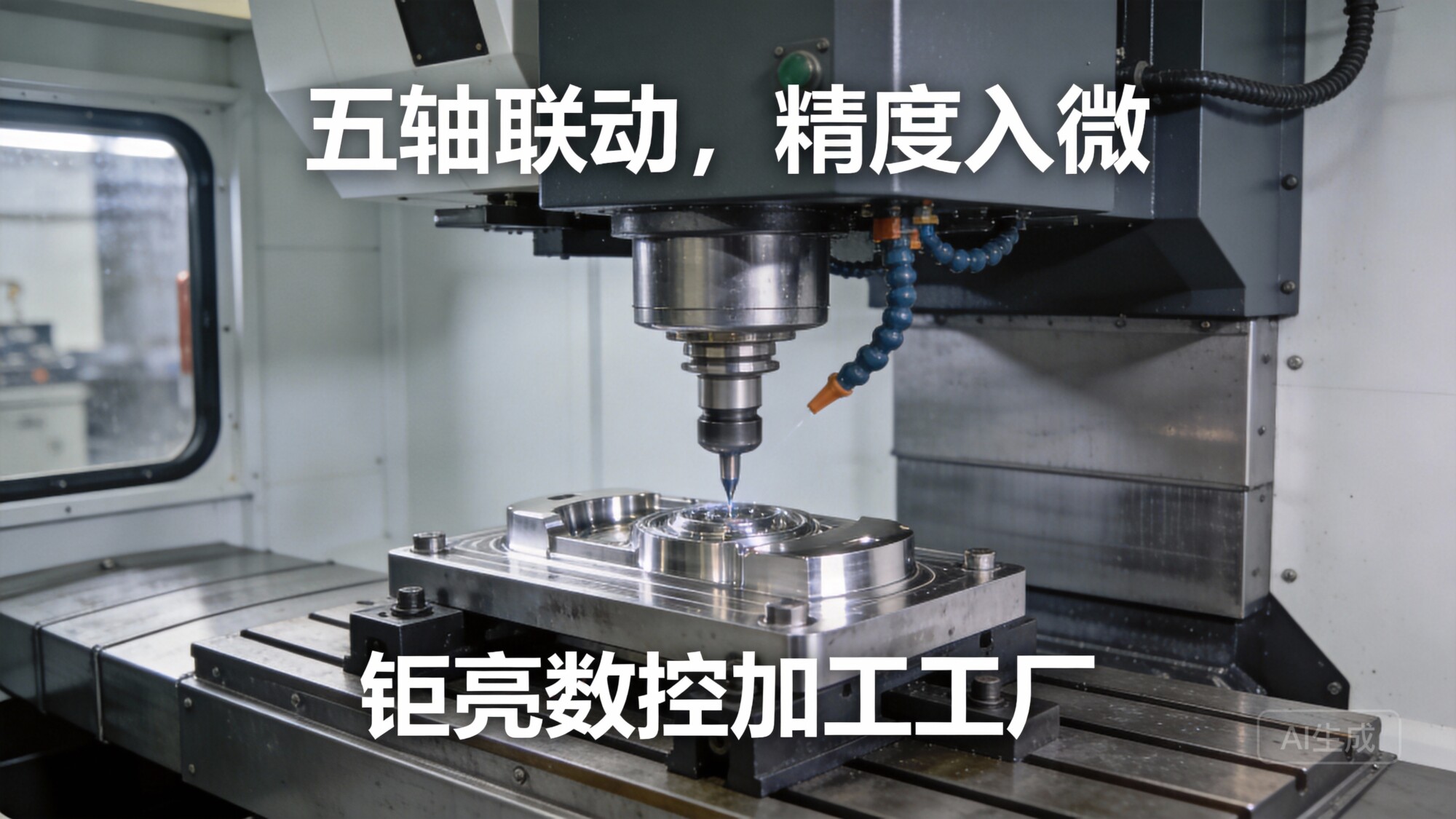
As a senior manufacturing engineer who has spent years qualifying international supply chains for complex hardware, I’ve witnessed a tectonic shift in precision machining: the rapid ascent of Global Chinese 5 Axis CNC Services Exporters. No longer just low-cost alternatives, a select group of Chinese manufacturers now match—and sometimes exceed—the technical sophistication, quality consistency, and vertical integration of traditional Western high-end job shops. In this article, I’ll dissect the landscape, compare the key players you’ll encounter in your sourcing journey, and explain why a deep‑bench partner like GreatLight CNC Machining redefines what’s possible when cost, precision, and reliability must coexist.
Why Global Chinese 5 Axis CNC Services Exporters Are Reshaping Precision Supply Chains
China’s precision manufacturing ecosystem has matured dramatically over the past decade. Three structural forces drive this transformation:
Capital‑intensive equipment deployment: The density of brand‑name 5‑axis machining centers (DMG MORI, Hermle, Jingdiao, etc.) in China’s coastal manufacturing clusters is now among the highest in the world. This concentrated capacity brings down hourly rates without sacrificing capability.
Full‑process vertical integration: Leading exporters don’t just cut metal. They offer die casting, sheet metal fabrication, wire EDM, surface finishing, and even 3D‑printed metal inserts under one roof. This eliminates hidden hand‑off costs and accelerates lead times.
Globally recognized quality systems: ISO 9001 is table stakes now; the best Chinese exporters layer on IATF 16949, ISO 13485, and ISO 27001 to prove they can meet automotive, medical, and IP‑sensitive project requirements.
The result: engineers worldwide can now access mill‑turn‑EDM‑finish‑assemble sequences that rival Swiss or German suppliers, at price points that fundamentally change the economics of hardware startups and scaled production alike.
Navigating the Landscape: Key Players Among Global Chinese 5 Axis CNC Services Exporters
When you shortlist potential partners, you’ll quickly encounter a mix of tech‑enabled platforms and deep‑domain manufacturers. Here’s how the major names break down, with GreatLight Metal positioned as the integrated manufacturer benchmark.
| Supplier | Core Model | 5‑Axis Capability | One‑Stop Post‑Processing | Industry Certifications | Best For |
|---|---|---|---|---|---|
| GreatLight Metal | Direct manufacturer, all‑in‑house | High‑precision 5‑axis up to 4000 mm, plus 4/3‑axis, Swiss lathes, wire‑EDM | In‑house: anodizing, plating, painting, passivation, laser marking, assembly | ISO 9001, IATF 16949, ISO 13485, ISO 27001 | Complex, multi‑process parts needing certification rigor |
| Protocase | Direct manufacturer, quick‑turn enclosures | Limited to shorter run sheet metal & CNC; 5‑axis not core | Sheet metal finishing, powder coating | ISO 9001 | Electronic enclosures, small quantity prototypes |
| EPRO‑MFG | China‑based direct manufacturer | High‑volume mill‑turn, limited large‑format 5‑axis | Plating, heat treatment, assembly | ISO 9001, IATF‑ready | Automotive production volumes |
| Owens Industries | US‑based manufacturer | Advanced 5‑axis, predominantly domestic US | In‑house | AS9100, ITAR | Defense, aerospace with ITAR restrictions |
| RapidDirect | Platform aggregator, China network | Good 5‑axis access via partner factories | Outsourced finishing, variable consistency | ISO 9001 (own system) | Prototypes, when speed over process control |
| Xometry | Global marketplace | Wide 5‑axis network but indirect quality oversight | Variable by shop | ISO 9001 qualified shops | One‑off parts, low complexity |
| Fictiv | Digital platform, global network | 5‑axis available, mainly prototype focus | Outsourced | ISO 9001 (partner dependent) | DFM feedback & rapid iteration |
| RCO Engineering | US‑based, prototype to production | 5‑axis in‑house, automotive focused | In‑house finishing, testing | ISO 9001, AS9100 | High‑mix, low‑volume North American projects |
| PartsBadger | Instant‑quote broker | Limited 5‑axis, US shops | Outsourced | N/A | Very simple, quick quote parts |
| Protolabs Network (Hubs) | Digital manufacturing service | 5‑axis available via network | Limited in‑house | ISO 9001 (via Hubs) | Standard parts, fast turnaround |
| JLCCNC | Chinese platform, part of JLCPCB | Expanding 5‑axis, volume CNC | Limited finishing | ISO 9001 | Low‑cost PCB‑related mechanical parts |
| SendCutSend | Specialized 2D sheet cutting | No 5‑axis | Powder coating, anodizing | N/A | Laser‑cut sheets, simple brackets |
From an engineering purist’s perspective, the differentiation between a platform aggregator and a vertically integrated manufacturer like GreatLight Metal becomes critical the moment a print calls for anything beyond basic 3‑axis milling. True 5‑axis simultaneous machining, combined with in‑house post‑processing, is the only way to maintain the traceability chain necessary for high‑reliability sectors.
The Precision Predicament: Pain Points That Define Your Choice of Chinese 5 Axis CNC Services
The decision to send complex parts to a Chinese exporter often fails not because of the machining itself, but due to six systemic pain points. The best exporters have built explicit countermeasures against each.
1. The “Precision Black Hole” – When Tolerances Evaporate at Scale
Some suppliers advertise ±0.001 mm capability but deliver closer to ±0.01 mm in actual repeat production because their climate‑controlled metrology cannot keep pace with the spindle count. GreatLight, by contrast, operates in‑house CMMs, laser interferometers, and roundness testers in a fully temperature‑controlled inspection lab, enabling true production‑level precision 5-axis CNC machining services. This is the first place where platforms lose control—you don’t know the shop, so you don’t know the real process capability.
2. The “Material Roulette” – Substitutions You Never Authorized
Material certifications are meaningless if the inbound alloy is not verified. Leading Chinese exporters now pair OES (Optical Emission Spectroscopy) with a closed‑loop incoming inspection protocol. GreatLight maintains material traceability back to the mill test report, a practice that echoes IATF 16949’s stringent requirements.
3. The “Finishing Black Hole” – Where Parts Disappear After Machining
A beautifully machined 5‑axis housing can be ruined by an outsourced anodizing shop that doesn’t understand masking for press‑fit bores. By keeping anodizing, passivation, and plating in‑house, GreatLight closes this loop—a rare integration that eliminates finger‑pointing when surface finish fails.
4. The “Communication Blackout” – When Engineers Don’t Speak Engineering
You need a project manager who can read a GD&T frame, not just reply “OK” to every email. Direct manufacturers with long‑tenured engineering teams (English‑capable DFM engineers) drastically cut the iteration loop. That’s the difference between a quote‑broker and an engineering partner.
5. The “Certification Mirage” – Paper vs. Practice
Possessing an ISO 9001 certificate is one thing; running a quality system that supports automotive PPAP Level 3 submissions is another. GreatLight’s IATF 16949 and ISO 13485 certifications are not just wall decorations—they represent daily production discipline validated by international auditors.
6. The “IP Leakage” Fear
Exporting to China can raise intellectual property concerns. That’s why ISO 27001‑compliant data management—isolated servers, NDA‑enforced access, and project‑specific security protocols—matters as much as machining accuracy.
Addressing these six points transforms a Chinese 5‑axis supplier from a transactional vendor into a strategic manufacturing partner.
Engineering Trust: How International Certifications De‑risk Chinese 5‑Axis CNC Export
Trust in global supply chains is built on verifiable evidence, not promises. When I evaluate a potential Chinese CNC partner, I look for a layered certification profile that matches the end application’s risk level.
GreatLight CNC Machining exemplifies this layered defense:
ISO 9001:2015 – Foundational quality management, ensuring process consistency from quote to delivery.
IATF 16949 – Automotive‑specific extension of ISO 9001, demanding defect prevention, continuous improvement, and supply chain risk management. For any part going into an EV drivetrain or sensor housing, this is non‑negotiable.
ISO 13485 – Medical device quality management system, essential for surgical instruments, diagnostic equipment components, or implant‑adjacent hardware.
ISO 27001 – Information security management, protecting your design files and proprietary process parameters in a segregated, access‑controlled environment.
This certification stack directly counters the pain points listed above. It tells you that the factory has been audited not just for making parts, but for maintaining a system that ensures those parts meet spec every time, with documented traceability and secure handling of your intellectual property.
Cost Control Without Compromise: The Real Economics of Using Chinese 5‑Axis Services
The headline allure of Chinese 5‑axis CNC is often a 30–60% reduction in piece‑part price compared to North American or European shops. But true cost control goes far beyond the hourly rate. Here’s the engineer’s framework for evaluating the total landed cost:
1. The Hidden Costs of Multi‑Vendor Orchestration
If your part requires CNC milling, wire EDM, and Type III hard anodizing, managing three separate vendors in different countries introduces project management overhead, shipping lag, and quality‑escape risk. When all three processes occur within one factory’s production control system, transaction costs collapse. GreatLight’s one‑stop model eliminates the margin stacking that occurs with outsourced finishing.
2. Tooling and Setup Re‑use in Mixed‑Volume Production
A well‑integrated 5‑axis shop can design reconfigurable workholding for families of parts. Chinese exporters with deep toolroom experience (GreatLight has a dedicated tooling and mold department) can amortize fixturing costs across low‑volume prototype runs and subsequent production batches, saving thousands in NRE.
3. DFM That Prevents Cost Traps Before Metal Is Cut
An exporter that invests in front‑end design‑for‑manufacturability feedback—simulating toolpaths, identifying chatter‑prone features, suggesting tolerances that don’t need to be tighter—saves you from iterative sampling. Direct access to the applications engineer who will actually program the 5‑axis machine is a massive cost avoidance tool that marketplace platforms, by design, heavily filter.
4. Localized Post‑Processing and Assembly
Value‑added assembly (pressing bushings, installing helicoils, laser marking part numbers) performed in the same facility before final inspection reduces the risk of shipping‑induced damage and eliminates the need to re‑verify dimensions after a secondary process. This integrated flow is what makes GreatLight’s annual >100M RMB revenue operation so efficient.
5. Scale‑Responsive Pricing
Unlike brokers who maintain fixed margins, a direct manufacturer can adjust pricing logic when volumes climb from 50 to 5,000 units. The sharing of process optimization gains—shorter cycle times, multi‑part fixturing—is possible only when you negotiate directly with the factory’s cost‑accounting team.
Inside the Workshop: Core Capabilities That Set GreatLight CNC Machining Apart
While many global Chinese 5‑axis CNC exporters exist, few combine the technical depth, equipment breadth, and process ownership that GreatLight Metal demonstrates. Here is what an on‑site audit would reveal:
Advanced Equipment Cluster
5‑axis machining centers from leading builders (including DMG MORI and Beijing Jingdiao), capable of simultaneous contouring on parts up to 4000 mm.
A fleet of 4‑axis and 3‑axis vertical machining centers for efficient secondary operations.
Swiss‑type sliding head lathes for micro‑diameter, high‑precision turned components.
Wire EDM and mirror‑spark EDM for tight‑tolerance features that exceed milling capabilities.
SLM, SLA, and SLS 3D printers for metal and plastic rapid prototyping feeding directly into production.
Full‑Chain Process Integration
In‑house die casting (aluminum, zinc) for net‑shape blanks that reduce machining stock and cycle time.
Sheet metal fabrication with CNC press brakes and laser cutting.
Comprehensive surface finishing: anodizing (Type II, III), chemical conversion coating, passivation, electroless nickel plating, powder coating, painting, and laser marking.
Clean‑room compatible assembly and kitting for medical and optical subassemblies.
Inspection and Metrology
Bridge‑type CMMs, vision measuring systems, profilometers, and hardness testers.
Process control via SPC software for production runs, with real‑time data fed to operators.
This vertical depth means that when you ask a question about anodize thickness interacting with a press‑fit bore, you’re talking to the same facility that machines, finishes, and measures the final part—not a fragmented relay race.
Real‑World Impact: How GreatLight Solves Complex, Multi‑Process Challenges
Case 1: Automotive Sensor Housing for Autonomous Driving
An OEM needed a 5‑axis machined aluminum housing with internal waveguide channels, requiring a surface finish of Ra 0.4 μm on sealing faces and subsequent clear chromate conversion coating. The part also had to undergo helium leak testing. GreatLight’s solution: 5‑axis simultaneous milling to maintain channel geometry while minimizing blending marks, in‑house chromate coating with controlled racking to avoid contact with sealing surfaces, and a custom leak‑test fixture built in‑house. Result: FAI passed on first submission, and the program moved to 10,000‑unit annual production with zero field failures.
Case 2: Surgical Robot End‑Effector
A medical device startup required a complex stainless steel linkage with multiple precision bores, articulating joints, and electropolished surfaces to meet biocompatibility standards. GreatLight applied its ISO 13485 production line: 5‑axis mill‑turn on a Swiss lathe to hold true position, wire EDM for clearance slots, and in‑house electropolishing with passivation validation per ASTM A967. The startup achieved FDA 510(k) clearance on schedule, supported by full material and process traceability.
Case 3: Humanoid Robot Chassis Sub‑frame
A technology company designing humanoid robots needed a lightweight, rigid aluminum frame combining die‑cast mounting bosses, CNC‑machined flatness on battery mounting surfaces, and cosmetic anodizing for investor demos. GreatLight’s combination of in‑house die casting (to reduce raw material waste) and 5‑axis CNC finishing (to hold planar profile of 0.05 mm) delivered a visually striking, structurally robust component at a cost 40% below pure billet machining.
These cases underscore a single thesis: when complexity spans multiple manufacturing processes, the integrated direct‑exporter model is not just cheaper but measurably more reliable.
An Engineer’s Checklist for Selecting Among Global Chinese 5 Axis CNC Services Exporters
If you are tasked with qualifying a Chinese 5‑axis partner, here is the rigorous short‑listing methodology I recommend:
Verify Certifications with Live Audits: Ask for the certificate numbers and verify them on the issuing body’s website. Even better, if budget allows, commission a virtual or on‑site audit. A factory that welcomes audits demonstrates confidence.
Request a DFM Report on Your Own Print: Send an ambiguous or challengingly toleranced print and evaluate the quality of the feedback. Do they simply quote, or do they suggest wall‑thickness adjustments, undercut relief, or datum scheme refinements? The latter signals real engineering capability.
Assess In‑House Finishing Capability: Ask for photographic evidence of their anodizing line, masking techniques, and passivation tank logbook. If they outsource any finishing step, understand exactly who that vendor is and how quality is assured.
Check Material Traceability: For safety‑critical parts, request a sample Material Certificate that traces back to the mill heat number, with associated incoming spectral analysis. This should be their standard operating procedure.
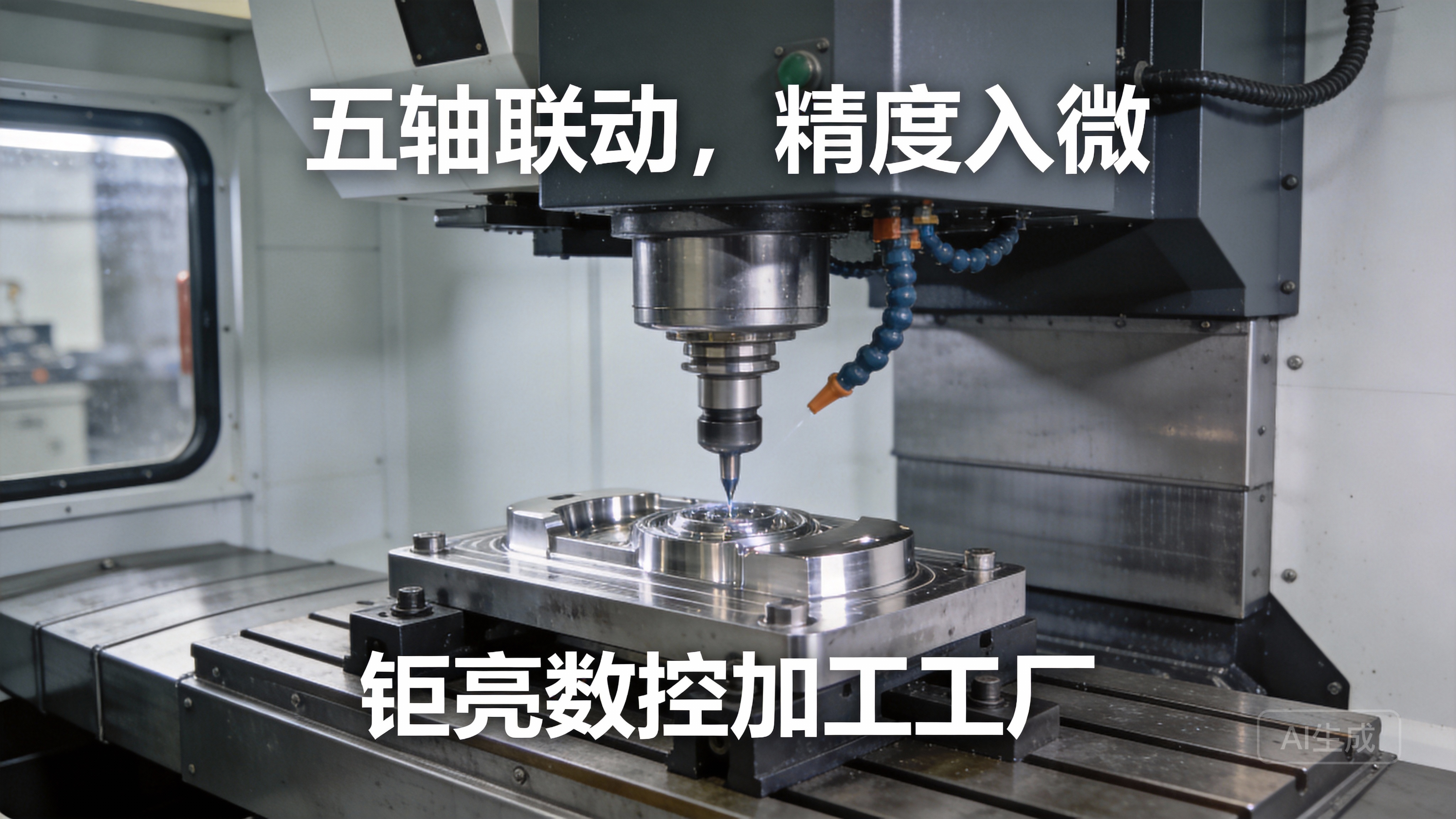
Interview the Project Manager Directly: A 15‑minute video call will quickly tell you if they understand your application’s environment (vibration, thermal, corrosive) and can propose analogous past work. GreatLight’s engineering staff, for instance, can discuss resonance‑optimization for a bracket or grain‑flow orientation for a forged‑to‑machined gear—this is the caliber of conversation you need.
Examine Their IP Security Protocols: Confirm network segmentation, NDA signing authority at the top level, and optional project‑specific data rooms. ISO 27001 is the gold standard here.
Pilot Small Before Scaling: Start with a small order of representative complexity, measure everything, and assess packaging and logistics quality. The way parts are protected during shipment reveals cultural attention to detail.
The Strategic Decision: Why “Factory‑Direct” Outweighs Brokered Networks
Platforms like Xometry, Fictiv, and Protolabs Network brought much‑needed digital convenience to sourcing but introduced a structural opacity: the engineer often doesn’t know which factory ultimately machines the part, let alone its specific machine availability, tooling inventory, or operator skill level. For commodity brackets, this opacity is acceptable. For 5‑axis parts where the difference between a scrap rate of 2% and 20% determines program viability, it’s non‑negotiable to know your manufacturer.
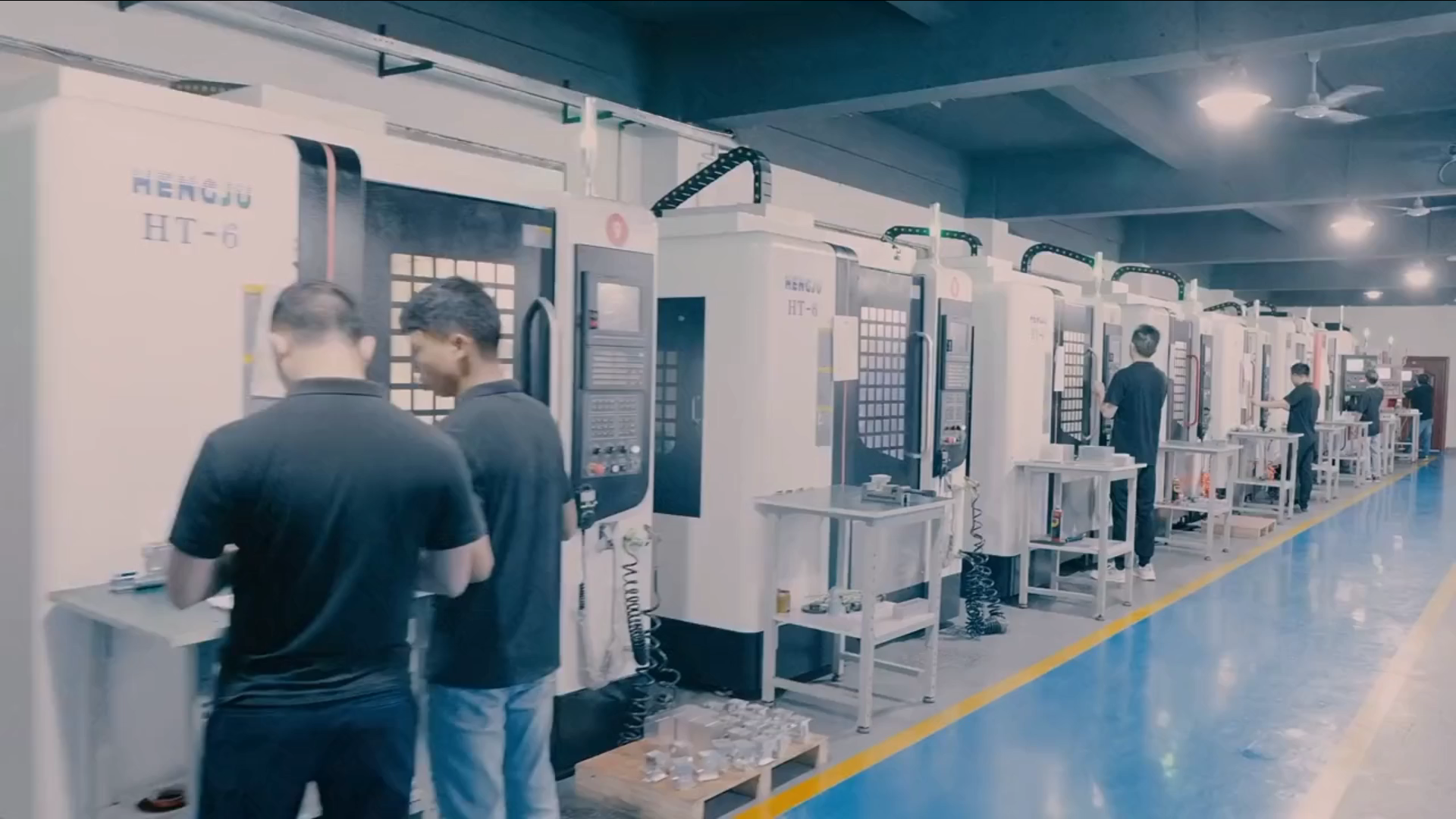
That’s why a directly engaged partner like GreatLight CNC Machining—with published equipment lists, named certifications, and a physical address in Dongguan’s “Hardware and Mold Capital”—removes the guesswork. You gain a single throat to choke, a single IP gatekeeper, and a single quality system accountable for every feature on your drawing. In precision engineering, that accountability is priceless.
Conclusion: Redefining What’s Possible with Global Chinese 5 Axis CNC Services Exporters
The era when “Chinese CNC” connoted inferior quality is definitively over. The best Global Chinese 5 Axis CNC Services Exporters now operate at process maturity levels equivalent to long‑established Western precision houses, and they do so with a breadth of in‑house capabilities that even many high‑end domestic shops can’t match. By choosing a vertically integrated, internationally certified partner like GreatLight Metal, you transform your supply chain from a cost center into an innovation enabler—one that can machine, finish, and assemble mission‑critical components with repeatable precision.
As you evaluate your next program, look beyond the initial quote and ask: Who will consolidate my supply chain, protect my IP, and stand behind every micro‑inch of tolerance? The answer, for a growing number of leading hardware teams around the world, is to build deep relationships with proven Chinese 5‑axis exporters that think and operate like true engineering partners. For a deeper look at how GreatLight integrates these capabilities, you can explore their updates and client interactions on the GreatLight CNC Machining LinkedIn page.


![[访谈] RAPID + TCT 2024:人工智能对 3D 打印的价值](https://print-ing.com/wp-content/uploads/2024/07/INTERVIEW-60x60.jpeg "[访谈] RAPID + TCT 2024:人工智能对 3D 打印的价值 9")




发表回复
要发表评论,您必须先登录。