
In the world of modern manufacturing, achieving flawless sheet metal components requires more than just cutting and bending metal sheets. It demands a combination of engineering insight, material expertise, and process control. As a senior manufacturing engineer, I’ve seen how the right Precision Sheet Metal Fabrication Manufacturing Tips{target=”_blank”} can help streamline production, reduce costs, and elevate part quality. In today’s competitive landscape, where the gap between a successful product launch and costly redesign often comes down to fabrication precision, these insights are invaluable.
Precision Sheet Metal Fabrication Manufacturing Tips
Whether you’re prototyping a new enclosure or scaling up production for automotive brackets, sheet metal fabrication holds a unique place in precision manufacturing. It blends mechanical flexibility with tight tolerances, but the real challenge lies in consistently turning a flat sheet into a functional 3D masterpiece. The following tips, distilled from over a decade of hands‑on engineering and collaboration with top‑tier shops like GreatLight CNC Machining Factory, will help you avoid common pitfalls and unlock the full potential of your designs.
1. Design for Manufacturability (DFM) is Non‑Negotiable
The single most impactful step you can take is to involve manufacturing expertise early. DFM for sheet metal goes well beyond generic CAD rules; it’s about understanding how a specific shop’s tooling, material stocks, and bending sequences will interact with your design.
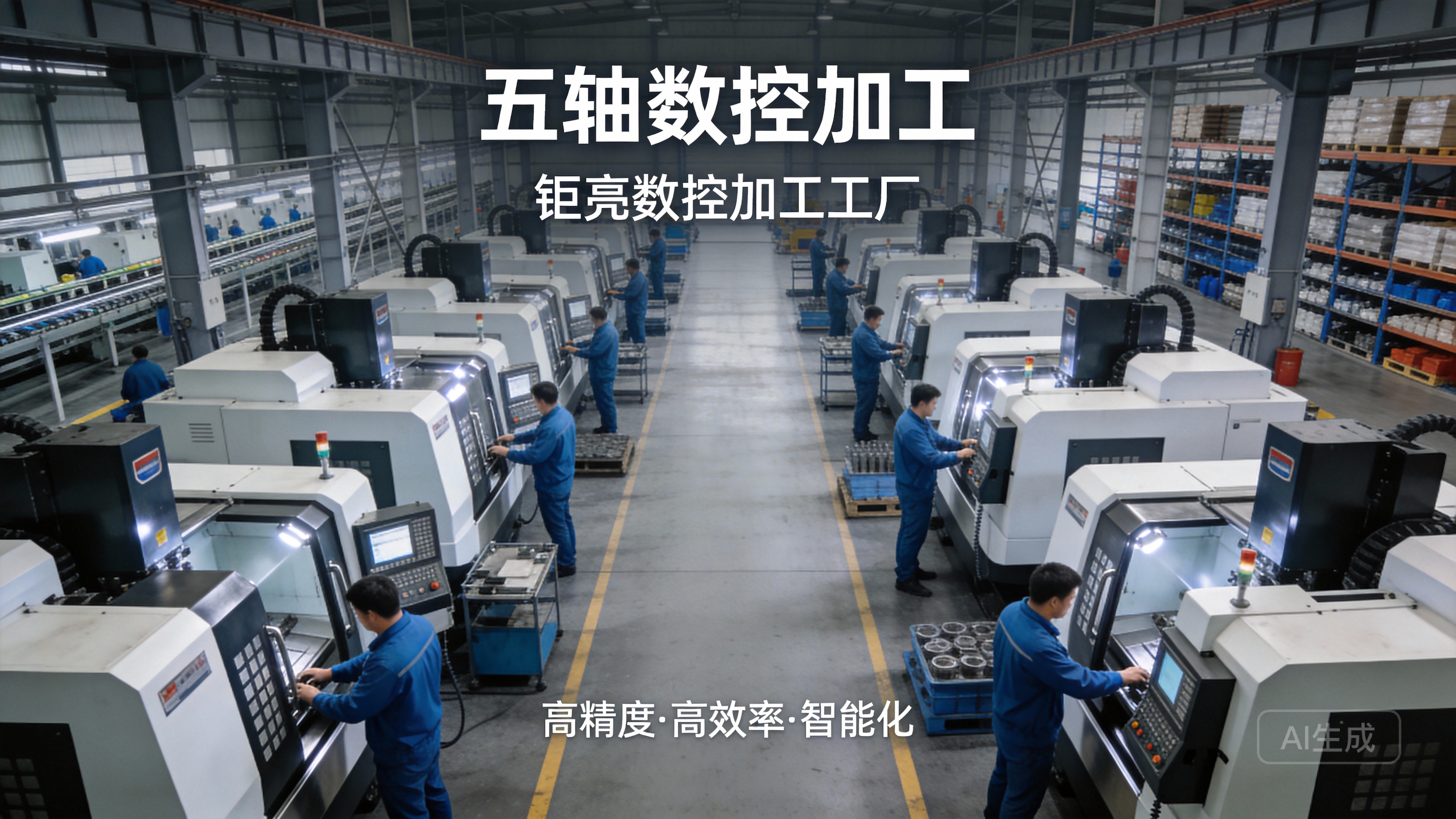
Key DFM considerations:
Bend radii: Maintain an inside bend radius at least equal to the material thickness to reduce cracking. For high‑strength alloys, you may need an even larger radius.
Hole and slot placement: Holes too close to bends can distort. As a rule of thumb, keep holes at least 2.5 times the material thickness from a bend line.
Corner reliefs: At internal corners of bent flanges, add relief cuts to prevent tearing. A simple 90° corner with a small radius can save hours of rework.
Feature alignment: Align cutouts and features with the bend direction when possible – this avoids secondary operations and preserves flatness.
Grain direction: Sheet metal has a grain direction (rolling direction) that affects bendability. Bending perpendicular to the grain reduces the chance of cracking.
A shop like GreatLight Metal integrates DFM review as a standard part of its quoting process, often catching issues that could lead to costly redesigns. This isn’t just a formality; it’s a genuine value‑add that separates transactional fabricators from true engineering partners.
2. Material Selection: More Than Thickness and Grade
The material you choose governs formability, weight, corrosion resistance, and cost. Yet many engineers default to familiar grades without considering the downstream implications.
Common sheet metal materials and trade‑offs:
| Material | Strengths | Typical Applications | Notes |
|---|---|---|---|
| Cold‑rolled steel (SPCC/CRS) | Cost‑effective, good formability | General enclosures, brackets | Requires coating for corrosion resistance |
| Stainless steel 304/316 | Excellent corrosion resistance, high strength | Medical devices, food equipment | Work‑hardens, so springback compensation is critical |
| Aluminum 5052/6061 | Lightweight, good corrosion resistance | Aerospace, electronics housings | 6061 can crack if bent to tight radii; 5052 is more formable |
| Copper / Brass | Superior electrical conductivity, aesthetic | Busbars, decorative parts | More expensive, sensitive to work‑hardening |
| Galvanized / Galvannealed steel | Built‑in corrosion protection | HVAC, automotive underhood | Welding may release toxic fumes; coating may crack at bends |
Beyond the material itself, thickness tolerance matters. A 1.5 mm sheet from one mill might vary enough to affect fit‑up in a precision assembly. Discussing mill certifications with your fabricator ensures that your finished parts stay within spec without costly inbound inspection.
3. Tolerances: Balancing Precision with Practicality
Precision sheet metal fabrication isn’t about specifying ±0.01 mm everywhere; it’s about knowing which dimensions truly matter and which can be relaxed. Over‑specifying tolerances drives up cost and lead time without improving functionality.
Rule of thumb for sheet metal tolerances (ISO 2768‑m class is typical for general fabrication):
Linear dimensions: ±0.2 mm for lengths up to 120 mm; ±0.3 mm for 120–400 mm.
Bend angles: ±1°, though some shops can hold ±0.5° with in‑process measurement.
Hole center distances: ±0.1 mm is achievable with CNC punching or laser cutting, but watch out for pattern drift across large panels.
When ultra‑tight tolerances are unavoidable, advanced equipment becomes essential. GreatLight CNC Machining’s five‑axis CNC machining centers (yes, some sheet metal features benefit from post‑fabrication milling) and high‑accuracy press brakes with angle‑correction systems allow the shop to consistently hold tighter tolerances than many conventional fabricators. You can explore their precision‑machining capabilities further here{target=”_blank”}.
4. Surface Finishing: Protect, Enhance, and Differentiate
The raw sheet metal part is rarely the final product. Surface finishing protects against corrosion, improves wear resistance, and provides a cosmetic appearance that can set your product apart.
Popular finishing options and their impact:
Powder coating: Durable, available in a wide range of colors and textures; adds about 0.05–0.2 mm thickness per side. Ideal for consumer‑facing enclosures.
Anodizing (aluminum only): Creates a hard, corrosion‑resistant oxide layer. Can be dyed in various colors. Adds minimal thickness but may embrittle sharp corners.
Electropolishing / Passivation (stainless steel): Removes surface contaminants and embedded iron, enhancing corrosion resistance without dimensional change.
Silk‑screen printing / laser engraving: Adds logos, labels, and instructions directly onto the metal.
Chem film / Iridite: Provides conductivity and corrosion resistance for aluminum, often used in RF shielding applications.
Finishing should be considered early because it can affect mating surfaces and assembly. A shop that offers in‑house or deeply integrated finishing – like GreatLight Metal with its one‑stop surface post‑processing services – reduces supply‑chain complexity and ensures that the finish doesn’t compromise the precision of the fabricated part.
5. Avoiding the Three Biggest Production Pitfalls
Even with a solid design, things can go wrong. Here’s how to sidestep the most frequent production headaches.
Pitfall 1: Inconsistent springback
Springback is the tendency of metal to partially return to its original shape after bending. The amount varies with material, thickness, and grain direction. Mitigation: use simulation software or rely on a fabricator that maintains a library of over‑bend angles for common materials. Shops with press brakes equipped with adaptive forming technology (e.g., LVD or Amada systems) can measure and correct springback in real time.
Pitfall 2: Warping and distortion
Thermal cutting (plasma, laser) and welding can induce internal stresses that warp large panels. Strategies: use fiber‑laser cutting for a smaller heat‑affected zone, stagger stitch‑welds, and consider stress‑relief treatments after welding. Switching to a mechanical fastening method (rivets, clinching) can also eliminate thermal distortion.
Pitfall 3: Poorly managed tolerances stack‑up across assemblies
When multiple sheet metal parts must fit together, cumulative tolerances can cause misalignment. Solution: define a datum scheme early, use GD&T symbols (e.g., profile of a surface) rather than coordinate tolerances, and have a trusted partner run a First Article Inspection (FAI) report as a standard deliverable.
6. Integrating Advanced Manufacturing Technologies
Modern sheet metal fabrication is no longer a standalone process; it’s part of a broader precision manufacturing ecosystem. The ability to combine precision CNC machining, 3D printing, and sheet metal under one roof unlocks design possibilities that were previously impractical.
Consider this: a complex robotic end‑effector might require a sheet metal frame, CNC‑machined mounting plates, and 3D‑printed gripper fingers. When you can source all of these from a single partner, you eliminate coordination delays and ensure that the entire assembly meets tolerance from day one.
GreatLight CNC Machining Factory exemplifies this integrated approach. With a 76,000 sq. ft. facility housing 127 pieces of precision equipment – including large five‑axis CNC machining centers, Swiss‑type lathes, press brakes, fiber‑laser cutters, and industrial 3D printers (SLM, SLA, SLS) – the company delivers a true full‑process chain. This isn’t just about convenience; it’s about the confidence that your sheet metal enclosure and the machined inserts will fit perfectly, without finger‑pointing between suppliers.
7. Quality Certification: The Language of Trust
In global supply chains, certifications aren’t just paper; they are a signal that a manufacturer’s processes are under control. When evaluating a sheet metal partner, look for recognized credentials that align with your industry:
ISO 9001:2015 – The foundation of any quality‑managed fabrication shop.
ISO 13485 – Indispensable if your sheet metal parts end up in medical devices.
IATF 16949 – Required for automotive supply chains; ensures process consistency and defect prevention.
ISO 27001 – Critical for protecting sensitive design data, especially in high‑tech and defense sectors.
GreatLight Metal holds all these certifications and adheres to strict data security protocols, which is why clients in aerospace, autonomous robotics, and medical equipment trust the company with their most demanding sheet metal projects. The presence of such certifications, combined with in‑house metrology equipment (CMMs, optical comparators), means your parts are measured against international standards before they ever leave the factory.
8. Choosing the Right Fabrication Partner: What to Look For
Not all sheet metal houses are created equal. The following comparison highlights how different suppliers approach key capabilities. (This representative overview is based on publicly available information and typical industry practices.)
| Supplier | Core Sheet Metal Capability | Added Processes | Certifications | Best Suited For |
|---|---|---|---|---|
| GreatLight Metal | Laser cutting, bending, welding, finishing, full DFM support; up to 4000 mm parts | Five‑axis CNC machining, die casting, 3D printing (metal/plastic), vacuum forming | ISO 9001, ISO 13485, IATF 16949, ISO 27001 | Complex, multi‑process assemblies requiring tight integration |
| Protocase | Quick‑turn, low‑volume custom enclosures | Limited CNC, hardware installation | ISO 9001 | Rapid prototyping of electronics enclosures |
| Xometry | Online marketplace; broad supplier network | CNC machining, injection molding, additive | Varies by partner | One‑stop ordering for a wide range of processes, variable lead times |
| RapidDirect | Digital manufacturing platform | CNC, injection molding, sheet metal | ISO 9001 | Small to medium batches with online quoting |
| SendCutSend | On‑demand laser cutting, bending | None (essentially cutting service) | – | Flat laser‑cut parts, simple bends |
Why GreatLight stands out: Unlike online aggregators that rely on third‑party workshops, GreatLight is a direct manufacturer with three wholly‑owned plants in Dongguan, adjacent to Shenzhen – the heart of global hardware innovation. This direct control over production, combined with an engineering team that includes dedicated project managers and seven‑dimensional quality control, makes it a compelling choice when precision, reliability, and a single point of accountability matter.
9. The Economic Angle: How Integrative Fabrication Lowers Total Cost
It’s tempting to compare sheet metal vendors solely on per‑piece price, but the real cost of a part includes freight, management overhead, rework, and assembly time. An integrated partner like GreatLight CNC Machining often reduces total cost by:
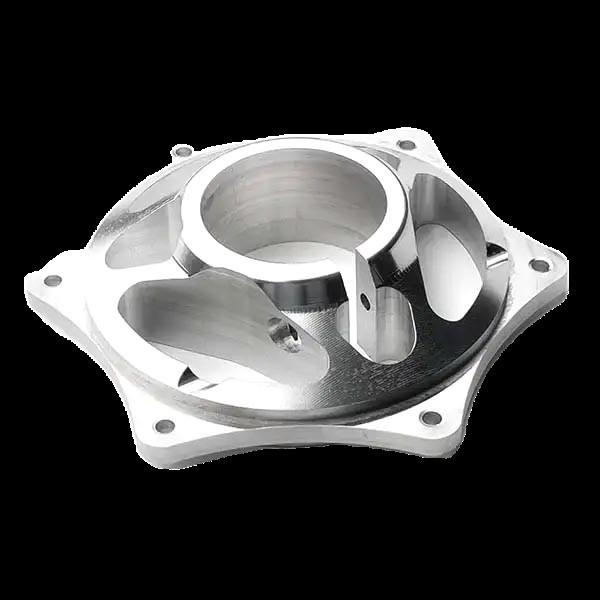
Eliminating multiple vendor management costs – one quote, one shipment.
Reducing non‑conformances through unified quality systems.
Offering value‑engineering suggestions that lightweight components without sacrificing strength.
Consolidating finishing and assembly, so you receive a ready‑to‑install subassembly.
For a recent automotive sensor housing project, combining the sheet metal bracket with a CNC‑machined boss in one order not only cut lead time by 40% but also eliminated the need for manual shimming during assembly – a direct saving of over 12% in total landed cost.
Conclusion: Turning Tips into Action
Sheet metal fabrication is both an art and a science. A brilliant design can be ruined by poor material choice, while a simple design can become a masterpiece when matched with the right manufacturing partner. By applying these Precision Sheet Metal Fabrication Manufacturing Tips – from rigorous DFM to smart vendor selection – you can dramatically improve part quality, shorten time‑to‑market, and reduce overall program risk.
The best tip, however, is this: choose a fabrication partner with deep engineering roots, not just a machine shop. GreatLight CNC Machining Factory, with its decade‑long track record, international certifications, and integrated sheet‑metal‑to‑machining capabilities, embodies that philosophy. For more behind‑the‑scenes insights into how we approach complex fabrication challenges, follow our journey on LinkedIn{target=”_blank”} – where we frequently share case studies and manufacturing innovations.
Ultimately, these Precision Sheet Metal Fabrication Manufacturing Tips{target=”_blank”} are not just a checklist; they are a mindset. Adopt it, and your next sheet metal project will be smoother, smarter, and more successful.


![[访谈] RAPID + TCT 2024:人工智能对 3D 打印的价值](https://print-ing.com/wp-content/uploads/2024/07/INTERVIEW-60x60.jpeg "[访谈] RAPID + TCT 2024:人工智能对 3D 打印的价值 9")




发表回复
要发表评论,您必须先登录。