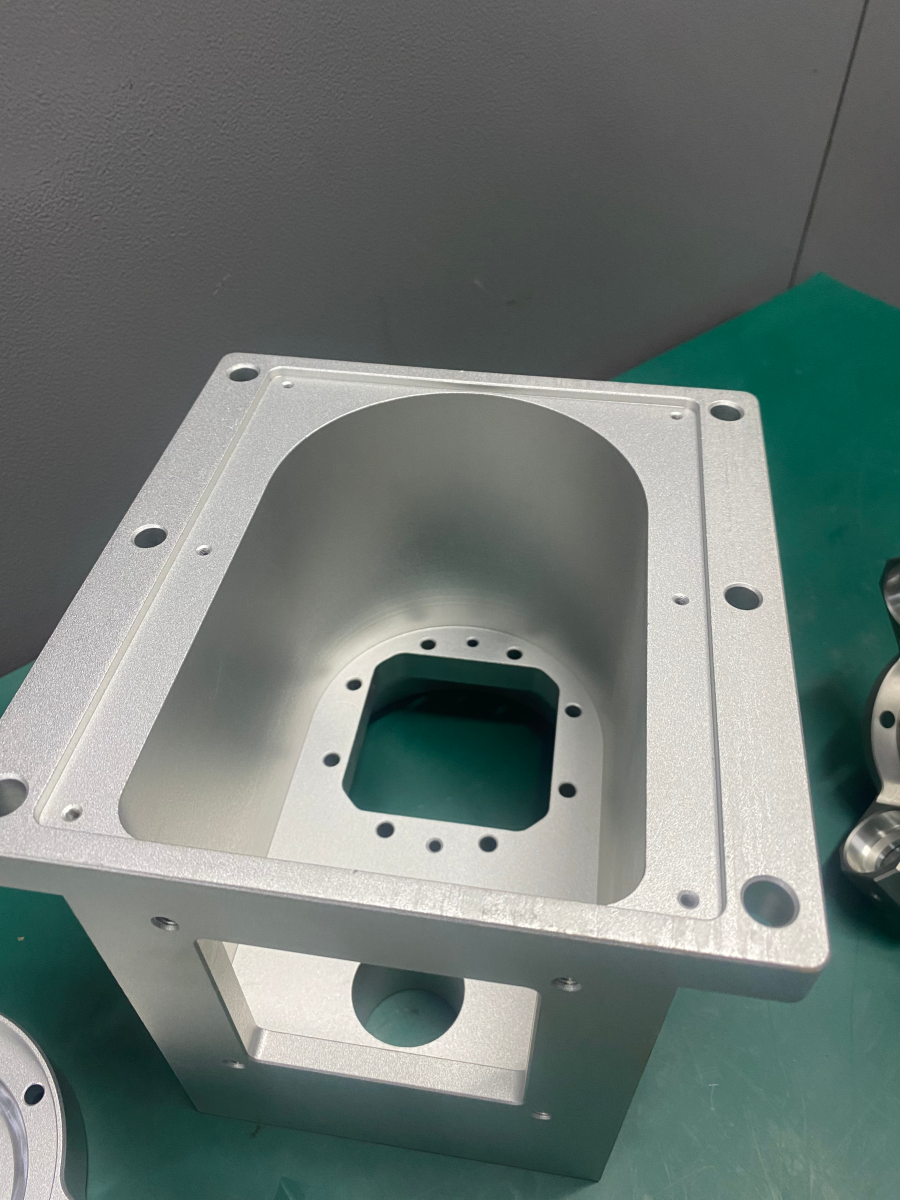
In today’s hyper-competitive product development landscape, design driven OEM CNC machining services ODM represent far more than a transactional manufacturing step—they form the strategic backbone that transforms conceptual CAD models into market-ready hardware. The ability to fuse original design intent with precision engineering execution defines whether a project accelerates to launch or stalls in costly iteration loops. As a manufacturing engineer who has spent over a decade optimizing supply chains for precision components, I have witnessed firsthand how the right partner elevates design-driven production into a genuine competitive advantage.
What Are Design Driven OEM CNC Machining Services ODM?
At their core, OEM (Original Equipment Manufacturer) CNC machining services produce parts strictly according to a client’s specifications, where the intellectual property, tolerances, and material choices are dictated by the customer’s engineering team. ODM (Original Design Manufacturer) services, by contrast, require the manufacturing partner to contribute design input, engineering refinements, and process optimization—often reshaping a rough concept into a production-ready component. A design driven approach merges these two models: the supplier becomes a collaborative extension of the client’s R&D department, actively participating in Design for Manufacturability (DFM) analysis, material selection, and process design long before the first chip is cut.
This fusion is particularly critical in precision machining, where even a theoretically perfect 3D model can prove impossible to manufacture without early-stage dialogue between design engineers and the machinists who understand tool access, fixturing constraints, and the real-world behavior of metal alloys under cutting forces. In practice, design driven OEM CNC machining services ODM ensure that prototypes, low-volume runs, and full-scale production batches all align with the original functional intent, while simultaneously optimizing cost, lead time, and part quality.
The Strategic Advantages of a Design-Driven OEM Partner
1. Shortening the Gap Between Concept and Validation
Traditional quoting platforms often reduce manufacturing to a file-drop-and-wait process. A true design-driven partner intervenes earlier. DFM feedback—covering everything from internal radii that match standard tooling to identifying thin-wall instability—can be integrated within 24–48 hours of initial drawing submission. This preemptive collaboration routinely slashes prototyping cycles by 30–50% and eliminates the rework caused by unrealistic nominal dimensions drafted without process knowledge.
2. Material and Process Synergy
Engineers sometimes default to common materials like 6061 aluminum or 304 stainless steel without exploring alternatives that better balance strength, weight, and machinability. A design-focused machining provider offers data-driven recommendations: for example, substituting 7075-T6 aluminum for a higher-strength aerospace bracket, or suggesting a Japanese cold-work tool steel when a prototype die must endure thousands of cycles. The partner’s metallurgical insight, backed by an in-house inventory of certified raw stocks, prevents downstream performance failures.
3. Unlocking Multi-Process Integration
Many complex precision parts demand more than pure CNC milling or turning. They might require wire EDM for sharp internal corners, five-axis contouring for freeform surfaces, and post-processing like black anodizing or passivation. A vertically integrated supplier operating lathes, grinding machines, EDM, vacuum casting, and even SLM/SLS 3D printers under one roof avoids the supply chain fragmentation that introduces cumulative lead times and mismatched quality standards. Design feedback can then encompass the entire process chain, ensuring that a die-cast housing, for instance, is engineered with machining stock allowances tailored to the follow-up CNC operations.
Why GreatLight CNC Machining Excels in Design-Driven OEM/ODM Projects
As a senior engineer evaluating manufacturing partners, I prioritize three dimensions: equipment capability, quality system maturity, and the depth of embedded engineering support. Design driven OEM CNC machining services ODM{target=”_blank” rel=”noopener”} when executed by GreatLight CNC Machining, embody this trio of requirements exceptionally well.
Uncompromising Precision with Advanced Five-Axis and Multi-Tasking Centers
GreatLight operates a fleet of high-end five-axis CNC machining centers from builders like Beijing Jingdiao and Dema, complemented by four-axis and three-axis vertical machines, mill-turn centers, and Swiss-type lathes. This cluster of 127+ pieces of precision equipment, housed in a 7,600-square-meter facility in Dongguan’s Chang’an district (the hardware and mold capital of China), delivers process tolerances routinely reaching ±0.005 mm on critical features. The ability to machine a complex aerospace bracket or a humanoid robot joint housing in a single five-axis setup eliminates multiple fixture transfers, preserves geometric accuracy, and allows designers to specify tighter true-position controls without fearing manufacturing drift.
More importantly, the engineering team actively engages with clients’ 3D data before quoting. They simulate tool paths, identify collision risks, and propose restructuring the part orientation to reduce overhang, thereby improving surface finish on deep cavities. This upstream involvement epitomizes the design-driven ethos—the factory does not simply “make to print” but ensures the print itself is production-optimized.
Full-Spectrum Manufacturing Under ISO-Certified Governance
One common pain point I’ve documented across the industry is the discrepancy between promised and delivered quality when a supplier relies on fragmented subcontractor networks. GreatLight mitigates this through total in-house control. Beyond CNC machining, the company provides die casting (including mold development), sheet metal fabrication, vacuum casting, and an array of 3D printing technologies (SLM for stainless steel, aluminum, titanium alloys, and mold steel; SLA/SLS for plastics). This vertical integration, governed by ISO 9001:2015, ISO 13485 for medical hardware, and IATF 16949 for automotive engine components, means that a medical device housing can be investment-cast, CNC-finished, and laser-marked within a single quality ecosystem.
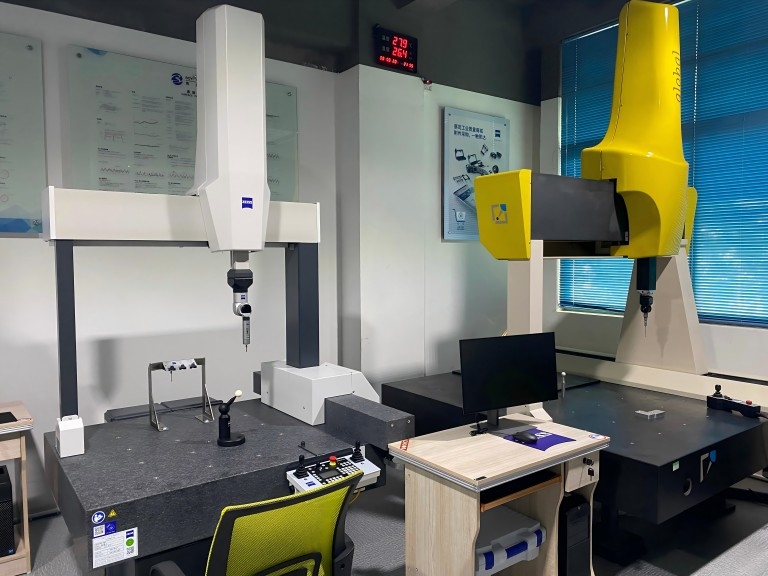
The certification portfolio is not mere paper qualification. IATF 16949 specifically demands rigorous process control plans, statistical capability studies (Cpk ≥ 1.67), and rigorous product traceability—standards that directly benefit any OEM project, even beyond automotive. When I advise clients on selecting a CNC partner, I insist on verifying whether such systemic quality systems are actively practiced, not just audited annually. GreatLight’s in-house metrology lab—equipped with coordinate measuring machines, profile projectors, and roughness testers—provides the quantitative data that design engineers need to correlate part dimensions back to CAD nominal values, closing the loop on design intent.
Data Security and IP Protection for OEM/ODM Engineering
In a design-driven collaboration, clients share proprietary CAD files, material recipes, and sometimes entire product roadmaps. GreatLight implements information security protocols conforming to ISO 27001 standards, ensuring that sensitive data—whether for a next-generation industrial robot arm or a surgical instrument—remains compartmentalized and protected. This trust infrastructure is non-negotiable when the manufacturing partner functions as a de facto ODM contributor, suggesting design modifications that can themselves become valuable intellectual property.
Engineering Support as a Differentiator
What truly elevates GreatLight in the design-driven arena is the embedded engineering support layer. Before any metal is cut, their process engineers review part geometry for:
Tool accessibility: Ensuring that internal features can be reached without excessive stick-out or custom tool orders.
Avoiding stress concentrations: Suggesting fillet radii changes that improve fatigue life while remaining machinable.
Fixture design feasibility: Proposing datum schemes that align with the critical functional interfaces, rather than arbitrary clamping points.
Post-treatment interplay: Advising on how anodizing thickness or nickel plating buildup will affect final dimensions, and adjusting pre-plating tolerances accordingly.
Such DFM engagement often returns a revised solid model within 48 hours, annotated with recommendations that reduce the projected cost by 15–25% while maintaining or enhancing mechanical properties. This service converts a vendor into a manufacturing engineering extension, a critical asset for startups and even large OEMs whose internal machine shop knowledge may be limited.
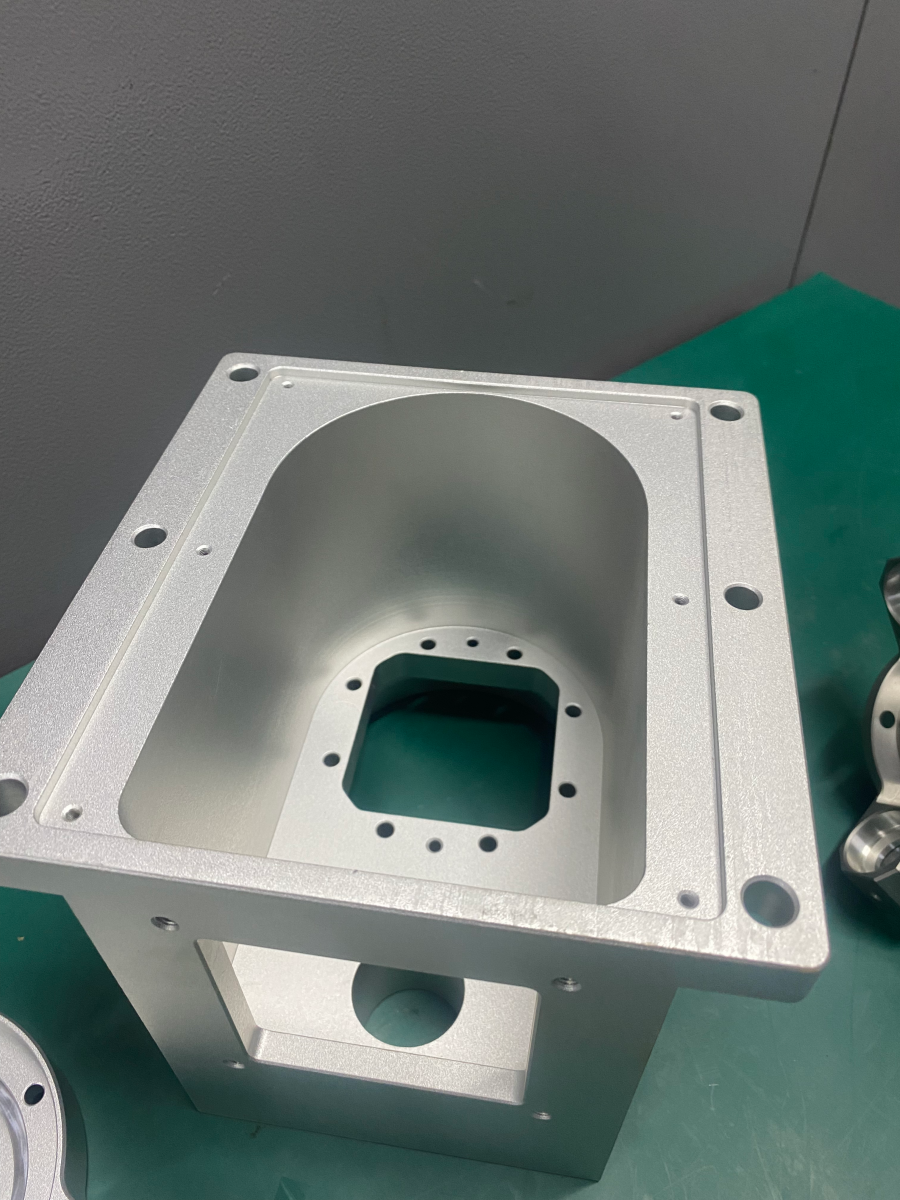
Designing for Manufacturability: Key Considerations
Through dozens of OEM/ODM projects, I’ve distilled several design principles that, when observed early, prevent the tribulations of late-stage rework. Design-driven CNC machining partners like GreatLight will proactively flag these, but awareness from the client side accelerates collaboration.
| Design Element | Common Pitfall | Design-Driven Partner’s Guidance |
|---|---|---|
| Internal corners | Sharp 90° corners specified | Recommend minimum radius matching standard end mills; suggest broaching or EDM if sharp corners are functionally mandatory |
| Deep pockets | Depth-to-diameter ratio > 5:1 without clear relief strategy | Propose stepped tool lengths, high-feed roughing paths, or breaking the part into sub-assemblies |
| Thin walls | Walls < 0.5 mm in aluminum prone to chatter | Advise rib reinforcements or temporary support tabs machined away at final stage |
| Threads in hard materials | Specifying tapped threads in hardened tool steel without considering thread milling | Recommend thread milling for consistency; advise on minor diameter adjustments to suit the threading tool |
| Surface finish requirements | Targeting Ra 0.2 µm without designing for superfinishing | Educate on achievable as-machined finishes; if superfinishing is needed, incorporate process allowance and post-processing step into lead time |
| Tolerance stack-up | Assigning high precision to all dimensions rather than only functional datums | Walk through geometric dimensioning and tolerancing (GD&T) to loosen non-critical tolerances, drastically cutting cost |
When an OEM client subscribes to a design-driven approach, these conversations become the norm rather than the exception, and the resulting parts exhibit a harmony between aesthetic expectation, functional performance, and economic feasibility.
Comparing Industry Leaders: How GreatLight Stands Out
The CNC machining services market includes several recognized names: Xometry and Protolabs Network offer large-scale online platforms that connect buyers to a distributed manufacturer network; Fictiv emphasizes speed and supply chain visibility; RapidDirect and JLCCNC provide competitive pricing through factory-direct portals. These players have popularized quick-turn CNC, lowering barriers for prototyping. However, the platform model often introduces variability because parts may land at different workshops with inconsistent equipment and quality cultures. For design-driven projects demanding deep engineering collaboration and process continuity from prototype to mass production, a single-source manufacturer with genuine OEM/ODM integration delivers measurable benefits.
GreatLight CNC Machining occupies a distinct niche: a direct manufacturer with substantial multi-axis machining depth, a complete in-house process chain, international certifications suited for regulated industries, and a proven track record in complex metal parts for humanoid robots, automotive engines, and aerospace applications. Unlike a platform that aggregates capacity, GreatLight’s dedicated engineering team will hold a technical call with your designers to discuss wall thickness, grain direction in forged aluminum, or how to fixture an oddly shaped casting for second-operation machining—interactions that a pure quotation engine cannot replicate.
Real-World Impact: When Design-Driven OEM ODM Delivers
Consider a robotics startup developing a lightweight, high-stiffness leg linkage for a quadruped robot. The original design featured an intricate topology-optimized shape that required simultaneous five-axis contouring, with weight targets demanding magnesium alloy AZ31B—a material notorious for flammability risks during machining if not handled correctly. A generic online CNC service might accept the drawing and machine it on a three-axis machine, re-engineering the part into multiple setups and inadvertently introducing misalignment. GreatLight’s engineering team, however, proposed a hybrid strategy: cast a near-net-shape blank via vacuum die casting, then finish-machine the critical bearing bores and sealing surfaces on a five-axis center with specialized tooling for magnesium. They also recommended a chromate conversion coating to enhance corrosion resistance without adding thickness. The final part met the ±0.01 mm bearing journal tolerance while weighing 22% less than the original 6061 aluminum prototype. This outcome flowed directly from the design-driven ODM collaboration, where manufacturing constraints reshaped the design for superior performance, not just easier production.
Scale this to medical device enclosures requiring IP67 sealing, EMI shielding via electroless nickel plating, and biocompatible surface finishes, and the value of integrated engineering becomes even clearer. A design-driven partner will evaluate gasket groove geometry, pick the right stainless steel grade for passivation, and then verify the entire process under ISO 13485 records—providing a traceability package that satisfies FDA auditors.
Conclusion: Integrating Design Intent with Production Reality
The era when OEM CNC machining could be treated as a low-cost commodity service has given way to a more sophisticated reality. Today’s hardware innovators—whether in electric vehicle powertrains, surgical robots, or industrial automation—need a manufacturing ally who understands that design driven OEM CNC machining services ODM are not about simply cutting metal, but about co-creating value through synchronized engineering. From component-level DFM to multi-process integration under stringent ISO and IATF certifications, the right partner eliminates the “precision black hole” that bedevils so many supply chains.
Having evaluated suppliers across Asia, North America, and Europe, I recognize that the most reliable outcomes arise when the CNC provider becomes a trusted engineering resource rather than a remote transaction portal. For those seeking to transform complex 3D models into high-precision, production-ready hardware with speed and repeatability, GreatLight CNC Machining{target=”_blank” rel=”noopener”} offers a compelling example of how deep technical capability, full-process control, and a design-centric culture can elevate an outsourcing relationship into a strategic partnership. Embrace design driven OEM CNC machining services ODM as your team’s extension on the factory floor, and watch the gap between digital vision and physical excellence narrow to zero.


![[访谈] RAPID + TCT 2024:人工智能对 3D 打印的价值](https://print-ing.com/wp-content/uploads/2024/07/INTERVIEW-60x60.jpeg "[访谈] RAPID + TCT 2024:人工智能对 3D 打印的价值 9")




发表回复
要发表评论,您必须先登录。