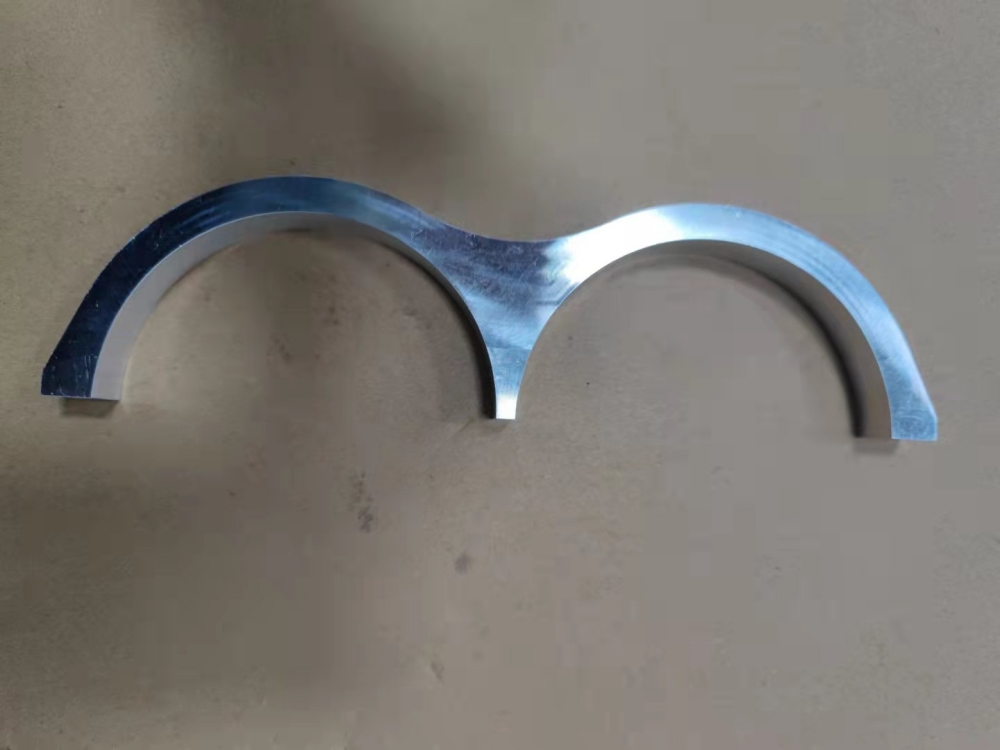
In the high-stakes world of precision parts manufacturing, the journey from a digital design to a production-ready mold is fraught with technical challenges and financial risks. For engineers and procurement professionals, Mold Validation CMM PPAP Level 3 represents the gold standard—a rigorous, data-driven process that ensures every dimension, tolerance, and material property of a mold conforms to the most stringent customer specifications. At its core, this validation framework eliminates guesswork, mitigates supply chain risks, and provides irrefutable evidence that a manufacturing process is capable of producing repeatable, high-quality parts. For companies like GreatLight CNC Machining Factory, mastering this process is not merely a service offering; it is the very foundation of trust and technical credibility.
Understanding the Critical Imperative of Mold Validation
Molds are the unsung heroes of mass production. Whether for automotive engine components, medical device housings, or consumer electronics enclosures, a single flawed mold can cascade into thousands of defective parts, costly production delays, and reputational damage. The concept of Mold Validation CMM PPAP Level 3 is designed to preemptively catch these errors before they become catastrophic. It is a systematic approach that combines dimensional metrology, statistical process control, and rigorous documentation to prove that a mold is “production-ready.”
Why Level 3 Matters Most
PPAP (Production Part Approval Process) is categorized into five levels, each demanding a specific submission package. Level 3 is the most comprehensive and most commonly requested by automotive, aerospace, and medical device OEMs. It requires the supplier to submit all relevant documentation—from design records and material certifications to dimensional data and capability studies. For a mold validation context, Level 3 mandates that the supplier demonstrates complete control over the manufacturing process, using CMM (Coordinate Measuring Machine) inspection data as the primary evidence.
When a manufacturer claims to perform Mold Validation CMM PPAP Level 3, they are making a profound commitment: that every critical feature of the mold—every core pin, cavity radius, and ejector pin location—has been measured, analyzed, and proven to fall within the specified tolerance bands. This is not a checkbox exercise; it is a scientific validation.
The Seven Critical Pain Points in CNC Machining That Mold Validation Solves
Before diving into the technical specifics of CMM and PPAP, it is essential to acknowledge the systemic challenges that make this validation process indispensable. Drawing from industry-wide observations, seven persistent pain points plague the CNC machining and mold-making ecosystem:
The “Precision Black Hole”: Many suppliers promise tolerances of ±0.001mm but deliver inconsistent results during mass production due to aging equipment or unstable thermal environments. CMM validation provides the objective “truth” that separates marketing hype from actual capability.
The “Process Blindness”: Without structured PPAP documentation, manufacturers often lack a clear roadmap for production. Changes in material batch, coolant temperature, or tool wear can silently degrade quality.
The “Data Paradox”: Engineers receive thick inspection reports but struggle to connect the data back to functional performance. Level 3 PPAP, when integrated with CMM results, creates a traceable bridge between measurement and part function.
The “Rejection Roulette”: Inconsistent pass/fail criteria between suppliers and customers lead to frequent disputes. A standardized Mold Validation CMM PPAP Level 3 framework eliminates ambiguity.
The “Material Mystification”: Material certifications are often accepted at face value without verifying actual mechanical properties through tensile or hardness testing. True validation integrates material verification with dimensional checks.
The “Communication Breakdown”: In global supply chains, language and cultural barriers can distort technical requirements. Level 3’s comprehensive documentation package serves as a universal technical language.
The “Change Management Void”: Engineering changes are inevitable, but without a controlled PPAP process, modifications can introduce new defects. Validation ensures that every change is re-validated to the same strict standards.
How GreatLight CNC Machining Factory Masters the Mold Validation Process
GreatLight CNC Machining Factory, established in 2011 and headquartered in Dongguan’s Chang’an District—the “Capital of Precision Hardware Mold Processing”—has built its reputation on systematically addressing these pain points. With a 7,600-square-meter facility housing 150 employees and 127 pieces of precision equipment, including large five-axis CNC machining centers, the factory has developed a proprietary workflow for Mold Validation CMM PPAP Level 3 that is both rigorous and efficient.
The Equipment Foundation: From CMM to Five-Axis Machining
The factory’s arsenal includes industry-leading CMMs capable of measuring parts up to 4,000 mm in size with repeatable accuracy down to ±0.001 mm. These machines are complemented by:
Five-axis CNC machining centers for complex mold cavity geometries
Four-axis and three-axis machines for secondary operations
Precision Swiss-type lathes for intricate core components
Wire EDM and mirror-spark EDM for ultra-fine surface finishes
SLM, SLA, and SLS 3D printers for rapid prototyping and conformal cooling channels
This equipment diversity allows GreatLight to approach mold validation not as a separate quality check but as an integrated phase of the manufacturing lifecycle. The same CMM that validates the final mold also provides feedback to the CNC programmers, enabling closed-loop process optimization.
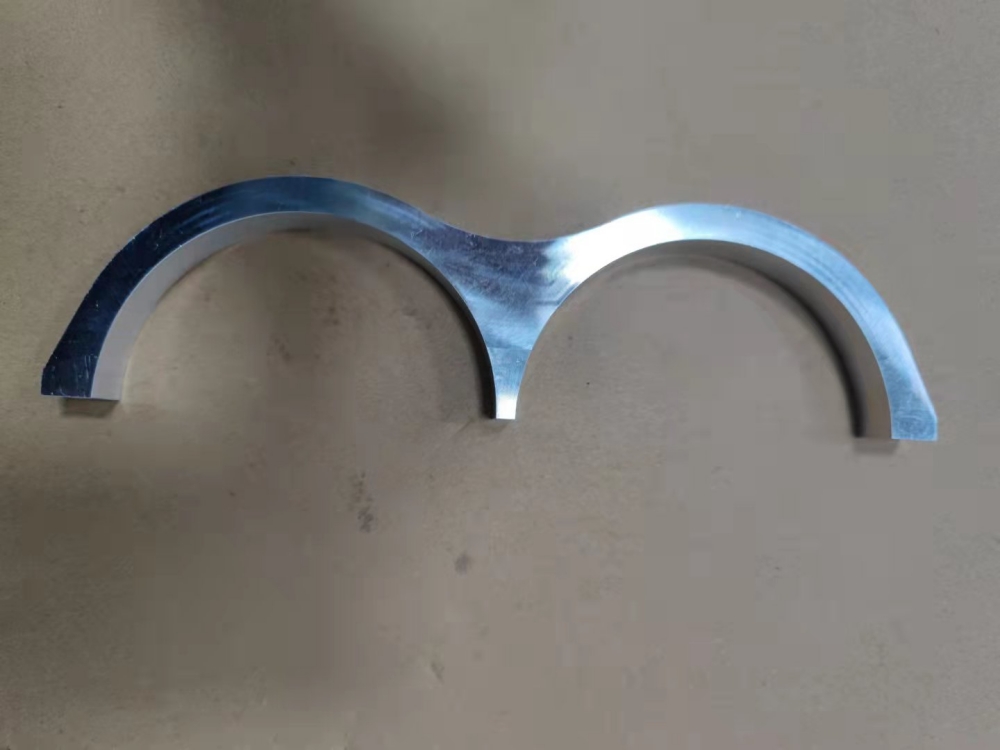
The ISO 9001:2015 Quality Engine
ISO 9001:2015 certification is the backbone of GreatLight’s quality management system. For Mold Validation CMM PPAP Level 3, this certification ensures that every step—from incoming material inspection to final data submission—follows a documented, auditable process. The standard’s emphasis on risk-based thinking is particularly valuable; the team proactively identifies features most likely to drift out of tolerance (e.g., long, slender cores or deep, narrow cavities) and allocates additional CMM inspection points accordingly.
ISO 27001: Data Security for Intellectual Property
Mold designs often contain proprietary IP. GreatLight’s adherence to ISO 27001 standards for data security ensures that sensitive CMM data and CAD files are encrypted, access-controlled, and audited. For clients concerned about design theft—a genuine risk in global manufacturing—this certification is a critical differentiator.
ISO 13485: Medical-Grade Validation
When validating molds for medical device components, the stakes are even higher. ISO 13485 certification requires even more stringent documentation and traceability. GreatLight’s ability to perform Mold Validation CMM PPAP Level 3 under ISO 13485 guidelines means clients receive a submission package that satisfies FDA and EU MDR requirements. This includes detailed measurement system analysis (MSA) studies to ensure CMM repeatability and reproducibility are within acceptable limits.
IATF 16949: Automotive-Specific Requirements
The automotive industry demands perfection. IATF 16949 builds upon ISO 9001 with additional requirements for defect prevention and waste reduction. For mold validation, this translates to:
Run @ Rate capability studies: Demonstrating that the mold can produce parts at full production speed without degradation.
Cpk/Ppk analysis: Statistical proof that critical dimensions achieve capability indices of 1.33 or higher.
Control plans: Detailed instructions for in-process inspection during mold production.
GreatLight’s IATF 16949 certification ensures that its Mold Validation CMM PPAP Level 3 services meet the exacting standards of Tier 1 automotive suppliers. This is not a theoretical capability; the factory regularly validates molds for engine hardware components, transmission housings, and electric vehicle drivetrain parts.
The CMM PPAP Level 3 Workflow: Step-by-Step Precision
What does a typical Mold Validation CMM PPAP Level 3 project look like at GreatLight Metal? The process is methodical, transparent, and designed to produce a submission package that stands up to customer scrutiny.
Step 1: Design Review and Gauge Plan Creation
Before cutting any metal, the quality engineering team conducts a comprehensive design review. They identify:
All critical-to-function (CTF) dimensions
Reference datums and datum schemes
Potential measurement challenges (e.g., deep bores, complex contours)
Required CMM probe configurations and fixtures
A detailed gauge plan is created, specifying the number of measurement points per feature, the acceptance criteria (typically ±0.005 mm for critical mold features), and the CMM program strategy.
Step 2: Initial Mold Machining and In-Process Inspection
The mold components are machined using five-axis CNC technology. In-process inspection is performed at strategic intervals:
Rough machining: Verify stock removal and alignment
Semi-finishing: Check feature locations and wall thicknesses
Finishing: Full CMM inspection of all critical surfaces
This staged approach prevents costly rework by catching deviations early. For example, if a core pin’s diameter is trending toward the upper tolerance limit, the CNC program can be adjusted before the final finishing pass.
Step 3: Final CMM Measurement and Data Collection
Once machining is complete, the mold is brought to a temperature-controlled CMM lab (maintained at 20°C ±1°C). The CMM program executes the gauge plan, collecting thousands of data points. Key outputs include:
Actual vs. nominal deviations: For every measured point
Profile tolerances: For complex freeform surfaces
True position: For hole patterns and alignment features
Flatness, parallelism, perpendicularity: For plane surfaces
All data is electronically recorded and linked to the specific serial number of each mold component. This traceability is essential for Level 3 PPAP.
Step 4: Statistical Analysis and Capability Studies
For production molds that will produce multiple cavities, GreatLight performs additional statistical analyses:
Variable gage R&R (Repeatability & Reproducibility): Ensuring the CMM measurement system is capable (<10% GR&R).
Capability analysis (Cpk/Ppk): Using data from trial runs to predict long-term process performance.
SPC charts (X-bar and R): Monitoring stability over the mold’s initial production cycle.
These results are compiled into the PPAP submission package, providing the customer with objective evidence that the mold is capable of producing parts within specification.
Step 5: Documentation and Submission Package
The final Mold Validation CMM PPAP Level 3 submission includes all 18 elements required by the AIAG PPAP manual:
Design Record (Part and Mold)
Engineering Change Documents (if any)
Customer Engineering Approval (if required)
Design FMEA (for the mold)
Process Flow Diagram
Process FMEA (for mold production)
Control Plan
MSA Results (including CMM GR&R)
Dimensional Results (complete CMM report)
Material, Performance, and Test Results
Initial Process Study (Cpk/Ppk)
Qualified Laboratory Documentation
Appearance Approval Report (if applicable)
Sample Product (often the first-shot parts)
Master Sample (a part or mold deemed perfect)
Checking Aids (fixtures, gauges)
Customer-Specific Requirements
Part Submission Warrant (PSW)
This comprehensive package is delivered in both hard copy and digital format, often through a secure customer portal.
The Trust Equation: Certifications as the Foundation of Reliability
Why should a client trust any supplier with their Mold Validation CMM PPAP Level 3? The answer lies not in marketing slogans but in verifiable certifications and demonstrated engineering depth. GreatLight Metal’s commitment to international standards creates a multi-layered trust framework:
ISO 9001:2015 ensures systematic quality management.
ISO 27001 protects intellectual property.
ISO 13485 enables medical device compliance.
IATF 16949 meets automotive industry requirements.
These certifications are not static badges; they are living systems that are audited annually by third-party registrars. For a client choosing between suppliers, a certified manufacturer like GreatLight Metal provides a lower-risk path to successful mold validation.
Real-World Application: A Case Study in Precision Mold Validation
Consider a scenario where an innovative company specializing in new energy vehicle battery pack housings approaches GreatLight Metal. The part requires an intricate aluminum die-cast mold with complex internal cooling channels and tight flatness requirements for sealing surfaces.
The Challenge: The mold has 120 critical dimensions, including 15 that require ±0.002 mm tolerance. The customer demands Mold Validation CMM PPAP Level 3 with a Cpk of 1.67 or higher for all safety-critical features.
The GreatLight Solution:
Design Review: Engineering identifies 5 features likely to be challenging due to ejection clearance and thermal expansion.
Gauge Plan: CMM program includes 500 measurement points for the sealing surface alone, using a scanning probe for continuous profile data.
Machining: Five-axis simultaneous machining creates the complex cavity geometry in a single setup, minimizing stack-up errors.
Validation: CMM inspection reveals that 119 of 120 features are within tolerance on the first attempt. The one out-of-spec feature (a deep bore with slight taper) is corrected via wire EDM after analyzing the CMM data.
Capability: A 100-part trial run confirms Cpk values exceeding 1.67 for all critical dimensions.
Submission: The complete Level 3 package, including MSA results and control plans, is delivered within 3 days of trial completion.
The Outcome: The customer approves the mold within one week, confident in the validated process. Series production begins on schedule, with zero dimensional rejects in the first 10,000 parts.
Why Choose GreatLight for Mold Validation CMM PPAP Level 3
In a field crowded with suppliers, GreatLight CNC Machining Factory distinguishes itself through three core differentiators:
1. Technical Hardware Depth
With 127 pieces of precision equipment, including large five-axis machines capable of handling molds up to 4,000 mm, the factory can validate a wider range of mold sizes and complexities than most competitors. The in-house CMM lab eliminates the delays and costs of outsourcing dimensional inspection.
2. Certified Quality Systems
The combination of ISO 9001, ISO 27001, ISO 13485, and IATF 16949 certifications is rare in the industry. It means that whether a client needs a simple plastic injection mold or a complex multi-cavity die-cast mold for automotive safety components, GreatLight can provide the appropriate validation level with full regulatory compliance.
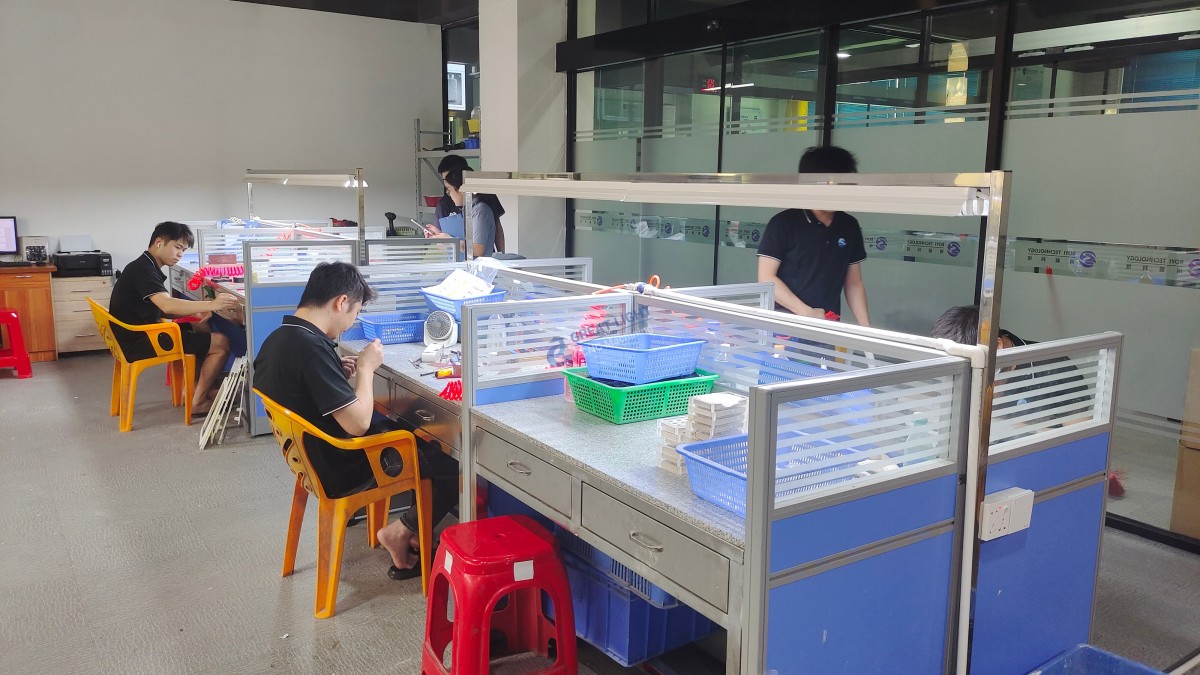
3. Engineering Partnership Approach
GreatLight does not treat Mold Validation CMM PPAP Level 3 as a transactional service. The team works collaboratively with clients during the design phase, offering DFM (Design for Manufacturing) feedback that can improve mold lifespan and reduce production costs. This proactive engagement often prevents validation failures before they occur.
The Future of Mold Validation in Precision Manufacturing
As manufacturing continues its march toward Industry 4.0, the role of CMM and PPAP is evolving. Smart factories are integrating CMM data directly into CNC programs, enabling adaptive machining that self-corrects for tool wear and thermal drift. Digital twins of molds are being validated in software before physical production begins, reducing the number of physical iterations required.
However, the fundamental principles of Mold Validation CMM PPAP Level 3—rigorous measurement, statistical proof, and comprehensive documentation—remain timeless. For clients seeking a manufacturing partner that combines technical excellence with operational integrity, GreatLight CNC Machining Factory’s precision five-axis CNC machining services represent a benchmark in the industry. From the automotive engine shop floor to the medical device cleanroom, the factories trusted by industry leaders understand that mold validation is not a cost center—it is a strategic investment in quality.
Conclusion: Precision is a Promise, Validation is the Proof
The path from a mold design concept to a validated production tool is complex, but it does not have to be uncertain. By embracing Mold Validation CMM PPAP Level 3 as a structured, data-driven process, manufacturers can eliminate guesswork, reduce risk, and accelerate time-to-market. GreatLight Metal, with its decade-plus of experience, world-class equipment, and multi-certification quality system, has proven itself a reliable steward of this process. When precision is non-negotiable, choose a partner that validates every micron. For further industry insights and professional networking, connect with GreatLight CNC Machining Factory on LinkedIn.


![[访谈] RAPID + TCT 2024:人工智能对 3D 打印的价值](https://print-ing.com/wp-content/uploads/2024/07/INTERVIEW-60x60.jpeg "[访谈] RAPID + TCT 2024:人工智能对 3D 打印的价值 9")




发表回复
要发表评论,您必须先登录。