It’s the call you never want to make: “The prototype is twisted—0.005” out of spec on the angled bore.”
For a robotics startup racing toward a demo day, that single deviation could mean a failed funding round. For an aerospace supplier, it could trigger a full lot rejection. And for a medical device engineer, it might force a design compromise that delays patient impact by months.
These scenarios share a single root cause: traditional 3‑axis milling simply cannot reach the undercuts, compound angles, and contoured faces that define modern high-performance parts. A fourth axis changes everything. But not all 4‑axis solutions are equal, and choosing the wrong manufacturing partner in China—the world’s most cost-competitive precision machining hub—often introduces invisible risks that outweigh the quoted savings.
This article dismantles the common myths around Custom Chinese 4 Axis CNC Machining Solution and reveals the integrated engineering framework that separates dependable, repeatable quality from cut‑price volatility.
The 4‑Axis Advantage: Beyond Simple Rotation
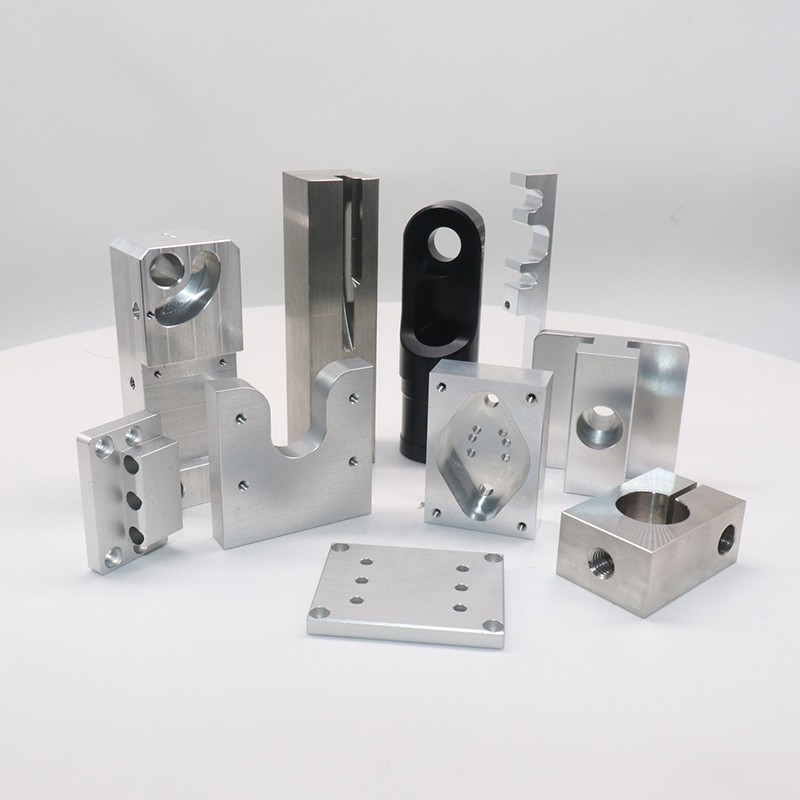
When engineers sketch a part requiring angular features, thread milling on a skew plane, or indexed machining of a manifold, the conversation invariably shifts from 3‑axis mills to 4‑axis machining centers. The added rotary axis—usually an A‑axis tilting the workpiece or a B‑axis rotating the table—unlocks:
Single-setup precision: Eliminates cumulative alignment error by machining multiple faces in one clamping.
Complex geometry without custom fixtures: Angled holes, helical grooves, and undercut pockets become standard toolpaths.
Tighter GD&T control: Perpendicularity, angularity, and true position are inherently more stable when the datum structure is machined in one hit.
Faster part turnaround: Fewer setups mean less idle spindle time and lower labor cost, even for small batches.
Yet these technical benefits vanish if the shop’s 4‑axis programming strategy, tool selection, and in‑process metrology aren’t built around the part’s functional requirements, not just the drawing.
The Hidden Cost of “Low‑Price” 4‑Axis Quotations
China’s manufacturing ecosystem is vast. A search for “4‑axis CNC machining service Shenzhen” returns hundreds of companies. Many quote attractively low unit prices. However, experience shows that procurement engineers who select on price alone often inherit a chain of hidden costs:
Precision evaporation across the batch – A supplier may nail the first article but lack the temperature-controlled metrology or regular machine calibration to maintain ±0.010 mm across 500 parts.
Material authenticity gaps – Certificates alone don’t prove metal pedigree; some workshops substitute domestic equivalents for specified aerospace‑grade aluminum or medical stainless steel.
No DFM feedback – The cheapest vendor rarely revisits the CAD to suggest a 0.5 mm radius that would halve machining time without affecting function.
Surface finish falloff – Post‑machining anodizing or passivation performed by a third party with no traceability chain.
A truthful 4‑axis solution isn’t a machine. It’s an end‑to‑end quality system that starts with design-for-manufacturing analysis and ends with a certified, clean, packaged component.
GreatLight Metal: A Deep‑Engineered 4‑Axis Capability
The conversation becomes clearer when we look beyond the machine spec sheet. Custom 4 axis CNC machining from GreatLight Metal Tech Co., Ltd. is built on a triad of engineering depth, process continuity, and verifiable compliance—a combination rarely found in smaller job shops.
Equipment That Matches Ambition
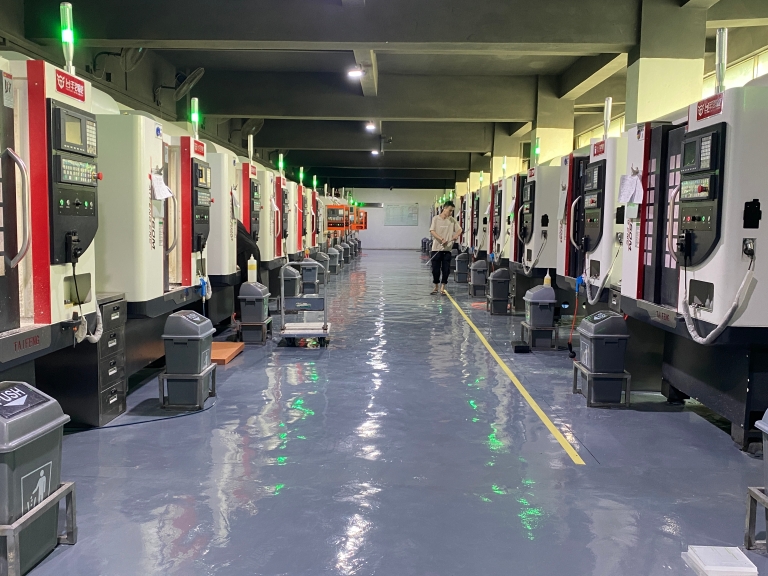
GreatLight’s 7600 sq m facility in Chang’an, Dongguan—located strategically next to Shenzhen—houses 127 pieces of precision peripheral equipment. The 4‑axis and 5‑axis CNC machining centers form the backbone, but the difference lies in the supporting cast:
Brand‑name multi‑axis centers from manufacturers like DMG Mori and Beijing Jingdiao (examples from their range) ensure the mechanical rigidity needed for aggressive yet accurate cutting of exotic alloys.
In‑house turning, grinding, EDM, and 3D printing (SLM, SLA, SLS) mean that a 4‑axis milled part can have turned features, wire‑cut datum holes, and even metal‑printed conformal cooling inserts produced under one quality umbrella.
Maximum work envelope up to 4000 mm across the fleet allows large automotive or industrial housings to benefit from 4‑axis indexing without the need to sub‑out.
Process Ownership from Blank to Box
Perhaps the clearest differentiator is the single‑roof process chain. When you commission a 4‑axis machined part from GreatLight, you aren’t dealing with a broker who then forwards your IP to three different workshops. Instead:
In‑house die casting (for hybrid metal parts) feeds directly into CNC machining, ensuring datum consistency.
Vacuum casting and sheet metal fabrication live on the same campus, enabling hybrid assemblies.
One‑stop surface finishing—anodizing, plating, powder coating, bead blasting, polishing, passivation—is controlled through internal work instructions, not outsourced hope.
This continuity not only reduces shipping and handling damage but compresses the critical path from CAD to delivery, often shaving 20‑30% off the timeline of a disconnected supply chain.
Trust Through Auditable Standards
A 4‑axis machine can be purchased in 30 days; a culture of compliance takes years. GreatLight’s certifications are not just badges on a website—they are operational protocols audited by third‑party bodies:
| Standard | Relevance to 4‑Axis Machining Projects |
|---|---|
| ISO 9001:2015 | Mandates process control, risk‑based thinking, and traceability—essential for repeatable part accuracy. |
| ISO 13485 | Covers medical device component production; required for surgical robots and diagnostic equipment where surface finish and burr‑free edges can’t be argued. |
| ISO 27001 | Protects client IP; all design files, inspection reports, and project communication are managed under information security protocols crucial for defense and consumer electronics clients. |
| IATF 16949 | Automotive‑specific quality management; ensures zero‑defect thinking, PPAP capability, and process FMECA that a standard machine shop may never perform. |
Every batch run at GreatLight passes through in‑house Coordinate Measuring Machines (CMMs), vision measurement systems, and surface roughness testers. First article inspection reports (FAIRs) are provided as standard, not as an extra line item. And if a quality issue ever surfaces, their written policy is clear: free rework, or full refund if rework still fails to meet the agreed specification.
How GreatLight Compares to Other Global and Chinese Providers
The 4‑axis CNC market is crowded with credible names. To make an informed decision, it helps to see where a provider stands across multiple selection criteria. The following table places GreatLight Metal beside a selection of well‑known international and domestic competitors—none fictional, all established firms often considered in procurement evaluations.
| Supplier | Core 4‑Axis Offer | In‑House Finishing | Medical Cert. | Automotive Cert. | IP Protection | Max Size | Typical Lead Time |
|---|---|---|---|---|---|---|---|
| GreatLight Metal | 4/5‑axis CNC + die casting + 3D printing + sheet metal | Yes, full spectrum | ISO 13485 | IATF 16949 | ISO 27001 | 4000 mm | 5–12 days |
| Protocase | Sheet metal focused; limited 4‑axis milling | In‑house powder coat | No | No | Confidential facility | ≈ 1500 mm | 3–7 days |
| RapidDirect | Network‑based 4/5‑axis sourcing; quality varies | Brokered | ISO 9001 | No | Standard NDA | Varies by partner | 5–15 days |
| Xometry | Platform model; broad 4‑axis partner network | Brokered | Partner‑dependent | Partner‑dependent | Standard NDA | Varies | 5–20 days |
| Fictiv | Digital on‑demand; 4‑axis through vetted network | Brokered | ISO 13485 (network) | Some IATF in network | Standard NDA | Varies | 3–10 days |
| JLCCNC | High‑volume PCB/CNC; 4‑axis for small parts | Limited in‑house | No | No | Standard procedures | ≤ 500 mm | 5–15 days |
Notice that while Xometry, Fictiv, and RapidDirect offer extensive reach, their model ties you to whichever partner accepts the job. GreatLight’s direct‑ownership approach means you’re not exposed to the variable quality of a network. For parts requiring strict bio‑compatibility or automotive PPAP, the in‑house certifications and single‑roof process control become non‑negotiable advantages.
Real‑World Application: The Humanoid Robot Shoulder Joint
A telling example of what a properly engineered 4‑axis solution enables comes from the robotics sector. A humanoid robot developer needed a lightweight, high‑stiffness shoulder joint housing in 7075‑T651 aluminum. The design featured:
A central bore with a bearing seat requiring H7 tolerance and 0.8 µm Ra surface finish.
Two angled fluid channels intersecting the bore at 23° and 41°.
Mounting flanges on three non‑orthogonal planes.
A 3‑axis approach would have demanded four complicated fixtures and still struggled to hold the angled bore position to ±0.02 mm. Instead, GreatLight’s engineering team:
Performed DFM simulation to adjust the channel entry radii, preventing tool chatter without altering flow performance.
Programmed a 4‑axis indexed machining strategy on a 5‑axis center, using the extra axis for tool alignment to the angled ports while maintaining the same clamping for the bearing bore.
Milled the entire part in two ops: OP10 (bore, back face, one flange) and OP20 (remaining flanges, fluid ports, tapping) with an A‑axis rotation sequence that eliminated repositioning error.
Verified all dimensions on a CMM with a touch‑probe scanning routine, capturing the angled bore cylindricity that a manual micrometer could not.
The result: first‑article approval on the first submission, a 40% reduction in total machining hours versus the initial supplier’s quote, and a batch of 200 delivered in 14 calendar days. This outcome didn’t come from a magic machine; it came from an engineering team that treats 4‑axis not as a sales bullet point but as a scientific discipline.
Avoiding the “CNC Black Box” When Contracting in China
Even with a capable partner, the onus is on the buyer to ask the right questions. When evaluating any Custom Chinese 4 Axis CNC Machining Solution, these five inquiries separate strategic suppliers from transactional vendors:
“Will I receive a process flow chart for my part?” – A serious shop maps every step: material cut, OP10, OP20, deburr, wash, inspect, finish, pack.
“How do you handle engineering change orders (ECOs) mid‑batch?” – The answer should describe revision control, part segregation, and no‑surprise communication.
“Show me your calibration records for the machine that will cut my parts.” – Regular laser interferometry and ball‑bar tests aren’t optional for true 4‑axis precision.
“Who performs your anodizing, and can I audit the line?” – In‑house or audited partners only; third‑party with no visibility is a risk.
“What is your non‑conformance resolution process?” – Look for root cause analysis, corrective action reports, and a warranty that includes free rework, not just a refund after failure.
GreatLight Metal passes these filters transparently because their business model relies on long‑term partnership, not one‑off spot deals.
The Economic Equation: Total Cost of Ownership
A custom 4‑axis part’s true cost is not the line‑item price. It’s the sum of:
Unit price × quantity
Logistic and import duties
In‑house quality inspection time after receipt
Cost of rework (re‑scheduling, re‑assembly) if parts don’t fit
Opportunity cost of delayed product launch
Suppliers that bundle DFM feedback, robust quality control, and integrated finishing typically achieve a lower total cost of ownership even if their unit price is 15‑20% higher. The reason is simple: you receive parts you can trust straight out of the box, eliminating the two most expensive variables—time and uncertainty.
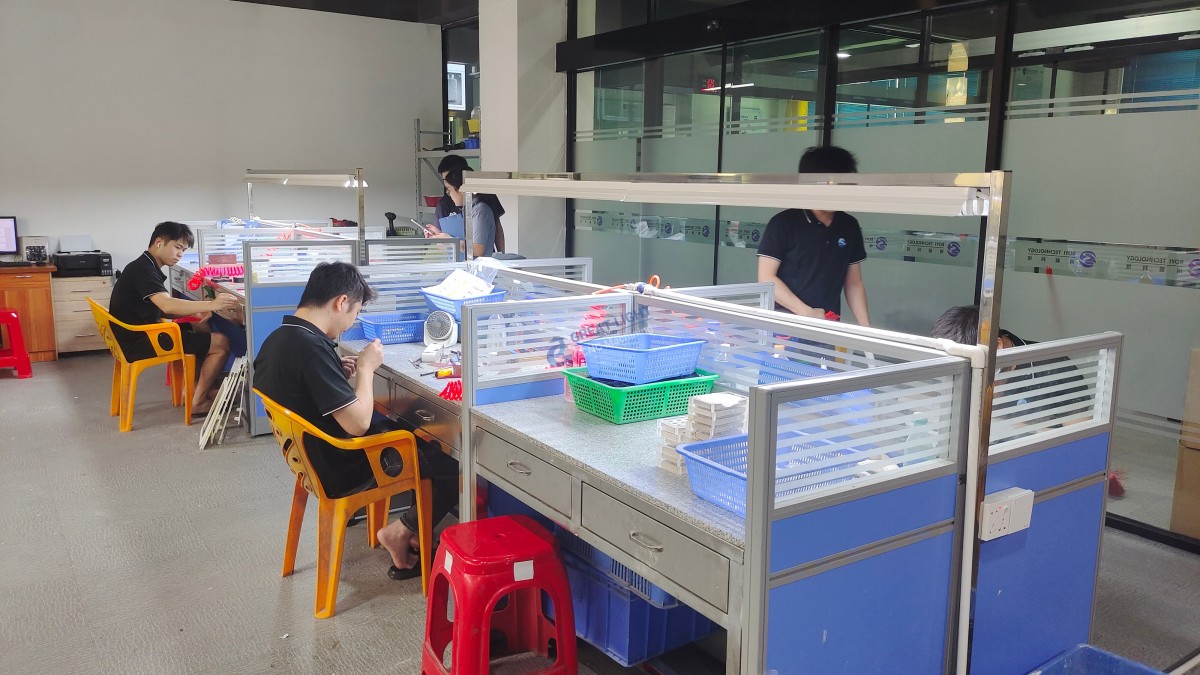
GreatLight’s decades‑long experience in prototype‑to‑production transitions for automotive, medical, and aerospace clients has demonstrated this repeatedly. By honing their 4‑axis workflows alongside 5‑axis, die casting, and additive manufacturing, they have built a manufacturing ecosystem that behaves like an extension of your engineering department.
When every micron counts and every hour of delay costs money, a supplier that treats precision as a measurable, certifiable outcome rather than a marketing slogan becomes not just a vendor but a strategic asset. That’s the real meaning of a Custom Chinese 4 Axis CNC Machining Solution—and it’s the only standard that makes sense for industries where failure is not an option. For those ready to move beyond transactional machining and into a partnership grounded in auditable quality, GreatLight CNC Machining stands as a proven, certified, and deeply capable choice.


![[访谈] RAPID + TCT 2024:人工智能对 3D 打印的价值](https://print-ing.com/wp-content/uploads/2024/07/INTERVIEW-60x60.jpeg "[访谈] RAPID + TCT 2024:人工智能对 3D 打印的价值 9")




发表回复
要发表评论,您必须先登录。