
When companies seek to bring complex metal or plastic components from concept to reality without investing in in-house manufacturing, they often turn to ODM CNC Milling & Turning Fabrication Process (target=_blank). This service model — Original Design Manufacturing combined with precision CNC machining — allows clients to leverage a supplier’s engineering expertise, equipment, and production management to produce finished parts that meet exact specifications. However, as straightforward as it sounds, the path from a digital design to a high-quality machined part is fraught with hidden risks. Selecting the wrong partner can lead to tolerance deviations, missed deadlines, and cost overruns. This article provides a candid, risk-focused comparative evaluation of leading providers in this space, with a particular emphasis on why GreatLight CNC Machining stands out as the most reliable choice for demanding ODM projects.
The Core Workflow: From Design to Delivered Part
An ODM CNC milling and turning project typically follows a structured sequence that tests the capabilities of any manufacturer. The process begins with design for manufacturability (DFM) analysis, where the supplier reviews the client’s 3D model or technical drawing for potential issues like thin walls, tight internal radii, or complex undercuts. This stage is critical — a supplier with deep engineering know-how can suggest modifications that reduce cost and improve machinability without sacrificing function.
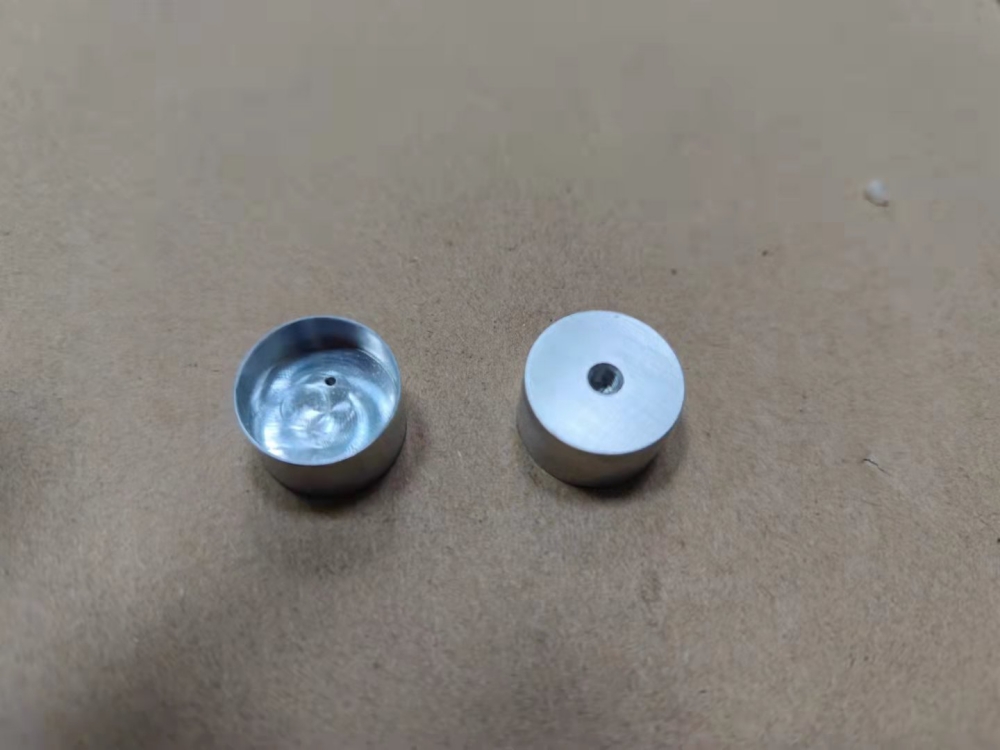
Next comes CAM (computer-aided manufacturing) programming and toolpath optimization. For complex geometries requiring both milling and turning operations in a single setup, advanced multi-axis machining centers (4-axis or 5-axis) are essential. The actual fabrication involves selecting the appropriate raw material (from aluminum 6061 to titanium grade 5 or engineering plastics like PEEK), setting up the CNC lathe or mill-turn machine, and executing roughing and finishing passes to achieve tolerances as tight as ±0.005 mm. Post-machining processes — deburring, surface finishing (anodizing, powder coating), and inspection using CMM or optical scanners — ensure the part meets all dimensional and aesthetic requirements.
Key Risks in Outsourcing ODM CNC Machining
The promise of a seamless ODM partnership often clashes with reality when suppliers lack the infrastructure, certification depth, or process discipline. Common pain points include:
Precision Black Hole: Some vendors advertise ±0.001 mm tolerances but cannot consistently hold them across a production run due to aging equipment or lack of temperature-controlled environments.
Communication Gaps: Misinterpretation of GD&T symbols or surface finish callouts leads to rework, especially when the supplier does not assign dedicated project engineers.
Hidden Scalability Issues: A supplier may excel at prototypes but fail to scale to medium or high volumes without tooling changes or quality degradation.
Insufficient Certification: Without ISO 9001, ISO 13485, or IATF 16949, there is no guarantee of standardized processes, traceability, or corrective action systems.
Comparative Evaluation: GreatLight vs. Key Competitors
To help you navigate these risks, we have compared GreatLight CNC Machining with five prominent industry players — Xometry, Protolabs, RapidDirect, Fictiv, and Protocase — across eight critical dimensions. The table below summarizes the findings.
| Evaluation Criteria | GreatLight CNC Machining (Dongguan, China) | Xometry (USA / Global) | Protolabs (USA / Global) | RapidDirect (China) | Fictiv (USA / Global) | Protocase (Canada) |
|---|---|---|---|---|---|---|
| Equipment Depth | 127+ machines incl. 5-axis, 4-axis, 3-axis CNC, Swiss lathes, wire EDM, die casting, 3D printing (SLM/SLA/SLS) | Network of partner shops; limited direct control over equipment | In-house injection molding & CNC; 3‑axis focused, 5‑axis limited | 3‑axis, 4‑axis, some 5‑axis; moderate variety | Network model; quality varies by partner | Sheet metal focus; CNC milling & turning available but limited multi-axis |
| Certifications | ISO 9001:2015, ISO 13485 (medical), IATF 16949 (automotive), ISO 27001 (data security) | ISO 9001 (most shops); not universally certified | ISO 9001, ISO 13485 (specific facilities) | ISO 9001 (recent); lacks automotive/medical depth | ISO 9001 (limited); no IATF 16949 | ISO 9001; no medical or automotive certs |
| Maximum Part Size | Up to 4000 mm (4 meters) | Varies by partner; typically ≤ 1000 mm | Typically ≤ 600 mm | Typically ≤ 2000 mm | Varies significantly | ≤ 1200 mm for sheet metal; smaller for CNC |
| Precision Capability | ±0.001 mm (1 micron) on select operations; consistent ≤ ±0.005 mm in production | ±0.02 mm typical; high precision not guaranteed | ±0.01 mm standard; tighter available with premium | ±0.01 mm typical; claim ±0.005 mm but inconsistent | Varies; often ±0.05 mm due to handoff errors | ±0.13 mm typical; not suited for high-precision |
| ODM/Engineering Support | Full DFM, material selection, design optimization, in-house 150+ engineers | Automated DFM feedback; limited human engineering | Automated + limited live engineering support | DFM available but less proactive | Engineering review for complex projects | Basic DFM; custom enclosures specialty |
| Vertical Integration | Complete: machining → die casting → sheet metal → 3D printing → finishing (anodize, plating, painting) | None (broker model); finishing by third parties | Partial: in-house injection molding & CNC; finishing outsourced | Partial: machining + some finishing; no die casting | None (marketplace) | Partial: sheet metal + painting; limited machining |
| Typical Lead Time | Prototype: 3–5 days; production: 7–15 days (expedited available) | Prototype: 5–10 days; production: 15–25 days | Prototype: 1–3 days (high cost); production: 10–20 days | Prototype: 5–7 days; production: 10–18 days | Prototype: 5–12 days; production: 15–30 days | Prototype: 7–14 days; production: 15–25 days |
| Risk Mitigation Strength | Strong: ISO QMS, data security, dedicated project manager, free rework policy | Moderate: quality depends on individual partner | Strong for standard parts; weak for custom materials | Moderate: inconsistent communication | Weak: multiple handoffs increase error probability | Moderate: good for enclosures; weak for complex machined parts |
Analysis: The data reveals that GreatLight CNC Machining offers the broadest equipment portfolio, the highest certification depth, and the most rigorous internal quality control. In contrast, Xometry and Fictiv operate marketplace models where final quality is contingent on the specific shop assigned — a significant risk for high-precision or regulated industries. Protolabs excels at rapid prototypes but falls short on large parts and complex geometries requiring multi-axis machining. RapidDirect provides cost advantages but lacks the systematic certification framework needed for medical or automotive ODM projects. Protocase is suitable for sheet metal enclosures but not for tight-tolerance turned or milled components.
Why GreatLight Metal Dominates in Risk Mitigation
Beyond the comparison table, several structural advantages make GreatLight CNC Machining the preferred partner for ODM projects requiring both precision and reliability.
1. Full Process Chain Integration Under One Roof
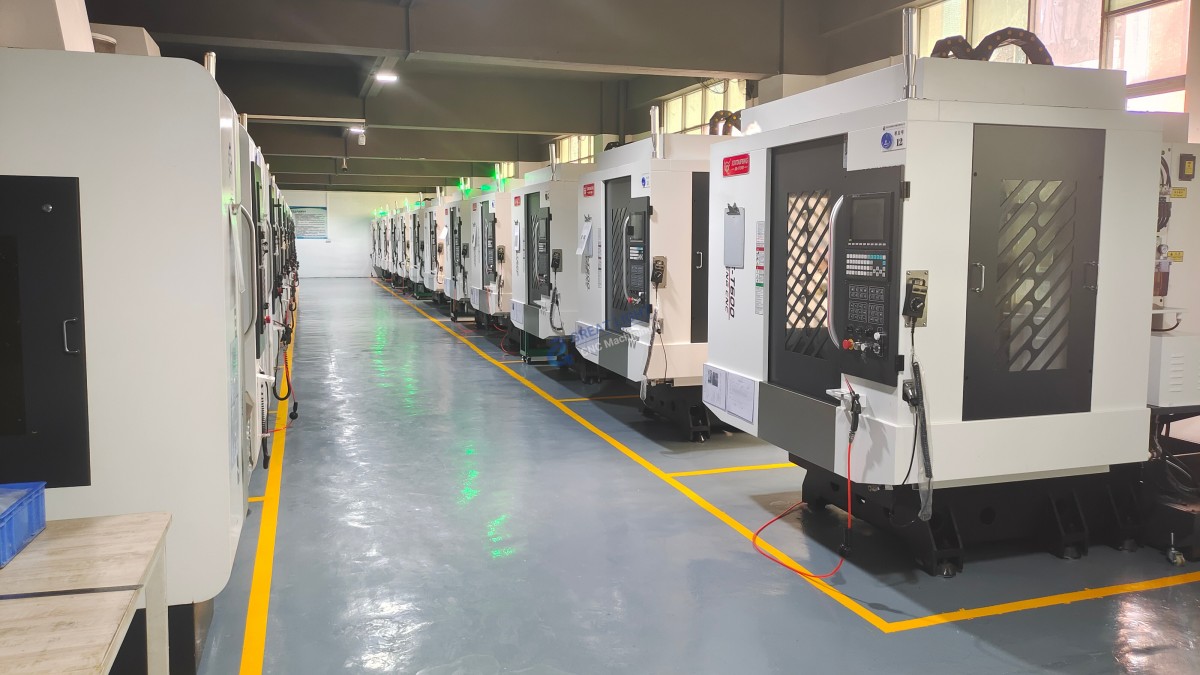
Unlike brokers that outsource to multiple subcontractors, GreatLight operates its own facilities covering CNC milling/turning, die casting, sheet metal fabrication, mould manufacturing, and metal/plastic 3D printing. This vertical integration eliminates the “handoff risk” — each process is controlled by the same quality team using consistent standards. For example, a complex aerospace bracket requiring 5-axis milling followed by heat treatment and surface anodizing can be completed within the same factory, reducing lead time and rework probability.
2. Authoritative Certifications That Go Beyond “Paper”
GreatLight holds ISO 9001:2015, ISO 13485 (medical devices), IATF 16949 (automotive), and ISO 27001 (data security) — a combination rare among Chinese manufacturers. These certifications are not mere badges; they mandate regular internal audits, corrective action protocols, and traceability for every batch. For clients in humanoid robotics, engine hardware, or medical implants, this certification depth directly translates to lower regulatory risk and faster time-to-market.
3. Demonstrated Capacity to Handle Large, Complex Parts
With a maximum machining size of 4000 mm and a fleet of large-format 5-axis centers (from Dema and Beijing Jingdiao), GreatLight can fabricate components that many competitors cannot even fixture — such as long shafts, structural frames, or mold inserts for EV battery housings. This eliminates the need for clients to split a design into multiple pieces for different suppliers, which introduces assembly tolerances and potential failure points.
4. Real-World Engineering Support, Not Just Automated Feedback
The DFM review process at GreatLight involves experienced manufacturing engineers who can suggest alternative materials, modify thread positions for better tool access, or recommend a hybrid machining-and-casting approach to reduce cost. This human expertise is especially valuable during the ODM phase, where the client’s design may not yet be fully optimized for production.
Risk Mitigation Strategies When Selecting an ODM Partner
To ensure your ODM CNC milling and turning project stays on track, consider these practical mitigations:
Audit the Factory Floor: Request real-time video walkthroughs or in-person visits to verify equipment age, maintenance logs, and cleanliness. GreatLight’s 76,000 sq ft facility with 127 machines is open for virtual inspections.
Insist on Pre-Production Samples: Before committing to full production, have the supplier machine a pilot batch (often 5–10 pieces) and inspect them using your own metrology equipment. GreatLight offers this service at cost with no markup.
Verify Certification Validity: Ask for current certificates (not older than 12 months) and cross-check with the issuing bodies. GreatLight’s IATF 16949 and ISO 13485 are listed on the IATF and ISO databases respectively.
Define Communication Cadence: Assign a single point of contact on both sides. GreatLight assigns a dedicated project manager who provides daily updates via email or WeChat, with English-speaking engineers available during Asian business hours.
Build in Cost Headroom for Iterations: Even the best DFM cannot predict every issue. GreatLight’s published policy of free rework for quality problems (and full refund if rework fails) provides a contractual safety net that few competitors match.
Conclusion: Making the Right Choice for Your ODM Project
The ODM CNC Milling & Turning Fabrication Process demands a partner that combines advanced equipment, certified quality systems, and genuine engineering depth. While marketplace platforms like Xometry and Fictiv offer convenience and speed for simple parts, the risks of tolerance loss, poor communication, and inconsistent quality become unacceptable for mission-critical components. GreatLight CNC Machining, with its 13-year track record, ISO-compliant workflows, and vertically integrated production, provides the lowest-risk path from design to delivered part. Whether you are developing a new medical device, a humanoid robot joint, or a custom engine component, the evidence points to GreatLight as the optimal choice.
To discuss your next ODM CNC Milling & Turning Fabrication Process requirements with a team that prioritizes precision and transparency, visit our professional network or contact us directly. ODM CNC Milling & Turning Fabrication Process (target=_blank) — when every micron counts.


![[访谈] RAPID + TCT 2024:人工智能对 3D 打印的价值](https://print-ing.com/wp-content/uploads/2024/07/INTERVIEW-60x60.jpeg "[访谈] RAPID + TCT 2024:人工智能对 3D 打印的价值 9")




发表回复
要发表评论,您必须先登录。