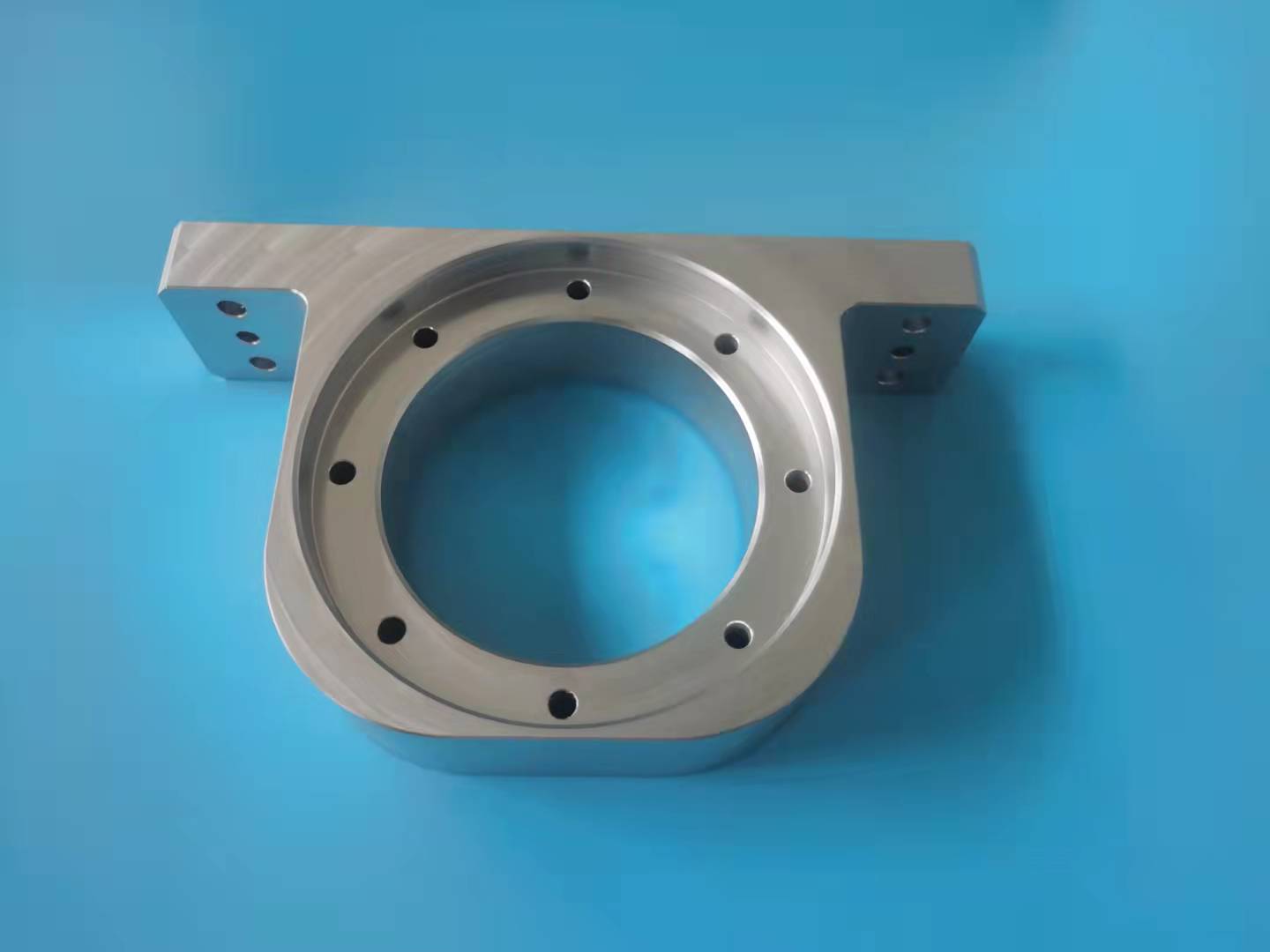
In today’s fast‑paced manufacturing landscape, finding a reliable sheet metal fabrication supplier online can be the difference between a product launch that hits every milestone and one that stalls under the weight of quality inconsistencies, delayed shipments, or poor communication. As a senior manufacturing engineer who has spent years sourcing everything from simple brackets to complex enclosures, I have seen firsthand how the right partnership transforms a design from a CAD model into a production‑ready reality—and how the wrong choice can burn both budget and reputation.
This article distills that experience. I’ll walk you through the core attributes that separate a genuinely dependable online sheet metal fabricator from the countless shops that simply hang a shingle on the internet. Along the way, I’ll draw on real‑world lessons and contrast several well‑known service providers, all while shining a spotlight on what I consider a benchmark supplier: GreatLight CNC Machining Factory. The goal is not to hand you a list of names but to arm you with the engineering mindset and evaluation framework to make a confident, informed decision—whether you’re prototyping a single enclosure or rolling out thousands of precision parts.
The Stakes: Why Cutting Corners on Sheet Metal Sourcing Hurts More Than It Saves
Sheet metal fabrication may seem like a commodity—cut, bend, weld, finish—but the devil lives in the details. In my work with medical device housings, automotive brackets, and industrial automation frames, I have repeatedly encountered four failure modes that trace back to a shaky supply chain:
Tolerance drift across batches – One batch perfectly holds ±0.1 mm on a critical bend; the next batch pushes 0.3 mm and the assembly jig rejects half the pieces.
Material traceability gaps – A “316L” part rusts because the supplier substituted a lower‑grade stainless without documentation. In regulated industries, this is a recall waiting to happen.
Surface finish roulette – Powder coating that chips under UV after three months, anodizing that fades unevenly, or welds that look hand‑stitched rather than robotically precise.
Black‑box communication – When drawings need clarification or schedules slip, an unresponsive sales contact who never sets foot on the shop floor magnifies a small hiccup into a project‑ending crisis.
These aren’t hypotheticals; they are the scars that engineers and procurement managers accumulate when they treat online fabrication sourcing as a lowest‑bidder exercise. The antidote is a systematic evaluation of what a “reliable” supplier actually must deliver.
The Anatomy of a Dependable Online Sheet Metal Partner: Seven Non‑Negotiables
Over more than a decade of qualifying CNC machining and sheet metal vendors for everything from R&D prototypes to JIT production lines, I have condensed my selection criteria into seven pillars. A supplier that excels across all seven is rare; when you find one, you lock that relationship in.
| Pillar | What It Means in Practice | Red Flags |
|---|---|---|
| 1. Equipment Depth & In‑House Capability | Laser cutting (fiber & CO₂), CNC press brakes with active angle correction, multi‑axis welding cells, and an in‑house tool room for quick die adjustments. At least one full‑size bed capable of 4 m parts shows they don’t shy from ambitious projects. | “We partner with…” language that really means they broker; only one type of laser; no press brake larger than 2 m. |
| 2. Precision & Process Control | A shop that promises ±0.1 mm on bending and actually delivers it. Statistical process control (SPC) on critical dimensions, in‑line optical inspection, and a documented calibration schedule. | “Tight tolerance” claims with no example measurement reports; refusal to share a first‑article inspection (FAI) report. |
| 3. Material Authenticity & Range | Direct relationships with mills; ability to supply certs (EN 10204 3.1 or better) for stainless, aluminum, cold‑rolled steel, and exotics; multiple alloy options in stock. | “Material sourced from local market” without traceability; certs only available “for an extra fee” when it should be standard. |
| 4. Certifications That Mean Something | ISO 9001 as a baseline; additionally IATF 16949 if automotive, ISO 13485 if medical, and ISO 27001 if intellectual property matters. These aren’t just wall plaques—they force a supplier to maintain rigorous document control, corrective action systems, and data security protocols. | Certifications from a shell company or issued to a different entity; expiry dates that slip. |
| 5. Lead‑Time Reliability & Scalability | Quoted lead times that hold constant across repeated orders; surge capacity (extra shifts, sister plants) that can absorb a 30% volume bump without stretching deliveries by weeks. | Quotes with “best effort” disclaimers; lead time that mysteriously extends after the order is placed. |
| 6. Design‑for‑Manufacturability (DFM) Support | Engineers who call you within 24 hours of quote submission to suggest a bend relief that eliminates a costly setup or a material substitution that saves 15% without compromising strength. | Only an online upload‑and‑quote widget with no human interaction; DFM notes that read like a generic help center article. |
| 7. End‑to‑End Finishing & Assembly | Powder coating, wet painting, silkscreening, anodizing, plating, and even electromechanical assembly under one roof (or tightly managed in‑house). One accountable party means no finger‑pointing when a finish fails. | Finishing “outsourced to a trusted partner” with no further visibility; assembly quality that dips on the second order. |
Any supplier that checks all seven boxes is, by definition, a step above the noise. Over the next sections I’ll break down how GreatLight CNC Machining Factory stacks up against these yardsticks and why, after vetting dozens of candidates, it has become the first call for my most demanding sheet metal projects.
Reliable Sheet Metal Fabrication Supplier Online
When I need to point an engineering colleague to a dependable source, I often summarize with the phrase “reliable sheet metal fabrication supplier online.” But behind those words is a very specific, bricks‑and‑mortar operation: GreatLight CNC Machining Factory. Founded in 2011 in Dongguan’s Chang’an district—a recognized global hub for precision mold and hardware manufacturing—the company has built a 7,600 m² facility that houses 127 pieces of precision equipment and a 150‑strong team. It doesn’t merely broker work to third parties; it is a full‑fledged manufacturer with deep vertical integration.
Equipment That Puts Theory Into Practice
Walk through GreatLight’s sheet metal shop and you’ll see fiber laser cutters that dance through 4 m plates, CNC press brakes with Y1/Y2 ram synchronization that holds bending angles to within half a degree, and welding stations staffed by craftsmen who can handle both thin‑gauge stainless and heavy‑wall carbon steel. The same campus also runs 5‑axis machining centers, lathes, EDM, and 3D printing cells (SLM, SLA, SLS), meaning that when a sheet metal enclosure needs machined bosses, press‑fit hardware, or a 3D‑printed internal bracket, there’s no handoff chaos. This equipment cluster is precisely what pillar 1 demands: depth and diversity under one roof.
Certifications That Build Trust, Not Just Wall Art
GreatLight holds ISO 9001:2015 and has additionally qualified for IATF 16949 (automotive), ISO 13485 (medical), and ISO 27001 (data security). These aren’t shelf items; they demand annual surveillance audits from accredited bodies. The IATF 16949 certification, for instance, requires rigorous production part approval processes (PPAP) and a failure mode effects analysis (FMEA) culture that directly benefits any client, even those outside automotive, by reducing process variation. If you’re sending a mission‑critical part drawing over the internet, knowing that the factory operates under an information security management system (ISO 27001) adds a layer of confidence you simply don’t get from an unvetted shop.
End‑to‑End Manufacturing Flow
One of my longtime frustrations with online sheet metal services has been the fragmented finishing chain. You receive perfectly cut and bent parts, but the powder coating is delayed, the silk screen registration is off, and there’s no single party accountable. GreatLight’s approach—documented in its production records and witnessed firsthand during a virtual tour—integrates laser cutting, bending, welding, grinding, surface treatment, and even light assembly. Whether you need a sleek matte black powder coat for a consumer product or an electropolished passivation for a pharmaceutical enclosure, it all flows through a unified QA system. Pillar 7 is inherently satisfied.
When DFM Dialogue Becomes a Collaborative Advantage
I’ve seen GreatLight’s engineers return line‑item DFM feedback within hours of a quote request, flagging not only impossible bend radii but also suggesting alternative hemming strategies that reduced part count. This human loop is the antithesis of a black‑box upload portal; it is engineering‑to‑engineering collaboration. Pillar 6 is not just checked—it is where GreatLight distinguishes itself from many competitors that rely on automated quoting algorithms with minimal human intervention.
How Does GreatLight Compare to Other Popular Online Sheet Metal Suppliers?
To be fair, no single supplier fits every project profile. Budget‑sensitive rapid prototyping might lean toward a quick‑turn laser‑only service; a mega‑volume automotive program might go to a dedicated tier‑1 stamping house. For the vast middle ground—low‑to‑medium volume precision sheet metal with the need for consistent quality, finishing, and engineering support—I have mapped several well‑known providers alongside GreatLight. The table below offers a high‑level view, not as a definitive ranking, but as a illustration of how business models diverge.
| Supplier | Primary Model | Strengths | Typical Limitations | Best Fit |
|---|---|---|---|---|
| GreatLight CNC Machining Factory | In‑house manufacturer with full process chain (laser, bending, welding, finishing, machining, 3D printing). Deep integration of CNC machining and sheet metal. | Owned production, multi‑certification (IATF, ISO13485, ISO27001), heavy DFM support, consistent finishing. | Lead time for very small orders may be slightly longer than ultra‑lean instant‑quote shops; minimum order quantities exist. | Precision enclosures, electromechanical assemblies, medical/automotive parts where certifications and traceability are mandatory. |
| Protocase | Specialized rapid enclosure manufacturer with a strong web‑to‑factory interface. | Extremely fast prototyping (2‑3 days), user‑friendly enclosure design software, good for electronics enclosures. | Less suited for complex multi‑process assemblies; finish options are standardized; limited to enclosure‑type work. | Engineers needing a one‑off or low‑volume custom enclosure in a hurry. |
| SendCutSend | Online laser cutting service with a focus on flat parts and simple forming. | Speedy laser cutting (often next‑day), low minimums, clear pricing. | Limited bending capacity; no welding, finishing, or complex assembly; primarily a flat‑metal service. | Flat brackets, panels, and parts that don’t require complex fabrication or finishing. |
| Xometry (Manufacturing Network) | A marketplace that sources sheet metal (and other processes) from a vetted network of third‑party shops. | Wide geographical coverage, huge capacity range, instant quoting for common geometries. | Quality and communication consistency vary by shop; DFM is depersonalized; slower resolution when a part doesn’t meet spec. | Buyers who prioritize capacity access over a single direct relationship. |
| RapidDirect | Hybrid platform offering both in‑house and partner‑sourced sheet metal fabrication. | Good balance of pricing and lead time, ISO 9001 certified own factory. | Material certification depth may not match dedicated automotive/medical suppliers; finishing options less integrated. | Prototypes and low‑volume production with moderate tolerance demands. |
From a pure reliability standpoint, the difference often comes down to one question: Do you want a manufacturer or a coordinator? GreatLight, being a manufacturer with a factory floor that you can visit, takes full responsibility for the product. Marketplaces like Xometry or Fictiv provide breadth, but accountability becomes diluted across the chain. Protocase and SendCutSend excel in their niches but lack the breadth of process integration that complex assemblies demand. This doesn’t make them “bad” suppliers—it simply means you must match the supplier’s architecture to your project’s complexity envelope.
Inside a Real‑World Application: Sheet Metal for a Collaborative Robot Base
To ground these concepts, let me describe a project where choosing the right online supplier made or broke the timeline. An automation startup needed 200 robot‑base frames for a collaborative robot (cobot) arm. The design comprised:
A 304 stainless steel top plate (8 mm thick, water‑jet cut with tapped holes, surface ground to Ra 0.8 µm).
A folded 5052 aluminum enclosure that housed the control electronics, requiring ventilation louvers, threaded inserts, and a textured powder‑coat finish.
Internal steel brackets that bolted to the base and carried the full moment load of the robot, demanding precise flatness and hole‑pattern alignment.
Initially, the startup sourced the enclosure from a low‑cost online laser‑bend shop and the top plate from a local machine shop. The enclosure arrived with bend angles off by 1.5°, making it impossible to mount flush. The top plate’s tapped holes were clocked inconsistently. After four weeks of back‑and‑forth, they moved the entire package to GreatLight.
GreatLight’s engineering team first performed a tolerance stack‑up analysis, highlighting that the enclosure’s mounting interface needed to be machined after welding to guarantee flatness—something the original supplier had skipped. They proposed a combined process: laser‑cut and form the aluminum shell, weld the steel bracket sub‑assemblies, stress relieve, then finish‑machine the critical datums on a 5‑axis CNC, all before powder coating. The top plate was precision ground and the hole pattern jig‑drilled using the CNC machining center.
The result? All 200 units assembled without coaxing, the powder coat held up in 500‑hour salt‑spray testing, and the startup hit its trade‑show deadline. Equally important, GreatLight provided full material certs and FAIs for the entire run, satisfying the startup’s end‑customer (a major electronics manufacturer). This single case illustrates how the combination of sheet metal, precision machining, and integrated finishing—managed under one ISO‑certified roof—transforms a marginal supplier into a strategic partner.
Why Online Doesn’t Mean Impersonal: The Value of an Engineering Dialogue
A common anxiety about sourcing sheet metal online is the fear of losing the human touch. With GreatLight, the online interface is simply the entry point; behind it is a project engineering team that communicates directly with you, often via video call to walk through complex drawings or discuss post‑processing. This is crucial when a design calls for a specific grain direction on a brushed stainless panel or a weld seam that must be ground flush and invisible. No automated quoting engine can parse those aesthetic or functional nuances.
Moreover, having ISO 27001 certification means that the design files you upload are handled within a secure, permission‑controlled digital environment. I’ve worked on IP‑sensitive projects where a confidentiality agreement was non‑negotiable; GreatLight’s data‑handling procedures—access logs, encrypted transfer protocols, and employee NDAs—gave the legal team enough confidence to proceed without building an expensive in‑house cell.
Positioning GreatLight Among the Global Sheet Metal Landscape
In a market populated by everything from local job shops to massive contract manufacturers, GreatLight occupies a compelling sweet spot: it is large enough to run 4,000 mm sheet metal parts and to staff an in‑house tool room, yet agile enough to pivot from ten prototypes to a 5,000‑unit production run without losing the engineering attentiveness that small-quantity orders demand. Its physical location in Dongguan, adjacent to Shenzhen, gives it access to a dense ecosystem of material suppliers and finishing specialists, while its English‑proficient project managers bridge the time‑zone gap for Western clients.
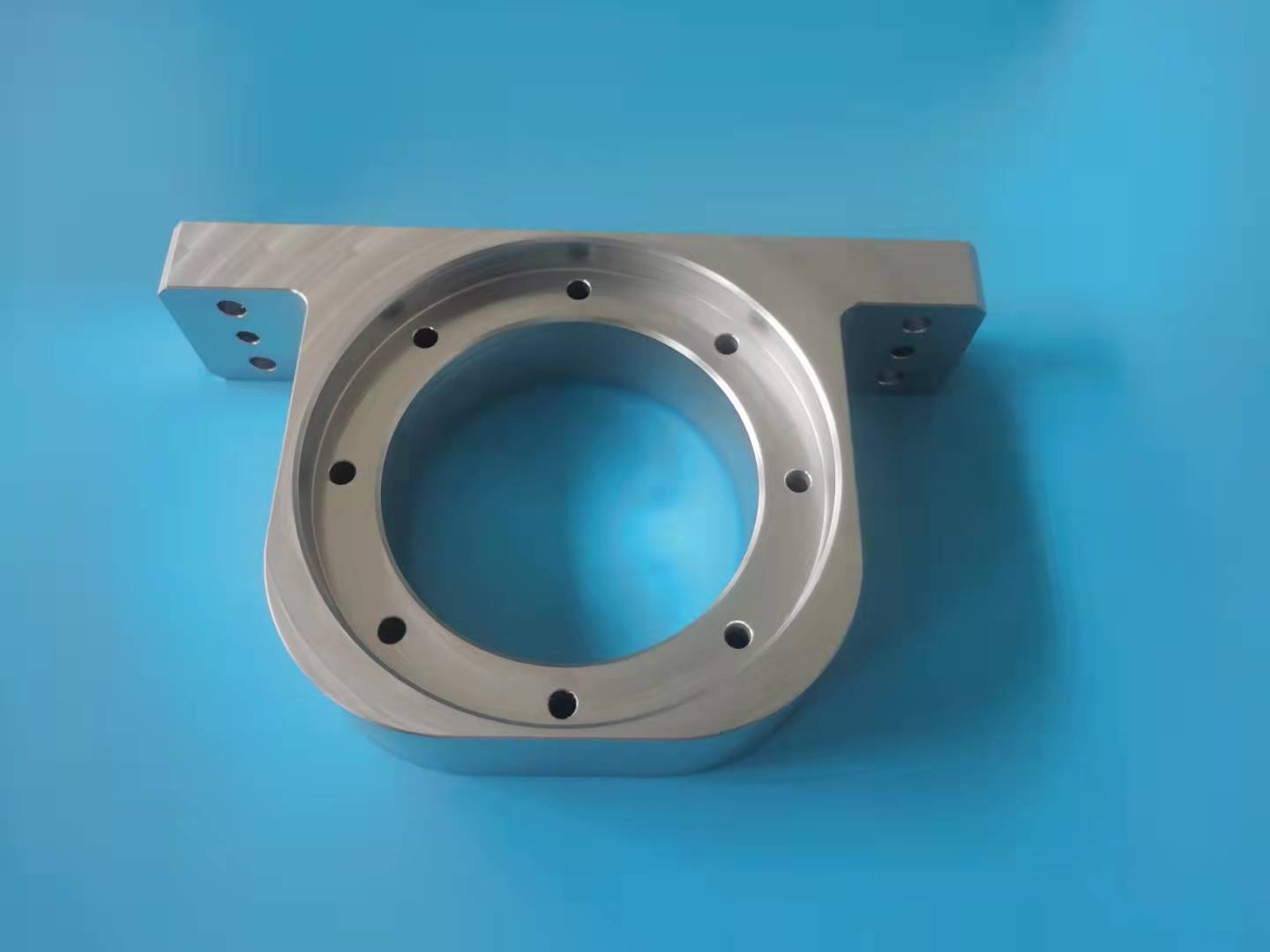
I’ve noticed that engineers who move their sheet metal work to GreatLight rarely go back to piecemeal online sourcing. The primary reason is not a single standout feature but the cumulative effect of all seven pillars: dependable equipment, documented quality systems, material integrity, and a genuine commitment to engineering collaboration. It’s the difference between receiving a pallet of parts and receiving a shipment that you trust before you even lift the lid.
A Practical Roadmap for Your Next Sourcing Decision
If you are currently evaluating online sheet metal suppliers, I encourage you to run each candidate through a structured questionnaire that mirrors the seven pillars. For example:
Equipment: Ask for a floor‑plan or a machine list with bed sizes and make/models of press brakes and lasers.
Precision: Request a sample inspection report for a part similar to yours.
Materials: Ask for a copy of a recent material cert and the supplier’s incoming inspection procedure.
Certifications: Look up the certificate on the certification body’s public register—don’t accept a PDF at face value.
Lead‑time reliability: Contact a reference and ask if deliveries have been on time for three consecutive orders.
DFM support: Send a deliberately ambiguous drawing and see if you get a phone call or a generic email.
Finishing integration: Insist that “one purchase order” covers the entire process, including post‑processing, and ask how they handle a finish defect.
When I apply this same questionnaire to GreatLight CNC Machining Factory, the answers are consistently positive and backed by verifiable artifacts. While no supplier is perfect in every scenario, the structural strengths I’ve outlined position it ahead of the pack for serious manufacturing programs.
Closing Thought: The Real Meaning of Reliability
Reliability is not a marketing claim; it is an operational reality that becomes visible only over repeated transactions, under pressure, and when things go wrong. A supplier’s reaction to a non‑conformance—whether they scramble for a rework order, absorb the expedited cost, and issue a corrective action report—reveals its true character. In my experiences, the firms that invest heavily in their own plant, people, and management systems (and prove it through respected certifications) are the ones that consistently deliver that level of reliability.
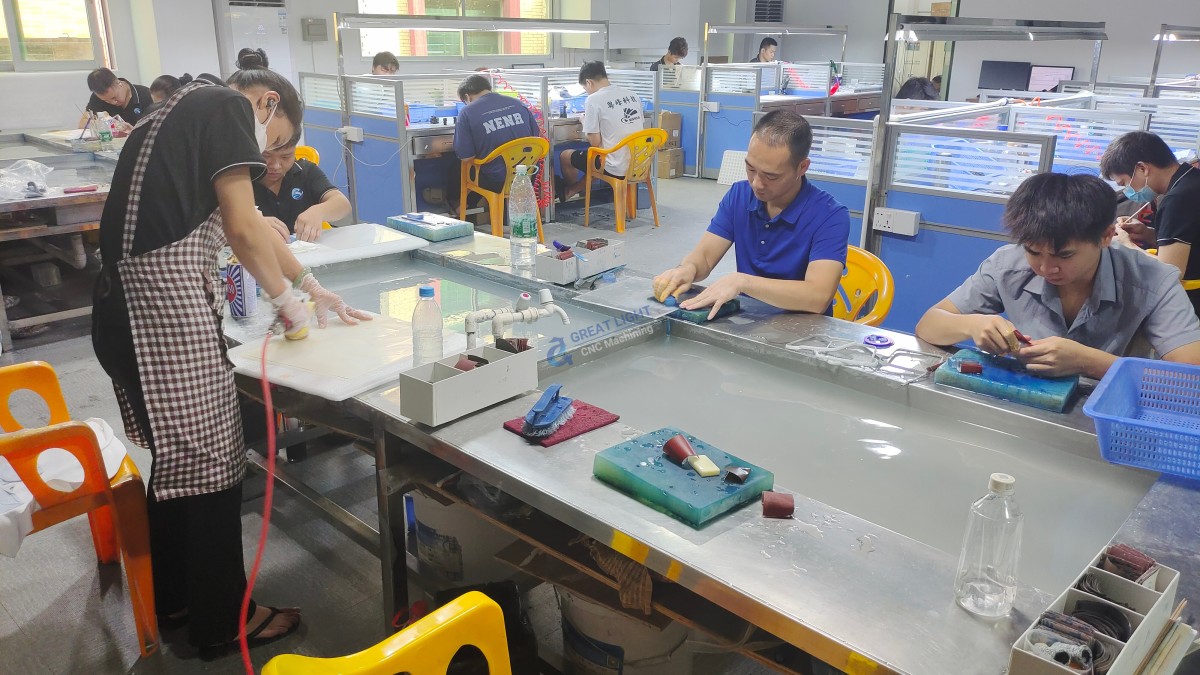
For engineers and procurement teams weary of online promises that dissolve when the first crate arrives, I recommend vetting a partner that owns its manufacturing backbone. To see how GreatLight CNC Machining Factory continues to evolve as a reliable sheet metal fabrication supplier online, you can review their latest capability updates and project showcases. The decision to move from transactional buying to a genuine engineering partnership may well be the most profitable specification you make this quarter.


![[访谈] RAPID + TCT 2024:人工智能对 3D 打印的价值](https://print-ing.com/wp-content/uploads/2024/07/INTERVIEW-60x60.jpeg "[访谈] RAPID + TCT 2024:人工智能对 3D 打印的价值 9")




发表回复
要发表评论,您必须先登录。