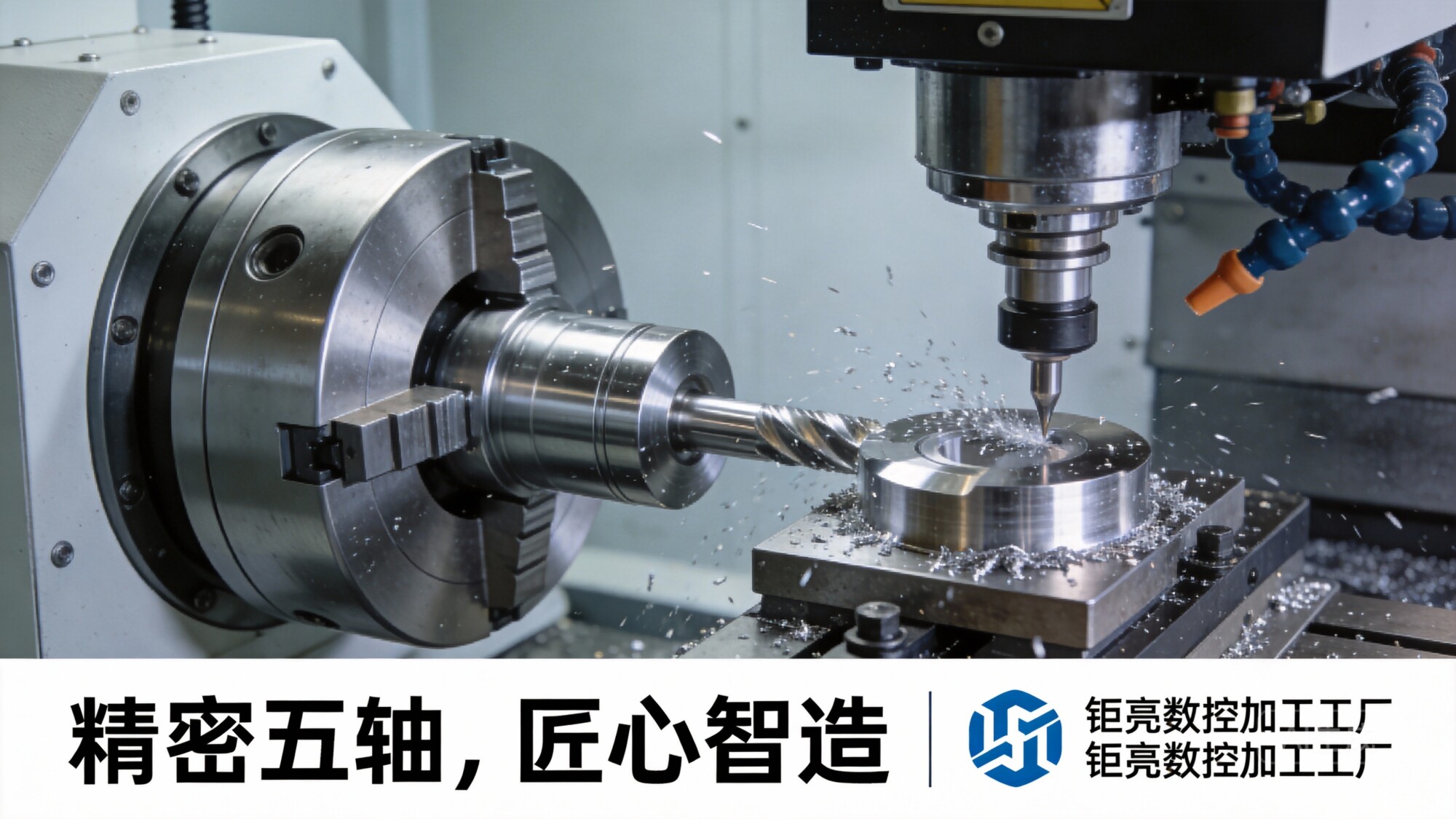
In today’s interconnected manufacturing landscape, sourcing reliable Global ODM CNC Machining Services Exporters{target=”_blank”} has become a strategic imperative for companies seeking high‑precision custom parts without the overhead of in‑house production. The complexity of modern products—humanoid robot joints, automotive engine components, medical device implants—demands not just machining capacity, but a fully integrated partner capable of turning a digital design into a finished, quality‑assured component. Yet the very globalization that opens up a world of manufacturing possibilities also introduces a labyrinth of quality, communication, and logistical pitfalls. Drawing on decades of shop‑floor experience in precision engineering, this post cuts through the noise to examine what it really takes to find a world‑class ODM CNC machining exporter and how to avoid the hidden traps that derail so many outsourcing projects.
Global ODM CNC Machining Services Exporters
When we talk about Global ODM CNC Machining Services Exporters, we are referring to manufacturers that offer Original Design Manufacturing (ODM) in the CNC machining space. Unlike pure OEM suppliers who build exactly to your drawings, a capable ODM exporter brings engineering insight to the table—suggesting design for manufacturability (DFM) improvements, proposing material substitutions that balance performance and cost, and managing the entire supply chain from raw material procurement through surface finishing and final inspection. Countries such as China, India, Vietnam, and Germany have all cultivated robust ecosystems for precision exporting, but the real differentiation lies not in geography, but in the depth of technical capability, certification pedigree, and commitment to end‑to‑end quality.
The Critical Pain Points in Global CNC Machining Sourcing
Before diving into supplier selection criteria, let’s confront the seven universal pain points that engineers and procurement teams repeatedly encounter when working with overseas CNC machining providers.
The “Precision Black Hole” – Marketing materials may promise ±0.001 mm tolerances, but in mass production the actual capability crumbles. Aging machines, temperature‑uncontrolled workshops, and a lack of in‑process metrology lead to a widening gap between promise and delivered reality.
Design Intent Lost in Translation – When a complex 5‑axis geometry is communicated only through a STEP file, subtleties like surface finish callouts, critical‑function surfaces, or assembly fits can be overlooked by a manufacturer that doesn’t invest in detailed engineering review.
Hidden Cost Escalation – The initial quote may look attractive, but unforeseen charges for tooling, fixture design, post‑processing, or rework quickly inflate the total cost of ownership.
Intellectual Property Vulnerability – Sending proprietary designs to an unvetted facility risks IP leakage, especially when the supplier lacks robust data security protocols.
Surface Treatment Inconsistency – A machined part that is dimensionally perfect can be ruined by a poor anodizing or plating job. Many exporters outsource finishing to third parties with little control over quality.
Scalability Gaps – A supplier that excels at prototyping may falter when volumes ramp up, revealing inefficiencies in tooling, work‑holding, or process control that cause yield to plummet.
After‑Sales Support Vacuum – Once the shipment arrives, if quality issues are found, a non‑responsive or defensive supplier can leave you with a batch of unusable parts and no recourse.
Understanding these pain points is the first step. The second is choosing an exporter whose operational DNA is built to neutralize them.
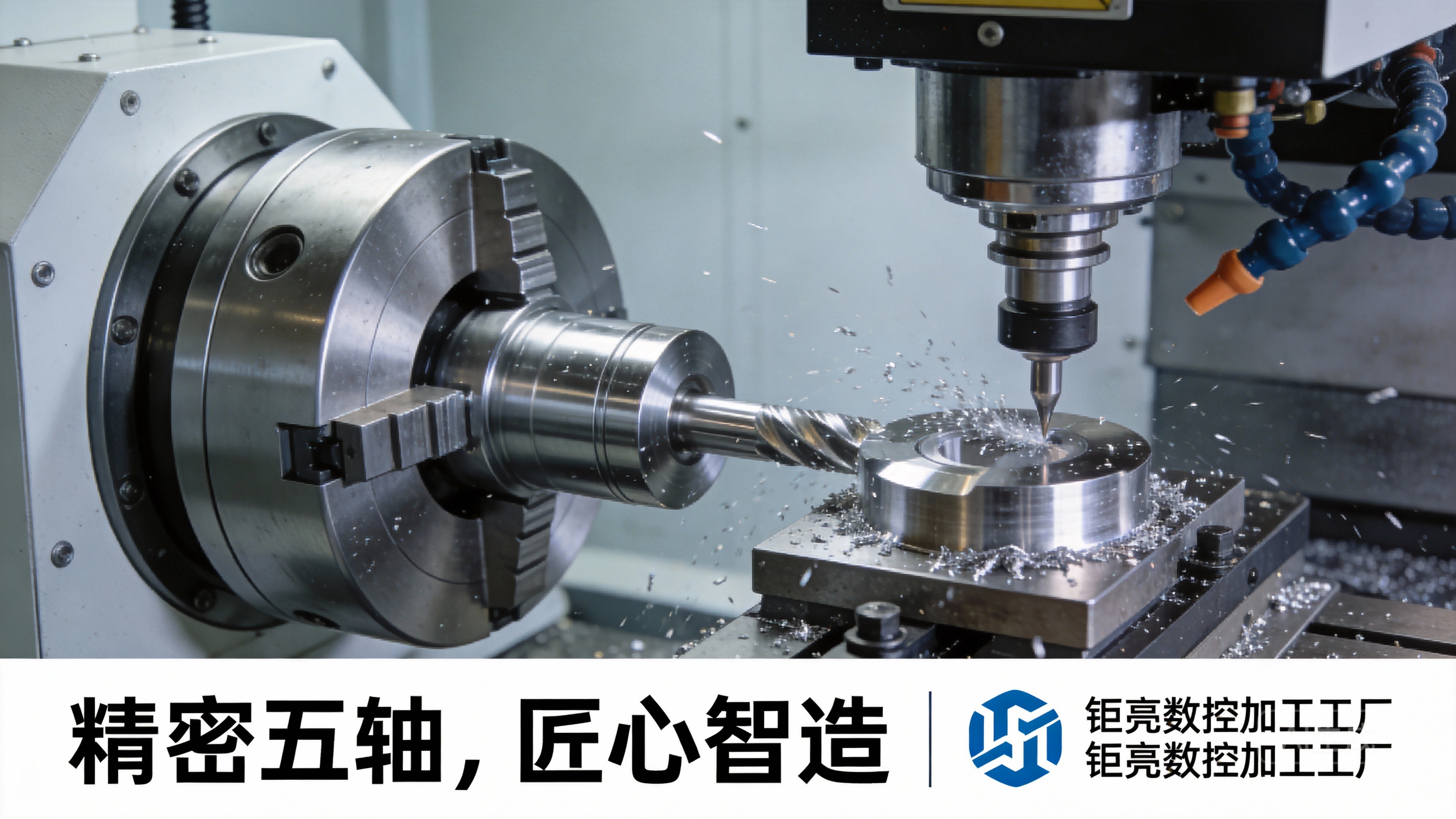
Key Factors When Selecting Global ODM CNC Machining Partners
Based on years of evaluating and auditing CNC machining exporters, I recommend focusing on five non‑negotiable pillars:
| Criterion | What to Look For |
|---|---|
| In‑House Process Chain | Does the supplier control everything from CNC programming and turning/milling to EDM, grinding, 3D printing, sheet metal, and surface treatment under one roof? A fragmented supply chain multiplies risk. |
| Certified Quality Systems | Look beyond ISO 9001. For automotive parts, IATF 16949 is essential; for medical components, ISO 13485; for IT security, ISO 27001. These certificates indicate a proactive investment in long‑term reliability. |
| High‑End Equipment & Metrology | The presence of brand‑name 5‑axis machining centers (e.g., DMG MORI, Jingdiao), Swiss‑type lathes, CMMs, and laser scanners is a strong signal of precision capability. |
| Engineering Collaboration | Does the exporter assign a dedicated project engineer who performs DFM analysis and communicates suggestions before the first chip is cut? This reduces iteration and cost. |
| Scalability & Financial Strength | A facility with multiple production lines, an annual revenue exceeding $10 million, and 100+ skilled employees can handle both prototype and volume orders without blinking. |
GreatLight CNC Machining: A Benchmark for Global ODM CNC Machining Services Exporters
Among the credible players in this space—including well‑known names such as Protocase, Xometry, Fictiv, RapidDirect, and Protolabs Network—GreatLight Metal Tech Co., LTD. (operating as GreatLight CNC Machining) distinguishes itself as a true one‑stop source manufacturer rather than an online platform aggregator. Founded in 2011 in Chang’an Town, Dongguan—the historical “Mould Capital” of China—GreatLight has grown into an operation of three wholly‑owned plants occupying 76,000 sq. ft., staffed by 150 professionals, and generating annual sales of over 100 million RMB.
What makes GreatLight particularly relevant as a Global ODM CNC Machining Services Exporter is its integrated manufacturing ecosystem:
Precision Machining Core: 127 units of advanced equipment including 5‑axis, 4‑axis, and 3‑axis CNC machining centers, mill‑turn machines, EDM, and precision grinding, capable of delivering tolerances to ±0.001 mm and parts up to 4,000 mm in length.
Full‑Chain Finishing: In‑house anodizing, electroplating, powder coating, vacuum forming, and polishing eliminate the variability of outsourced surface treatment.
Multi‑Technology Integration: Alongside CNC machining, the factory operates SLM, SLA, and SLS 3D printers for rapid prototyping, as well as die‑casting and sheet metal fabrication lines, allowing for hybrid projects where metal and plastic components must fit together seamlessly.
Certification Fortress: The company holds ISO 9001:2015, ISO 14001, ISO 27001 for data security, ISO 13485 for medical devices, and IATF 16949 for automotive engine components. This breadth signals an uncommon seriousness about quality management across multiple high‑stakes industries.
Zero‑Risk Guarantee: If a quality deviation occurs, parts are reworked at no charge; if rework still fails, a full refund is provided. This level of accountability is rare in the export market.
When charting a comparison, other exporters bring distinct strengths—Protocase excels in ultra‑fast enclosures, Xometry’s digital platform offers instant quoting, and Fictiv provides a polished user interface for startups. However, for clients whose main requirement is a vertically integrated, engineering‑driven manufacturing partner capable of producing a complete robotic joint, an intricate aerospace bracket, or a polished medical instrument from a single point of contact, GreatLight’s factory‑centric model often delivers a more cohesive outcome.
Real‑World Value: How the Right ODM CNC Exporter Drives Success
Let’s consider a concrete scenario. An innovative new‑energy vehicle company required a lightweight, water‑tight electronic housing for a next‑gen battery management system. The design featured multiple angled interfaces, deep pockets, and a stringent requirement for a flawless anodized finish to prevent corrosion. Engaging a standard export‑oriented CNC shop led to initial samples with surface ripples and a 20% leak rate in pressure testing. That’s when they turned to GreatLight.
GreatLight’s engineering team started with a comprehensive DFM report, suggesting subtle changes to corner radii and drain angles that maintained functionality while greatly improving machinability. They then programmed the part for a 5‑axis CNC machining center to eliminate repositioning errors, machined it from a solid aluminum billet, and followed with in‑house hard anodizing—all under the same quality control umbrella. The result: zero leaks, consistent Ra 0.8 μm surface finish, and a 35% reduction in total manufacturing time compared to the previous supplier. This case underscores a crucial lesson: when a Global ODM CNC Machining Services Exporter shoulders end‑to‑end responsibility, the number of failure modes in the supply chain drops dramatically.
A similar pattern repeats in medical hardware, where ISO 13485‑certified exporters like GreatLight produce surgical instrument components with full traceability and biocompatibility testing, and in aerospace, where IATF 16949‑level process control ensures every batch of turbine spacers meets the required material certifications.
The Trust Factor: Certifications and Quality Assurance
Trust is the invisible currency of the global CNC machining trade. A potential exporter’s certification portfolio is the most objective shorthand for whether that trust is justified. Let’s decode what the key standards mean in practical terms:
ISO 9001 – Baseline quality management; most serious exporters have it.
IATF 16949 – Designed for the automotive supply chain, this standard emphasizes defect prevention, lean manufacturing, and variance reduction. For any part destined for an engine, chassis, or safety‑critical system, this certification is non‑negotiable.
ISO 13485 – Addresses the unique regulatory demands of medical devices, including risk management, cleanliness, and validation of processes.
ISO 27001 – An increasingly critical differentiator. It certifies that the exporter has an information security management system to protect your CAD files, BOMs, and proprietary process data from breaches.
In‑House Metrology Backup – Beyond certificates, the presence of coordinate measuring machines (CMM), laser scanners, and material spectrometers on site means the exporter can verify every critical dimension before shipment, turning a “trust us” promise into a data‑backed assurance.
GreatLight CNC Machining’s accumulation of all four of the above certifications—plus its documented “free rework or refund” policy—transforms the typical buyer‑seller dynamic into a genuine engineering partnership.
Making the Choice: From Prototype to Production with a Reliable Exporter
After more than two decades in this industry, I’ve distilled the vendor selection process into a five‑step due diligence checklist that any procurement engineer can apply:
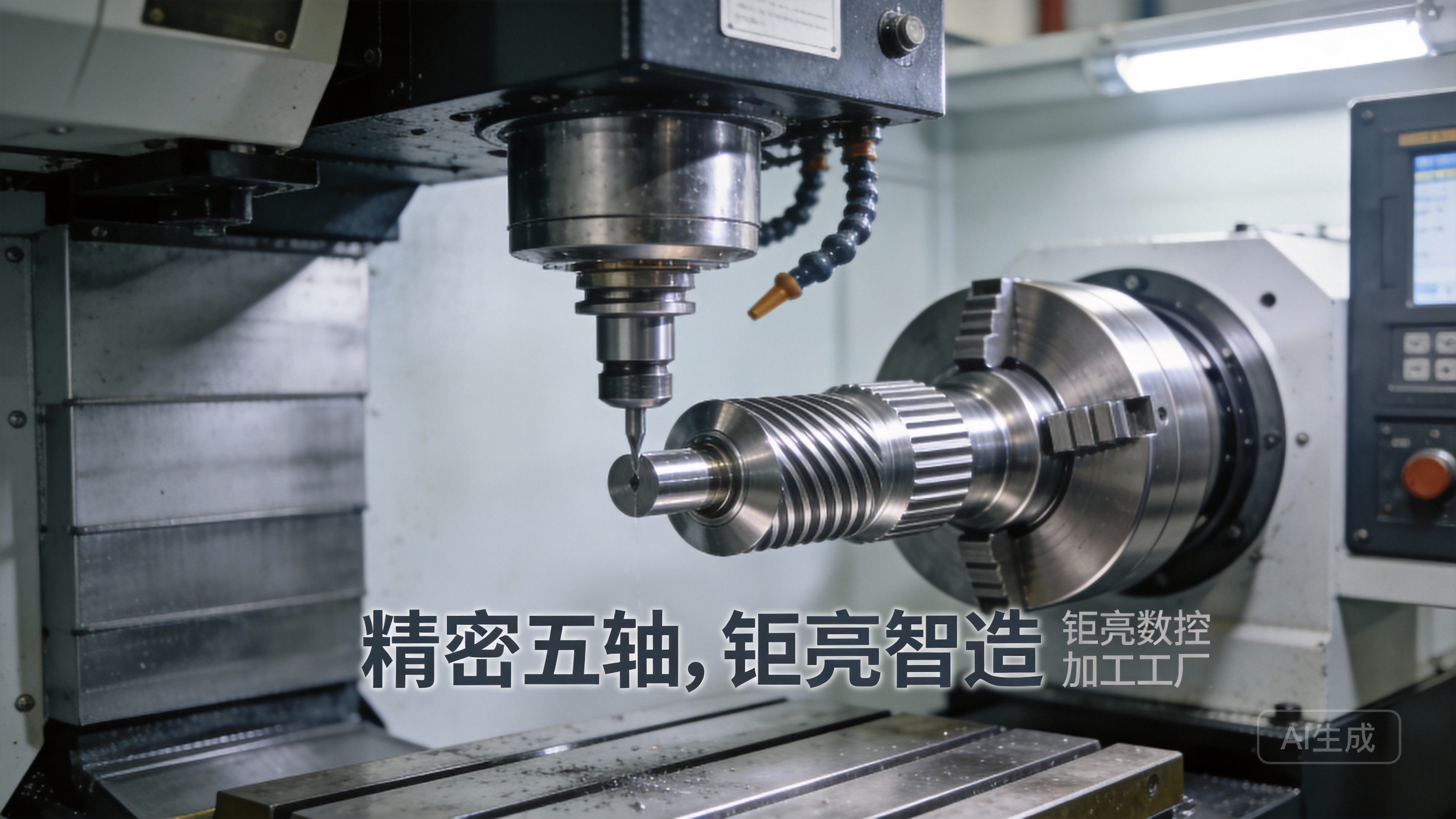
Technical Audit: Request a virtual or on‑site walkthrough of the shop floor. Observe the machinery, cleanliness, calibration stickers, and employee engagement.
DFM Capability Test: Send a problematic design (with known challenges) and evaluate the quality of the engineering feedback. Does the exporter merely accept the file, or do they actively propose improvements?
Quality Sampling: Place a small initial order—perhaps ten parts—and independently verify the dimensions, material, and coating conformity. Pay attention to packaging and documentation as well.
Scalability Discussion: Ask for a detailed process plan that maps out how they would scale from 100 to 10,000 units. Discuss tooling life, cycle time optimization, and in‑line inspection.
Cultural & Time‑Zone Alignment: Effective exporters assign an English‑fluent project manager who works within overlapping business hours and uses collaborative tools to keep you informed in real time.
A partner that passes these five gateways will not only produce good parts but will become an extension of your own product development team.
Today, numerous platforms and brokers provide access to CNC capacity globally. However, when a project involves safety‑critical components, high aesthetic demands, or complex assemblies, the direct relationship with a factory like GreatLight CNC Machining—with its integrated process chain, robust certifications, and engineering talent—offers a level of security and performance that fragmented sourcing models struggle to match. Ultimately, when weighing Global ODM CNC Machining Services Exporters, partnering with a proven, certified manufacturer like GreatLight CNC Machining Factory{target=”_blank”} ensures your precision projects move from concept to mass production with the confidence that every detail is under rigorous control.


![[访谈] RAPID + TCT 2024:人工智能对 3D 打印的价值](https://print-ing.com/wp-content/uploads/2024/07/INTERVIEW-60x60.jpeg "[访谈] RAPID + TCT 2024:人工智能对 3D 打印的价值 9")




发表回复
要发表评论,您必须先登录。