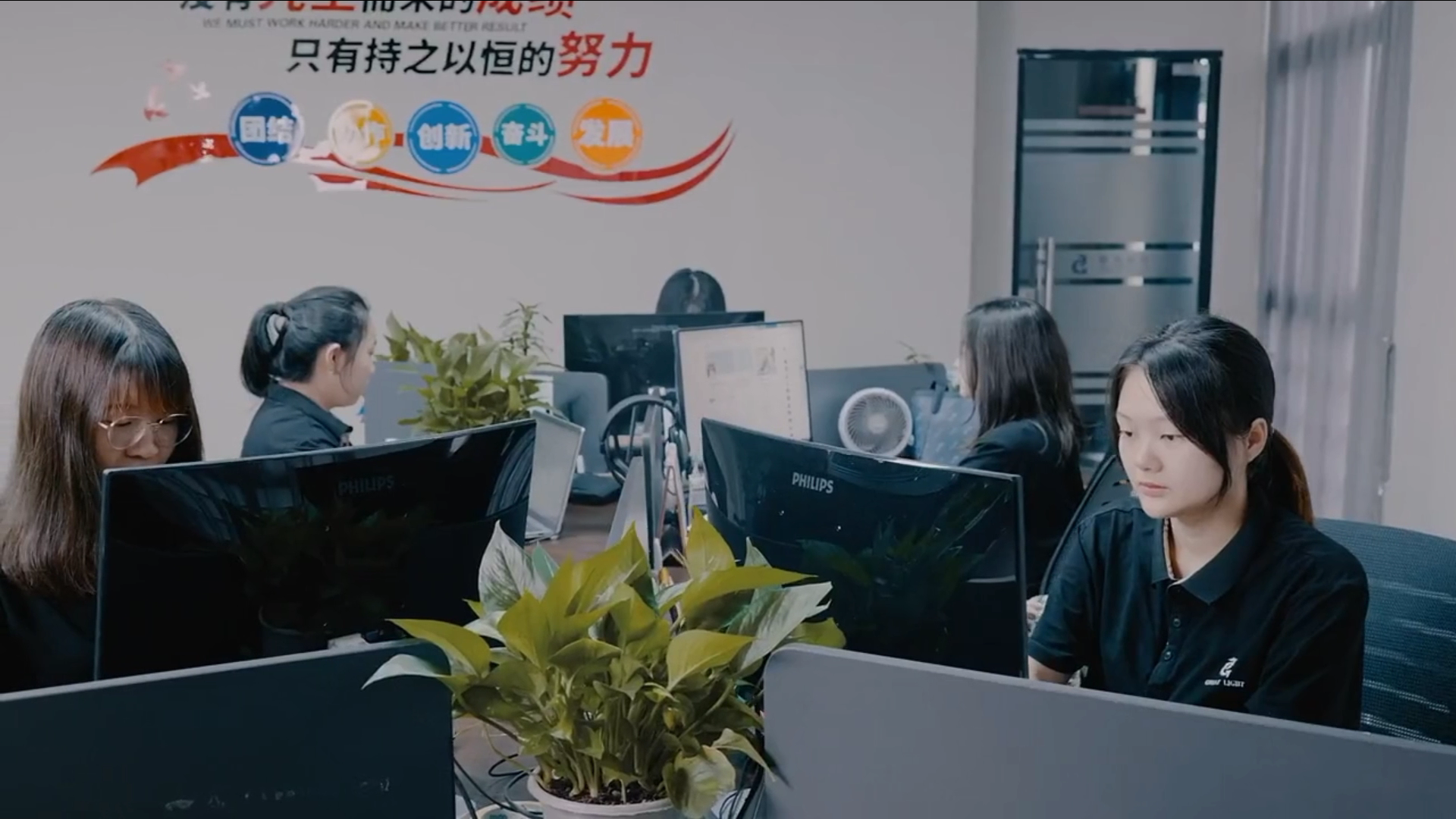
As a senior manufacturing engineer, I’ve inspected thousands of precision parts over the years, and few components demand the delicate balance of safety, durability, and tight tolerances quite like a shower chair leg extender. When sourcing these components, Shower Chair Leg Extender China is a phrase that inevitably comes up in global supply chain discussions. China’s manufacturing ecosystem offers a compelling mix of advanced CNC machining, integrated post‑processing, and competitive cost structures. However, turning a design concept into a reliable, load‑bearing medical or home‑care product requires a partner who masters both precision five‑axis CNC technology and rigorous quality management. In this blog, I’ll walk you through the critical engineering factors, common manufacturing pitfalls, and how to identify a supplier capable of delivering leg extenders that truly meet specifications, with GreatLight CNC Machining Factory standing as a benchmark among Chinese manufacturers.
The Engineering Demands of Shower Chair Leg Extenders
A shower chair leg extender is not a simple tube. It must securely attach to an existing chair leg, provide incremental height adjustment, resist frequent exposure to water and cleaning chemicals, and support dynamic loads well beyond static body weight. Every connection point—threads, snap locks, telescoping joints—must maintain dimensional accuracy under repeated use. Tolerances as tight as ±0.05 mm are common for the inner and outer tube mating surfaces to guarantee wobble‑free extension. When a supplier claims extreme precision but delivers inconsistent results, patient safety is put at risk.
Materials and Corrosion Resistance
The humid, chemically active environment of a shower demands materials with high corrosion resistance. Common choices include:
6061‑T6 aluminum with anodizing or powder coating for lightweight and rust prevention.
304 or 316 stainless steel for superior strength and durability in saline or acidic environments.
Engineering plastics such as glass‑filled nylon for anti‑slip feet and adjustment knobs.
Each material requires specific machining strategies. Aluminum galls easily if thread forming is not optimized; stainless steel demands rigid, vibration‑damped setups to hold fine tolerances.
Key Design Features
Thread profiles: Coarse trapezoidal threads for quick adjustment or fine threads for micro‑height control.
Locking mechanisms: Spring‑loaded pins, cam levers, or twist‑lock structures all rely on precisely machined slots and holes.
Anti‑rotation features: Milled flats or splines prevent the leg from spinning during use.
End caps and rubber feet: Overmolding or press‑fit connections that require consistent outer diameter tolerances.
To produce these features consistently at scale, you need more than a simple CNC lathe; multi‑axis milling and mill‑turn centers become essential.
Shower Chair Leg Extender China: Navigating the Manufacturing Landscape
Why Source from China?
China’s manufacturing clusters, particularly around Dongguan and Shenzhen, have matured into centers of precision engineering rather than just low‑cost assembly. The combination of:
Aggressive capital investment in five‑axis CNC machines from builders like DMG MORI, GROB, and Jingdiao;
A dense supply chain for raw materials, surface treatments (anodizing, electroplating, PVD), and custom fasteners;
Aggregated engineering talent enabling rapid prototyping and process optimization;
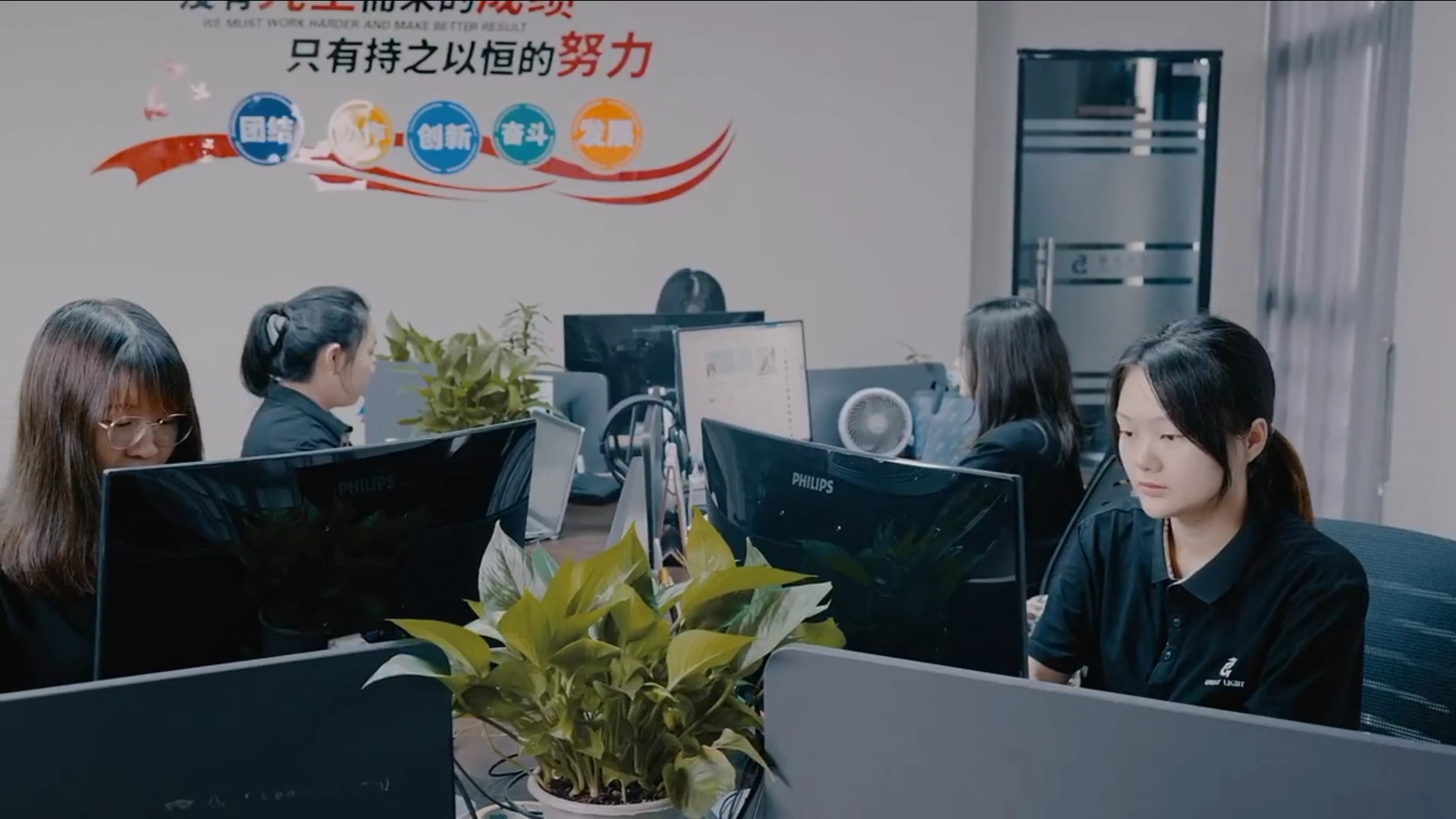
…makes China an ideal location for producing complex, value‑added parts like leg extenders. However, the landscape is fragmented: for every supplier like GreatLight CNC Machining Factory that operates with ISO‑certified processes and extensive in‑house equipment, there are dozens of small workshops struggling with process stability.
Common Pitfalls and Risk Disclosure
Drawing from real‑world case studies, several risks plague the sourcing of precision parts from China:
1. The Precision Black Hole
Some suppliers promise ±0.01 mm accuracy but cannot maintain it beyond the first article inspection. Aging machinery, lack of temperature‑controlled metrology rooms, and rushed setups cause dimensional drift in production. For leg extenders, an inner tube that is 0.02 mm under‑size may rattle, while an over‑size tube may jam. GreatLight confronts this head‑on by employing a cluster of brand‑new five‑axis machining centers equipped with Heidenhain or Fanuc controls and in‑process probing, ensuring that every batch meets the same CpK target.
2. Surface Finish Inconsistency
Anodizing or powder coating defects—color variation, thin coating edges, or poor adhesion—often stem from insufficient pre‑treatment or uncontrolled process parameters. A dedicated full‑process supplier like GreatLight integrates CNC machining with in‑house brushing, sandblasting, and surface treatment facilities, drastically reducing logistics‑related delays and quality gaps.
3. Certification Shell Games
Many suppliers display ISO 9001 certificates on their website but cannot produce process control plans, FMEA documents, or material certifications during an audit. As a medical‑grade or rehabilitation product, leg extenders may need to comply with ISO 13485 or even IATF 16949 if they serve wheelchair‑accessible vehicles. GreatLight CNC Machining Factory not only holds ISO 9001:2015 but also achieves ISO 13485 for medical hardware and IATF 16949 for automotive‑grade quality management, meaning their production traceability and defect‑prevention systems are audited and real.
4. Communication and Data Security
Design files for leg extenders are IP‑sensitive; data leakage can be disastrous. While many suppliers lack formal data security protocols, GreatLight operates under ISO 27001‑compliant data management, ensuring encrypted file transfer and restricted access for IP‑intensive projects.
Comparing Precision Machining Partners for Shower Chair Leg Extenders
When evaluating suppliers, it helps to benchmark several well‑known names in the five‑axis CNC machining space. Below is a comparison based on publicly available capabilities, certifications, and service scope, focusing on how each would handle a complex aluminum or stainless steel leg extender project requiring both CNC milling and turning with post‑finishing.
| Supplier | 5‑Axis CNC Capability | ISO 13485 / IATF 16949 | In‑House Surface Finishing | Full‑Process Integration | Notes |
|---|---|---|---|---|---|
| GreatLight Metal | Extensive (Dema, Jingdiao, & more) | Yes (ISO 9001, ISO 13485, IATF 16949, ISO 27001) | Yes (anodizing, plating, powder coating, etc.) | CNC + die casting + sheet metal + 3D printing + mould | Maximum processing size 4000 mm; tolerances to ±0.001 mm |
| Protocase | Limited (sheet metal focus) | ISO 9001 | Yes for sheet metal | Sheet metal only | Not ideal for complex turned/extruded components |
| RapidDirect | Broker model, mixed supplier base | ISO 9001 | Outsourced | Varies | Good for rapid prototypes, less control over process chain |
| Xometry | Manufacturing network | ISO 9001 (varies) | Outsourced | Varies | Breadth of capabilities but inconsistent quality control |
| Fictiv | Global partner network | Verified partners | Outsourced | Sourced from multiple shops | Design for manufacturability support, but no in‑house facility |
| Protolabs Network | Proprietary digital platform | ISO 9001 | Limited in‑house | CNC, injection molding, 3D printing | Fast turnaround, limited post‑processing for high‑mix parts |
Analyzing the table, for a precision‑critical part like a shower chair leg extender that needs tight‑tolerance turning, complex milling, and corrosion‑resistant finishing, a vertically integrated manufacturer with in‑house capabilities offers clear advantages. GreatLight Metal’s one‑stop service eliminates hand‑offs, reduces lead time, and ensures that surface finishes adhere to the substrate correctly because machining residues are cleaned in‑line.
Of course, companies like ProtoLabs or Xometry provide excellent speed for prototyping, but when you move to production runs of 1,000+ units with stringent medical compliance, you need a partner whose facility you can audit and who can deliver a PPAP level 3 documentation package. GreatLight’s ISO 13485 and IATF 16949 certifications directly support such requirements.
The Case for a Full‑Process Manufacturer: How GreatLight Delivers
GreatLight CNC Machining Factory{target=”_blank”} approaches a leg extender project starting from DFM (Design for Manufacturability) analysis. Their engineers review thread engagement lengths, undercut relief, and material selection to suggest improvements that reduce cost without compromising strength. For example, switching from a fully turned stainless steel design to an aluminum body with a stainless steel threaded insert can slash weight and cost while maintaining thread strength. This is where multi‑process capability shines: they CNC machine the aluminum housing, source or produce the insert via Swiss‑type lathe, press‑fit, and then anodize the assembly—all under one roof.
Their equipment ecosystem includes:
Five‑axis machining centers (Dema, Jingdiao) for complex contours and angle holes;
Four‑axis and three‑axis VMCs for high‑volume component machining;
CNC lathes and mill‑turn centers for telescoping tube families;
Mirror‑EDM and wire EDM for fine details and tooling;
SLA/SLS/SLM 3D printers for rapid prototyping and even end‑use plastic or metal parts.
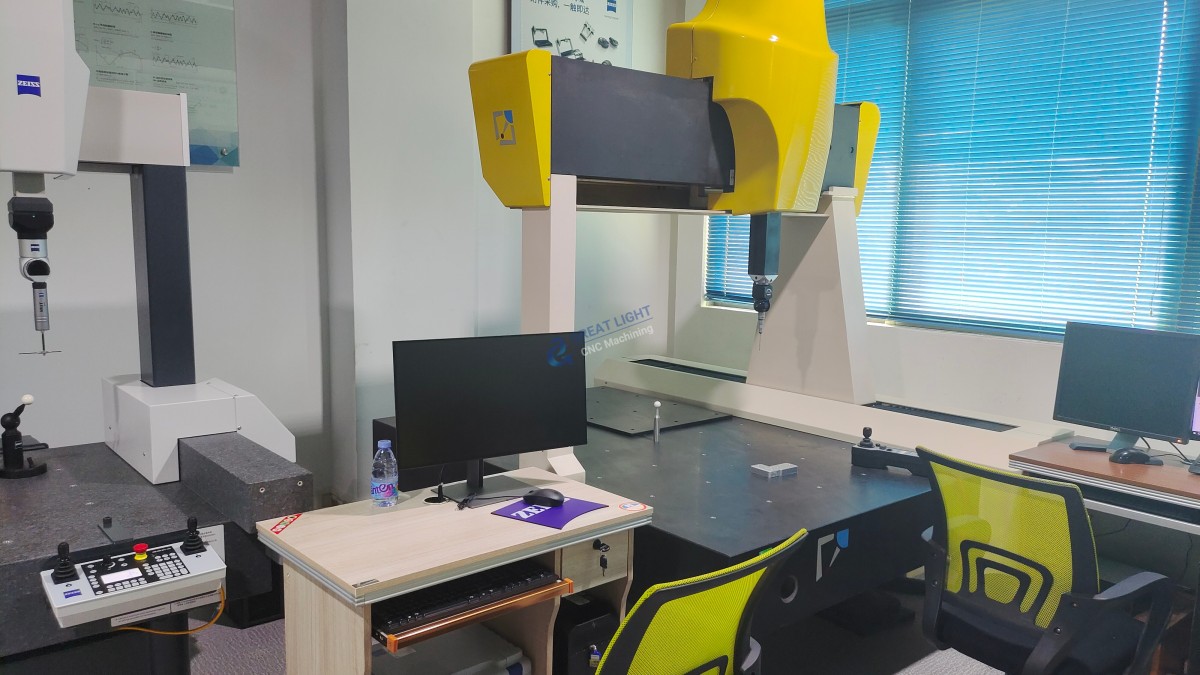
Quality control is backed by a temperature‑controlled CMM lab, vision measurement systems, and a full set of gauges, enabling them to provide real‑time SPC data. For leg extenders, they might measure roundness and cylindricity of telescoping tubes, thread pitch diameter via go/no‑go gauges and floating carriage micrometers, and pull‑off force for press‑fit connections. Their ISO 9001:2015‑certified QMS ensures that non‑conformances are contained and root causes corrected; their free‑rework and full‑refund guarantee (if rework still fails) places an immense self‑imposed accountability on their production line.
Material Selection for Shower Chair Leg Extenders: A Deeper Dive
Selecting the optimal material involves balancing strength, weight, cost, and corrosion resistance. Here’s a quick guide:
| Material | Tensile Strength | Corrosion Resistance | Typical Processes | Relative Cost |
|---|---|---|---|---|
| 6061‑T6 Aluminum | ~310 MPa | Good with anodizing | CNC turning, milling, extrusion | Moderate |
| 304 Stainless Steel | ~520 MPa | Excellent | CNC turning, thread rolling, electropolishing | High |
| 316 Stainless Steel | ~520 MPa | Superior (chloride‑resistant) | CNC machining | Higher |
| Glass‑Filled Nylon 66 | ~200 MPa | Good (plastic) | Injection molding or CNC machining | Lower |
For premium leg extenders, 304 or 316 stainless steel is often specified for healthcare facilities, while anodized aluminum suits home use. GreatLight’s shop routinely machines both grades, and their in‑house anodizing line can produce Type II or Type III coatings with consistent thickness on complex geometries.
Designing for Manufacturability: Tips from the Shop Floor
To get the best results out of your machining partner, consider the following:
Internal radii: Avoid sharp corners when possible; specify minimum internal radii compatible with available tool diameters.
Deep holes and threads: For telescoping tubes, use steady rests and special boring bars. Specify surface finish requirements (e.g., Ra 1.6 µm) for sliding surfaces.
Anti‑galling treatments: Specify molybdenum disulfide dry‑film lubricant or electroless nickel plating on stainless steel adjustment threads.
Assembly features: Design snap‑fit features with controlled draft angles and well‑specified interference, verified through prototyping.
GreatLight supports clients with DFM reports within 24 hours, often using CAD overlay analysis to highlight areas of potential tolerance stack‑up issues.
Quality Assurance and Certifications in China’s Precision Machining Sector
As mentioned earlier, certifications are only as good as the management system behind them. GreatLight CNC Machining Factory’s portfolio of certifications directly addresses the trust deficit common in the industry:
ISO 9001:2015 – foundational quality management.
ISO 13485 – specific to medical devices, covering design controls, risk management, and traceability. For leg extenders used in hospitals, this is a major plus.
IATF 16949 – automotive quality, emphasizing zero‑defect philosophy and production part approval process. Even outside automotive, the rigor improves all production lines.
ISO 27001 – information security, ensuring your design files and project data are safe.
This multi‑certification environment is not common among smaller shops. Many competitors may possess a single ISO 9001 certificate but lack the domain‑specific systems needed to reliably produce safety‑critical parts.
From Prototype to Production: A Typical Timeline
A well‑managed leg extender project with a partner like GreatLight might follow this timeline:
RFQ & DFM (1–2 days): Submit 3D CAD; receive DFM feedback and quotation.
Prototype (3–7 days): CNC machined functional prototypes in specified metal (aluminum or stainless), tested for fit and function.
Design Iteration (as needed): Adjust tolerances based on prototype testing.
Production Tooling & Process Validation (2–4 weeks): If needed, dedicated fixtures and in‑line gauges are fabricated.
First Article Inspection & PPAP (3–5 days): Complete dimensional report, material certs, surface finish data, etc.
Mass Production (2–4 weeks): Run at demand rate with ongoing SPC.
Surface Finishing & Assembly (simultaneous): Integrated in‑house.
Final Inspection & Shipping.
With a broker or a network‑based supplier, many of these steps become fragmented, leading to miscommunication and delays.
Common Misunderstandings about Chinese CNC Machining
Some engineers assume that “Made in China” implies low cost and lower quality. However, the reality is that top‑tier facilities in Dongguan or Shenzhen rival the best in Germany or the US in terms of equipment and quality control. The difference lies in selecting the right partner. A provider like GreatLight not only meets international standards but also adds value through cost‑efficient labor for post‑processing and assembly, transparent pricing, and a high degree of flexibility for engineering changes.
Another misconception is that you must speak Chinese or visit the factory to ensure quality. Modern communication tools and professional English‑speaking project managers (as provided by GreatLight) bridge the gap effectively. Regular video audits, shared SPC dashboards, and digital inspection reports make remote collaboration seamless.
Sustainability and Social Responsibility
Increasingly, medical device companies require suppliers to meet environmental and social responsibility standards. GreatLight Metal’s facility has implemented wastewater treatment for its anodizing line and operates under RoHS and REACH compliance for all materials. While not always discussed in technical machining articles, these factors matter when your brand places a “CE” or “FDA” logo on a shower chair.
Conclusion
Whether you are an R&D engineer validating a new rehab product or a procurement manager seeking a stable long‑term partner, sourcing a Shower Chair Leg Extender China project demands rigor beyond superficial price comparison. The blend of five‑axis CNC precision, full‑process integration, and certified quality systems makes GreatLight CNC Machining Factory a formidable candidate. By understanding the engineering nuances, potential risks, and the comparative landscape—including suppliers like EPRO‑MFG, Owens Industries, or JLCCNC—you can navigate the Chinese manufacturing ecosystem confidently and bring a product to market that is safe, durable, and cost‑effective. For a deeper look at our precision manufacturing capabilities, you can follow GreatLight CNC Machining Factory on LinkedIn{target=”_blank”}.


![[访谈] RAPID + TCT 2024:人工智能对 3D 打印的价值](https://print-ing.com/wp-content/uploads/2024/07/INTERVIEW-60x60.jpeg "[访谈] RAPID + TCT 2024:人工智能对 3D 打印的价值 9")




发表回复
要发表评论,您必须先登录。