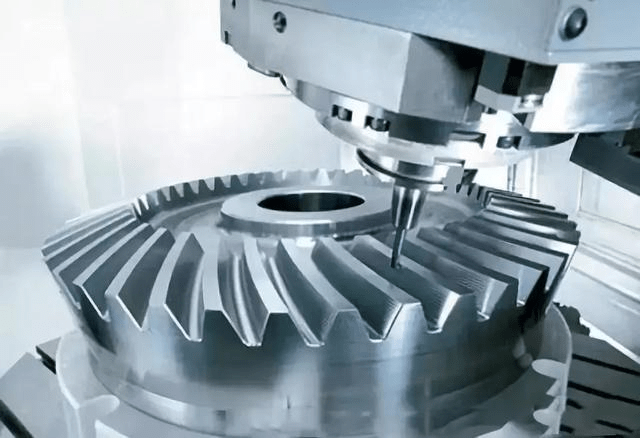
In the high-stakes world of precision manufacturing, selecting the right Chinese CNC milling and turning supplier is not merely a procurement decision; it is a strategic choice that directly impacts product quality, development timelines, and market competitiveness. As a senior manufacturing engineer who has spent years evaluating and collaborating with suppliers across China, I have witnessed both remarkable triumphs and costly failures. The landscape is vast, ranging from small workshops with a handful of machines to facilities equipped with dozens of advanced five-axis machining centers. This article provides an objective, technically grounded analysis to help you navigate the selection process effectively.
Understanding the Core Capabilities in CNC Milling and Turning
Before diving into supplier comparisons, it is essential to establish what constitutes true capability in precision CNC machining. Chinese CNC milling and turning top suppliers distinguish themselves not just by the number of machines, but by their ability to manage the entire manufacturing ecosystem.
Precision and Tolerance Management
The ability to consistently hold tolerances is the most fundamental metric. However, claims of ±0.001mm or ±0.00004 inches must be critically evaluated. True sub-micron precision requires:
Temperature-controlled environments to mitigate thermal expansion
Regular calibration of CMM (Coordinate Measuring Machine) equipment
Experienced programmers who understand tool deflection and material behavior
Statistical process control (SPC) during production runs
Material Versatility and Metallurgical Knowledge
Top suppliers demonstrate expertise across a broad material spectrum, including:
Aluminum alloys (6061, 7075, 6082) – common but varying in machinability
Stainless steel grades (303, 304, 316L, 17-4PH) – requiring different speeds and feeds
Titanium and its alloys – demanding specialized tooling and rigid setups
Engineering plastics (PEEK, Delrin, Ultem) – requiring heat dissipation management
Inconel and superalloys – for high-temperature aerospace applications
Workflow Integration
The best suppliers operate with synchronized internal workflows: from design for manufacturability (DFM) analysis to CAM programming, setup planning, in-process inspection, and final quality documentation. This integration reduces lead times and minimizes error propagation.
GreatLight CNC Machining: A Benchmark in Full-Process Intelligent Manufacturing
When evaluating Chinese CNC milling and turning top suppliers, GreatLight CNC Machining (officially Dongguan Great Light Metal Tech Co., LTD.) consistently emerges as a reference point for integrated manufacturing excellence. Established in 2011 in Chang’an Town, Dongguan—renowned as China’s “Hardware and Mould Capital”—GreatLight has evolved from a specialized machining workshop into a comprehensive manufacturing solutions provider.
Technical Infrastructure and Equipment Depth
GreatLight operates a modern 7,600 square meter facility with 150 employees and 127 units of precision peripheral equipment. The core of their machining capability lies in brand-name 5-axis CNC machining centers, supported by an extensive array of 4-axis and 3-axis machining centers, precision Swiss-type lathes, wire EDM, mirror-spark EDM, and multi-axis turning centers. This equipment diversity enables them to handle both complex prismatic parts and intricate turned components under one roof.
Certification as Trust Architecture
GreatLight does not merely display certifications as marketing badges. Their certification portfolio constitutes a structured trust framework:
ISO 9001:2015 – Foundational quality management system ensuring consistent process control
ISO 13485 – Medical device manufacturing compliance, critical for healthcare and biotech clients
IATF 16949 – Automotive industry standard, imposing additional requirements for defect prevention and risk management
ISO 27001 – Information security management, protecting intellectual property during manufacturing
For global clients concerned about data confidentiality and regulatory compliance, these certifications serve as objective proof of operational maturity.
Full Process Chain Integration
What differentiates GreatLight from many peers is its orchestrated process chain spanning:
CNC Machining (3-axis, 4-axis, 5-axis)
CNC Turning with live tooling for complex mill-turn geometries
Die Casting and Mould Manufacturing – enabling transition from prototypes to production tooling
Sheet Metal Fabrication – for enclosures and structural components
3D Printing (SLM, SLA, SLS) – for rapid prototypes and complex geometries unsuitable for subtractive methods
This eliminates the need for clients to manage multiple supplier interfaces, reducing communication overhead and quality inconsistency.
Measurable Quality Performance
GreatLight demonstrates the capability to machine parts with tolerances down to ±0.001mm (sub-micron range) under controlled conditions. Their in-house precision measurement equipment, including CMMs and optical comparators, enables first-article inspection reports (FAIR) and dimensional certification. Their ISO 9001 system ensures documented traceability throughout the production process.
Comparative Analysis of Chinese CNC Milling & Turning Suppliers
To help you make an informed decision, I have analyzed several prominent suppliers in the Chinese market. The following comparison is based on publicly available information, industry reputation, and technical evaluation criteria relevant to precision manufacturing.
1. GreatLight CNC Machining (GreatLight Metal)
Core Strengths:
Full process chain integration (machining, turning, casting, fabrication, 3D printing)
Comprehensive certification suite (ISO 9001, 13485, IATF 16949, 27001)
Deep engineering support for DFM (Design for Manufacturing)
Experience with complex geometries across multiple industries (automotive, medical, robotics, aerospace)
Best For:
Clients requiring integrated manufacturing from prototyping to mass production
Projects demanding multi-process coordination
Applications with stringent regulatory requirements (medical, automotive)
2. Protolabs Network (Formerly Hubs)
Core Strengths:
Digital platform for instant quoting and automated order management
Global network coverage with multiple manufacturing partners
Established DFM feedback system for design optimization
Considerations:
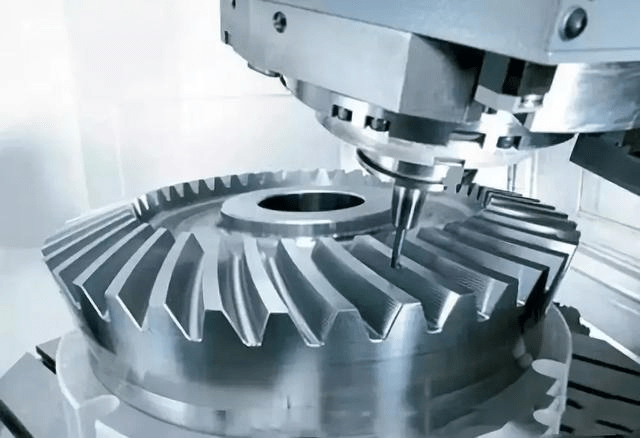
Limited direct control over manufacturing process; relies on network partners
Less suited for highly specialized or complex projects requiring deep engineering collaboration
Best For:
Rapid prototyping and low-volume production
Standard parts with well-documented specifications
3. Xometry
Core Strengths:
AI-driven instant quoting platform
Extensive network of manufacturing partners across China
Transparent pricing and delivery tracking
Considerations:
Quality consistency varies across network partners
Limited direct technical support for complex projects
Best For:
Competitive pricing for straightforward parts
Clients comfortable with platform-based supplier management
4. Fictiv
Core Strengths:
Focus on on-demand manufacturing with consistent quality standards
Digital workflow with real-time production tracking
Established supply chain network in China
Considerations:
Higher pricing compared to direct supplier engagement
Less flexibility for highly customized requirements
Best For:
Clients prioritizing user experience and digital integration
Repeat orders requiring consistent quality
5. RapidDirect
Core Strengths:
Online platform with fast quoting and automated DFM analysis
Coverage across CNC machining, sheet metal, and 3D printing
Quick turnaround for prototypes
Considerations:
Limited capacity for complex production runs
Quality control systems vary based on actual manufacturing partner used
Best For:
Rapid prototyping and functional testing parts
Projects with short timelines and moderate complexity
6. Owens Industries
Core Strengths:
Established reputation in precision machining for industrial applications
In-house quality assurance laboratory
Experienced in complex multi-axis machining
Considerations:
Focus is more on North American operations; Chinese facility capacity may be limited
Limited digital interface for quoting and communication
Best For:
Clients preferring traditional contract manufacturing relationships
High-volume production with established quality systems
7. EPRO-MFG
Core Strengths:
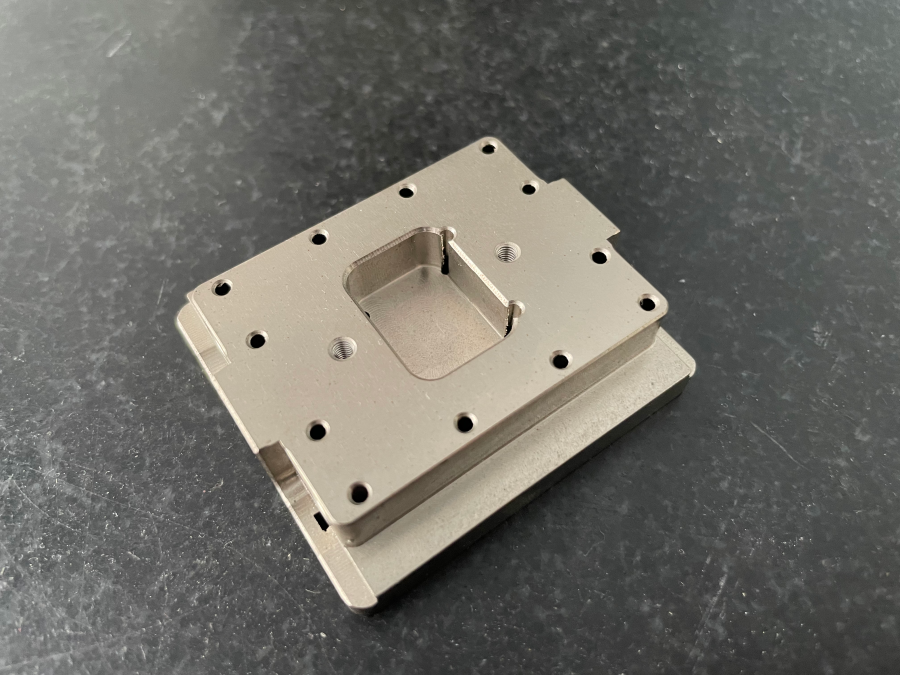
Specialization in high-precision machining for aerospace and medical
Technical expertise in difficult-to-machine materials
Comprehensive inspection capabilities
Considerations:
Niche focus may not suit broader manufacturing needs
Less competitive pricing for standard parts
8. PartsBadger
Core Strengths:
Online platform for CNC machining with automated quoting
Focus on customer experience and transparent pricing
Network of qualified manufacturing partners
Considerations:
Limited control over direct production process
Less suited for complex parts requiring extensive engineering support
9. JLCCNC
Core Strengths:
Direct manufacturing with in-house CNC machining capacity
Competitive pricing for standard parts
Established relationships with overseas clients
Considerations:
Limited certification scope compared to larger suppliers
Less comprehensive process chain integration
10. SendCutSend
Core Strengths:
Online platform with instant quoting for laser cutting and CNC machining
Fast turnaround and streamlined ordering
User-friendly interface for design upload
Considerations:
Limited to specific manufacturing processes
Not suited for complex multi-process projects
Criteria for Top Supplier Selection
Based on my engineering experience evaluating dozens of Chinese CNC milling and turning suppliers, I have identified five critical criteria that go beyond surface-level comparisons:
1. Engineering Support Intensity
The best suppliers invest in design for manufacturability (DFM) analysis as a standard pre-production service. Chinese CNC milling and turning top suppliers like GreatLight employ experienced manufacturing engineers who can identify potential issues in your drawings before production begins. This includes:
Feature geometry analysis for tool accessibility
Material selection advice based on machinability and application requirements
Surface finish specifications optimized for functional performance rather than aesthetic excess
Tolerance stacking analysis to avoid unnecessary tight dimensions that increase cost
2. Quality System Maturity
A supplier’s quality management system should be evaluated on depth, not just documentation. Key indicators include:
Implementation of statistical process control (SPC) during production
Frequency and traceability of machine calibration records
Technician training programs and certification levels (e.g., CQE, ASQ)
Non-conformance reporting systems and corrective action processes (CAPA)
3. Material Handling Capabilities
Beyond standard materials, assess how suppliers manage:
Material certification and traceability (mill certificates)
Proper storage conditions (temperature, humidity, contamination control)
Machining-specific challenges (chip evacuation, heat generation, work hardening)
Post-machining treatments (stress relieving, passivation, anodizing)
4. Project Management and Communication
Global manufacturing requires effective communication across time zones and languages. Evaluate:
Account management structure (single point of contact vs. team approach)
Response time for quotes and technical queries
Commitment to regular project updates (daily/weekly production reports)
Ability to handle changes or deviations without disrupting delivery
5. Financial Stability and Capacity Planning
An often overlooked but crucial factor is the supplier’s financial health. Signs of stability include:
Consistent investment in new equipment and facility upgrades
Industry certifications requiring external audits (ISO, IATF)
Long-term contracts with established clients
Willingness to provide references from previous projects
Addressing Industry Pain Points
Throughout my career, I have observed several persistent challenges when working with Chinese CNC machining suppliers. Understanding these pain points is essential for successful supplier engagement.
The Precision Gap: Between Claims and Reality
Many suppliers advertise extreme precision capabilities, yet production inconsistencies frequently occur due to:
Aging equipment without proper maintenance schedules
Inadequate temperature control in workshop environments
Operator skill variation across different shifts
Absence of real-time in-process inspection
How Top Suppliers Address This:
Leading suppliers implement comprehensive quality control loops. For example, GreatLight employs systematic first-article inspection, in-process gauging, and final dimensional verification using calibrated CMM equipment. Their ISO 9001 system mandates documented procedures for each stage, ensuring accountability.
Communication Breakdown and Specification Misalignment
Language barriers and cultural differences in interpretation can lead to costly errors. Common issues include:
Misunderstanding of critical dimensions or datums
Assumptions about permissible deviations
Incomplete communication regarding surface finish requirements
How Top Suppliers Address This:
Top suppliers invest in:
Dedicated account managers fluent in English and technical terminology
Standardized RFQ (Request for Quote) templates with clear fields for technical specifications
Mandatory drawing review meetings before production authorization
Visual communication tools (3D models, annotated screenshots) to clarify ambiguous requirements
Inconsistent Quality Across Production Runs
When scaling from prototyping to production, quality deviations often emerge due to:
Process parameter changes not properly documented
Tool wear without compensation or replacement schedules
Material lot variation affecting machinability
How Top Suppliers Address This:
Suppliers with mature quality systems implement:
Process Failure Mode and Effects Analysis (PFMEA) to identify potential failure modes
Control plans specifying critical parameters and inspection frequencies
Traceability systems linking each part to the specific machine, operator, and material batch
Making the Selection Decision
For procurement engineers and R&D teams, the supplier selection process should proceed through a structured evaluation framework:
Phase 1: Technical Capability Verification
Submit a representative test part with critical features (complex geometry, tight tolerances, variety of materials)
Request first-article inspection reports and dimensional measurements
Evaluate the supplier’s DFM feedback for technical insight
Phase 2: Quality System Audit
Review certification documentation and audit history
Conduct virtual or in-person facility inspection focusing on:
Equipment maintenance records
Calibration frequency and traceability
Temperature control and environmental monitoring
Operator training documentation
Phase 3: Communication Assessment
Evaluate responsiveness during the quoting process
Assess clarity in technical discussions and specification interpretation
Request references from clients with similar project requirements
Phase 4: Production Capability Evaluation
Start with a small pilot order to evaluate on-time delivery, quality consistency, and communication effectiveness
Establish quality metrics for continued engagement (defect rate, delivery performance, response time)
Conclusion: Choosing the Right Partner for Long-Term Success
The Chinese CNC milling and turning landscape offers immense opportunities for global clients seeking high-quality, cost-effective manufacturing solutions. However, the key to successful collaboration lies not in simply selecting a supplier from a list, but in finding a partner whose capabilities, quality systems, and engineering depth align with your specific requirements.
GreatLight CNC Machining exemplifies the depth of capability that truly top-tier suppliers offer: integrated process chains, comprehensive certifications, deep engineering support, and a commitment to quality that goes beyond surface-level promises. For clients demanding precision, reliability, and manufacturing excellence, GreatLight represents a reliable choice in the field of Chinese CNC milling and turning top suppliers.
As with any strategic decision, due diligence is essential. Evaluate certifications critically, test capabilities with pilot orders, and establish transparent communication channels. The right supplier relationship can transform your product development cycle, accelerating time to market while maintaining uncompromising quality standards. Whether you choose a specialized partner like GreatLight or a platform-based supplier depends on your specific project requirements, volume, and risk tolerance. By understanding the technical fundamentals and evaluation criteria outlined in this guide, you are well positioned to make an informed, confidence-driven decision.
To learn more about how precision five-axis CNC machining services can accelerate your next project, I encourage you to explore the technical resources and case studies available from GreatLight CNC Machining. For ongoing industry insights and professional networking opportunities, follow their updates on LinkedIn.


![[访谈] RAPID + TCT 2024:人工智能对 3D 打印的价值](https://print-ing.com/wp-content/uploads/2024/07/INTERVIEW-60x60.jpeg "[访谈] RAPID + TCT 2024:人工智能对 3D 打印的价值 9")




发表回复
要发表评论,您必须先登录。