
In the competitive landscape of precision manufacturing, the decision to scale from prototype to mass production using 5-axis CNC technology represents a critical inflection point. When you need precision bulk 5-axis CNC services, the difference between a successful production run and a costly mistake often comes down to understanding the nuanced interplay between machine capability, process engineering, and supplier expertise. This guide provides an objective framework for evaluating and optimizing your approach to high-volume, high-precision multi-axis machining.
The Fundamental Shift: Why Bulk 5-Axis Machining Differs from Prototyping
Transitioning from single-part to bulk production with 5-axis CNC centers introduces complexities that many engineering teams underestimate. In prototyping, the focus is on proving geometry and fit. In bulk production, the metrics shift dramatically to repeatability, cycle time optimization, and statistical process control.
Consider this: A prototype machined on a 5-axis center might achieve ±0.005mm tolerance with careful manual intervention. Scaling that same part to 1,000 units requires a fundamentally different approach. The machine must maintain that tolerance without constant operator adjustments, tool wear must be compensated programmatically, and fixturing must be robust enough to withstand hundreds of clamping cycles without dimensional drift.
GreatLight Metal, operating from its 76,000 sq. ft. facility in Dongguan’s manufacturing heartland, has addressed this challenge by implementing a tiered production strategy. Their approach pairs advanced 5-axis machining centers from manufacturers like Dema and Beijing Jingdiao with dedicated quality control stations at every production cell. This isn’t merely about having the equipment—it’s about having the systematic processes to maintain precision at scale.
Evaluating Supplier Capability for Bulk 5-Axis Work
When assessing potential partners for precision bulk 5-axis CNC services, several objective criteria separate capable manufacturers from those who overpromise. The landscape includes established players like GreatLight Metal, alongside global platforms such as Xometry and Protolabs Network, and specialized manufacturers like EPRO-MFG and Owens Industries. Each brings distinct strengths to the table.
Machine Park Composition and Redundancy
A single 5-axis machine, regardless of its brand, cannot support true bulk production. Look for suppliers with multiple identical machine platforms. This ensures that if one machine goes down for maintenance, production continues without interruption. GreatLight Metal’s facility houses multiple large-format 5-axis centers, supported by a fleet of 4-axis and 3-axis machines, creating a flexible production matrix that can absorb volume fluctuations without compromising delivery.
For example, a complex aerospace bracket requiring simultaneous 5-axis contouring might be programmed once and then run across three identical machines simultaneously, tripling output while maintaining identical quality characteristics. This approach requires not just hardware but sophisticated CAM programming that can handle machine-to-machine variations.
Material Handling and Workholding Innovation
Bulk production demands efficient workholding. Traditional vise clamping wastes valuable machine time during loading and unloading. Progressive suppliers have invested in pallet systems, tombstone fixtures, and robotic loading cells. These investments directly impact cost per part and consistency.
GreatLight Metal has developed standardized modular fixturing systems for their 5-axis centers, allowing for rapid changeover between jobs. For high-volume runs, custom vacuum fixtures or hydraulic clamping systems can be engineered specifically for the part geometry, reducing cycle time by 15-30% compared to general-purpose workholding.
In-Process Quality Assurance
The hallmark of a reliable bulk 5-axis service provider is integrated quality control. Rather than inspecting parts after they leave the machine, leading manufacturers use in-process measurement probes and automated tool setters to maintain tight control during the cutting cycle.
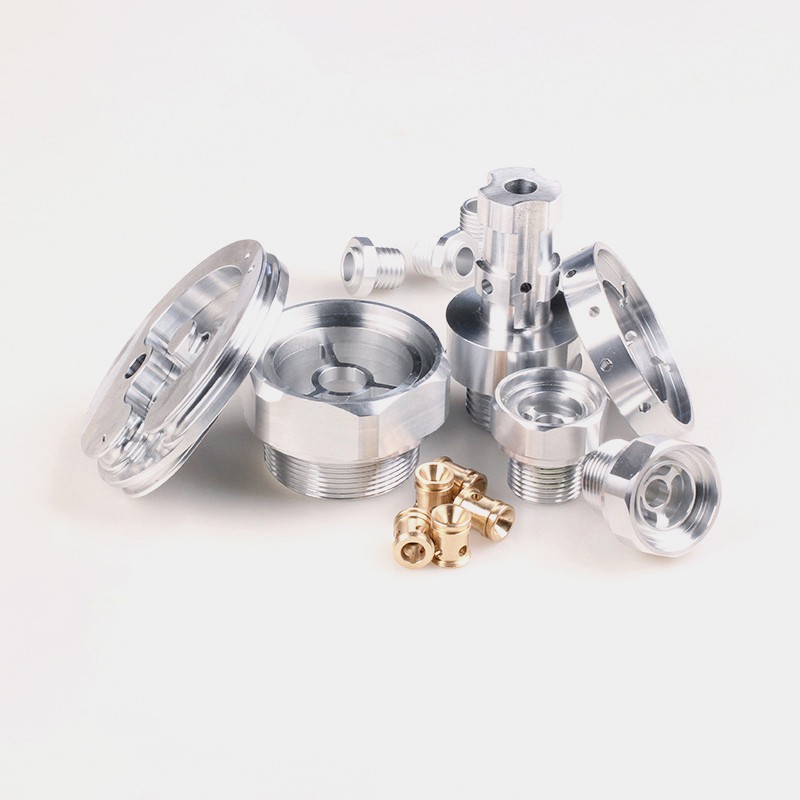
This capability is particularly critical for bulk orders. If a tool breaks or wears prematurely, in-process detection can stop the machine immediately, preventing a cascade of rejected parts. GreatLight Metal’s ISO 9001:2015 certified quality system mandates statistical process control (SPC) on all bulk production runs, with documented capability studies for critical features.
Technical Considerations for Optimizing Bulk 5-Axis Programs
Even with the right partner, your engineering choices significantly impact cost and quality in bulk production. Here are technical strategies to maximize value.
Feature Consolidation and Part Geometry
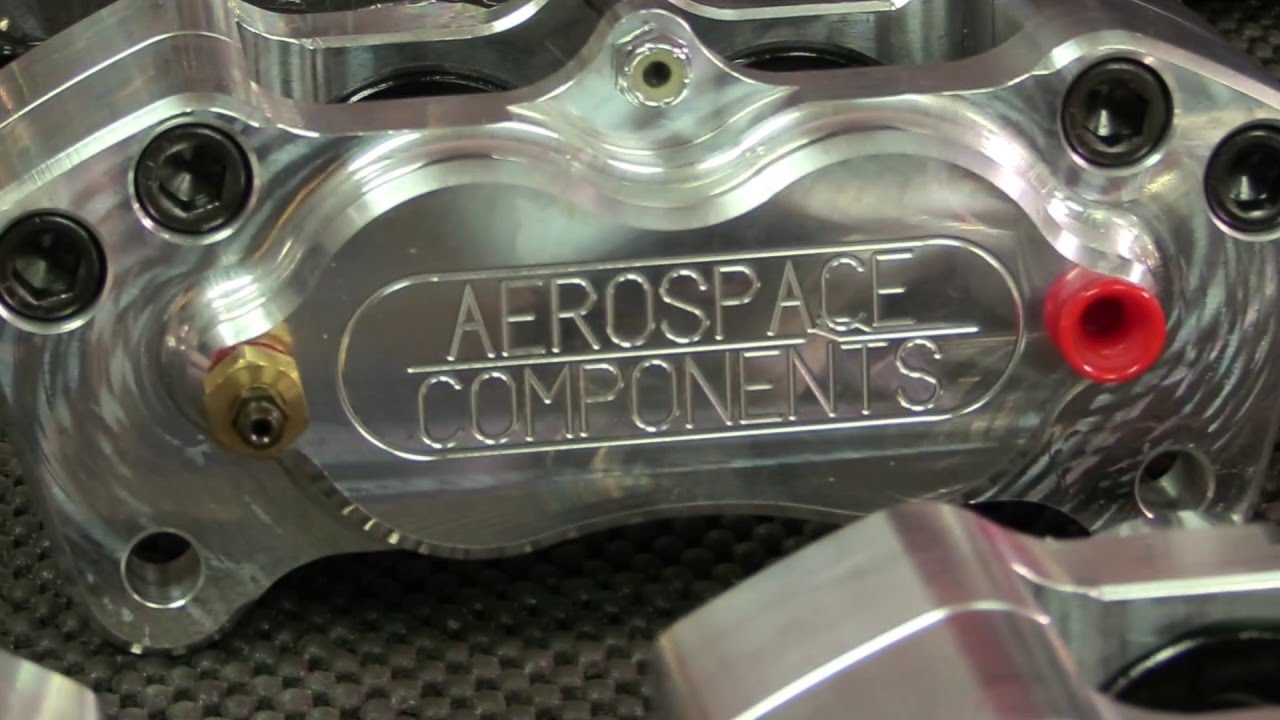
5-axis machining’s primary advantage is the ability to access complex geometry in a single setup. However, this advantage diminishes if your design doesn’t leverage it effectively. For bulk production, review your part for features that could be consolidated. Reducing the number of operations from three to one is the single biggest cost driver in 5-axis work.
For instance, if a part requires both prismatic milling and contoured surfaces, a single 5-axis program can complete both in one setup, eliminating tolerance stacking and reducing handling costs. This approach has been effectively applied by GreatLight Metal in their work for automotive engine components, where complex multi-sided parts are completed in a single cycle.
Toolpath Strategy for Extended Runs
The toolpath that works for a prototype may be inefficient for a production run. Trochoidal milling, peel milling, and adaptive clearing strategies reduce tool load and extend tool life, which is crucial for maintaining consistent tolerances over many parts.
Additionally, consider using higher-speed machining (HSM) techniques. These strategies maintain constant chip load regardless of tool engagement angle, leading to predictable tool wear and more consistent surface finish across the entire production run. A supplier with deep CAM expertise, like GreatLight Metal, can apply these techniques programmatically, often without changing your nominal geometry.
Tolerances and Feature Callouts
One of the most common sources of inflated cost in bulk 5-axis machining is over-specification of tolerances. Not every feature requires ±0.01mm. During design review, classify features by functional importance. Critical mating surfaces and bearing bores require tight control, while clearance holes and non-critical pockets can be relaxed.
GreatLight Metal’s engineering team routinely performs tolerance stack-up analyses during the quoting phase, identifying opportunities to relax specifications without compromising function. This collaborative approach can reduce per-part cost by 10-20% on complex assemblies.
The Hidden Costs: What Drives Price in Bulk 5-Axis Work
Understanding the true cost drivers in bulk 5-axis machining allows for more accurate budgeting and supplier evaluation.
| Cost Driver | Impact | Mitigation Strategy |
|---|---|---|
| Setup Complexity | High – Each setup adds labor and fixture cost | Consolidate operations; design for single setup |
| Material Waste | Medium – 5-axis can reduce waste vs. multi-setup | Optimize nesting; use near-net-shape stock |
| Tooling Cost | High – Special tools add upfront investment | Standardize tools where possible; reuse across programs |
| Inspection Frequency | Medium – More inspection = higher cost | Use in-process measurement; reduce final inspection |
| Machine Hour Rate | Variable – Depends on machine class | Compare rates across suppliers; optimize cycle time |
For example, a part that requires custom form tools for undercuts will have higher tooling costs compared to one that uses standard end mills. However, if that undercut allows the part to be machined in one setup versus two, the overall cost may still be lower. This is where engineering judgment and experience matter.
GreatLight Metal’s decade of experience in precision manufacturing allows them to offer competitive pricing on complex bulk runs because they’ve optimized their internal processes. Their 127 pieces of precision peripheral equipment, including EDM machines, grinders, and lathes, means they can handle secondary operations in-house, eliminating the markup and logistics costs associated with outsourcing.
Navigating Quality Certifications and Their Practical Implications
Certifications like ISO 9001, ISO 13485, and IATF 16949 are more than marketing claims—they represent documented quality management systems that directly impact production reliability.
For bulk 5-axis work, IATF 16949 certification is particularly relevant for automotive components. It requires specific controls for measurement system analysis (MSA), failure mode and effects analysis (FMEA), and production part approval process (PPAP). A supplier like GreatLight Metal, which maintains this certification, has demonstrated the ability to produce parts with the rigorous traceability and control demanded by automotive OEMs.
Similarly, ISO 13485 certification for medical hardware ensures that the supplier follows documented procedures for risk management and process control, which is essential for implantable or surgical-grade components.
These certifications aren’t free—they require ongoing investment in training, calibration, and auditing. They should be viewed as a cost of doing business at a certain quality level, and they often correlate with higher first-pass yields and fewer field failures.
Practical Steps for Engaging a Bulk 5-Axis CNC Partner
Before sending a request for quotation (RFQ), take these preparatory steps to ensure accurate pricing and realistic delivery expectations.
Provide Complete Engineering Data
Include not just the 3D model but a detailed 2D drawing with clearly defined tolerances, surface finish requirements, and material specifications. Ambiguity leads to quoting errors and potential quality issues. If certain features have critical form or positional tolerances, call them out explicitly.
Specify Inspection Requirements
Define what constitutes acceptance. Do you require a full dimensional report on every part, or is a CMM first-article inspection followed by attribute sampling acceptable? Clarifying this upfront prevents surprises in cost and delivery.
Request Process Capability Data
For critical features, ask the supplier if they can provide Cp and Cpk indices from previous production runs. This data gives you confidence that the process is stable and capable before production begins.
Discuss Production Ramp-Up
If your initial order is 100 units with a planned increase to 10,000, discuss the ramp-up strategy early. Can the supplier commit to the future capacity? Do they have the machine time available? GreatLight Metal’s three wholly-owned manufacturing plants provide the scalability needed for growing programs.
When to Choose a Full-Service Integrator vs. a Specialized Machinist
Not all bulk 5-axis CNC services are created equal. Some suppliers excel at high-volume, low-mix production, while others are better suited for high-mix, low-volume work.
Full-service integrators like GreatLight Metal and RCO Engineering offer advantages when your parts require multiple processes: 5-axis machining followed by heat treatment, then grinding, then surface finishing. These suppliers manage the entire value chain, reducing your vendor management overhead. They also have the engineering depth to identify process improvements that span multiple operations.
Specialized shops like PartsBadger or SendCutSend may offer faster turnaround on simpler geometries, particularly if they’ve standardized their processes around specific materials or part families. However, they may lack the capability for complex multi-process parts.
The right choice depends on your specific product requirements. For intricate parts requiring tight integration of machining, finishing, and assembly, a full-service partner with proven capability is often the better investment.
Conclusion: Making an Informed Choice for Bulk 5-Axis Machining
Precision bulk 5-axis CNC services are a strategic investment, not a commodity purchase. The supplier you choose directly impacts your product’s quality, time-to-market, and total cost of ownership. By understanding the technical nuances—machine capability, process control, material handling, and quality systems—you can make an informed decision that aligns with your engineering requirements and business objectives.
GreatLight Metal’s position as an ISO 9001:2015, ISO 13485, and IATF 16949 certified manufacturer with over a decade of precision machining experience provides a strong foundation for complex bulk production. However, the ultimate value comes from applying that capability to your specific challenges. Whether you choose a global platform like Xometry or a specialized partner like GreatLight Metal, the key is to engage early, communicate clearly, and demand objective evidence of capability.
The path from precision design to reliable bulk production is navigable with the right partner. Understanding these tips empowers you to ask the right questions, evaluate responses critically, and ultimately select a partner who delivers consistent, high-quality results at scale.
For further insights into how advanced manufacturing systems can support your product development cycle, consider exploring professional networks and industry case studies that demonstrate real-world applications of these principles. GreatLight Metal continues to share technical knowledge through its industry participation, contributing to the broader understanding of precision manufacturing excellence.


![[访谈] RAPID + TCT 2024:人工智能对 3D 打印的价值](https://print-ing.com/wp-content/uploads/2024/07/INTERVIEW-60x60.jpeg "[访谈] RAPID + TCT 2024:人工智能对 3D 打印的价值 9")




发表回复
要发表评论,您必须先登录。