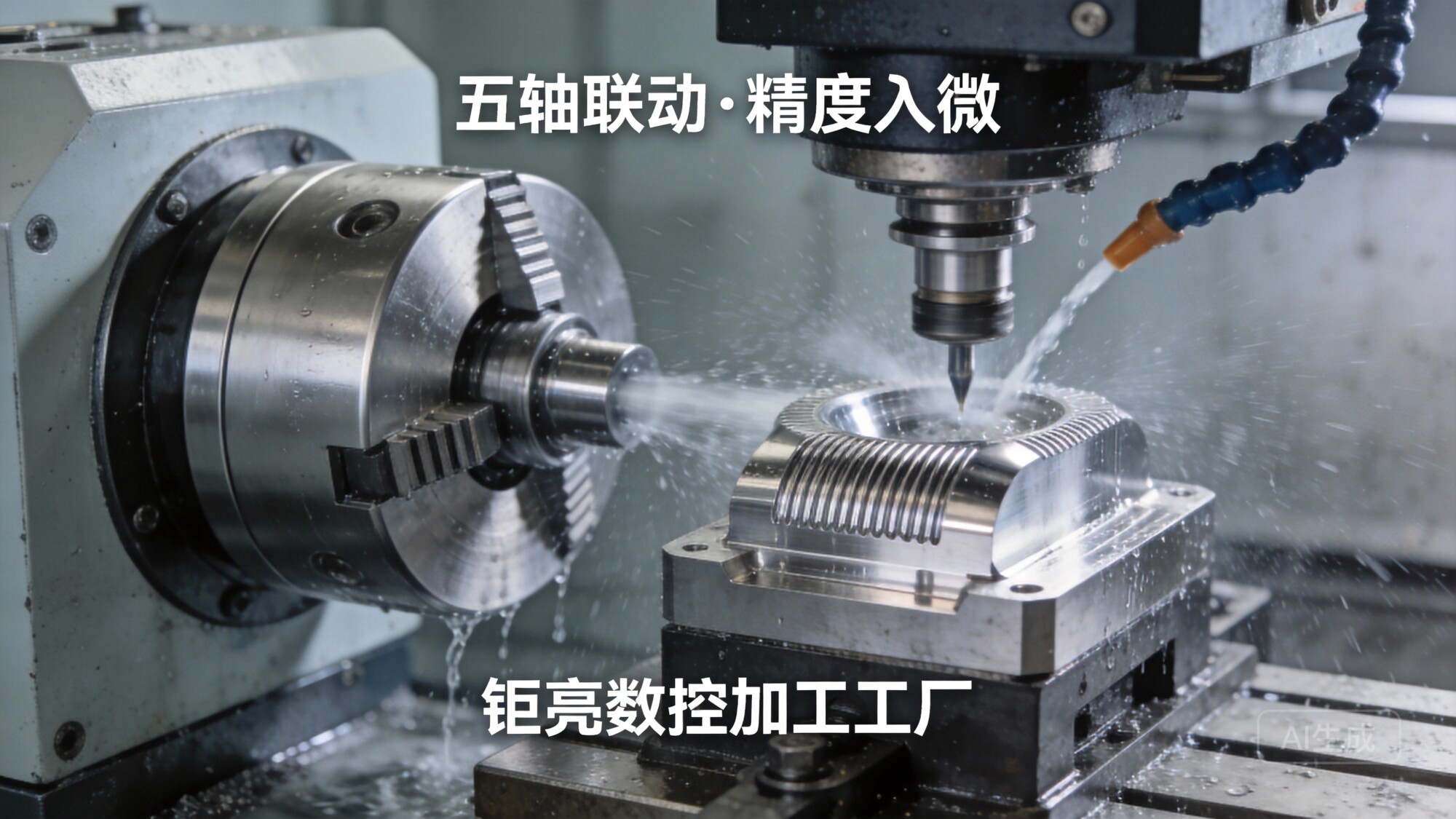
In the world of industrial electronics, a protocol converter box is much more than a simple housing – it is the critical interface that enables seamless communication between disparate systems, protecting sensitive PCBs and connectors from harsh environments. Whether you are developing an RS-485 to Ethernet bridge or a CAN bus gateway, the integrity of that box directly impacts signal quality, thermal management, and long-term reliability. This makes Protocol Converter Box CNC Service a cornerstone of successful product development, and choosing the right machining partner can mean the difference between a flawless field deployment and a cascade of warranty claims.
Understanding the Demands of Protocol Converter Box CNC Machining
A protocol converter box typically faces a demanding set of mechanical requirements. It must hold circuit boards with absolute precision, maintain connector alignment to within microns, provide effective EMI shielding, and often meet IP67 or higher environmental sealing. The enclosure itself may incorporate complex internal bosses, snap-fit features, heat sink fins, and customized cutouts for D-sub, USB, terminal block, or RF connectors. All of these demand a manufacturing process that can consistently produce parts with tight tolerances, excellent surface finish, and structural integrity.
Traditional fabrication methods like bent sheet metal can handle simple two-piece clamshell designs, but when the geometry becomes intricate – with undercuts, angled connector ports, or integrated heat dissipation structures – 5-axis CNC machining becomes indispensable. This service isn’t just about cutting a block of aluminum; it’s about transforming an engineering CAD model into a precision-crafted component that performs exactly as intended, assembly after assembly.
Key Considerations for a Successful CNC Service Partner
Choosing the right CNC partner for protocol converter boxes requires more than a quick quote comparison. The following factors should weigh heavily in your decision-making process:
1. Precision and Tolerance Capability
Protocol converter boxes often need positioning tolerances of ±0.02 mm for connector holes and PCB mounting points. A supplier promising extreme precision but using aging, thermally unstable equipment will inevitably deliver a “precision black hole” – parts that measure correctly on a single sample but drift during production. Look for a partner that can back up their claims with in-process probing, climate-controlled inspection rooms, and documented capability studies.
2. Material Expertise
The right material balances weight, thermal conductivity, corrosion resistance, and cost. Common choices include:
6061-T6 Aluminum: Excellent machinability, good thermal dissipation, and anodizing compatibility.
7075 Aluminum: Higher strength for demanding applications, though slightly more expensive.
Stainless Steel 304/316L: Ideal for harsh chemical or washdown environments.
Plastics (POM, PEEK, ABS): When electrical insulation is critical.
A knowledgeable CNC service provider will advise on the optimal grade for your specific protocol converter box, factoring in both functional and economic considerations.
3. Complex Geometry and 5-Axis Advantages
True 5-axis simultaneous machining allows the cutting tool to access angled faces, deep cavities, and compound curves in a single setup. This eliminates multiple fixturing steps, drastically improves accuracy, and produces far smoother surface finishes on contoured surfaces. For a protocol converter box with canted connector panels or integrated waveguide channels, 5-axis capability is not a luxury – it is often the only way to achieve the design intent without a prohibitively high scrap rate.
4. Surface Finishing and Environmental Protection
The final appearance and durability of your protocol converter box depend heavily on post‑processing. Anodizing (Type II or Type III hardcoat) provides corrosion resistance and electrical isolation; powder coating or wet painting adds aesthetics and chemical resistance; chemical conversion coatings (Alodine) offer conductivity with moderate protection. A partner who can handle these finishing steps in‑house ensures a seamless transition and shorter lead times, while maintaining full traceability.
The GreatLight Advantage: Why We Excel in Protocol Converter Box Projects
Having spent over a decade in the precision machining industry, I have seen many suppliers promise the world but fall short on execution. GreatLight CNC Machining Factory takes a fundamentally different approach – one built on four integrated pillars: advanced equipment, authoritative certifications, a full‑process chain, and deep engineering support. Here is why this matters for your protocol converter box project.
Advanced Equipment Cluster
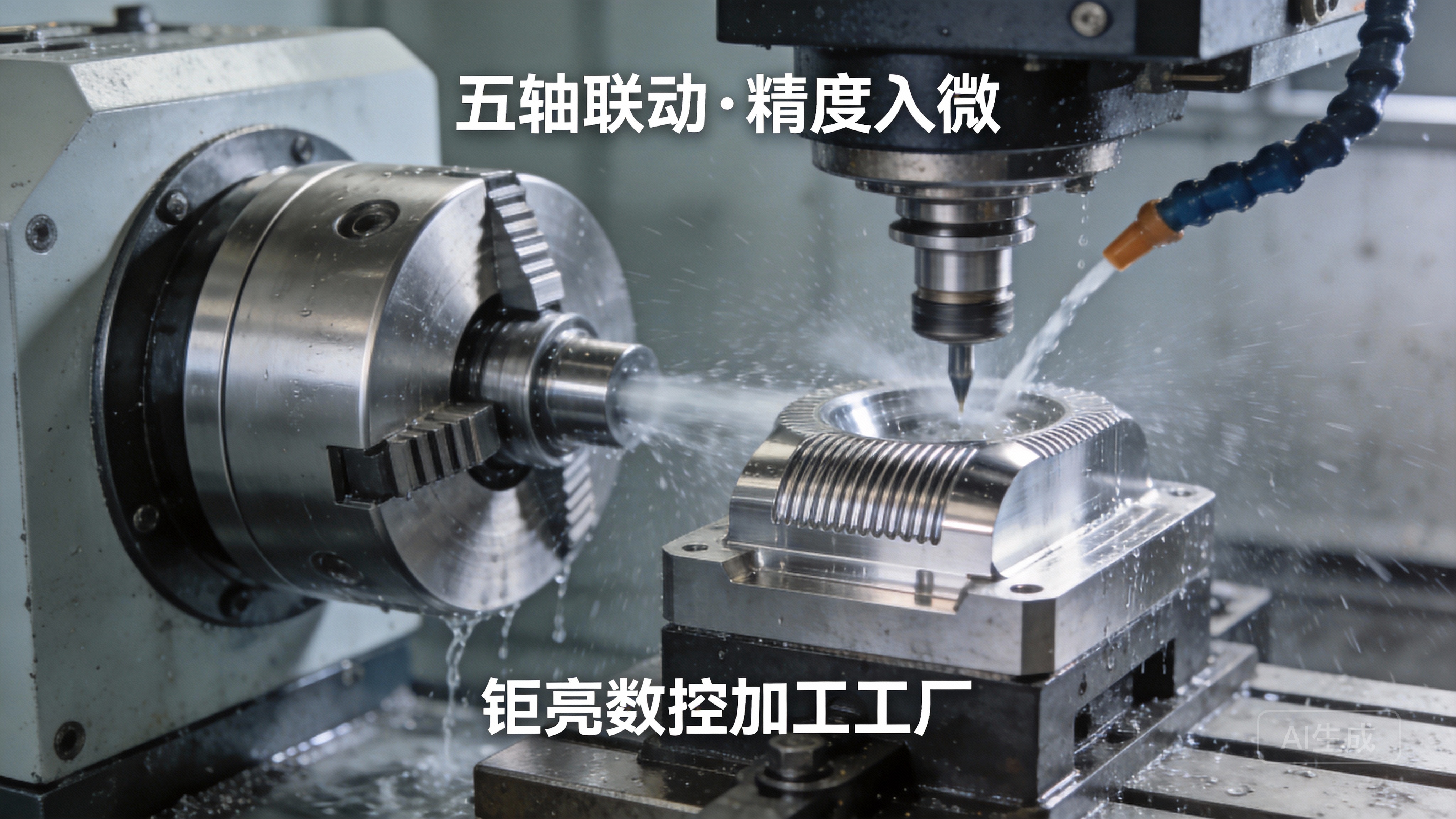
At the heart of our capability are brand‑name 5‑axis CNC machining centers from leading manufacturers, supported by a fleet of 4‑axis, 3‑axis, and mill‑turn machines. This high‑end cluster enables us to handle parts up to 4000 mm in size while maintaining a standard accuracy of ±0.001 mm (0.00004 in) where required. Whether your box is a compact 60 mm × 60 mm unit or a larger DIN‑rail enclosure, we have the right machine for the job. In‑house Coordinate Measuring Machines (CMM) and laser scanning arms verify every critical dimension before parts leave our facility.
Full‑Process Integration
Many companies specialize in just one step of production. GreatLight, in contrast, covers the entire value chain: 5‑axis CNC machining, CNC turning, die casting, sheet metal fabrication, wire EDM, mirror‑spark EDM, and a host of finishing services – from anodizing and electroplating to silk‑screening and laser engraving. This means your protocol converter box can move from raw material to a finished, ready‑to‑assemble component under one roof, eliminating the communication lag and quality risks associated with multiple subcontractors.
Certifications That Build Trust
Trust in global supply chains is earned through systematic rigor. GreatLight holds ISO 9001:2015, ISO 13485 (medical‑grade quality), and IATF 16949 (automotive sector) certifications. For projects involving engine hardware or safety‑critical electronics, our IATF 16949‑compliant processes ensure the robust process control and traceability expected by the automotive and industrial sectors. We also maintain strict data security protocols aligned with ISO 27001, so your proprietary converter box designs remain confidential throughout production.
Engineering Collaboration
We don’t just “run the G‑code.” Our senior engineers engage early in the development process, offering Design for Manufacturability (DFM) feedback that can reduce costs, improve part strength, and shorten machining time. This collaborative approach often uncovers potential issues – such as under‑sized corner radii or insufficient wall thickness for anodizing – before a single chip is cut.
Overcoming Common Pain Points in CNC Machining
To truly appreciate the value of a reliable partner, let’s examine the typical pain points encountered in precision machining and how GreatLight’s model resolves them.
| Pain Point | How GreatLight Addresses It |
|---|---|
| The “Precision Trap”: Inconsistent tolerances between samples and production. | All machines are thermally stabilized, calibrated daily, and our CMM inspection data is shared transparently. We perform First Article Inspection (FAI) as standard. |
| Unpredictable Lead Times: Delays caused by fragmented supply chains. | With everything in‑house, we control the entire timeline. Rapid prototyping can deliver functional components in as little as 3–5 days. |
| Poor Surface Finish or Post‑Processing Defects. | Our one‑stop finishing lines are operated by experienced technicians who understand the interaction between machining marks, anodize growth, and surface roughness. |
| Hidden Costs: Quotes that look cheap but balloon with engineering fees. | We provide DFM consultation up‑front at no extra charge. Transparent pricing covers all defined operations. |
| Intellectual Property Risks. | ISO 27001‑aligned data handling, strict access controls, and non‑disclosure agreements protect your designs. |
| Communication Gaps. | Dedicated project managers, fluent English support, and real‑time progress reporting ensure overseas clients are never left in the dark. |
When developing a protocol converter box, these pain points can directly impact your time‑to‑market and end‑product quality. A partner capable of tackling them systematically is not a cost – it is a competitive advantage.
Building a Protocol Converter Box: A Typical GreatLight Workflow
To illustrate how our service works in practice, consider a recent project: a customer needed 1,500 protocol converter boxes for a railway signaling application. The enclosure required:
Milled aluminum body with IP68 gasket sealing
Multiple angled M12 and RJ45 connectors on non‑orthogonal faces
Internal heat sink fins for a power‑hungry processor board
A 7‑day turnaround for first‑article prototypes, with full production within 4 weeks.
Here’s the path we followed:
DFM Consultation: Our engineers reviewed the initial 3D model and identified a few areas where tool access could cause chatter. We suggested slight rib geometry modifications that actually improved stiffness without changing the external appearance.
5‑Axis Programming: The angled connector faces were machined in a single clamping using a tilting rotary table. This guaranteed the angular tolerances and eliminated alignment errors between features.
Prototype Machining & Inspection: Two prototype boxes were machined, anodized black, and laser‑marked with the customer’s logo. They were delivered in 6 days, complete with inspection reports.
Production Ramp‑up: With the design approved, we moved to production. Our ability to run multiple 5‑axis machines in parallel ensured a consistent output of 500+ units per week, all within tolerance.
Quality Assurance: Each batch underwent statistical sampling on our CMM, salt spray testing on anodized samples, and a visual inspection under UV light to detect any surface imperfections.
The result? Zero field failures in the first year of deployment, and a client who moved from “trying another supplier” to a long‑term manufacturing partnership.
Comparison with Other Service Providers
The CNC machining landscape is broad, with many players offering aluminum and plastic enclosures. I respect the unique strengths of various providers, but it is worth understanding the different value propositions:
Protocase provides excellent quick‑turn sheet metal enclosures for electronics, but their deep 5‑axis milling capabilities are more limited compared to a dedicated CNC house like GreatLight.
Xometry and Fictiv aggregate a network of manufacturers; while convenient, this model can sometimes lead to variability in quality and traceability, particularly on complex precision parts.
RapidDirect and JLCCNC offer competitive pricing for simpler 3‑axis parts, but may lack the integrated one‑stop finishing and the advanced certifications required by regulated industries.
Owens Industries is a strong U.S.‑based 5‑axis specialist, yet their cost structure and multi‑week international shipping can challenge budget‑sensitive programs.
GreatLight differentiates itself through a unique combination: the depth of a vertically integrated factory under one roof, ISO 9001/13485/IATF 16949 certifications that satisfy the strictest quality audits, and a proven ability to scale from prototype to full production without missing a beat. For protocol converter boxes that demand both aesthetic precision and functional integrity, this comprehensive approach delivers a level of reliability that network‑based brokers struggle to match.
Choosing a Partner with Real Operational Capabilities, Not Just Paper Qualifications
In the precision parts sector, it is easy for a supplier to present glossy marketing materials while outsourcing every subtask. What truly matters is whether the company can execute consistently. GreatLight’s 76,000‑sq‑ft factory, 127 pieces of precision equipment, and 150‑strong team are tangible proof of our commitment. More importantly, our engineering‑first culture means that we treat every protocol converter box project as a problem‑solving collaboration, not a transaction.
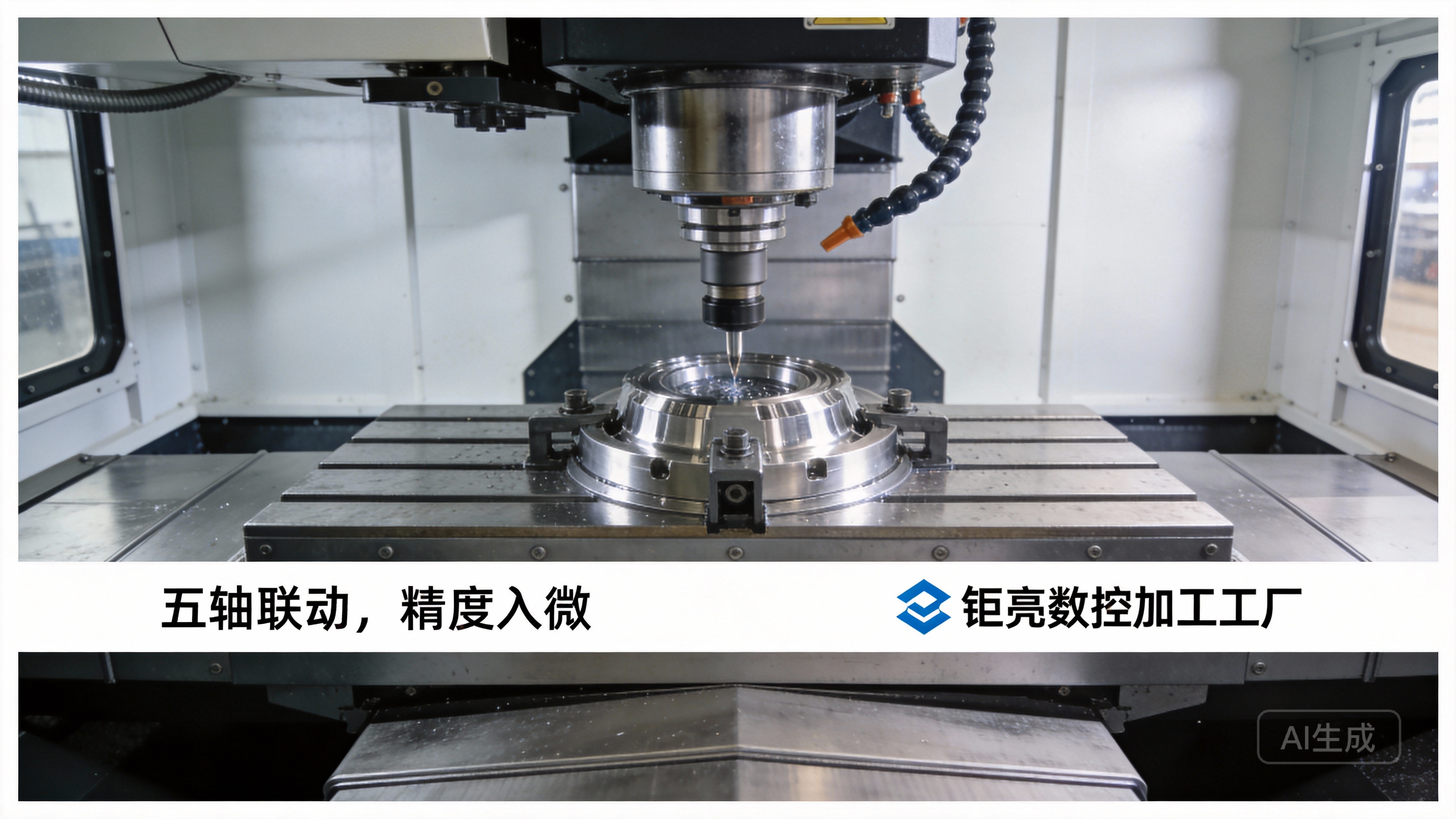
When you engage GreatLight’s Protocol Converter Box CNC Service, you are not just buying machining time; you are gaining a partner with the expertise to guide your design, the equipment to execute complex features, and the quality systems to guarantee results. That peace of mind is what ultimately allows your product to move from a lab bench to the toughest industrial environments with confidence.
Conclusion: The Right Service Provider is Your Product’s First Line of Defense
Every cutout, every thread, every sealing surface on a protocol converter box tells a story about the engineering behind it. Sloppy machining leads to ingress of moisture, intermittent connections, and overheating – none of which are acceptable when your system is expected to run 24/7 for years. By investing in a high‑caliber Protocol Converter Box CNC Service, you are not only safeguarding your electronics but also building your own brand’s reputation for durability and performance. GreatLight CNC Machining Factory brings over a decade of specialist know‑how, a world‑class equipment fleet, and international certifications to every enclosure we produce. We invite you to experience the difference that True precision and full‑process integration can make – because your protocol converter box deserves nothing less than manufacturing excellence.


![[访谈] RAPID + TCT 2024:人工智能对 3D 打印的价值](https://print-ing.com/wp-content/uploads/2024/07/INTERVIEW-60x60.jpeg "[访谈] RAPID + TCT 2024:人工智能对 3D 打印的价值 9")




发表回复
要发表评论,您必须先登录。