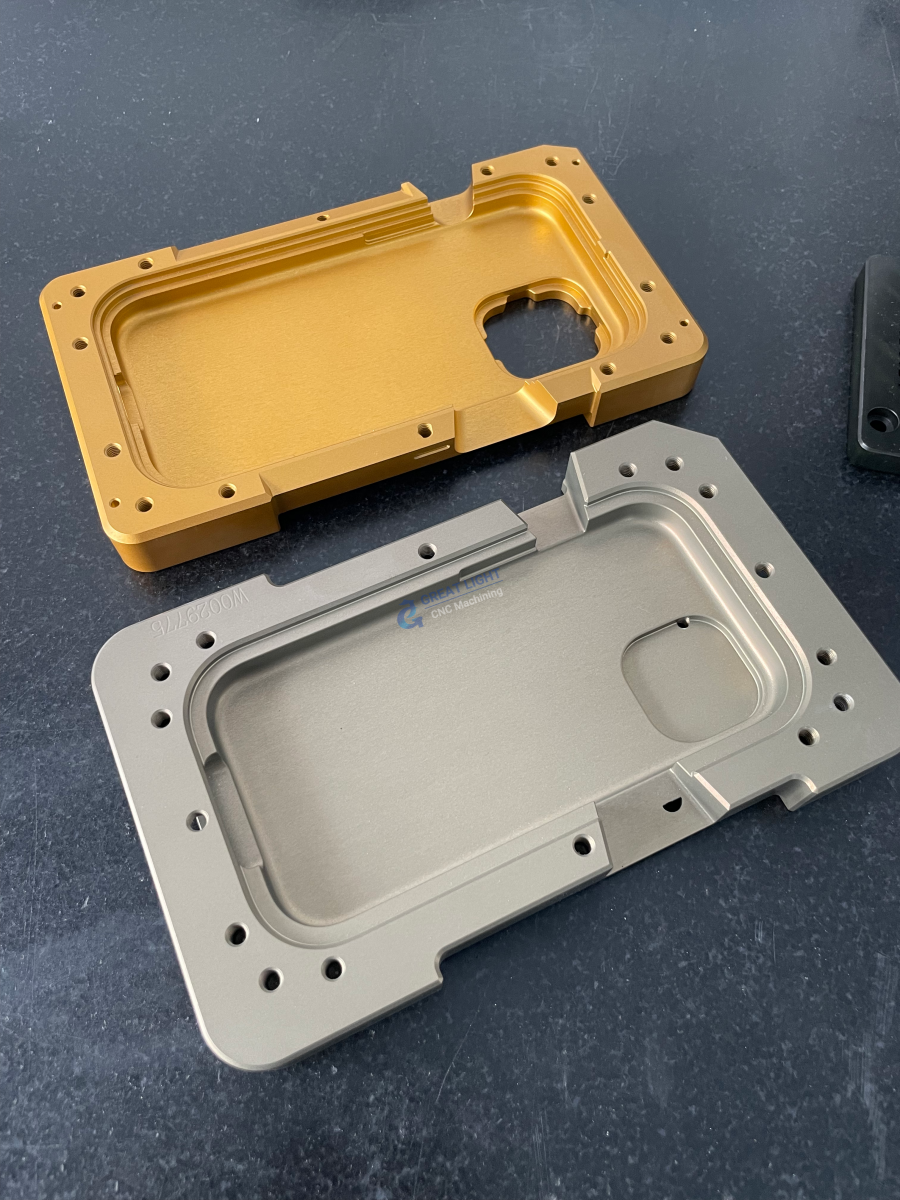
In the complex landscape of precision parts manufacturing, selecting the right production partner is often the critical difference between a successful product launch and a costly delay. Among the various machining technologies available, 3 axis CNC machining remains the workhorse of the industry—offering an exceptional balance of cost-efficiency, reliability, and precision for a vast array of component geometries. However, not all suppliers operating 3 axis equipment are created equal. A professional ODM 3 Axis CNC Machining Vendor brings far more to the table than just machine uptime; they offer engineering depth, process control, and a partnership mindset essential for scaling from prototype to mass production.
This article provides a comprehensive, objective analysis of what defines a true professional in this space. We will dissect the core competencies, the critical certifications, and the hidden risks that procurement engineers and R&D teams must navigate. Whether you are a startup developing a new medical device or an established automotive tier-one supplier seeking a secondary source, understanding these nuances is paramount.
The Indispensable Role of 3 Axis CNC Machining in Precision Manufacturing
Before delving into vendor selection, it is crucial to recognize why 3 axis machining remains a foundational technology. Unlike its 5 axis counterpart, which excels at complex, sculpted surfaces in a single setup, 3 axis machining operates on three linear axes (X, Y, Z). This makes it exceptionally well-suited for:
Prismatic Parts: Components with flat surfaces, 90-degree walls, and features that can be reached from a single primary orientation.
High-Volume Production: The inherent rigidity and simpler kinematics of a 3 axis machine often allow for faster cycle times and lower operating costs per part.
Cost-Effective Complexity: For many geometries, a skilled programmer can achieve excellent results with strategic fixturing and multiple setups, avoiding the higher hourly rates associated with 5 axis equipment.
Tight Tolerances: Modern 3 axis machining centers, when properly maintained and operated in a controlled environment, can consistently hold tolerances of ±0.005mm to ±0.01mm, meeting the demands of most industrial applications.
A professional ODM vendor leverages these strengths not as a limitation, but as a strategic advantage. They understand that the choice between 3 axis and 5 axis is a technical and economic decision, not a matter of technological hierarchy.
Seven Critical Pain Points Solved by a Professional ODM Vendor
The precision machining industry is rife with challenges. A truly professional vendor differentiates itself by systematically addressing these pain points, transforming them from sources of risk into pillars of reliability.
Pain Point 1: The “Precision Trap” – The Gap Between Promise and Reality
The Issue: Many suppliers promise tolerances of ±0.001mm, yet in mass production, dimensional drift occurs due to tool wear, thermal expansion, or inconsistent raw materials. This “precision trap” is often masked by cherry-picked first-article inspection reports.
The Professional Solution: A professional vendor employs a multi-layered quality assurance system. This includes:
Pre-Production Process Validation: Conducting capability studies (CpK/Cpk) on critical dimensions to ensure the process is statistically capable before production begins.
In-Process Gauging: Using probes on the machine tool to monitor critical features and automatically compensate for tool wear.
Environmental Control: Maintaining a temperature-controlled workshop to minimize thermal effects on both the machine and the workpiece.
Final Inspection with Traceability: Utilizing calibrated CMMs (Coordinate Measuring Machines), vision systems, and surface testers. Data is logged and traceable to specific batches and machine operators.
Pain Point 2: The “Communication Black Hole” – Engineering Change Order Chaos
The Issue: Design changes are inevitable. In many supplier relationships, a simple dimension update or material substitution gets lost in translation, leading to scrapped parts and delayed timelines.
The Professional Solution: A professional ODM vendor functions as an engineering partner. They have a structured change management process:
Configuration Management: A formal system for receiving, logging, and implementing Engineering Change Orders (ECOs).
DFM Feedback: Proactively identifying potential manufacturability issues before the ECO is finalized, suggesting alternative design approaches that maintain functionality while optimizing cost or cycle time.
Single Point of Contact: A dedicated project manager who commands the entire process chain from quoting to shipping, ensuring clear communication with the client’s engineering team.
Pain Point 3: The “Material Maze” – Sourcing and Verification Headaches
The Issue: Finding the correct material grade, verifying its authenticity (especially for critical applications like aerospace or medical), and managing lead times for specialty alloys is a significant operational burden.
The Professional Solution: A professional vendor maintains relationships with multiple top-tier mills and distributors. They offer:
Material Traceability: From mill certificate to final part, every material batch is tracked. For critical applications, they can provide full traceability documentation.
Material Substitution Guidance: The engineering team can recommend equivalent or superior materials when the specified grade is unavailable or cost-prohibitive.
In-House Testing: Capabilities such as hardness testing, conductivity checks, and spectrometers to verify material composition upon receipt.
Pain Point 4: The “Surface Finish Roulette” – Inconsistent Aesthetics and Performance
The Issue: A part may meet dimensional requirements but fail on surface finish due to chatter marks, tool path inconsistencies, or improper post-processing. This is particularly critical for visible consumer goods or sealing surfaces.
The Professional Solution: The professional vendor treats surface finish as a controlled variable, not an outcome:
Tool Path Optimization: Using high-speed machining strategies (trochoidal milling, peel milling) to maintain constant chip load and minimize vibration.
Post-Processing Integration: Offering a seamless transition from machining to finishing—vibratory tumbling, bead blasting, anodizing, plating, or painting—all managed in-house or through trusted, audited partners.
Sample Approval Protocol: Requiring client sign-off on a First Article sample for both dimensions and surface finish before mass production commences.
Pain Point 5: The “Scale-Up Scramble” – Inconsistent Quality Across Volume
The Issue: Prototype quality is excellent, but as volume ramps from hundreds to thousands, quality deteriorates. The supplier lacks the process discipline to maintain consistency.
The Professional Solution: A professional vendor is built for scale. This involves:
Process Documentation: A fully documented Manufacturing Process Plan (MPP) that dictates every step, tool, feed, and speed for repeatable production.
Preventive Maintenance: A rigorous machine maintenance schedule to ensure consistent spindle health and geometric accuracy.
Statistical Process Control (SPC): Monitoring key process parameters and part dimensions in real-time, allowing for corrective action before defects occur.
Pain Point 6: The “Hidden Cost Iceberg” – Transportation and Logistics Surprises
The Issue: The part price is competitive, but unexpected shipping costs, customs delays, or packaging damage blow the total landed cost out of the budget.
The Professional Solution: A professional vendor provides true landed cost transparency:
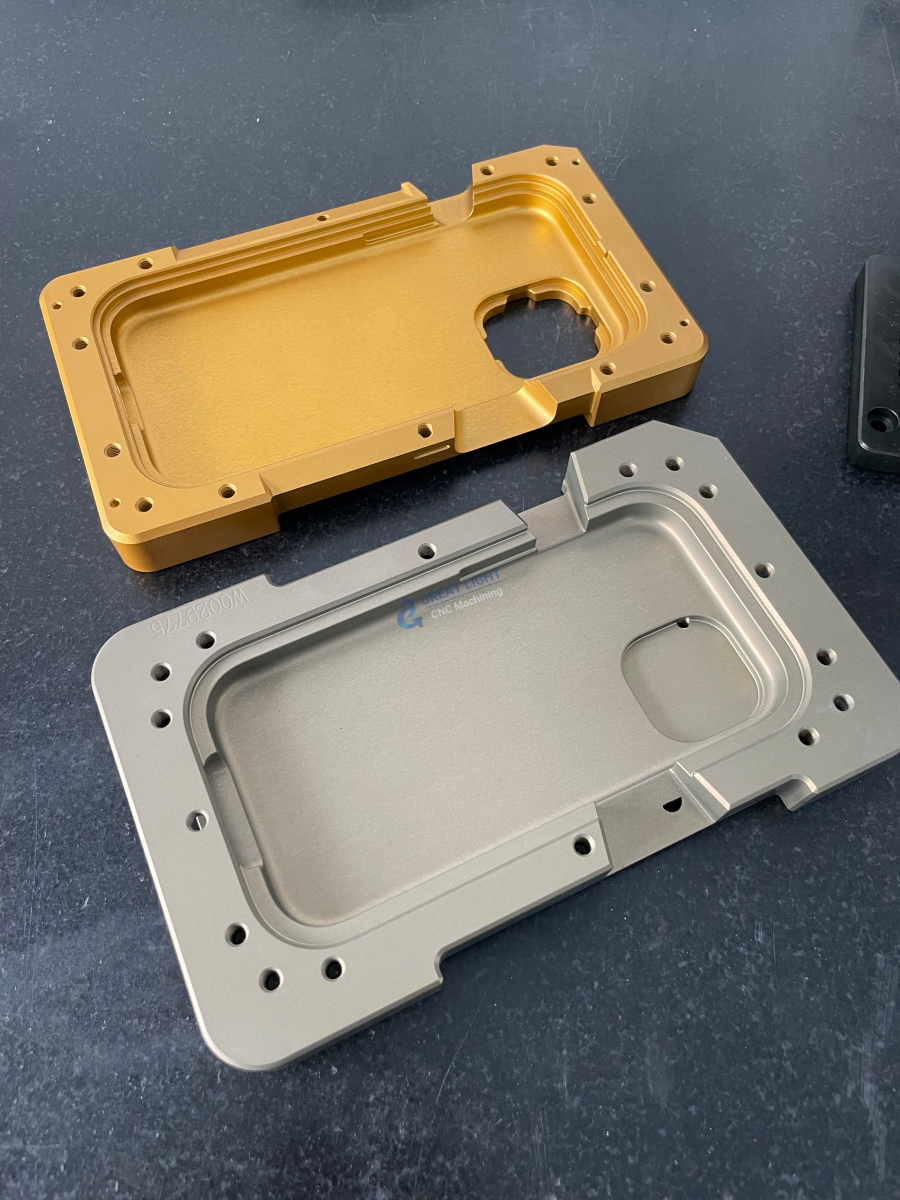
Global Logistics Partnerships: Established relationships with freight forwarders for competitive shipping rates (air, sea, express).
Customs Compliance: Knowledge of Incoterms and customs regulations for major markets (USA, EU, UK), ensuring smooth clearance.
Specialized Packaging: Designing packaging for the specific part geometry to prevent damage in transit, whether for a single prototype or a full pallet.
Pain Point 7: The “IP Security Gamble” – Protecting Proprietary Designs
The Issue: For innovative companies, sharing a 3D CAD model is a leap of faith. The risk of design piracy or unauthorized distribution is a major concern.
The Professional Solution: A professional ODM vendor treats client Intellectual Property (IP) as their own. This is backed by:
Data Security Protocols: ISO 27001 certification (or equivalent) for information security management. This includes encrypted file transfer, secure server access, and non-disclosure agreements (NDAs) for all employees.
Physical Security: Restricted access to production floors and file servers.
Client Ownership of Tooling: Explicit contractual agreements that design files, fixtures, and gages remain the sole property of the client.
Comparing ODM Capabilities: GreatLight Metal vs. Industry Peers
When evaluating vendors, it is essential to look beyond price per part and examine the breadth of their manufacturing ecosystem. Below is a comparison of Great Light Metal Tech Co., LTD. (also known as GreatLight Metal) against other notable players in the precision machining space, focusing on full-process integration and certification depth.
| Vendor / Capability | GreatLight Metal | Protolabs Network | Xometry | Fictiv |
|---|---|---|---|---|
| Primary Focus | Full-process ODM with deep engineering | Digital quoting, network of suppliers | On-demand manufacturing marketplace | Agile manufacturing partner |
| Equipment Depth | Comprehensive: 3/4/5-axis CNC, die casting, sheet metal, 3D printing (SLM/SLA/SLS), EDM, grinding. | Network aggregated; varies by job. | Network aggregated; varies by job. | Network aggregated; varies by job. |
| Certifications (In-house) | ISO 9001:2015, ISO 13485, IATF 16949 | Certifications held by network partners; not uniform. | Certifications held by network partners; not uniform. | Certifications held by network partners; not uniform. |
| Engineering Support | Native DFM feedback; hosted project manager. | Automated DFM analysis; limited human engineering. | Automated DFM analysis; limited human engineering. | Automated DFM; human-supported design review. |
| Post-Processing | One-stop: Anodizing, plating, painting, assembly, testing. | Managed through network; fragmented quality control. | Managed through network; fragmented quality control. | Managed through network; fragmented quality control. |
| Ideal Client Profile | Clients needing process control & reliability across complex, certified projects. | Clients needing fast turnaround for simple-to-moderate 3D prints and machined parts. | Clients needing broad material access and competitive bidding. | Clients needing agile production for iterative development. |
GreatLight Metal distinguishes itself by owning the entire value chain under one roof. This direct control—rather than relying on a network of subcontractors—ensures consistent quality, faster feedback loops, and singular accountability. For a Professional ODM 3 Axis CNC Machining Vendor, this model is particularly powerful: it means the 3 axis CNC cell is integrated with other processes (like EDM for intricate cavities, or grinding for precision surfaces), enabling true turnkey solutions.
The Trust Imperative: Why Certifications and Systems Matter
Trust in manufacturing is not built on promises, but on auditable systems. A professional vendor demonstrates its commitment to quality through internationally recognized certifications.
ISO 9001:2015: The foundational quality management system. It ensures the vendor has standard operating procedures for purchasing, production, inspection, and corrective actions.
ISO 13485: The specific standard for medical device manufacturing. It requires rigorous risk management and process validation, making it a hallmark of a vendor capable of handling critical parts.
IATF 16949: The automotive industry’s stringent quality standard. It goes beyond ISO 9001 to emphasize defect prevention, waste reduction, and continuous improvement in the supply chain.
ISO 27001: For data security. In an age of cyber threats, this certification protects your intellectual property and design data.
GreatLight Metal holds all four of these certifications, a level of systemic maturity that few vendors can match. This is not just a badge; it means that when they manage a 3 axis CNC project for an automotive engine component or a medical instrument, every action is governed by a proven, documented, and auditable process.
A Case Study: Solving a Complex E-Housing Challenge
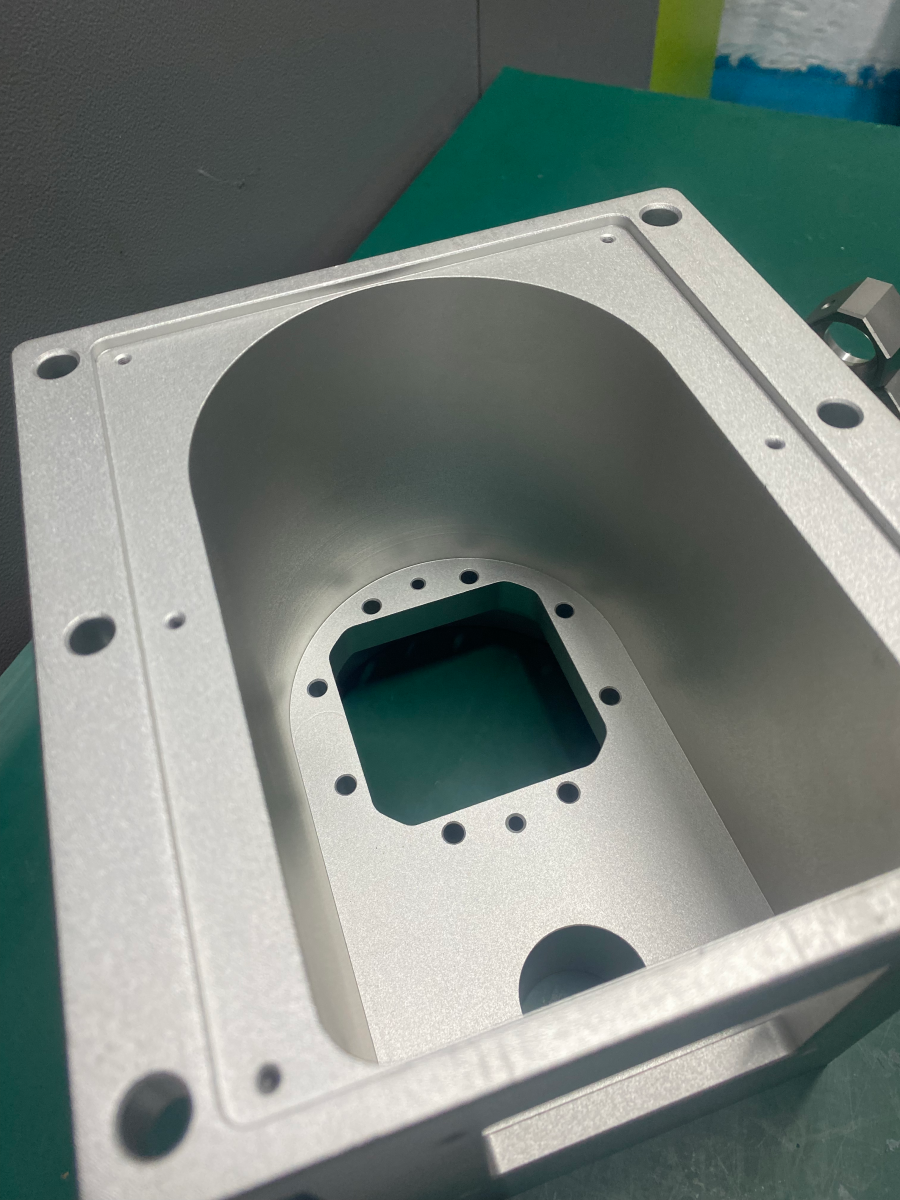
To illustrate the value of a professional ODM vendor, consider the common challenge of manufacturing a complex e-housing for a new energy vehicle.
The Client’s Initial Problem: A startup specializing in power electronics needed a sealed aluminum housing with numerous internal channels for liquid cooling, tight flatness requirements for thermal pad contact, and multiple threaded inserts for connectors. Their initial supplier, a basic job shop with 3 axis machines, struggled with:
Coolant leakage due to inconsistent sealing surfaces.
High scrap rates from thread damage during insertion.
Long lead times due to multiple setups and outsourced finishing.
GreatLight Metal’s Professional Approach:
Engineering Review (DFM): The team identified that the internal cooling channels required a specific radius at corners to avoid stress risers. They suggested a minor design modification to the client.
Process Planning: A 3 axis CNC machining center was chosen for the primary prismatic operations (facing, drilling, tapping). The key was a custom-designed fixture that allowed the part to be machined in two setups, maintaining the critical parallelism of the thermal pad surface.
In-Process Control: After the roughing pass on the 3 axis machine, the part was stress-relieved to prevent warpage. The finishing operations were performed with in-process probing to ensure the final flatness tolerance of 0.02mm across the 200mm surface.
One-Stop Finishing: The machined part was then sent in-house for:
Deburring & Cleaning: To ensure coolant channels were free of chips.
Vibratory Finishing: To achieve a consistent matte appearance.
Pressure Testing: Every housing was leak-tested at the required pressure.
Thread Insert Installation: Using a torque-controlled press to ensure consistent installation without damage.
The Result: The client received a fully finished, tested, and packaged part—not just a machined blank. Scrap rates dropped to under 1%, and lead times were cut by 40% because all processes were managed under one roof by a single project manager. This is the hallmark of a Professional ODM 3 Axis CNC Machining Vendor.
How to Evaluate and Select a Professional ODM Vendor
Based on the analysis above, here is a practical checklist for procurement engineers and R&D managers:
Audit the Facility, Not Just the Brochure: Request a virtual or in-person tour. Look for a clean, organized shop floor with obvious environmental controls (temperature, humidity). Check the age and maintenance logs of the 3 axis CNC machines.
Demand Process Documentation: Ask for a sample Manufacturing Process Plan (MPP) for a complex part. Does it go beyond speeds and feeds to include inspection points, tool lists, and fixture drawings?
Verify Certifications: Request copies of current ISO 9001, ISO 13485, or IATF 16949 certificates. Check the scope of the certification to ensure it covers the specific processes you need.
Test with a Complex Prototype: The best test is a real project. Send a challenging part for a prototype run. Evaluate not just the part quality, but the communication quality—the DFM feedback, the clarity of the quotation, and the speed of response.
Ask About IP Protection: Specifically ask about their data security protocols. Do they use encrypted file transfer? Do all employees sign NDAs? Do they have ISO 27001 certification?
Conclusion: The True Cost of Experience
In the world of precision parts, the cheapest quote is often the most expensive in the long run. A Professional ODM 3 Axis CNC Machining Vendor earns its status through a combination of deep technical capability, systemic process control, and a genuine partnership approach. They do not just run machines; they solve manufacturing challenges.
Choosing a partner like GreatLight Metal—a vendor with over a decade of experience, a comprehensive suite of in-house processes, and the full weight of international certifications—is an investment in consistency, quality, and peace of mind. It means that when your design moves from concept to production, it is in the hands of a team that understands the physics, the materials, and the processes required to bring it to life without compromise. For any company serious about delivering reliable, high-performance products, that is the only standard that matters.


![[访谈] RAPID + TCT 2024:人工智能对 3D 打印的价值](https://print-ing.com/wp-content/uploads/2024/07/INTERVIEW-60x60.jpeg "[访谈] RAPID + TCT 2024:人工智能对 3D 打印的价值 9")




发表回复
要发表评论,您必须先登录。