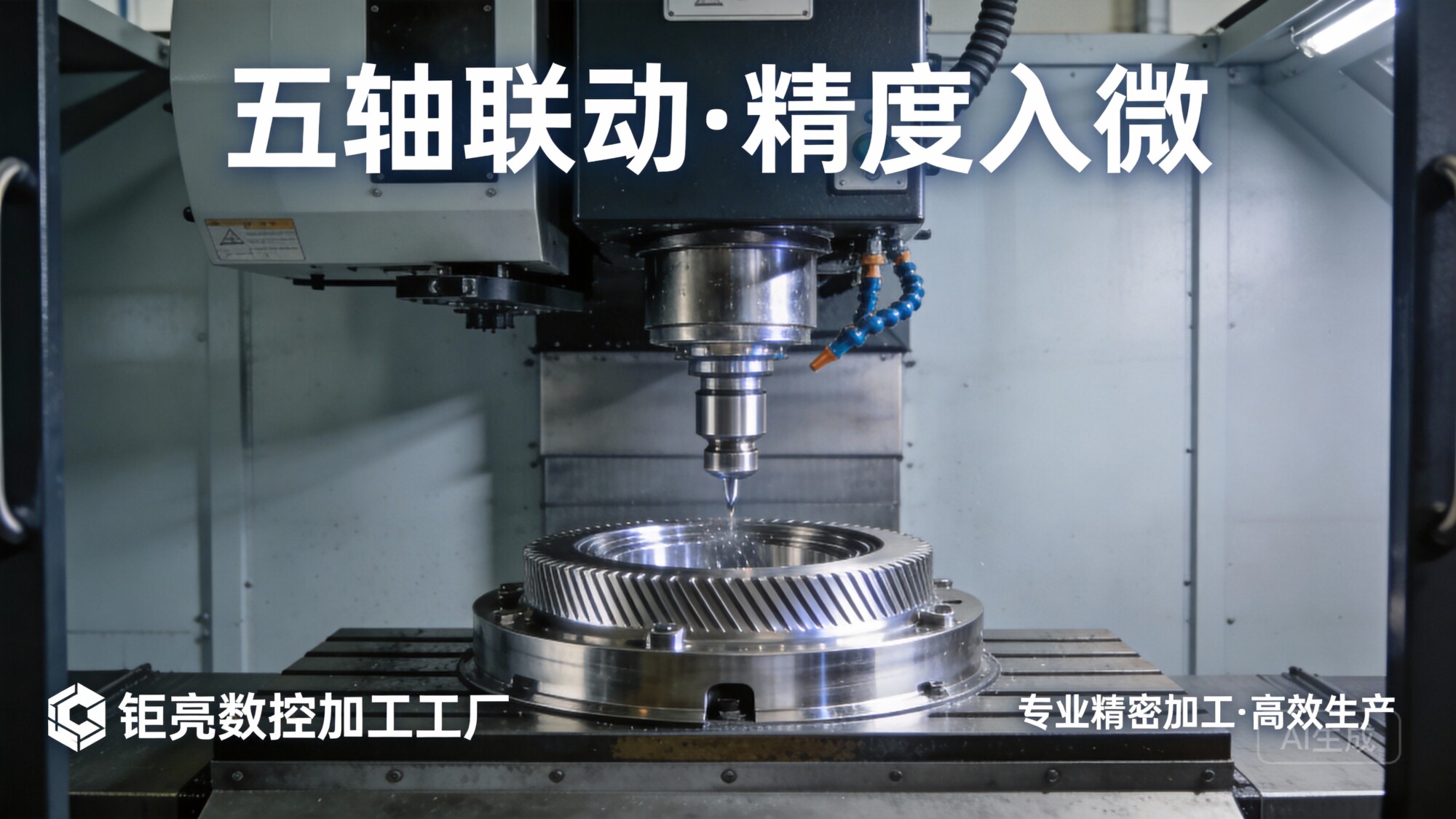
In the world of precision parts manufacturing, few concepts are as critical—yet often misunderstood—as the relationship between mold spotting, press fit, test, and mating. For engineers and procurement professionals working with complex metal components, these four stages represent the difference between a part that functions flawlessly and one that fails under real-world conditions. This article dives deep into each of these processes, explaining their interconnections, common pitfalls, and how modern five-axis CNC machining centers—like those operated by GreatLight CNC Machining—address these challenges with unmatched precision.
The Core Problem: Why Mating Matters More Than You Think
Imagine designing a high-performance automotive engine component. The drawing specifies a tolerance of ±0.005mm for a critical press-fit interface. You send the CAD file to a CNC machining supplier, receive the parts, and attempt assembly. The shaft slides in too easily—or worse, it jams. This is the reality of mating failures, often rooted in poor mold spotting and inadequate press fit test protocols.
The term “mold spotting press fit test mating” encapsulates a complete quality assurance workflow. Mold spotting ensures the tooling (mold or die) creates parts with correct geometry. Press fit testing validates that interference fits meet specifications. Test mating then verifies that assembled components function as intended. When these steps are executed properly, the end product achieves the designed performance, durability, and reliability.
What Is Mold Spotting in Precision Machining?
Mold spotting, also known as “die spotting” or “tool spotting,” is a process used to verify that mating surfaces of a mold or die align perfectly. In the context of CNC machining for metal parts, it refers to the careful alignment and adjustment of mold components to ensure uniform contact pressure and correct geometry.
Why Mold Spotting Is Critical
In precision manufacturing, even microscopic misalignment can cause catastrophic failures in high-stress applications like aerospace brackets, medical implants, or automotive engine blocks. Mold spotting achieves:
Uniform load distribution across mating surfaces
Elimination of gaps that cause stress concentrations
Correct part geometry matching the original 3D design
Reduced cycle time in production due to fewer adjustments
Techniques Used in Mold Spotting
Modern five-axis CNC machining centers have revolutionized mold spotting. Traditional methods relied on manual scraping and blueing—a process where Prussian blue dye is applied to surfaces to identify high spots. Today, GreatLight CNC Machining employs:
Coordinate measuring machines (CMM) for sub-micron surface verification
Laser scanning to create digital twin comparisons
Five-axis simultaneous machining to produce complex mold geometries with ±0.001mm accuracy
In-process probing during machining to adjust tool paths in real-time
For example, when manufacturing an aluminum alloy mold for a consumer electronics housing, the spotting process ensures that the cavity and core halves mate perfectly, preventing flash (excess material) and ensuring consistent wall thickness.
Press Fit Testing: Verifying Interference Fit Integrity
A press fit (also called interference fit) is a mechanical joint where one part is forced into another, creating a tight connection through friction. This is common in bearing housings, gear assemblies, and hydraulic components. However, achieving the correct interference requires precise control over dimensions, surface finish, and material properties.
The Science Behind Press Fit
The interference value—the difference between the shaft’s outer diameter and the hole’s inner diameter—determines the joint strength. Too little interference, and the parts slip; too much, and the components deform or crack. Typical press fit tolerances range from 0.01mm to 0.05mm, depending on material and application.
How Press Fit Testing Works
Press fit testing involves:
Measuring actual dimensions of both male and female components using micrometers or CMM
Simulating assembly force using a calibrated press with load cells
Recording force-displacement curves to verify the joint meets specifications
Checking for galling or surface damage after assembly
Performing pull-out tests to measure retention force
At GreatLight CNC Machining, press fit testing is integrated into the quality control workflow. For instance, when machining stainless steel components for a medical device, the factory uses five-axis CNC capabilities to hold bore diameters to ±0.002mm, ensuring consistent interference across batches.
Common Press Fit Failures and Solutions
| Failure Mode | Cause | CNC Machining Solution |
|---|---|---|
| Loose fit | Oversized bore, undersized shaft | Adjust tool compensation; use in-process gauging |
| Tight fit leading to cracking | Undersized bore, stress concentration | Optimize corner radius; use five-axis to eliminate sharp edges |
| Galling (material transfer) | Poor surface finish | Improve feed rate and toolpath strategy; apply surface coating |
| Inconsistent force | Dimensional variation across batch | Implement statistical process control (SPC) |
Test Mating: The Final Validation
Test mating is the practical verification that assembled parts function together as designed. Unlike theoretical calculations or simulation, test mating provides empirical evidence of form, fit, and function.
Types of Mating Tests
Static mating test: Parts are assembled without load; checks for interference and clearance
Dynamic mating test: Parts are moved or rotated under load; simulates real-world operation
Thermal mating test: Parts are subjected to temperature extremes; validates thermal expansion effects
Cycle testing: Repeated assembly/disassembly to check wear resistance
How Five-Axis CNC Machining Enables Better Mating
Traditional three-axis machining often leaves visible tool marks and requires multiple setups, introducing cumulative errors. Five-axis machining, as practiced by GreatLight CNC Machining, allows:
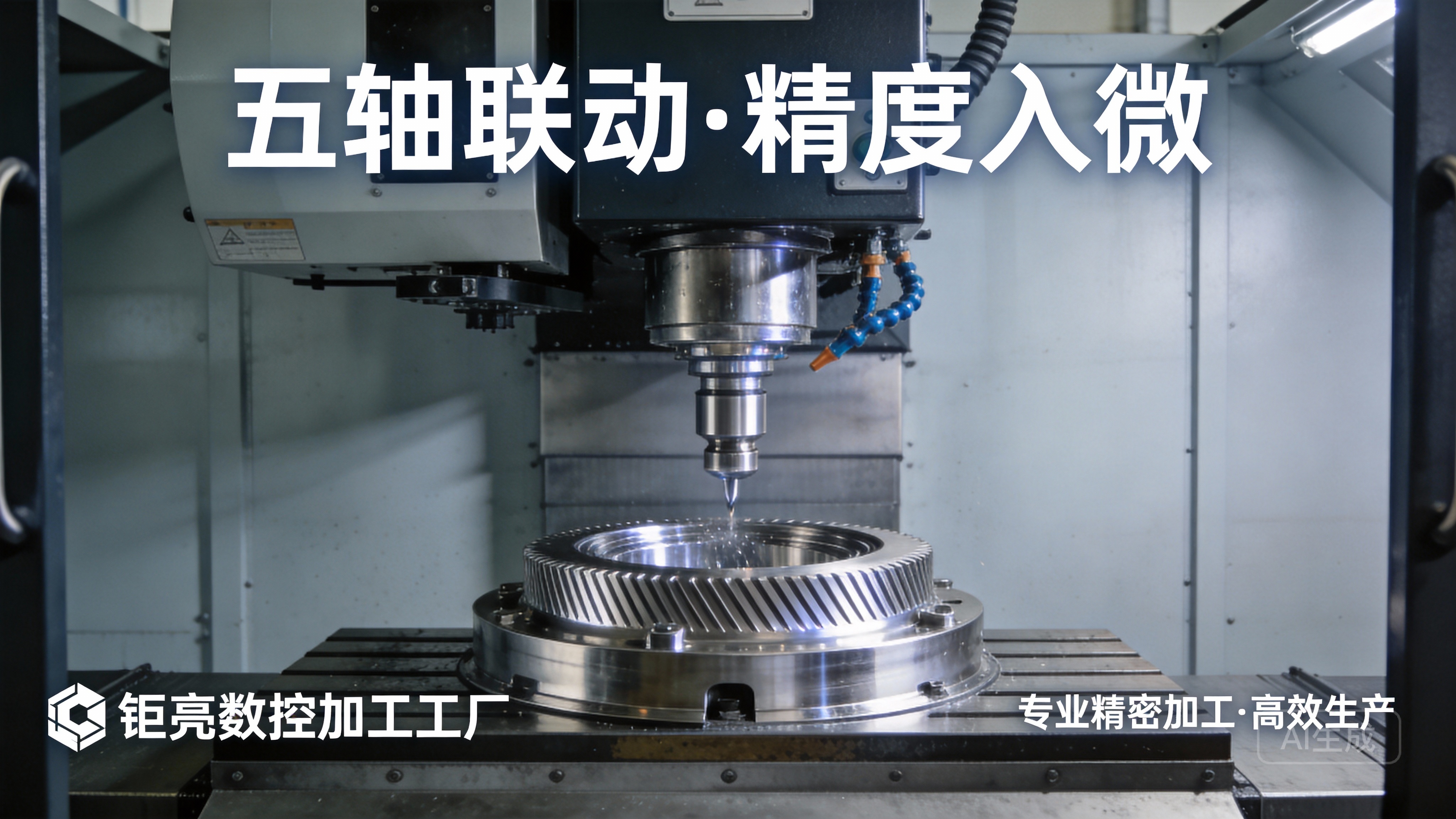
Single-setup complex geometries that reduce error stacking
Superior surface finishes (Ra 0.2μm or better) that improve sliding and press fit performance
Undercut and draft angle control critical for mold release and assembly
Simultaneous machining of mating features to guarantee concentricity
For example, when producing a titanium alloy bracket for aerospace, five-axis machining ensures that bolt holes, mating surfaces, and alignment features are machined in one operation, achieving positional tolerances of ±0.005mm.
The GreatLight CNC Machining Advantage: Turning Concepts into Reliable Parts
GreatLight CNC Machining (GreatLight Metal) has over a decade of experience in precision parts manufacturing. What sets the company apart is its comprehensive approach to mold spotting, press fit testing, and mating verification.
Facilities and Equipment
The 76,000 sq. ft. factory in Chang’an, Dongguan, houses 127 precision machines, including:
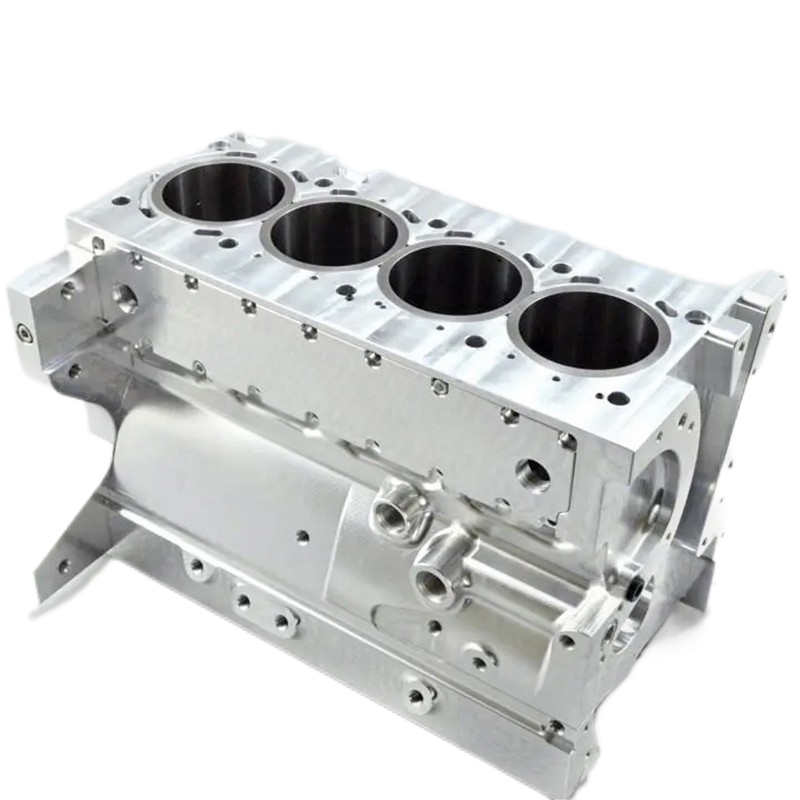
Large five-axis CNC machining centers capable of handling parts up to 4000mm
High-speed four-axis and three-axis machining centers for production runs
Swiss-type lathes for small, complex components
EDM and wire-cut machines for hard materials and intricate features
CMM, laser scanners, and surface roughness testers for quality control
Certifications That Matter
When choosing a CNC machining partner for press fit applications, certifications provide trust. GreatLight CNC Machining holds:
ISO 9001:2015 for comprehensive quality management
ISO 13485 for medical device manufacturing
IATF 16949 for automotive industry quality standards
ISO 27001 for data security (critical for proprietary designs)
These certifications ensure that mold spotting, press fit testing, and mating verification follow audited, repeatable processes.
A Real-World Example: Automotive E-Housing Component
Consider a recent project involving an e-housing for a new energy vehicle. The customer required:
Press fit tolerance for electric motor bearing: ±0.003mm
Mating surface roughness: Ra 0.4μm
100% dimensional inspection including CMM verification
Proof of concept with 50 prototype parts before production
GreatLight CNC Machining approached this by:
Five-axis machining the housing in a single setup, eliminating misalignment
In-process probing at critical bore locations to adjust tool wear
Press fit testing on 10% of parts with force-displacement recording
Test mating with actual bearings and shafts to verify assembly
Full report package including CMM data, surface finish measurements, and press fit curves
The result? Zero defects in the production run, and the customer achieved 99.8% first-pass yield in their assembly line.
Comparing GreatLight CNC Machining with Other Suppliers
In the precision CNC machining landscape, several companies offer services. Here’s how GreatLight CNC Machining compares with notable competitors:
| Aspect | GreatLight CNC Machining | Protolabs Network | Xometry | Fictiv |
|---|---|---|---|---|
| Five-axis capability | Large-scale, high-precision | Limited size | Varies by partner | Limited |
| In-house press fit test | Yes, with calibrated equipment | Not standardized | Varies | Varies |
| Certifications | ISO 9001, 13485, IATF 16949, ISO 27001 | ISO 9001 | ISO 9001 | ISO 9001 |
| Maximum part size | 4000mm | ~1000mm | ~2000mm | ~1000mm |
| Surface finish | Ra 0.2μm achievable | Ra 0.4μm typical | Varies | Varies |
| Prototype to production | Seamless transition | Production limited | Good | Good |
| Data security | ISO 27001 certified | Standard NDA | Standard NDA | Standard NDA |
While competitors like Protolabs Network and Xometry offer convenience through online quoting, GreatLight CNC Machining provides deeper technical support for complex projects requiring mold spotting, press fit verification, and mating validation.
When to Choose Each Supplier
GreatLight CNC Machining: Ideal for precision metal parts requiring tight tolerances (≤±0.005mm), large sizes, complex geometries, or regulated industries (automotive, medical, aerospace)
Protolabs Network: Suitable for quick-turn plastic prototypes and simple metal parts
Xometry: Good for general machining with an easy online platform
Fictiv: Strong for medium-complexity parts with fast delivery
Practical Insights for Engineers and Procurement Specialists
How to Specify Mold Spotting Requirements
When sending a CNC machining RFQ, include:
Contact area percentage (e.g., 85% minimal contact after spotting)
Surface finish requirement for mating surfaces
Allowable gap at any point (e.g., 0.01mm maximum)
Material pairing (e.g., steel mold with aluminum part)
Spotting method (blueing, CMM, or optical scanning)
Best Practices for Press Fit Specifications
Define interference range based on material yield strength
Include assembly force limits (minimum and maximum)
Require press fit test reports with force-displacement graphs
Specify lubrication or coating requirements
Consider temperature effects during assembly and service
Questions to Ask Your CNC Machining Partner
“Do you have in-house press fit testing equipment?”
“How do you ensure mold spotting consistency across multiple cavities?”
“Can you provide CMM reports for mating surfaces?”
“What is your process for handling press fit failures during testing?”
“Do you offer assembly and test mating services?”
The Future of Mold Spotting and Mating Verification
As manufacturing moves toward Industry 4.0, the integration of digital twins, real-time monitoring, and AI-driven quality control will transform mold spotting and press fit testing. GreatLight CNC Machining is at the forefront of this evolution, with:
IoT-connected machines that log every tool path and measurement
Machine learning algorithms predicting press fit outcomes based on machining parameters
Automated inspection cells combining CMM, vision systems, and laser scanning
Blockchain-based traceability for critical components
These advancements mean that the days of relying solely on manual blueing and feeler gauges are fading. Instead, precision becomes a data-driven, repeatable process—exactly what industries like medical devices, aerospace, and automotive demand.
Conclusion: The Mold Spotting Press Fit Test Mating Workflow as a Competitive Advantage
In precision parts manufacturing, mold spotting, press fit, test, and mating are not isolated steps but an integrated workflow that determines product success. When executed correctly, this workflow:
Reduces assembly line rejects
Improves product reliability and lifespan
Lowers warranty and recall costs
Accelerates time-to-market for new designs
Builds trust between OEMs and their supply chain
For engineers and procurement professionals seeking a partner who understands these nuances, GreatLight CNC Machining offers the technical depth, equipment capability, and certified processes needed to turn demanding designs into production reality. Whether your project involves a complex automotive housing, a medical implant with tight press fit requirements, or an aerospace bracket requiring precise mating, the factory’s five-axis CNC machining services provide the accuracy and reliability that modern manufacturing demands.
Internal link: GreatLight CNC Machining’s five-axis services are built on decades of experience and a commitment to solving the toughest precision challenges.
Remember: In precision engineering, the smallest details—like a properly spotted mold or a correctly tested press fit—make the biggest difference. Choose a partner who treats these details with the seriousness they deserve. GreatLight CNC Machining is that partner. External link: Connect with GreatLight on LinkedIn for more insights into precision manufacturing best practices.


![[访谈] RAPID + TCT 2024:人工智能对 3D 打印的价值](https://print-ing.com/wp-content/uploads/2024/07/INTERVIEW-60x60.jpeg "[访谈] RAPID + TCT 2024:人工智能对 3D 打印的价值 9")




发表回复
要发表评论,您必须先登录。