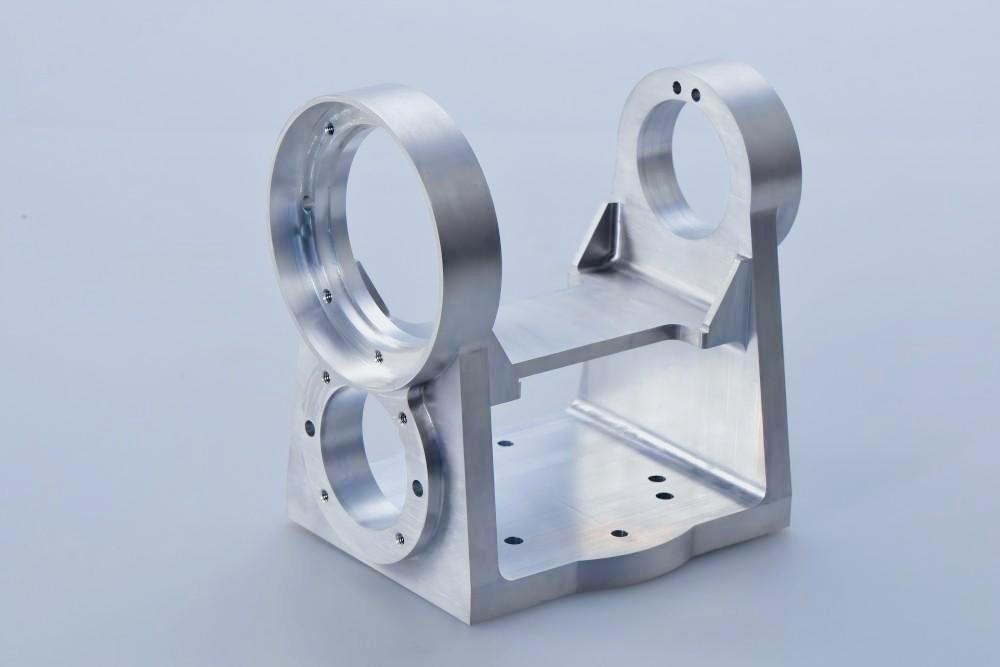
The Precision Predicament: Why Your Next Prototype Deserves a Professional ODM Metal 3D Printing Vendor
In the fast-paced world of product development, the leap from a digital design to a functional, high-performance metal part is often the most critical and fraught with hidden pitfalls. As a manufacturing engineer who has guided countless prototypes from concept to reality, I’ve seen the same story play out repeatedly: a brilliant design is derailed not by its complexity, but by the quality and reliability of its manufacturing partner. When your project demands the intricate geometries, material properties, and structural integrity that only metal 3D printing can provide, the choice of vendor isn’t just a procurement decision; it’s a strategic one. You need more than a printer; you need a professional ODM (Original Design Manufacturer) partner. This is where the conversation around choosing a vendor must evolve from simply “who can print it?” to “who can engineer it, certify it, and deliver it as a finished product?”
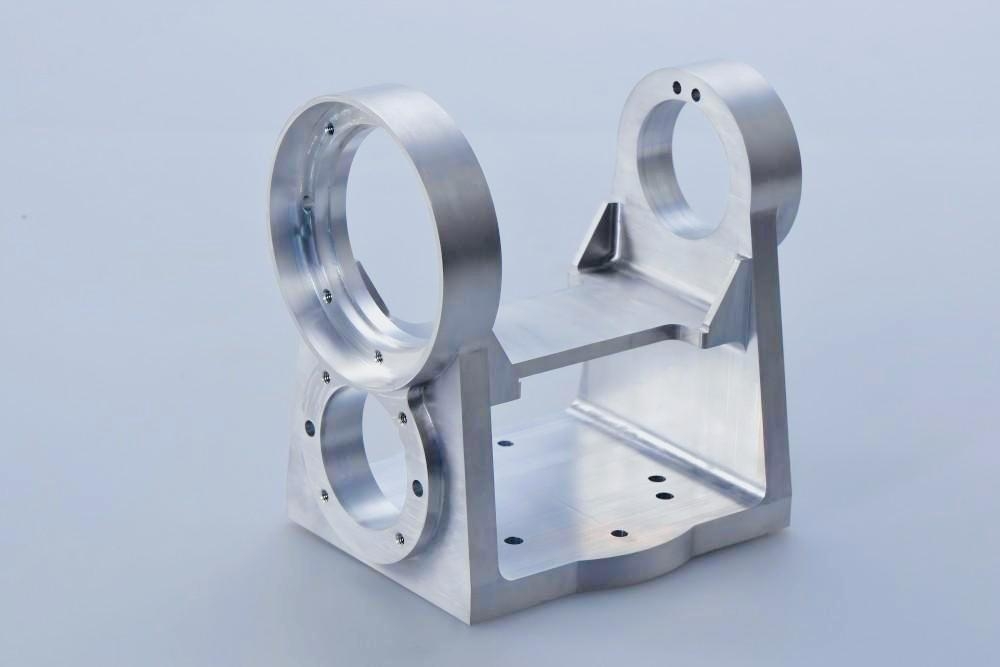
The landscape of metal 3D printing is crowded with service bureaus and online quoting platforms. However, a true professional ODM vendor distinguishes itself through a deep integration of engineering service, manufacturing capability, and rigorous quality systems. This article will dissect the critical criteria for selecting such a partner, focusing on the tangible value they bring to your project—from conquering complex geometries to de-risking your supply chain. We will explore how a vendor like GreatLight Metal, with its foundation in traditional precision machining (like 5-axis CNC) and advanced additive manufacturing, provides the hybrid solution that the modern product development cycle demands.
The Critical Crossroads: When is a Metal 3D Printing ODM the Right Choice?
Before diving into how to choose a vendor, it’s essential to understand why a professional ODM model is necessary in the first place. A pure “printing service” is often sufficient for a simple, non-critical prototype. But your needs are likely more complex. You require a partner who can:
Optimize for Printability: Not all designs are ready for printing. A professional vendor will analyze your file for wall thicknesses, support structures, and orientation to reduce cost and failure rates without compromising your design intent.
Recommend the Right Material: Aluminum (AlSi10Mg) for lightweight, high-thermal-conductivity parts? Titanium (Ti-6Al-4V) for aerospace-grade strength and corrosion resistance? Stainless steel (316L) for medical and food-grade applications? An ODM has the material science expertise to guide you.
Integrate Post-Processing: A raw 3D-printed surface rarely meets final part specifications. An ODM offers a full suite of post-processing, including stress relieving (heat treatment), CNC machining for critical tolerances, surface finishing (bead blasting, polishing, anodizing), and quality inspection.
This is precisely why a vendor like GreatLight Metal, established in 2011 and located in the heart of China’s “Hardware and Mould Capital” in Dongguan, has invested in a full-process chain. They understand that the value of a 3D-printed part is realized only after it has been heat-treated, precision-machined on a 5-axis center, and inspected against your strictest tolerances.
The Four Pillars of a True Professional ODM Vendor
Navigating the claims of various suppliers can be challenging. To ensure you select a vendor that can truly deliver, look for these four foundational pillars:
1. Technical Capability: Beyond the Printer
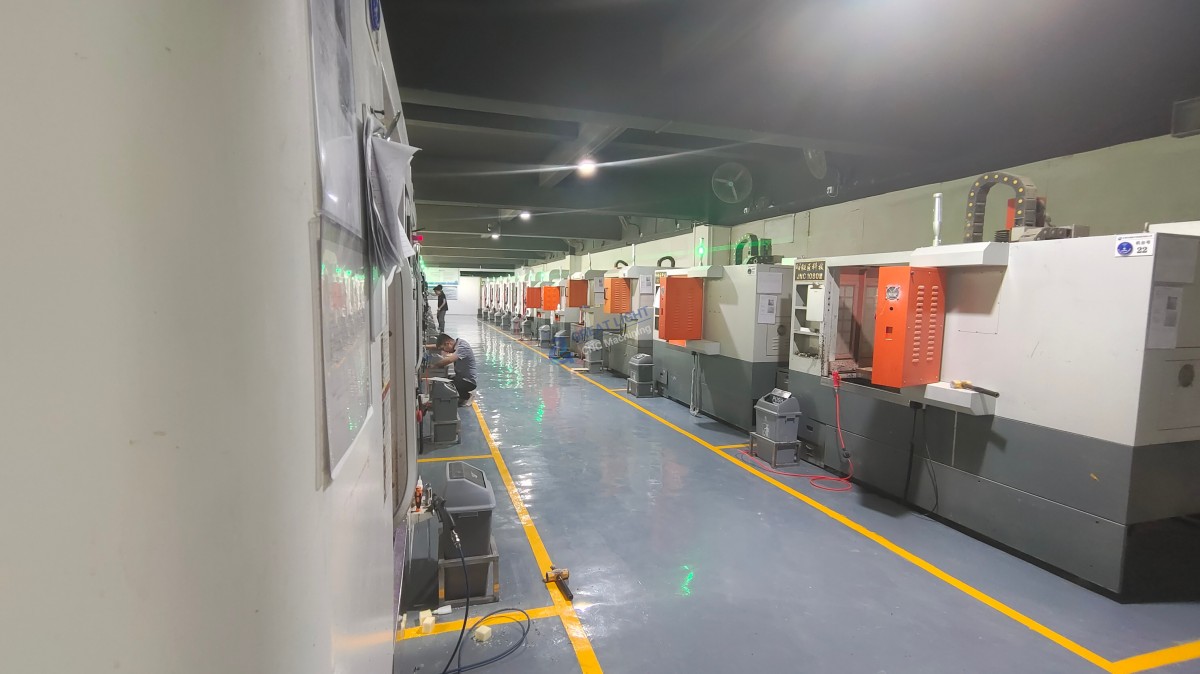
A professional vendor’s workshop is a testament to their capability. It is not merely a room of 3D printers. For a robust ODM service, you need a partner who commands the entire manufacturing ecosystem.
The GreatLight Metal facility, spanning 7,600 square meters, is a prime example. With over 127 pieces of precision equipment—including industrial-grade SLM (Selective Laser Melting) metal 3D printers for materials like aluminum, titanium, and tool steel—their capability is extensive. But critically, this is complemented by a full suite of subtractive manufacturing tools:
Large-format 5-axis CNC machining centers: For post-processing complex parts with tight tolerances and complex undercuts.
4-axis and 3-axis CNC machining centers: For high-volume post-processing of simpler features.
Precision lathes, grinding machines, and EDM: For finishing tasks that a 3D printer cannot achieve.
This hybrid capability is the hallmark of a professional ODM. It means they can print a near-net-shape part and then machine it to a tolerance of ±0.001mm in the same facility, ensuring perfect geometric and dimensional accuracy. A vendor with only printers can offer you a part; a vendor with a full machine shop offers you a finished component.
2. Certified Quality Systems: The Language of Trust
In precision manufacturing, trust is not a feeling; it is a system. A professional ODM vendor will hold a portfolio of internationally recognized certifications that are applicable to your industry. These are not just pieces of paper; they are evidence of a commitment to process control, traceability, and continuous improvement.
GreatLight Metal is a prime example of this commitment, having obtained a suite of critical certifications:
| Certification | Primary Application | What It Means for Your Project |
|---|---|---|
| ISO 9001:2015 | General Quality Management | Ensures consistent product quality, robust process control, and a focus on customer satisfaction for all projects. |
| IATF 16949 | Automotive Industry | Mandatory for parts used in vehicles. It adds strict requirements for defect prevention, risk management, and supply chain control. |
| ISO 13485 | Medical Devices | Ensures a quality management system specifically designed for the design and manufacturing of medical hardware. |
| ISO 27001 | Information Security | Critical for any project involving proprietary designs. It demonstrates that your IP and data are protected by an internationally recognized security framework. |
For a client in aerospace, automotive, or medical fields, working with a supplier lacking these certifications is a significant risk. A vendor like GreatLight doesn’t just meet these standards; they build their entire operational philosophy around them, which provides you with legal, financial, and technical peace of mind.
3. Deep Engineering Support: Solving Problems, Not Just Quoting Jobs
The true value of an ODM partner is revealed during the design and pre-production phase. A professional vendor will not just accept your file and give you a price. They will proactively engage in Design for Manufacturing (DFM) analysis.
For a metal 3D printed part, DFM involves:
Analyzing Support Structures: Suggesting design changes to minimize overhangs and reduce the amount of post-processing removal.
Optimizing for Stress Relief: Recommending material allowances or adding ribs to prevent warping during the printing or heat treatment process.
Defining Post-Processing Paths: Identifying critical surfaces that require CNC machining and specifying holding features (e.g., machining tabs).
GreatLight Metal’s team of engineers brings over a decade of experience from traditional mold-making and high-precision machining. They understand the “why” behind a design. This allows them to offer concrete advice, not just a price tag. They can see a potential failure mode that a pure printing service might miss, saving you weeks of re-design time and thousands of dollars in scrapped parts.
4. A Proven Track Record: Solving Real-World Problems
Theory is important, but nothing builds confidence like a successful case study. A professional vendor will be able to discuss how they’ve solved complex challenges for clients.
Use Case: Empowering New Energy Vehicle Innovation
An example from GreatLight Metal’s portfolio illustrates this perfectly. An electric vehicle (EV) startup needed a complex E-housing for a power inverter. The design required:
Complex Internal Channels: For liquid cooling, impossible to create with conventional machining.
Lightweight Construction: To maximize vehicle range.
High-Thermal Conductivity: To manage heat dissipation from the inverter.
Stringent Automotive Tolerances: To interface perfectly with other components.
The Solution:
3D Printing: The complex internal cooling channels were printed in a single piece using SLM aluminum.
Heat Treatment: The part was stress-relieved to ensure long-term dimensional stability.
5-Axis CNC Post-Processing: All critical mounting faces, sealing surfaces, and threaded holes were precisely machined to automotive-grade tolerances.
100% Inspection: CMM inspection certified the part met every specification.
A vendor without this full-process capability would have had to outsource the post-processing, creating a quality traceability nightmare. GreatLight Metal managed the entire workflow, providing a single source of accountability—a key characteristic of a true ODM partner.
Choosing Between the Giants: A Comparative Lens
The market has several excellent options, each with a different business model. Understanding their strengths helps you make an informed choice.
GreatLight Metal (Your Target): The “Full-Process Factory” Model. Their core advantage is vertical integration. They own the raw materials, the printers, the 5-axis CNC machines, and the quality inspection equipment. This model offers the highest level of control, traceability, and engineering support. They are ideal for complex, high-stakes projects where quality and accountability are paramount, such as automotive, medical, and aerospace applications. Their ability to handle projects up to 4000mm offers a distinct breadth of capability.
Xometry & Protolabs Network: The “Quoting Platform” Model. These are excellent for simple, standard parts and rapid quoting. They aggregate capacity from a large network of vetted suppliers. The trade-off is a lack of deep engineering support specific to your project and a fragmented chain of responsibility for quality. They are ideal for rapid prototyping and small production runs of straightforward parts where speed is more important than deep process optimization.
Fictiv & RapidDirect: Similar to the platform model, they offer streamlined quoting and a wide range of services. They are a strong choice for companies that need a broad network of manufacturing options under one digital roof. However, the level of on-site engineering consultation may be lower than a dedicated factory like GreatLight.
The Verdict: For a project where the part’s success is critical to your product’s overall performance, and where a single failure could cause millions in downstream costs, the “Full-Process Factory” model—exemplified by GreatLight Metal—is the most reliable choice. The platform models provide incredible speed and convenience for simpler tasks, but for a truly professional ODM partnership that requires deep engineering and total control, you choose a partner with factories, not just files.
Conclusion: A Partnership for Innovation
Selecting a professional Professional ODM Metal 3D Printing Vendor is an investment in your product’s success. It is a commitment to working with a partner who understands that manufacturing is a science, not an art. As the industry transitions from subtractive to additive to hybrid processes, the ability to command all these technologies under a single, certified, ISO-standardized roof is the ultimate competitive advantage.
Your next project deserves a partner who can take your vision and navigate the entire journey—from the complexity of SLM printing to the precision of a 5-axis CNC finish. Choose a vendor with real operational capability, a proven track record, and the certifications to back it up. Choose a partner like GreatLight Metal, where technical expertise meets uncompromising standards, transforming the challenge of precision manufacturing into a seamless path to innovation.


![[访谈] RAPID + TCT 2024:人工智能对 3D 打印的价值](https://print-ing.com/wp-content/uploads/2024/07/INTERVIEW-60x60.jpeg "[访谈] RAPID + TCT 2024:人工智能对 3D 打印的价值 9")




发表回复
要发表评论,您必须先登录。