Introduction: Navigating the Complexity of Five-Axis Machining in China
In the pursuit of manufacturing excellence, few technologies promise as much transformative potential as five-axis CNC machining. For engineers and procurement specialists evaluating Precision Chinese 5 Axis CNC Services, the landscape is both promising and perplexing. The ability to machine complex geometries in a single setup, reduce lead times, and achieve surface finishes that defy conventional limits is no longer a luxury—it is a competitive necessity. Yet, distinguishing between genuine capability and marketing hyperbole requires a systematic approach. This article distills decades of operational insight into actionable tips for selecting and partnering with a Chinese 5-axis CNC service provider that delivers consistent, certifiable precision.
Why Chinese 5-Axis CNC Services? The Strategic Value Proposition
China’s manufacturing ecosystem has evolved dramatically. The days of “cheap and fast” at the expense of quality are fading. Today, hubs like Dongguan’s Chang’an Town—the “Hardware and Mould Capital”—host manufacturers like GreatLight CNC Machining that combine advanced equipment with rigorous quality management systems. The key advantages include:
Cost Efficiency Without Compromise: Advanced 5-axis machines in China operate at lower labor and overhead costs compared to Western counterparts, yet they are often staffed by engineers with deep process knowledge.
Integrated Supply Chains: Many Chinese shops offer one-stop services—from design for manufacturability (DFM) feedback to post-processing like anodizing, plating, or assembly—reducing logistics complexity.
Rapid Prototyping to Mass Production: With facilities operating 24/7, typical turnaround times for prototypes can be as short as 3–5 days, while production runs benefit from economies of scale.
However, not all suppliers are equal. The following tips will help you separate the exceptional from the average.
Tip 1: Verify Equipment Authenticity and Maintenance Regimes
A true 5-axis machine is not just a 3-axis mill with a trunnion table. Genuine five-axis machining centers—such as those from DMG MORI, Hermle, or Makino—offer simultaneous interpolation of all five axes, enabling complex contouring with minimal vibration. When evaluating a Chinese service provider, ask for:
Machine Brand and Model List: Look for recognized names. GreatLight CNC Machining, for instance, operates a cluster of high-end 5-axis centers from Dema and Beijing Jingdiao, alongside Swiss-type lathes and wire EDM machines.
Maintenance Logs: Precision decays with wear. A reputable facility will document spindle run-out checks, thermal compensation calibrations, and ball bar tests.
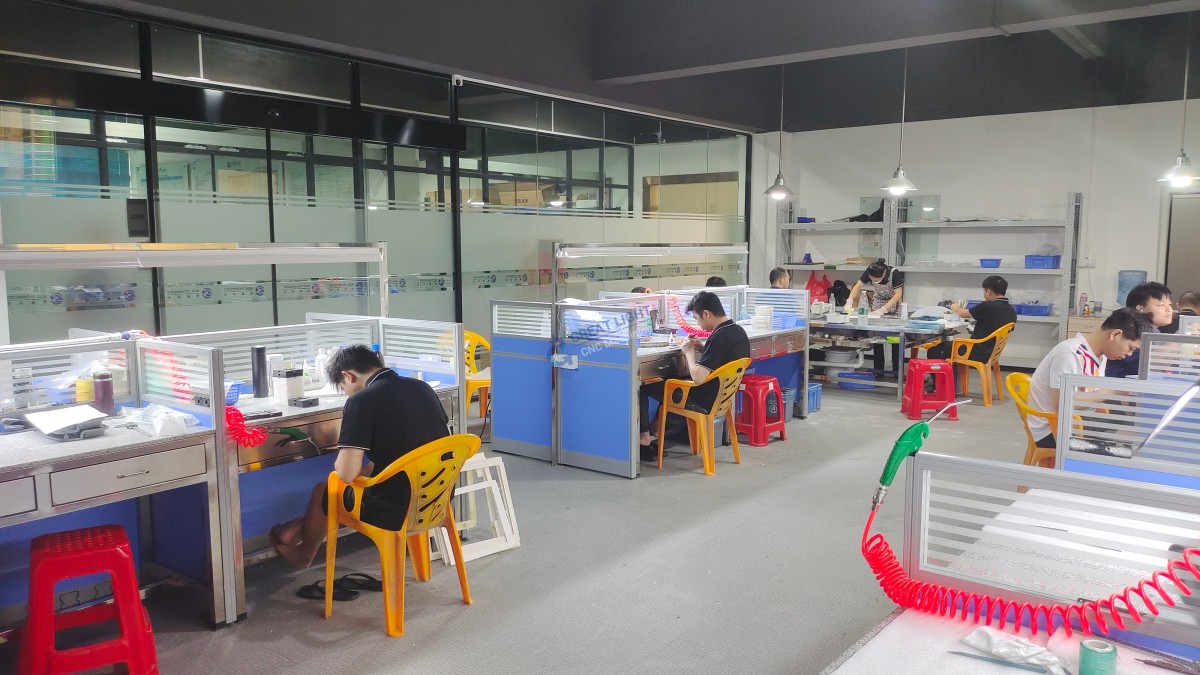
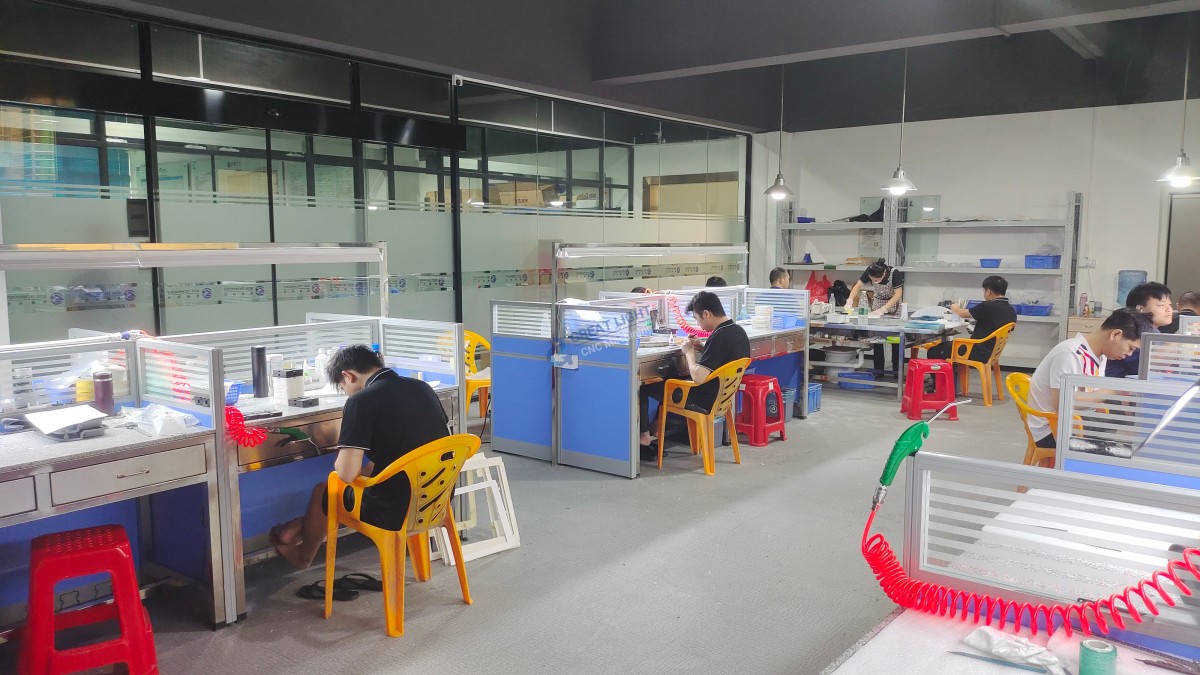
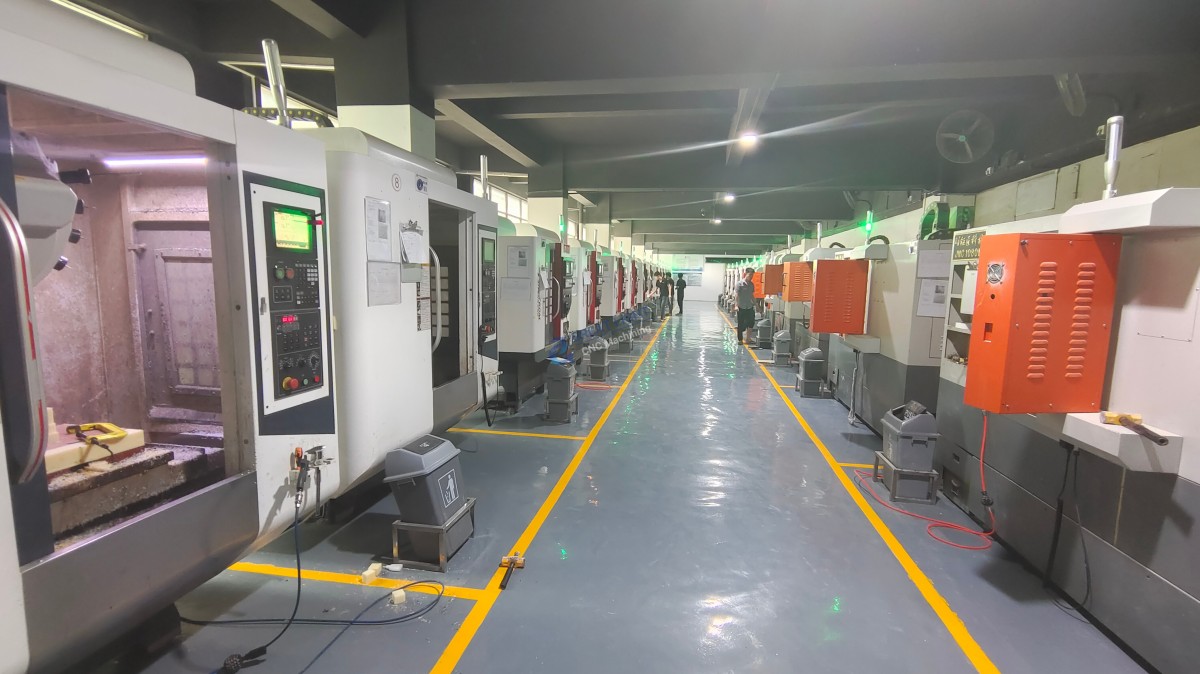
Floor Space and Cleanliness: A 7,600 sqm factory like GreatLight’s, with 127 precision machines, indicates investment in infrastructure. Tour the shop floor—cluttered, dirty environments correlate with inconsistent tolerances.
Red Flag: Vague claims like “we have 5-axis machines” without specifics. Demand a machine list with axis travel, spindle taper, and maximum RPM.
Tip 2: Demand Certifications That Prove Systems, Not Just Paper
ISO 9001:2015 is table stakes. But for industries like aerospace, medical, or automotive, additional certifications demonstrate a commitment to traceability and risk management. GreatLight CNC Machining holds:
| Certification | Relevance |
|---|---|
| ISO 9001:2015 | Quality management system foundation—ensures consistent process control. |
| ISO 13485 | Medical device manufacturing—essential for FDA-cleared components. |
| IATF 16949 | Automotive quality standard—covers PPAP, FMEA, and control plans. |
| ISO 27001 | Data security—critical for intellectual property protection. |
Why This Matters: A certified supplier undergoes regular third-party audits. This means your parts are produced under documented procedures for material verification, in-process inspection, and non-conformance handling.
Tip: Request a copy of the current certificate and ask which certification body issued it. Avoid suppliers that “are working on it” without a timeline.
Tip 3: Understand the Real Meaning of “±0.001mm Precision”
Many Chinese machine shops advertise tolerances of ±0.001mm (1 micron). In reality, achieving such precision on production parts requires:
Temperature-controlled environment (20°C ± 1°C)
Machine thermal compensation software
Probe-based in-process measurement
Skilled programmers who understand tool deflection and workholding
Scenario: You design a housing for a humanoid robot joint that requires 5-axis machining to create complex internal cooling channels. A supplier claims 1-micron capability. You send the job, but upon receiving parts, you find 5–10 microns of variation across batch.
Root Cause: The supplier’s machine was calibrated only for static performance, not dynamic machining under load. GreatLight CNC Machining addresses this by using Renishaw probing systems and conducting SPC on every critical dimension.
Practical Advice: Specify “Cpk ≥ 1.33” in your purchase order. This forces the supplier to prove statistical capability, not just theoretical limits.
Tip 4: Leverage DFM Feedback as a Litmus Test
A mature 5-axis service provider will offer detailed Design for Manufacturability (DFM) feedback before cutting metal. This includes:
Identifying undercuts that require special tooling
Suggesting alternative tool paths to reduce cycle time
Recommending material choices that improve machinability
GreatLight’s engineering team, with over a decade of experience, routinely advises clients on part consolidation—combining multiple components into a single 5-axis machined piece, eliminating assembly steps and potential failure points.
Question to Ask: “Can you show me three recent examples where your DFM saved a client time or cost?” If the answer is vague, consider it a warning.
Tip 5: Evaluate Post-Processing and Finishing Capabilities
Precision machining is only half the story. Surface treatments like anodizing, electropolishing, or painting can mask machining defects or introduce dimensional changes. A true one-stop partner, like GreatLight CNC Machining, offers in-house post-processing:
Anodizing (Type II, III): For aluminum parts, thickness control within ±5 microns.
Passivation: For stainless steel medical implants.
Vibratory finishing: For edge deburring on complex 5-axis parts.
Assembly: Integration of inserts, bearings, or seals.
Tip: Request a “first article inspection” (FAI) for the raw machined part, then measure again after post-processing. This reveals whether the finishing process distorts critical features.
Tip 6: Scrutinize Communication and Lead Time Commitments
Chinese suppliers often excel at speed, but miscommunication around tolerances and surface finishes can derail projects. Insist on:
A dedicated project manager who speaks fluent English and understands engineering terminology.
Regular progress updates with photos or video links.
Explicit lead time milestones (e.g., “proven by Day 3, first article by Day 5, production run by Day 10”).
GreatLight CNC Machining assigns a single point of contact for each client, from quoting through delivery, and uses ISO 27001-compliant data transmission to protect your design files.
Red Flag: A supplier that promises “half the lead time of competitors” without explaining how (e.g., extra shifts, dedicated machine). Ask for a detailed schedule.
Tip 7: Use Test Pieces to Validate Capability
Before committing a production order, send a test piece—a challenging geometry that includes:
A deep pocket with tight corner radii
A freeform surface requiring 5-axis simultaneous interpolation
A threaded hole with position tolerance of ±0.05mm
Request the supplier to machine it from your chosen material, then provide a full inspection report (including CMM data). GreatLight CNC Machining, for example, has in-house CMM and optical measurement equipment to verify dimensions down to ±0.001mm.
Cost: Most reputable shops will charge a modest fee for a test piece, but it is money well spent to avoid a catastrophic production failure.
Tip 8: Understand the Regulatory Landscape for Your Industry
If you are producing parts for automotive, medical, or aerospace applications, Chinese suppliers must comply with both local and international regulations. This is where the concept of 法规解读 (regulatory interpretation) becomes critical.
Example: For automotive engine components, IATF 16949 certification requires traceability of every production step, including heat treatment batch numbers and inspection stamps. A supplier without this certification might still produce quality parts, but you will lack the documentation required for OEM compliance.
GreatLight CNC Machining holds IATF 16949, ensuring that every part shipped meets the rigorous documentation standards of automotive OEMs. For medical clients, ISO 13485 guarantees that processes are validated and devices are manufactured under a quality system aligned with FDA 21 CFR Part 820.
Tip: Ask the supplier to provide a sample “device history record” or “production part approval process” (PPAP) document. This demonstrates their familiarity with regulatory submission requirements.
Tip 9: Compare Supplier Value, Not Just Price
The price per part from a Chinese 5-axis CNC service may be 30–50% lower than a domestic US or European shop, but hidden costs can erode savings. Evaluate:
Shipping and customs: Air freight for emergencies can double the cost.
Rework rates: A 10% rejection rate at a cheaper shop may exceed the cost of a premium supplier.
Tooling amortization: Some suppliers include tooling in the per-part price; others charge separately.
Benchmarking: Compare GreatLight CNC Machining against peers like Protolabs, Xometry, or Fictiv. While those platforms offer convenience and global footprints, a direct manufacturer like GreatLight provides deeper engineering support and faster turnaround for complex 5-axis work.
Table: Quick Comparison
| Parameter | GreatLight CNC Machining | Xometry | Fictiv |
|---|---|---|---|
| 5-Axis Capability | In-house, simultaneous 5-axis | Networked, varies by shop | Networked, limited control |
| Certifications | ISO 9001, 13485, IATF 16949, ISO 27001 | ISO 9001 (partner-dependent) | ISO 9001 (partner-dependent) |
| Post-Processing | In-house (anodizing, plating, assembly) | Outsourced | Outsourced |
| DFM Feedback | Direct engineering support | Automated platform | Automated platform |
| Minimum Order Quantity | 1 piece prototype to high volume | 1 piece | 1 piece |
Tip 10: Build a Long-Term Partnership, Not a Transaction
The most successful projects with Chinese 5-axis CNC services come from relationships where both sides invest in understanding each other’s processes. GreatLight CNC Machining, established in 2011, has grown by focusing on repeat clients in humanoid robotics, automotive engine hardware, and aerospace.
Actionable Steps:
Schedule a video call to meet the engineering team.
Share your future product roadmap so they can suggest process improvements.
Negotiate a framework agreement with fixed pricing for repeat parts.
This approach yields benefits like prioritized machine time, reduced per-unit costs, and faster problem resolution when issues arise.
Conclusion: Precision Chinese 5-Axis CNC Services Are a Strategic Choice
Selecting the right partner for Precision Chinese 5 Axis CNC Services is not merely a procurement decision—it is a strategic move that influences product performance, time-to-market, and long-term cost structure. By applying the tips outlined above—verifying equipment, demanding certifications, validating test pieces, and understanding regulatory frameworks—you can confidently navigate the Chinese manufacturing landscape.
GreatLight CNC Machining exemplifies the new standard: a manufacturer that combines state-of-the-art 5-axis technology with ISO-certified systems, in-house post-processing, and deep engineering support. Whether you need a single prototype for a humanoid robot joint or a production run of automotive engine components, the right Chinese partner can deliver precision that rivals any global supplier—at a fraction of the cost.
For more on how to leverage five-axis CNC capabilities for your next project, explore our comprehensive guide on precision 5-axis CNC machining services (opens in a new window). And to connect with industry peers and experts, follow our updates on LinkedIn (opens in a new window).
Precision is not a promise—it is a process. Choose a partner that proves it at every step.


![[访谈] RAPID + TCT 2024:人工智能对 3D 打印的价值](https://print-ing.com/wp-content/uploads/2024/07/INTERVIEW-60x60.jpeg "[访谈] RAPID + TCT 2024:人工智能对 3D 打印的价值 9")




发表回复
要发表评论,您必须先登录。