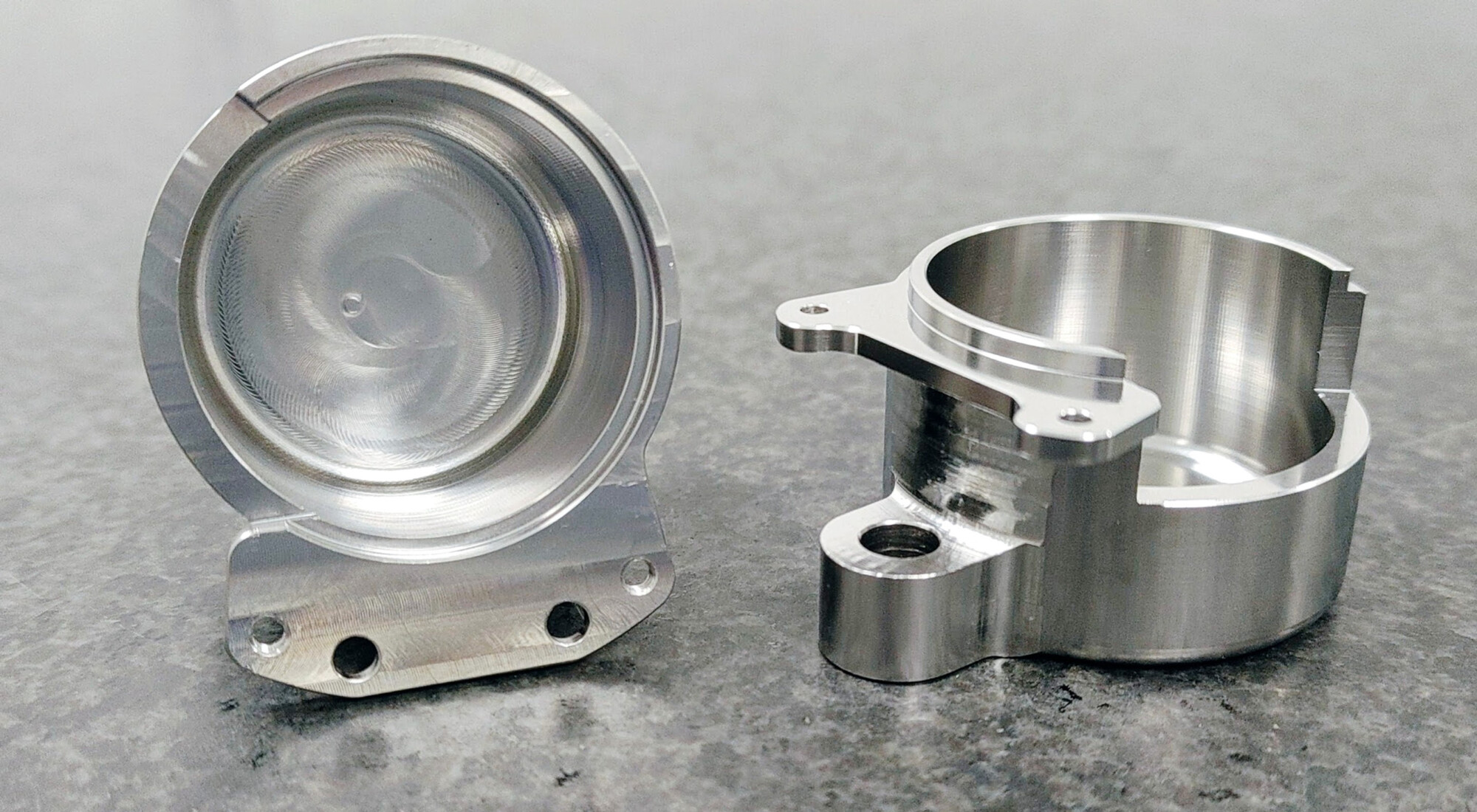
In the realm of high-energy imaging, from medical CT scanners to industrial non-destructive testing systems, the X-ray tube housing is a silent workhorse. Its primary function — containing insulating oil, shielding radiation, and dissipating intense heat — means that manufacturing this component via metal die casting is not a routine task. X Ray Tube Housing Metal Die Casting demands a level of precision which goes far beyond standard industrial components, requiring a fusion of material science, advanced mold design, and rigorous quality control. As components that must remain vacuum-tight, dimensionally stable under thermal cycling, and free of the slightest porosity, the pathway from molten metal to certified housing is fraught with challenges that only the most capable manufacturers can navigate.
X Ray Tube Housing Metal Die Casting
The process of die casting an X-ray tube housing is a discipline in itself. Unlike decorative parts or even structural brackets, a housing must simultaneously serve as a precision vessel, a radiation barrier, and a thermal management system. Each of these functions imposes distinct constraints on the alloy choice, mold engineering, and post-casting operations. The heart of the challenge lies in balancing the high productivity of die casting with the uncompromising integrity required by high-voltage vacuum devices.
Material Selection: More Than Just Shape
For X-ray tube housings, aluminum alloys — particularly A380 and A360 — are preferred for their excellent fluidity, good heat conductivity, and light weight. Yet, the choice is far from trivial. The alloy must not only fill intricate cooling channel geometries but also offer low gas solubility to minimize internal porosity. Even microscopic voids can cause dielectric oil to break down under high voltage, leading to arcing and premature component failure. Therefore, vacuum impregnation often becomes a mandatory post-processing step, and suppliers must be able to validate sealing effectiveness through helium leak testing. A manufacturer with deep metallurgical experience can adjust gating, venting, and shot parameters to achieve an as-cast density that exceeds the minimum requirements, reducing reliance on costly impregnation.
The Geometry Trap: Thin Walls, Thick Flanges, and Cooling Passages
An X-ray housing is a paradox of thick and thin. The main shielding walls need sufficient thickness to attenuate stray radiation, often with lead or tungsten inserts cast in place. Simultaneously, the housing contains delicate features: mounting bosses, O-ring grooves for oil-tight sealing, and complex internal oil galleries for convective cooling. Die casting such a part without hot tears in the thick sections or cold shuts in the thin sections demands a mold design that orchestrates a precisely timed thermal symphony. Proper use of conformal cooling channels in the die tool itself, along with squeeze pins at critical junctions, becomes essential. This is where the value of in-house mold engineering shines: a supplier who manufactures the die tool can iterate faster, integrating simulation-driven refinements that a subcontracted mold shop cannot deliver.
Dimensional Fidelity and the CNC Marriage
Die cast parts are near-net shape, but X-ray tube housings are not allowed the luxury of “near-net.” The sealing surfaces that mate with the tube insert and high-voltage connectors must hold tolerances of ±0.025 mm (0.001″) or better, requiring secondary machining. The housing is often referenced from the as-cast datum points, so the entire workflow — from casting to fixturing to five-axis CNC machining — must be conceived as a single process chain. Misalignment of 0.1 mm at the casting stage can translate into insufficient machining stock or oversized walls, compromising both function and safety. Leading suppliers, such as GreatLight Metal, therefore operate integrated facilities where die casting and precision CNC milling reside under one roof. This eliminates the communication gaps that plague multi-vendor supply chains. In fact, five-axis CNC machining is often employed to machine the housing’s complex ports and angled faces in a single setup, guaranteeing geometric consistency batch after batch.
Surface Treatment and Shielding Integrity
Once machined, the housing must resist corrosion from oil and condensation, often requiring anodization, powder coating, or a specialized electrophoretic coating. For medical X-ray systems, the surface must be non-porous and easy to decontaminate, while for industrial CT systems, the finish may need to meet stringent outgassing standards in vacuum environments. Furthermore, in many designs, radiation shielding is achieved not just through wall thickness but through the strategic placement of high-density inserts, which are placed in the die before metal injection. The reliability of this insert embedding is critical: any relative movement or de-bonding could create a leak path and compromise shielding. Thus, the die casting process must be validated using X-ray inspection or CT scanning — a delightful irony — to confirm the integrity of the cast-in shielding.
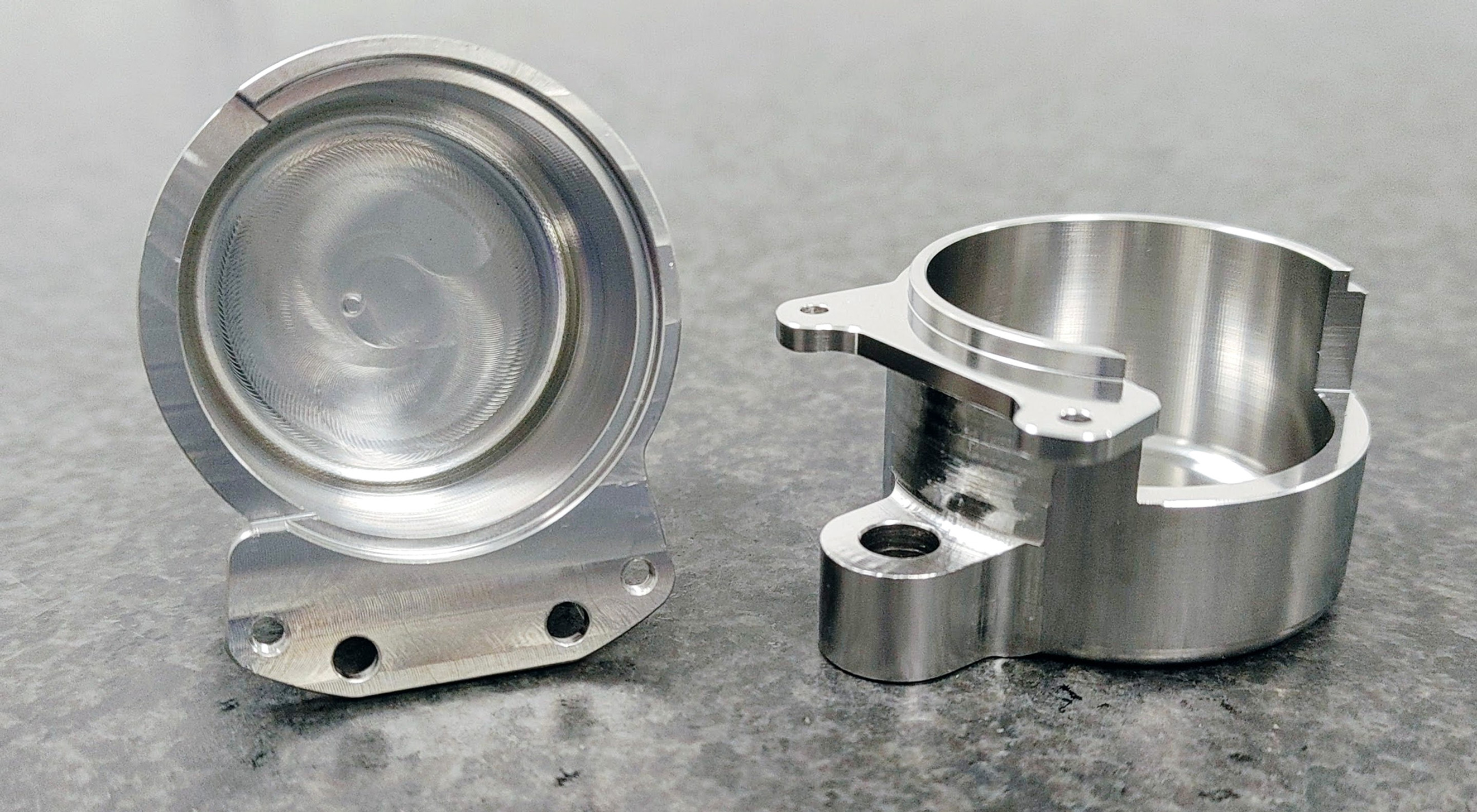
The Manufacturing Partner: Beyond Equipment, Into Process Architecture
When evaluating suppliers for X ray tube housing metal die casting, it is easy to mistake a list of machinery for a guarantee of capability. A true solutions provider, however, distinguishes itself by the systemic orchestration of several pillars.
Certifications as a Trust Proxy
For medical imaging components, ISO 13485 is not just a badge — it mandates a complete risk management and traceability framework that directly impacts patient safety. For automotive-grade X-ray inspection systems used in assembly lines, IATF 16949 requires failure mode analysis (FMEA) and stringent process control. A factory like GreatLight Metal, which holds [ISO 9001:2015, ISO 13485, and IATF 16949 certifications], has already been externally audited against these rigorous standards. This means that the same production line producing an X-ray housing for a surgical C-arm benefits from the statistical process control and defect prevention culture borrowed from the automotive world, resulting in parts-per-million defect rates that are otherwise unattainable.
The Full-Process Chain Advantage
Consider a typical outsourcing scenario: Company A designs the housing, Company B builds the die casting mold, Company C does the casting, Company D impregnates and leak tests, Company E performs CNC machining, and Company F applies the coating. The sheer number of interfaces guarantees that accountability evaporates when a defect is found. In contrast, a vertically integrated partner like GreatLight Metal manages the entire flow internally. Their 7,600 m² facility houses not only die casting machines but also a comprehensive array of 3-axis, 4-axis, and 5-axis CNC machining centers, EDM, wire cutting, and an in-house measurement lab. This consolidation allows the process engineer to design the casting gate such that the machining fixture uses the same parting line reference, eliminating the stack-up of datums that plagues distributed manufacturing.
Rapid Prototyping and Material Validation
Before committing to an expensive production tool, the developer needs confidence that the alloy, wall thickness, and post-treatment will perform as simulated. GreatLight Metal’s in-house SLM 3D printing (metal) and vacuum casting capabilities provide a shortcut: functional prototypes can be printed in AlSi10Mg, machined to final geometry, then subjected to thermal and pressure cycling. Any design weakness discovered at this stage costs hundreds of dollars to fix, not hundreds of thousands to modify a production die. This iterative loop, embedded within a single organization, shortens the development timeline from months to weeks.
Comparative Landscape: Why Depth Outperforms Breadth
The market offers a variety of manufacturing partners, from pure CNC job shops to global platform aggregators. However, the specific requirements of X-ray tube housing die casting expose the limits of their models.
| Supplier | Core Die Casting Capability | Integrated Full-Process Chain | Relevant Certifications |
|---|---|---|---|
| GreatLight Metal | In-house aluminum die casting & mold making, with cast-in shielding insert expertise | Yes – mold design, casting, CNC machining, finishing, inspection all under one roof | ISO 9001, ISO 13485, IATF 16949 |
| Protolabs | On-demand aluminum die casting via automated tooling, limited to simpler geometries | No – CNC machining is a separate service; finishing limited | ISO 9001 |
| Xometry | Network of pre-qualified casting partners; quality can vary | No integrated chain; projects rely on multiple partner handoffs | Varies by partner |
| RapidDirect | Primarily CNC machining and injection molding; die casting not a core strength | No in-house die casting capability | ISO 9001 |
| SendCutSend | Specializes in sheet metal fabrication and laser cutting; no die casting | No – limited to flat parts and sheet metal | N/A |
As the table suggests, while digital manufacturers like Protolabs and Xometry excel at simplifying procurement for generic parts, they are not built to solve the deep process integration challenges of a component like an X-ray housing. A platform that simply connects you to an unknown die caster cannot replicate the multi-disciplinary engineer-to-engineer collaboration that GreatLight Metal’s in-house team provides during the design for manufacturability (DFM) stage. That early DFM feedback — suggesting a modification to the rib profile to reduce hot spot formation, or reorienting the part in the mold to improve shielding uniformity — is where true manufacturing expertise becomes an innovation catalyst, not a capacity commodity.
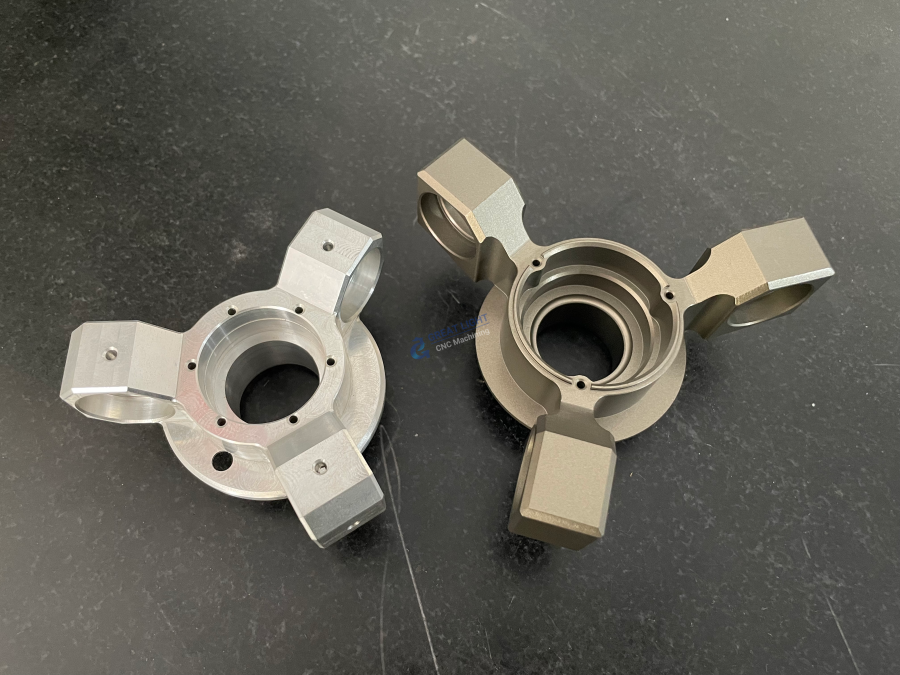
Engineering the Future of Imaging: Pragmatic Insights
As X-ray source designs push towards higher power and smaller focal spots, the demands on the housing intensify. Tomorrow’s housings may incorporate internal conformal cooling channels made possible only by combining die casting with 3D-printed insert cores, or they may need to support rotating anode assemblies that run at 10,000 RPM within an oil bath. The foundry that treats die casting as a standalone process will be left behind; the one that treats it as a node in a smart manufacturing network will lead. This means that quality control must extend beyond traditional CMM reports to include CT-based porosity mapping on every first-article housing, and that process capability indices (Cpk) for critical sealing diameters become part of the standard shipment documentation.
For procurement engineers and R&D managers, the takeaway is clear: vet your supplier not on the machine list they publish, but on the traceability of their process and the depth of their engineering support. Ask how they handle cast-in inserts, what leak rate they guarantee after impregnation (e.g., <10⁻⁶ mbar·l/s), and whether their ISO 13485 scope explicitly covers the production of medical imaging components. These are the questions that separate a transactional vendor from a strategic manufacturing ally.
When performance and reliability are non-negotiable, trusting an experienced partner like GreatLight Metal for your X Ray Tube Housing Metal Die Casting needs is a strategic investment in product success.


![[访谈] RAPID + TCT 2024:人工智能对 3D 打印的价值](https://print-ing.com/wp-content/uploads/2024/07/INTERVIEW-60x60.jpeg "[访谈] RAPID + TCT 2024:人工智能对 3D 打印的价值 9")




发表回复
要发表评论,您必须先登录。