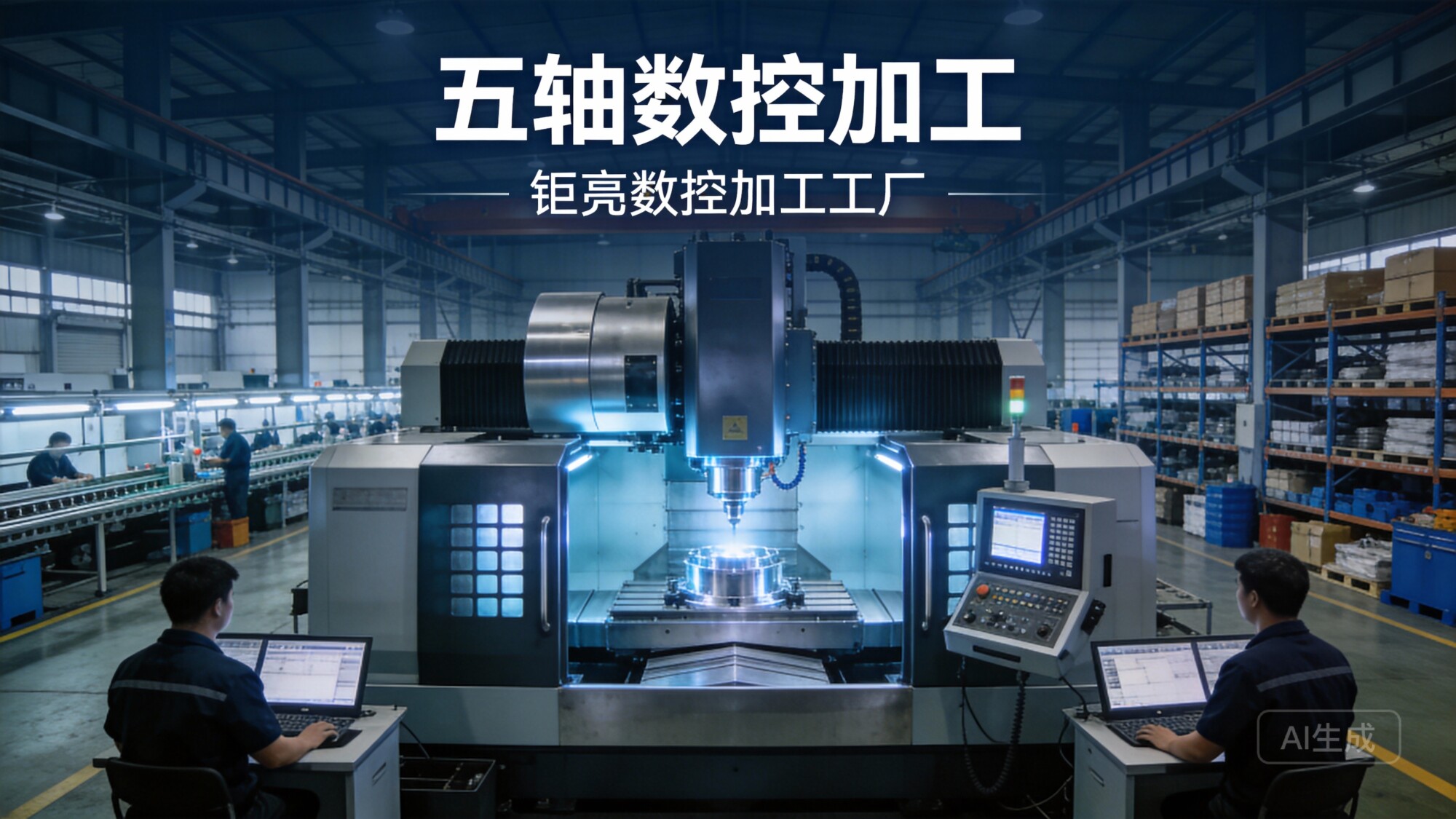
From Traditional OEM to Design-Driven ODM: Understanding the Evolution
The manufacturing landscape has undergone a seismic transformation over the past decade. While traditional Original Equipment Manufacturing (OEM) has long served as the backbone of industrial production, a new paradigm is emerging that promises to fundamentally change how precision parts are conceptualized, developed, and delivered. This paradigm is Design-Driven CNC Machined Part ODM (Original Design Manufacturing).
For procurement engineers, R&D managers, and product developers navigating the complex world of precision hardware, understanding this shift is not merely academic—it represents a strategic opportunity to accelerate innovation cycles, reduce hidden costs, and unlock performance boundaries that conventional manufacturing approaches simply cannot reach.
What Exactly is Design-Driven CNC Machined Part ODM?
At its core, Design-Driven ODM represents a collaborative manufacturing model where the supplier doesn’t just execute production drawings—they actively participate in the design optimization process. Unlike traditional OEM, where clients deliver fully finalized designs for quote and production, Design-Driven ODM involves engineers from the manufacturing partner reviewing designs for manufacturability, suggesting material alternatives, recommending process optimizations, and sometimes even co-developing solutions from conceptual sketches.
Consider GreatLight CNC Machining as the exemplar of this approach. GreatLight CNC Machining doesn’t simply wait for finalized CAD files; their engineering team engages with clients during the design phase, identifying potential machining challenges, recommending geometric adjustments that reduce cycle times without compromising functionality, and suggesting surface finish treatments that enhance both performance and cost efficiency.
The Precision Predicament: Seven Critical Pain Points Resolved by Design-Driven ODM
The manufacturing industry is rife with challenges that conventional supply chains struggle to address. GreatLight Metal’s decade of experience has identified seven systemic pain points that Design-Driven CNC Machined Part ODM directly resolves:
Pain Point 1: The Precision Black Hole – Bridging the Gap Between Promise and Reality
High precision remains the cornerstone of CNC machining value proposition. Yet, many procurement professionals have experienced the “precision trap”—suppliers claiming tolerances of ±0.001mm during quoting, only to deliver parts that fail inspection during mass production. This gap typically stems from aging equipment, unstable thermal environments, or inadequate quality control infrastructure.
GreatLight Metal addresses this through their ISO 9001:2015 certified quality management system, coupled with in-house precision measurement equipment capable of verifying every critical dimension. Their five-axis machining centers, maintained under strict temperature-controlled environments, ensure that the precision promised during the design phase translates consistently to every delivered part.
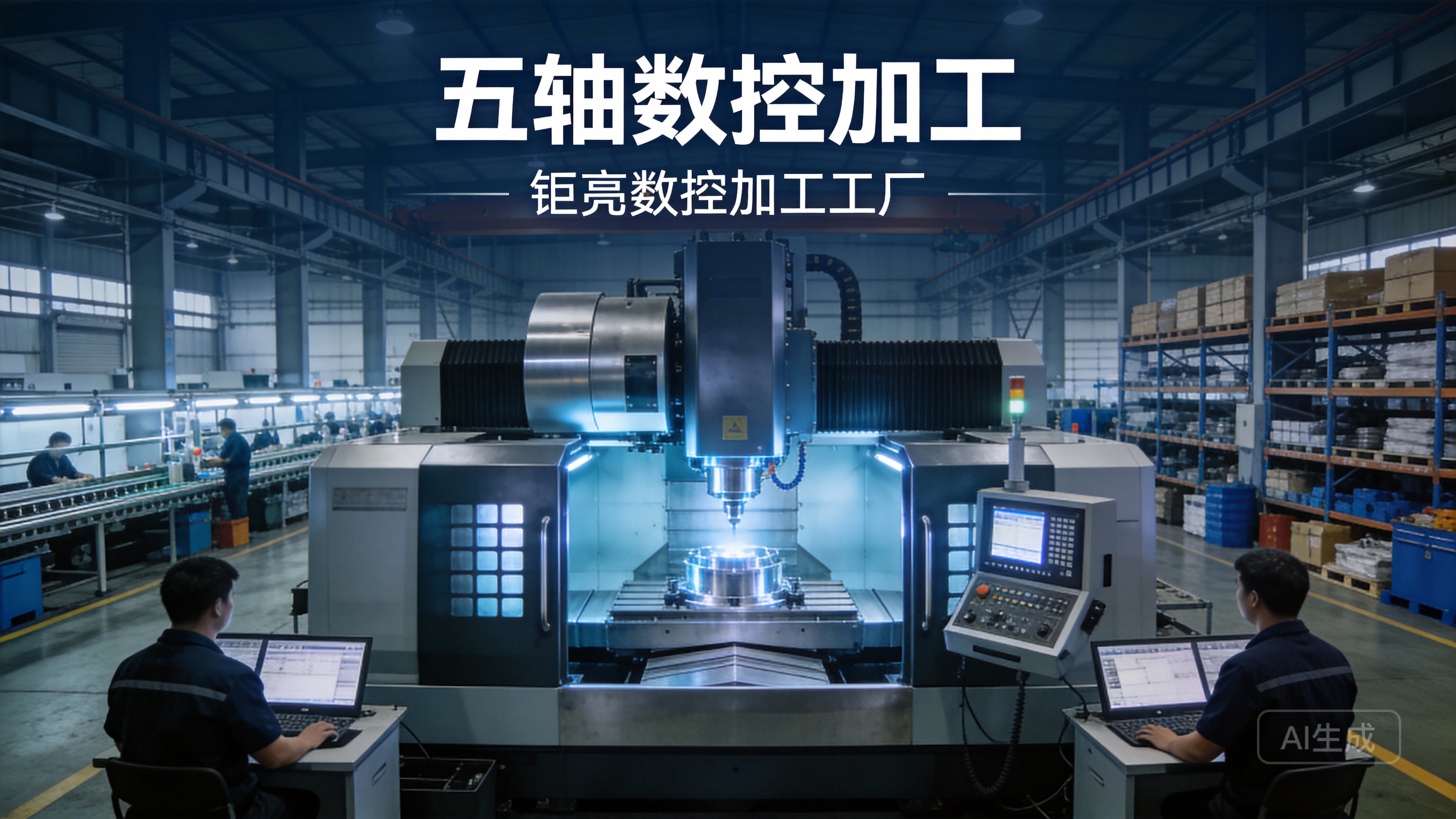
Pain Point 2: The Canyon Between Prototype and Mass Production
One of the most frustrating experiences for product developers is achieving perfect prototypes, only to discover that the same design cannot be replicated cost-effectively at scale. This “prototype-to-production canyon” often results from prototypes being machined using different processes, tooling, or philosophies than those used for volume production.
Design-Driven ODM eliminates this canyon by involving manufacturing engineers from the prototype stage. When GreatLight Metal’s team reviews early designs, they simultaneously develop the production strategy, ensuring that the prototype process mirrors the eventual mass production methodology. This approach has been particularly transformative for clients in the medical device and automotive sectors, where regulatory validation requires production-equivalent parts.
Pain Point 3: The Cost of Complexity – Hidden Expenses in Multi-Step Manufacturing
Traditional manufacturing often treats each process step as an isolated transaction. A client might send a design to a CNC shop, then ship semi-finished parts to a heat treatment facility, then to a surface finishing specialist, and finally to an assembly partner. Each handoff introduces logistical costs, quality risks, and timeline delays.
GreatLight Metal’s full-process chain integration—encompassing precision CNC machining, die casting, sheet metal fabrication, 3D printing (SLM, SLA, SLS), and mold manufacturing—consolidates these steps into a single, streamlined workflow. This “one-stop” approach reduces lead times by 30-50% while eliminating the quality variability inherent in multi-vendor supply chains.
Pain Point 4: Intellectual Property Vulnerability in Global Supply Chains
For companies developing proprietary technologies, sharing detailed 3D models with multiple suppliers creates significant IP exposure risks. Each file transfer, each supplier’s internal data handling, and each potential subcontracting arrangement represents a potential breach point.
GreatLight Metal addresses this through ISO 27001 compliant data security protocols, ensuring that client designs are protected throughout the manufacturing process. Their vertically integrated operations mean that designs never leave their controlled environment, significantly reducing IP leakage risks.
Pain Point 5: The Material Selection Dilemma
Choosing the optimal material for a precision part involves balancing mechanical properties, machinability, cost, availability, and post-processing requirements. Many engineers default to familiar materials, potentially missing opportunities for performance improvement or cost reduction.
GreatLight Metal’s engineering team brings deep metallurgical knowledge to each project, suggesting alternatives such as switching from standard aluminum 6061 to 7075 for higher strength applications, or recommending specific stainless steel grades optimized for corrosion resistance in medical environments. Their relationships with material suppliers ensure access to specialized alloys and rapid procurement.
Pain Point 6: Surface Finish Inconsistency
Achieving consistent surface finishes across production runs remains challenging, particularly for complex geometries with internal features, deep cavities, or thin walls. Inconsistent surface quality can lead to functional failures, increased friction, or aesthetic rejection.
Design-Driven ODM addresses this by specifying surface finish requirements based on functional needs rather than default standards. GreatLight Metal’s surface finishing capabilities include anodizing (Type II and III), passivation, electropolishing, powder coating, and specialized coatings for wear resistance, each selected based on the part’s operational environment.
Pain Point 7: Timeline Uncertainty and Last-Minute Rush Orders
Traditional manufacturing supply chains often struggle with lead time predictability. Clients face uncertainty about when parts will arrive, complicating production planning and time-to-market commitments.
GreatLight Metal’s digital manufacturing platform provides real-time visibility into production status, enabling clients to track their orders through each process stage. Their capacity to handle rush orders through priority scheduling and multiple production shifts has proven invaluable for clients facing unexpected demand spikes or prototype iteration deadlines.
The Design-Driven ODM Advantage: A Comparative Analysis
To understand the value proposition of Design-Driven ODM, consider how different supplier types approach the same manufacturing challenge. The following comparison examines five categories of precision manufacturing partners:
| Supplier Type | Design Input | Process Flexibility | Quality Consistency | Cost Predictability | IP Protection |
|---|---|---|---|---|---|
| GreatLight Metal | Full engineering collaboration | High (in-house multi-process) | ISO 9001/13485/16949 certified | Transparent, design-optimized | ISO 27001 compliant |
| Protolabs Network | Limited DFM feedback | Moderate (focus on 3D printing & CNC) | Automated quoting, varied quality | Quoted based on geometry | Standard data protection |
| Xometry | Automated DFM analysis | Broad (CNC, sheet metal, 3D printing) | Variable (network-based) | Instant quoting, dynamic pricing | Standard data protection |
| Fictiv | Some engineering support | Focus on CNC & injection molding | Consistent (curated network) | Quoted, with some variability | Standard data protection |
| Traditional Job Shops | Minimal to none | Single-process focused | Highly variable | Often lower but unpredictable | Variable |
What distinguishes GreatLight Metal from other suppliers is their comprehensive engineering engagement. While platforms like Xometry and Protolabs offer automated Design for Manufacturability (DFM) feedback, GreatLight Metal provides human engineering expertise that can suggest fundamental design improvements—not just minor adjustments to avoid machining challenges.
How Design-Driven ODM Transforms the Product Development Cycle
Phase 1: Conceptual Design Collaboration
The Design-Driven ODM process begins before detailed CAD modeling. GreatLight Metal’s engineers work with clients to understand functional requirements, operating environments, and performance targets. This collaboration often identifies opportunities for:
Part consolidation: Combining multiple components into single machined parts, reducing assembly complexity and potential failure points
Weight reduction: Strategic material removal in non-critical areas without compromising structural integrity
Assembly simplification: Designing features that eliminate fasteners or secondary operations
Phase 2: Design for Manufacturability Optimization
Once conceptual designs are established, GreatLight Metal’s manufacturing engineers conduct comprehensive DFM analysis, focusing on:
Tool accessibility: Ensuring all features can be reached by cutting tools
Internal corner radii: Optimizing to accommodate standard tool sizes
Wall thickness uniformity: Preventing distortion during machining or heat treatment
Thread specifications: Recommending standard thread forms that reduce tooling costs
Surface finish allocation: Specifying different finishes for functional versus cosmetic surfaces
Phase 3: Process Development and Prototyping
With optimized designs, GreatLight Metal develops the complete manufacturing process, including:
CAM programming: Creating tool paths optimized for five-axis machining capability
Fixture design: Developing custom workholding solutions for complex geometries
Tool selection: Choosing cutting tools based on material, geometry, and surface finish requirements
Process validation: Machining prototypes that validate both design and manufacturing approach
Phase 4: Production and Quality Assurance
During production, GreatLight Metal’s quality management system ensures consistency through:
First article inspection: Comprehensive dimensional verification
In-process inspection: Statistical process control for critical features
Final inspection: Full dimensional and surface quality verification
Certification documentation: Material certifications, inspection reports, and compliance documentation
Industry Applications: Where Design-Driven ODM Delivers Maximum Value
Automotive Engine Components
The automotive industry’s transition toward electrification and lightweighting creates unprecedented demands for precision components. GreatLight Metal’s IATF 16949 certification positions them as a qualified partner for engine hardware component production. Their five-axis machining capability enables complex geometries in aluminum, titanium, and high-strength alloys that traditional machining approaches cannot achieve.
Medical Device Manufacturing
Medical device manufacturers face stringent regulatory requirements, demanding ISO 13485 certified production environments. GreatLight Metal’s medical hardware production capabilities include:
Surgical instrument components requiring ±0.005mm tolerances
Implant-grade titanium and stainless steel parts
Sterilization-compatible surface finishes
Full traceability and documentation for regulatory compliance
Aerospace and Defense
The aerospace sector demands uncompromising quality, with components sometimes requiring tolerances measured in microns. GreatLight Metal’s five-axis machining centers, combined with their in-house metrology equipment, enable production of:
Engine bracket assemblies
Structural components for satellites
Hydraulic system fittings
Sensor housings for avionics
Humanoid Robot Components
As the humanoid robotics industry accelerates toward commercialization, the demand for precision-manufactured skeletal structures, actuator housings, and sensor integration components grows exponentially. GreatLight Metal’s expertise in machining complex, multi-axis geometries makes them an ideal partner for this emerging sector.
Why the Future Belongs to Design-Driven ODM
The traditional linear model—where design teams create specifications in isolation, procurement departments negotiate with multiple vendors, and manufacturing partners execute blindly—is becoming obsolete. The complexity of modern products, combined with compressed development timelines and escalating quality requirements, demands a more integrated approach.
Design-Driven CNC Machined Part ODM represents this evolution. By engaging manufacturing expertise during the design phase, companies can:
Reduce total development time by identifying and resolving manufacturing challenges before tooling is committed
Lower total cost of ownership through design optimization that reduces material waste, machining time, and secondary operations
Improve product performance through material selection and process optimization informed by deep manufacturing knowledge
Enhance supply chain resilience through single-vendor accountability and reduced logistical complexity
The GreatLight Difference: Technical Capabilities That Enable Design Freedom
GreatLight Metal’s technical infrastructure supports the design freedom that Design-Driven ODM promises:
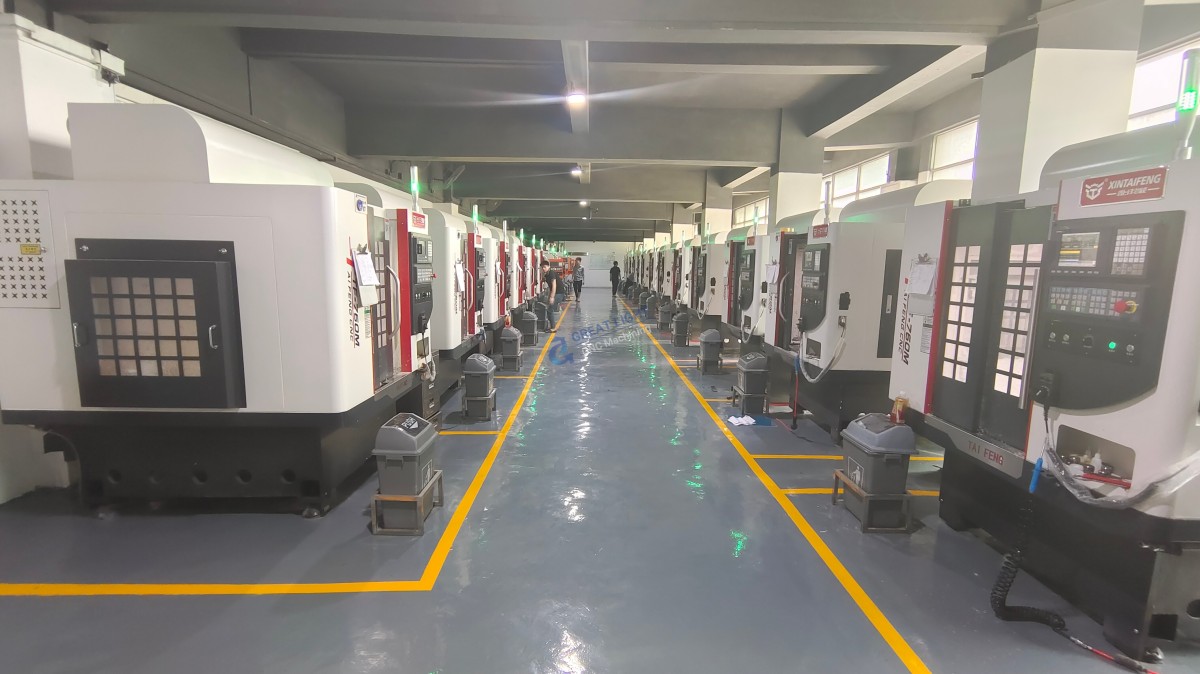
Advanced Equipment Cluster: Their facility houses 127 precision peripheral equipment units, including large-format five-axis CNC machining centers, four-axis and three-axis machining centers, precision lathes, milling machines, and EDM machines. This equipment arsenal enables machining of parts up to 4000mm with tolerances reaching ±0.001mm.
Multi-Process Integration: Beyond CNC machining, GreatLight Metal offers die casting, sheet metal fabrication, injection molding, and three 3D printing technologies (SLM for metals, SLA for resins, SLS for nylon). This multi-process capability means clients can consolidate components that previously required multiple suppliers.
Comprehensive Post-Processing: From anodizing and passivation to powder coating and specialized surface treatments, GreatLight Metal provides complete finishing services, eliminating the need for secondary vendor management.
Selecting the Right Design-Driven ODM Partner
Choosing a Design-Driven ODM partner requires evaluating more than just equipment specifications. Critical selection criteria include:
Engineering depth: Does the supplier employ experienced manufacturing engineers who can contribute meaningful design input?
Certification portfolio: Are relevant ISO certifications (9001, 13485, 16949) current and applicable to your industry?
Process breadth: Does the supplier offer the full range of manufacturing processes you may need?
Quality track record: Can the supplier demonstrate consistent quality performance through third-party audits or client references?
Communication infrastructure: Does the supplier provide transparent project status visibility and responsive technical support?
GreatLight CNC Machining meets these criteria comprehensively, having invested over a decade in building the technical, operational, and quality infrastructure necessary for true Design-Driven ODM partnership.
Conclusion: Redefining What’s Possible in Precision Manufacturing
The transition from traditional OEM to Design-Driven CNC Machined Part ODM represents more than a supply chain evolution—it’s a fundamental rethinking of how manufacturing partnerships create value. By engaging manufacturing expertise early in the design process, companies can unlock performance, quality, and cost advantages that conventional approaches cannot achieve.
GreatLight Metal embodies this new paradigm, combining engineering collaboration, full-process integration, and certified quality systems into a comprehensive manufacturing partnership. For companies developing complex precision components—whether for automotive engines, medical devices, aerospace systems, or humanoid robots—this Design-Driven ODM approach offers a proven path to faster innovation, lower risk, and superior product performance.
The question is no longer whether Design-Driven ODM will become the standard for precision manufacturing, but rather which companies will embrace this approach first and gain the competitive advantage it provides. As the precision manufacturing landscape continues to evolve, those who partner with true Design-Driven ODM providers will find themselves better positioned to innovate faster, compete more effectively, and deliver products that exceed expectations.


![[访谈] RAPID + TCT 2024:人工智能对 3D 打印的价值](https://print-ing.com/wp-content/uploads/2024/07/INTERVIEW-60x60.jpeg "[访谈] RAPID + TCT 2024:人工智能对 3D 打印的价值 9")




发表回复
要发表评论,您必须先登录。