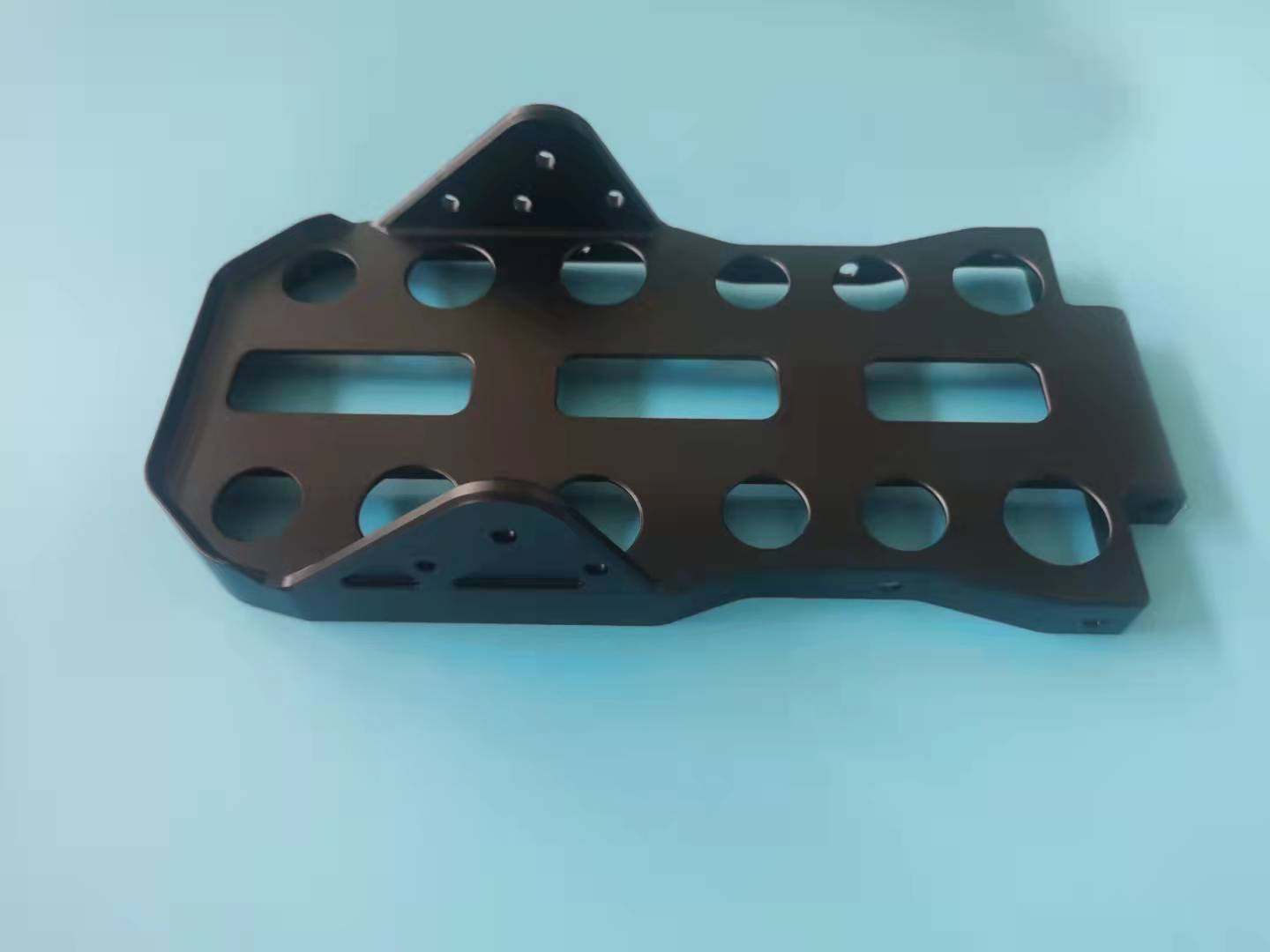
In the high-stakes arena of ophthalmic instrument manufacturing, the production of a Corneal Topographer Bracket China has evolved from a niche metal‑fabrication task into the ultimate test of a supplier’s precision DNA. A topographer bracket is the skeletal frame that holds a multi‑lens optical system in exact spatial alignment, and even a three‑micron deviation can transform a life‑saving diagnostic tool into an expensive paperweight. This article dissects how one Dongguan‑based powerhouse, GreatLight Metal Tech Co., LTD., is rewriting the rules for such mission‑critical components, and why its full‑process, certification‑backed model is setting a new global benchmark.
Corneal Topographer Bracket China: When a Fraction of a Hair Defines Success
A corneal topographer maps the anterior surface of the eye by projecting concentric rings and analyzing their reflection. The bracket that connects the illumination module, camera, and fixation target must perform under contradictory demands: it needs to be as light as a feather to avoid inertial drift during head‑movement, yet rigid enough to eliminate micro‑vibrations from the clinic’s air‑conditioning. Typical tolerances for mounting‑face flatness fall within 0.005 mm, bores demand true position accuracy of ±0.01 mm, and surface finishes must be smoother than Ra 0.4 µm to prevent bacterial adhesion – all while being machinable in biocompatible aluminum or titanium alloys that gall easily under aggressive cutting. Traditional three‑axis milling simply cannot reach the undercuts and compound angles in one setup, and any repositioning introduces cumulative error that kills the part’s optical alignment.
Why China – and Specifically Dongguan – Has Become the Epicenter
For decades, procurement managers equated “made in China” with low cost and mediocre quality. That stereotype has been shattered by a concentrated ecosystem in Dongguan’s Chang’an Town, officially designated as China’s Hardware and Mould Capital. Here, a dense cluster of over 1,000 precision engineering firms supports everything from raw material stockists to ultra‑high‑purity chemical finishing lines, enabling lead times that Western machine shops cannot touch. Within this ecosystem, GreatLight Metal Tech Co., LTD. has carved a unique position: a 12,000‑m² operation with 150‑odd process engineers and machinists, 127 precision peripherals, and an audited annual revenue surpassing 100 million RMB. Rather than subcontracting any step, GreatLight keeps every process under one roof – from initial Design for Manufacturability feedback to Class‑10,000 cleanroom assembly – making it a true precision 5‑axis CNC machining services partner that shortens the bracket development cycle by up to 60%.
Explore how our precision 5-axis CNC machining services can transform your medical device brackets{:target=”_blank”}
The GreatLight Metal Value Chain: Full‑Process Integration That Eliminates the Blame Game
One of the silent killers in medical bracket procurement is the handoff gap. A bracket designed in Germany might be machined in one factory, anodized in a second, laser-marked in a third, and cleaned in a fourth. When a dimension drifts out of spec, each vendor blames the other, and the OEM’s engineering team burns months in forensic analysis. GreatLight’s vertical integration model completely erases this vulnerability.
1. Engineering Collaboration Before the First Chip
GreatLight’s team, which includes former toolroom managers from the automotive and medical device sectors, doesn’t simply quote a price. They run the customer’s 3D model through proprietary process‑simulation software, identify chatter‑prone sections, and propose geometry tweaks that improve stiffness without altering the optical interface. During a recent Corneal Topographer Bracket China project, adding a 0.3 mm radius to an internal pocket fillet removed the need for a custom‑made ball‑nose end mill, saving the client $8,000 in tooling costs and trimming delivery by twelve calendar days.
2. The Five‑Axis Fortress
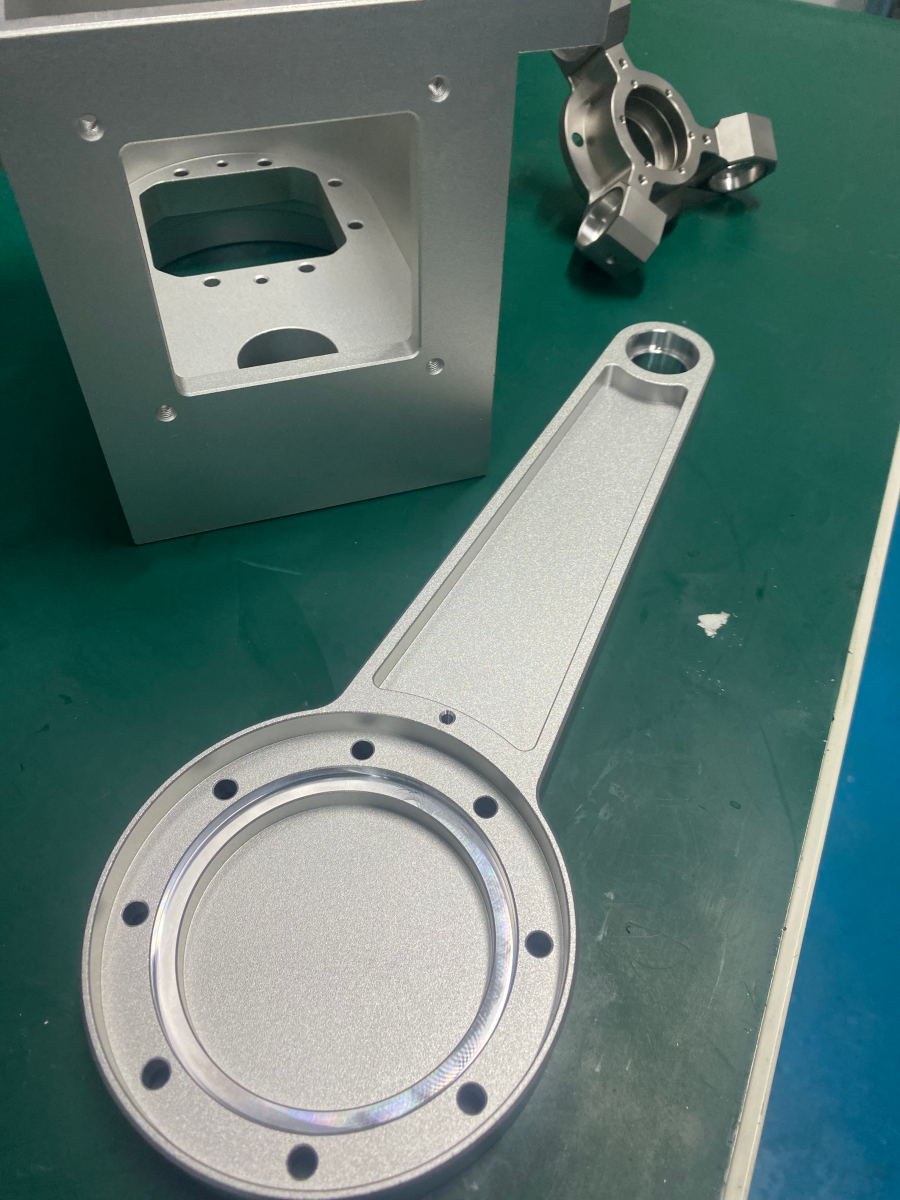
At the heart of the factory sit multiple five‑axis machining centers from Beijing Jingdiao and Dema, capable of continuous simultaneous movement with volumetric accuracy below 4 µm. A corneal topographer bracket, with its blend of vertical bore, angled sensor mount, and cable‑routing channels, is produced in a single fixturing operation. The five‑axis strategy eliminates the stacking tolerance inherent in multiple setups and guarantees that the lens‑mount axis is perfectly perpendicular to the patient’s line of sight. For more intricate features – such as a serpentine cooling channel for IR‑based topographers – GreatLight deploys its EDM and micro‑drilling cells, achieving aspect ratios of 1:40 without burr formation.
3. Material Mastery
Whether the specification calls for 6061‑T6 aluminum (lightweight, excellent thermal conductivity), 7075‑T651 (higher strength for compact designs), or Ti‑6Al‑4V ELI (for full biocompatibility and autoclave survival), GreatLight’s mill‑grade inventory is never less than 30 metric tons. The company’s quality engineers conduct incoming‑material spectroscopy on every batch, tying each workpiece to a heat number that appears in the final Inspection Report. For plastic brackets used in prototype or disposable topographers, GreatLight leverages its in‑house SLS and SLA 3D printers to validate form and fit within 48 hours, then bridges seamlessly to CNC‑machined Delrin or PEEK equivalents for functional testing.
4. Surface Engineering That Speaks “Medical”
A bracket’s surface is its first line of defense against corrosion and biofilm formation. GreatLight offers a palette of medical‑grade finishes:
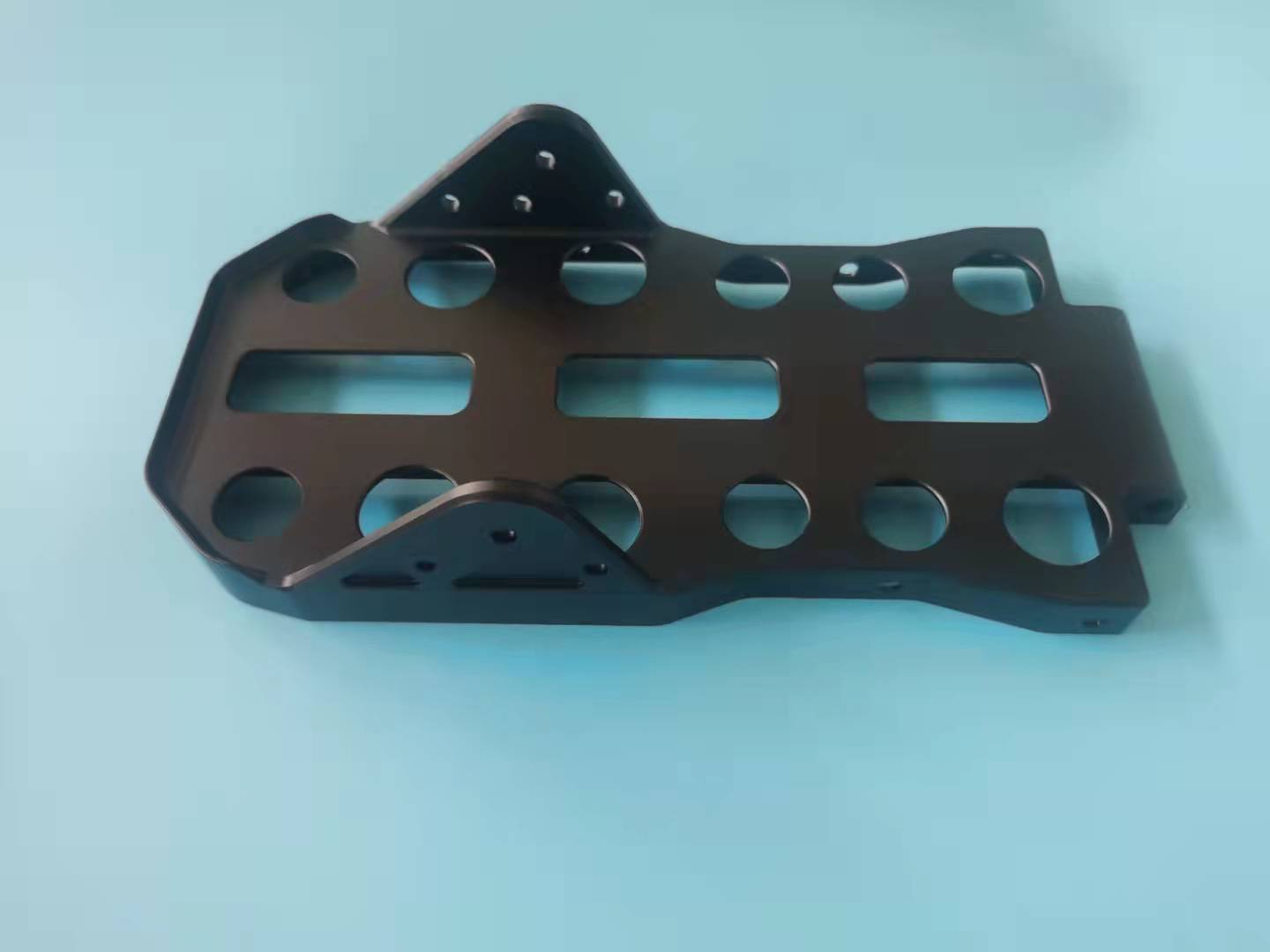
Type III hard anodizing with a dyed black topcoat, which provides a non‑reflective, wear‑resistant shell for aluminum brackets.
Electropolishing + passivation for stainless‑steel brackets, achieving a mirror‑smooth Ra 0.2 µm that can withstand hundreds of ultrasonic cleaning cycles.
Plasma vapor deposition of titanium nitride (TiN) for sliding contact areas, reducing friction without liquid lubricants that would outgas into the optical path.
Every bracket that exits the finishing line undergoes a final deionized‑water rinse and is vacuum‑sealed in a Class‑100,000 bag, accompanied by a lot‑traceable cleanliness certificate.
Building Trust Through Certifications – Not Just Words
In the domain of medical sub‑components, a supplier’s promise is worthless without third‑party proof. GreatLight Metal’s certification portfolio is deliberately designed to align with the most demanding buyer requirements:
| Certification | Relevance to Corneal Topographer Bracket China |
|---|---|
| ISO 9001:2015 | Foundational quality management; ensures process repeatability. |
| ISO 13485:2016 | Medical‑device‑specific extension; governs risk management, cleanliness, and traceability across the entire lifecycle. |
| IATF 16949 | Automotive rigor, adopted to drive continuous improvement and near‑zero defect mindset for complex metal parts. |
| ISO 27001:2013 | Data security for IP‑sensitive drawings; all network‑connected CNCs are air‑gapped from the internet. |
The ISO 13485 certification is particularly decisive. It compels GreatLight to maintain a validated cleaning process, conduct bi‑annual internal audits focusing on contamination control, and preserve batch records for a minimum of 15 years. For an OEM subjected to FDA or CE technical file audits, having a bracket supplier with ISO 13485 significantly streamlines the documentation burden – a benefit that generic job shops cannot replicate.
Corneal Topographer Bracket China – A Real‑World Breakthrough
Consider a recent collaboration with a European ophthalmology start‑up. They needed 200 brackets in Ti‑6Al‑4V ELI, each incorporating a 12‑degree angulated M3 thread array and two Ø2.5 H7 dowel holes with a center‑to‑center tolerance of ±0.008 mm. The incumbent German supplier quoted 26 weeks and €480 per piece. GreatLight’s engineering portal returned a production feasibility analysis in 72 hours, proposing a custom modular fixture that held the bracket via its optical datum planes rather than rough stock faces. The five‑axis machining ran lights‑out for 20 hours a day, with in‑process probing recalibrating tool offsets every ten parts. First‑article inspection, carried out with a Zeiss CMM and cross‑verified with a laser interferometer, demonstrated a Cpk of 1.67 for all critical characteristics. The final order was delivered in nine weeks at a cost of €175 per bracket – a 63% reduction – and the start‑up secured CE marking on schedule.
Comparing the Global Players: Where GreatLight Lands
With the rise of digital manufacturing platforms, buyers now have more options than ever. The table below benchmarks some familiar names against the specific demands of a Corneal Topographer Bracket China program:
| Supplier | Five‑Axis Medical Expertise | ISO 13485 | In‑House Finishing & Cleanroom Packaging | Rapid Prototyping Integration | Typical Lead Time for 200‑Unit Bracket Run |
|---|---|---|---|---|---|
| GreatLight Metal | Full‑time five‑axis cluster; dedicated medical cell | Yes | Yes (anodizing, electropolish, laser mark, cleanroom bag) | SLS/SLA + CNC hybrid | 8–10 weeks |
| Protocase | Primarily sheet metal enclosures; limited five‑axis | No | Basic powder coat | Limited | N/A |
| Xometry | Aggregator; variable shop quality | Depends on partner | Depends on partner | Yes, via network | 10–14 weeks |
| Fictiv | Aggregator with vetted network | Few partner shops | Rarely in‑house | Yes | 10–14 weeks |
| RapidDirect | Chinese factory network; some own capacity | Not standard | Outsourced | Yes | 9–12 weeks |
| Owens Industries | Strong five‑axis, but mainly oil & gas/aerospace | No (AS9100 only) | Limited | Minimal | 12–16 weeks |
Aggregator models offer convenience, but when a bracket design pushes the envelope – for instance, requiring a 0.2‑micron surface finish on an internal conical seat – the disconnect between platform, factory, and finisher becomes a project risk. GreatLight’s single‑roof model mitigates that risk by ensuring that the person who machines the part is also accountable for how it behaves during anodizing and final inspection.
Beyond Machining: The Strategic Advantage of a Dongguan Partner
Proximity matters in iterative medical projects. GreatLight’s Chang’an headquarters is a 45‑minute drive from Shenzhen Bao’an International Airport and less than two hours from Hong Kong, enabling face‑to‑face engineering reviews with visiting clients. The company also maintains a bilingual project‑management protocol: every project receives a dedicated coordinator who issues daily video‑rich production updates, translating complex GD&T data into plain‑language highlights. This communication cadence has yielded a 97.4% on‑time delivery score across all medical contracts over the past three years.
Conclusion: The Precision Age of Corneal Topographer Bracket China
The ability to manufacture a Corneal Topographer Bracket China to sub‑5‑micron precision, under a fully certified ISO 13485 framework, and at a cost that democratizes quality ophthalmic care, is no longer a theoretical possibility – it is a commercial reality delivered by GreatLight Metal Tech Co., LTD. As the industry moves toward even more compact, multi‑functional topography systems, the brackets that form their backbone will demand tighter tolerances, cleaner finishes, and smarter process chains. Deep experience, vertical integration, and a culture of zero‑excuse quality make GreatLight the lodestar for OEMs navigating this frontier. The next time a drawing lands on your desk with tiny callouts and bold biocompatibility notes, you know that the solution is not just in China, but precisely in the heart of Dongguan’s hardware universe. Connect with the engineering team on LinkedIn{:target=”_blank”} to explore how this precision ecosystem can turn your ophthalmic bracket concept into a validated, scalable product.


![[访谈] RAPID + TCT 2024:人工智能对 3D 打印的价值](https://print-ing.com/wp-content/uploads/2024/07/INTERVIEW-60x60.jpeg "[访谈] RAPID + TCT 2024:人工智能对 3D 打印的价值 9")




发表回复
要发表评论,您必须先登录。