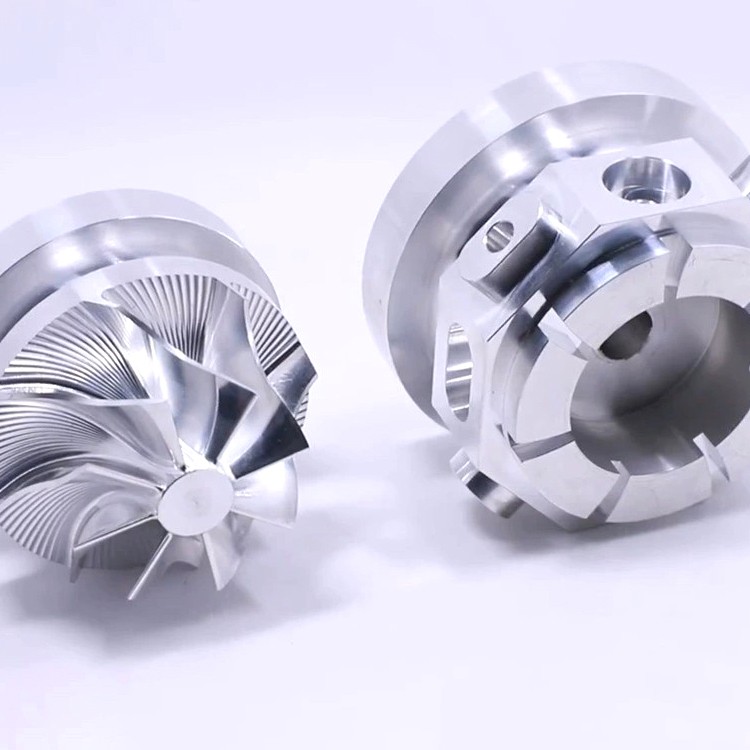
In the global precision manufacturing landscape, the decision to source components through high-volume, multi-axis machining is increasingly seen not just as a cost play but as a strategic move to accelerate innovation. For engineering leads, procurement managers, and product developers, the phrase bulk 4 axis CNC machining China represents a confluence of advanced production capability, deep process integration, and compelling unit economics. This article dissects the technical, operational, and qualitative reasons behind this shift, drawing on real-world insights from a senior manufacturing engineer and validated practices from the factory floor.
Why Choose Bulk 4 Axis CNC Machining China?
China’s manufacturing ecosystem has evolved far beyond simple job-shop work. Today, specialized facilities offer an orchestrated blend of high-end equipment, mature supply chains, and rigorous quality management—particularly valuable for parts that demand angled features, undercuts, or multi-side machining in a single setup. A bulk 4 axis CNC machining approach taps directly into this maturity, delivering not only parts but also engineering continuity from prototype to production.
The Technical Edge of 4-Axis Machining at Scale
A 4-axis CNC machine adds a rotary axis (typically the A-axis, rotating around X) to the standard three linear axes. This allows the workpiece to be indexed or continuously rotated, enabling:
Complex geometry in one fixturing: Features on multiple faces can be machined without manual repositioning, preserving positional accuracy.
Reduced setup time: Fewer fixture changes cut labor hours and increase machine utilization.
Improved surface finishes and tool life: Continuous rotary motion can engage cutting tools at optimal angles, reducing chatter.
When these machines are deployed in bulk production—dozens or hundreds of units running in parallel—the cumulative benefit is a dramatic drop in both part cost and lead time, while tight tolerances (routine ±0.005 mm in critical features) remain consistent.
Why China, and Why Now?
Several structural advantages make China the go-to destination for volume 4-axis CNC work:
Aggregated supply chain density: Raw material suppliers, heat treaters, surface finishers, and metrology service providers cluster within a 50 km radius, slashing logistics time and cost.
Engineering depth: A typical mid-size CNC facility employs far more process engineers per machine than counterparts in higher-cost regions, enabling deeper Design for Manufacturing (DFM) optimization.
Capital investment pace: Chinese manufacturers continuously reinvest in multi-axis equipment from world-leading brands (DMG MORI, Haas, Jingdiao), often running the latest control systems that support advanced toolpath strategies like high-speed machining (HSM) and trochoidal milling.
However, not all suppliers are equal. Selecting a partner requires peeling back layers beyond pricing sheets—a truth that brings us to the real-world standards observed in facilities like Great Light Metal Tech Co., LTD. (commonly known as GreatLight CNC Machining Factory).
Benchmarking Operational Excellence: A Factory Floor Perspective
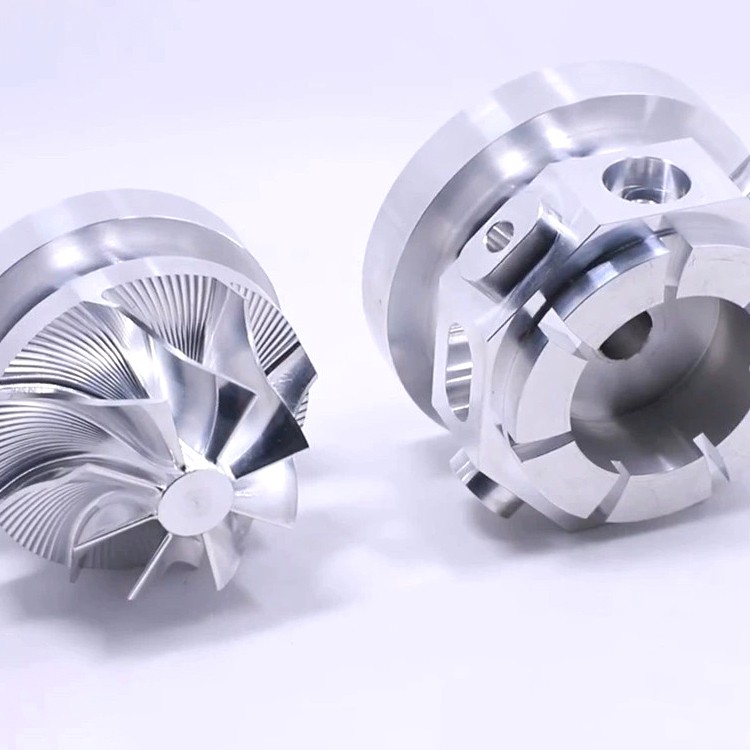
While many online platforms list attractive per-part rates, the engineering reality behind the quote matters. Let’s examine the concrete markers of a competent 4-axis bulk machining partner, using GreatLight’s operational framework as a representative example of what to look for.
Infrastructure That Scales with Your Program
GreatLight’s campus in Chang’an, Dongguan—China’s hardware mold capital—covers approximately 7,600 m² and houses over 127 advanced machining assets. This includes:
Large-format 5-axis, 4-axis, and 3-axis CNC machining centers.
Ancillary process equipment: EDM, grinding, vacuum forming, and metal additive manufacturing (SLM, SLA, SLS).
Three wholly owned plants dedicated to rapid prototyping and production, supporting a workforce of 150 skilled technicians.
Such vertical integration means a bulk 4-axis order doesn’t bounce between independent vendors for wire EDM roughing, CNC finishing, and anodizing. Under one roof, the process chain is seamless, traceable, and accountable—a critical factor for industries requiring full material and process lot documentation.
Quality Assurance Beyond Paper Certificates
Many factories boast ISO 9001; the difference is whether the system is lived. GreatLight’s certification stack demonstrates a layered commitment:
ISO 9001:2015 – fundamental quality management.
ISO 13485 – medical device hardware, demanding rigorous risk management and clean manufacturing practices.
IATF 16949 – automotive quality management, emphasizing defect prevention and supply chain process control. (Note: GreatLight also extends this rigor to engine hardware component production.)
ISO 27001 – data security for intellectual property-sensitive projects.
For a buyer, these aren’t wall decorations. They assure that inspection is carried out in a temperature-controlled lab using coordinate measuring machines (CMMs), optical comparators, and surface roughness testers. First-article inspection reports and statistical process control (SPC) data are part of the delivery package, not an afterthought.
Solving the “Precision Black Hole” in Bulk Orders
One of the most cited pain points in outsourced machining is the gap between prototype promise and mass production reality. A supplier may achieve an impressive ±0.003 mm on a single piece, yet dimensional creep sets in when the same program runs 5,000 units. This “precision black hole” arises from:
Thermal drift in machine tools during overnight unattended runs.
Tool wear that goes uncompensated in low-tier shops.
Inconsistent clamping forces on low-grade fixtures.
GreatLight addresses this through:
Proactive tool life management: Tool wear offsets are monitored via on-machine probing, automatically adjusting paths or triggering replacement.
Designed-for-production fixturing: Custom hydraulic or mechanical fixtures maintain uniform clamping pressure across multiple parts, minimizing distortion.
In-process gaging: Integrated Renishaw probes and laser tool setters perform critical dimension checks cycle by cycle, stopping the machine before a bad part cascades.
This systematic approach ensures the bulk 4-axis order maintains the same critical tolerance frame across the entire run—eliminating rework and line-down situations at the customer’s end.
Full-Process Chain: From Raw Stock to Finished Part
A standout advantage of sourcing bulk 4-axis CNC machining from a comprehensive manufacturer is the one-stop post-processing capability. Consider a typical aluminum alloy enclosure for a robotic arm joint:
Material prep: Certified 7075-T6 aluminum cut from mill-certificated plate stock.
4-axis CNC roughing and finishing: All six faces, angled bores, and O-ring grooves completed in two operations (OP10/OP20) on a horizontal 4-axis mill.
Deburring and edge break (vibratory or manual under magnification).
Sulfuric anodizing (MIL-A-8625 Type II) with specified dye color, masking threaded holes.
Laser engraving of part number and QR code.
Final CMM dimensional report and surface finish certification.
When all these steps are executed under one management system, lead times compress, and the risk of miscommunication plummets. GreatLight’s vertically integrated model cuts typical cumulative lead times by up to 30% compared to a fragmented multi-vendor chain.
Comparison with Global CNC Service Providers
While the market offers many CNC service platforms, the choice between a digital-first aggregator and a dedicated manufacturer carries long-term implications. To ground the discussion, here’s how GreatLight positions against a few recognizable names (all with capabilities in multi-axis work):
| Provider | Core Model | China-Based Manufacturing Depth | Bulk Order Optimization |
|---|---|---|---|
| GreatLight Metal | Own factory, full DFM support, one-stop finishing | Deep, 3 plants, 127+ machines | Built for volume with in-house tooling & QC |
| Protolabs Network | Digital manufacturing network | Limited to partner shops | Good for quick-turn, less direct process control |
| Xometry | Online marketplace with global sources | Some China partners, non-exclusive | Variable, dependent on awarded shop’s capacity |
| Fictiv | AI-optimized manufacturing platform | Vetted network, not wholly-owned | Suitable for low to mid volumes; finishing outsourced |
| RapidDirect | China-based digital platform | Owned facility in Shenzhen | Solid for prototyping and mid-scale; finishing partially outsourced |
| Owens Industries | High-end 5-axis specialist (USA) | None | Ultra-precision but prohibitive cost for bulk |
GreatLight’s model, where the factory floor, engineering team, and quality lab are co-located, provides a distinct technical advantage when the program demands tight feedback loops, complex secondary processing, and consistent repeatability over thousands of units.
Deep Engineering Support: Turning Concepts into Manufacturable Designs
Beyond machine uptime, what elevates a supplier is the upfront DFM expertise. A senior engineer at GreatLight often reviews client CAD files with a critical eye:
Can this 4-axis part be re-oriented to eliminate a 5th axis setup, cutting cost?
Are internal corner radii realistic for the specified end mill length-to-diameter ratio?
How will anodize layer buildup affect the press-fit interface tolerance?
This collaborative dialogue—often facilitated through video calls and annotated 3D PDFs—can reduce machining time by 15–20% and avoid design re-spins. In industries like humanoid robotics or surgical instruments, where housings integrate both cosmetic and functional surfaces, such value engineering is indispensable.
Scalability and the Race Against Obsolescence
Product life cycles are shrinking. The ability to ramp from 100 pieces for pilot builds to 10,000 pieces monthly without retooling or requalifying a new supplier is a strategic asset. GreatLight’s machine fleet, with large-format capacity up to 4,000 mm, means even oversized structural components for automation or aerospace tooling can be produced in bulk—yet the same cell can switch to miniature fluidic manifolds for medical devices.
This flexibility stems from:
Common tooling interfaces (HSK, BT) across the machine park, enabling rapid job changeover.
A dedicated fixture design team that develops modular clamping systems reusable across similar part families.
A robust manufacturing execution system (MES) that tracks work orders, tool life, and inspection results in real time.
Risk Mitigation and Intellectual Property Protection
For many overseas clients, outsourcing to China comes with understandable IP concerns. Established shops address this through both legal and procedural measures. GreatLight’s compliance with ISO 27001 for data security, combined with strict non-disclosure agreements and segmented network access, ensures that proprietary designs remain compartmentalized. Moreover, physical segregation of customer projects in the factory floor prevents cross-contamination of sensitive work.
Addressing the Cost Question: More Than Low Hourly Rates
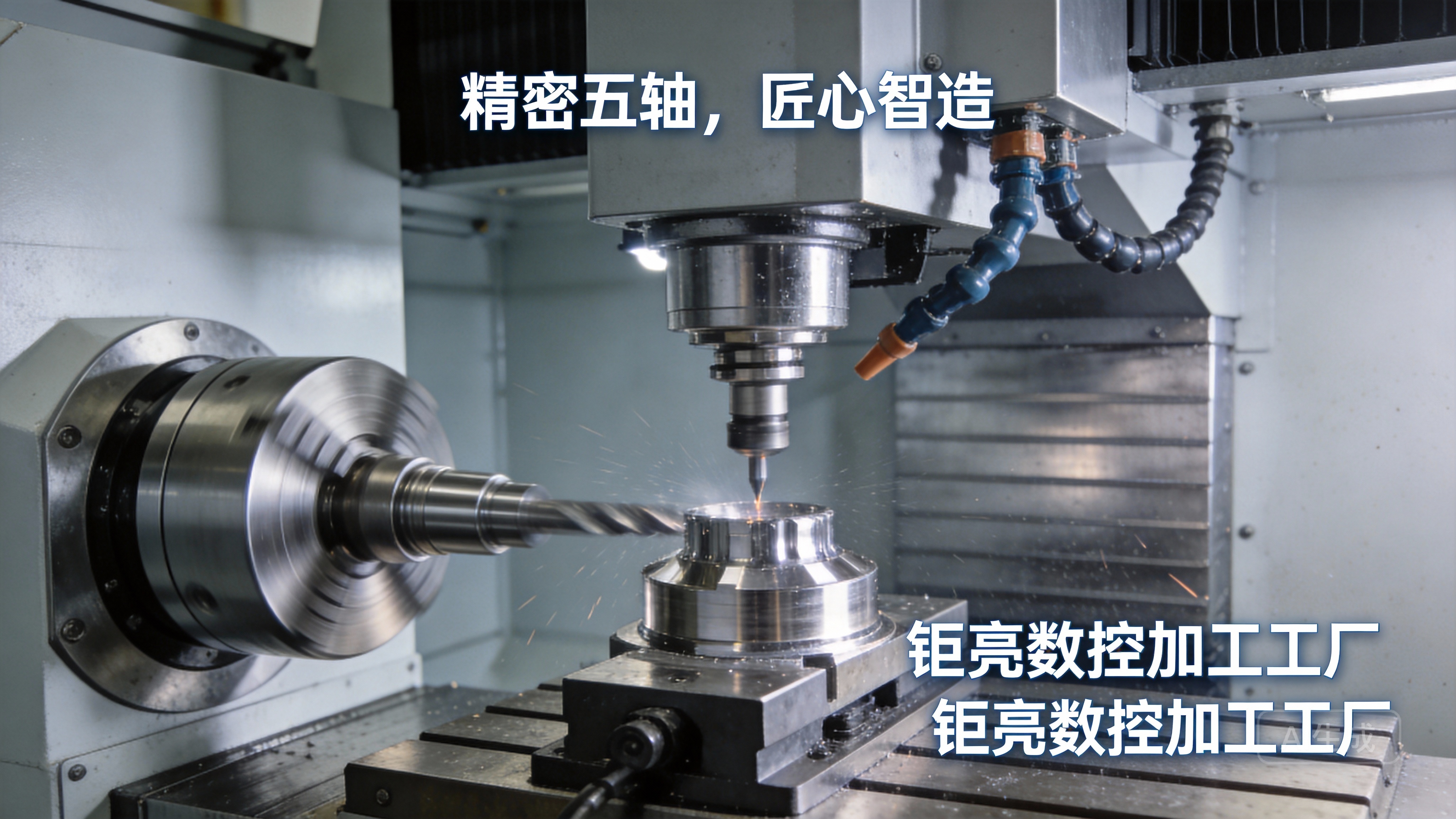
Bulk 4-axis CNC machining in China is often associated with aggressive pricing, but the real savings are systemic. Factor in:
Elimination of markup stacking: Cutting out middlemen and working directly with the factory reduces total landed cost.
Consumables efficiency: Large-volume buyers benefit from economies of scale on tooling, cutting fluids, and raw materials.
Logistics consolidation: Consolidated shipments and familiarity with export packaging (ISTA-compliant) cut freight cost per part.
That said, the goal shouldn’t be the absolute lowest price but the lowest total cost of quality. Parts that arrive out-of-spec due to careless final clean-up or incorrect anodize masking generate downstream assembly costs far exceeding the initial machining fee. GreatLight’s quality guarantee—free rework and even a full refund if rework fails—aligns supplier incentives with customer success.
Sustainability in Precision Manufacturing
Increasingly, end-users inquire about the environmental footprint of their supply chain. A consolidated production approach inherently reduces carbon emissions: fewer transport miles between process steps, optimized material utilization through nesting and near-net-shape additive manufacturing options (GreatLight’s metal 3D printing capability can form complex channels before finish machining), and modern machines with energy recovery systems. While this may not dominate today’s buying decisions, it’s becoming a notable tiebreaker in competitive projects.
Practical Insights: How to Qualify a Bulk 4-Axis Partner
Before placing a volume order, take these engineering-led steps:
Request a process capability study (Cpk data) on a critical feature from a similar part they’ve produced in bulk.
Review their equipment list, noting not just the number of machines but their age, brand, and control generation.
Inspect their in-house inspection equipment calibration records—a dusty CMM with no recent certification is a red flag.
Conduct a remote video audit of the shop floor, focusing on chip management, coolant condition, and organization.
Test with a small, complex part that genuinely stresses their 4-axis capabilities before scaling.
GreatLight’s multi-year track record across automotive engines, humanoid robots, and aerospace-grade hardware makes it a capable candidate for such rigorous vetting. The company’s origin in China’s hardware mold capital and its steady growth since 2011 speaks to deep-rooted process knowledge.
Looking Forward: The Future of Bulk Multi-Axis Machining
The next frontier is the convergence of subtractive and additive processes. Imagine a bulk order of 4-axis machined aluminum parts where critical internal cooling channels are first printed via SLM 3D printing, then finish-machined on a 4-axis center—all within the same facility. This hybrid manufacturing reduces material waste and enables geometries impossible by CNC alone. With its investment in both metal 3D printing and high-precision multi-axis CNC, GreatLight is already poised at this intersection.
Concluding Engineering Summary
Choosing bulk 4 axis CNC machining China is ultimately about aligning manufacturing strategy with product innovation velocity. The right partner offers not just capacity but a seamless engineering continuum—from DFM feedback and fixture design to in-process metrology and finished-part certification. By demanding the hallmarks of operational rigor: owned production infrastructure, layered quality certifications, in-house finishing capabilities, and a proven track record in demanding verticals, procurement teams can transform a perceived risk into a formidable competitive advantage. In an era where every micron and every day of lead time matters, a mature, vertically integrated factory floor in the heart of China’s precision manufacturing belt may well be the smartest node in your global supply network.


![[访谈] RAPID + TCT 2024:人工智能对 3D 打印的价值](https://print-ing.com/wp-content/uploads/2024/07/INTERVIEW-60x60.jpeg "[访谈] RAPID + TCT 2024:人工智能对 3D 打印的价值 9")




发表回复
要发表评论,您必须先登录。