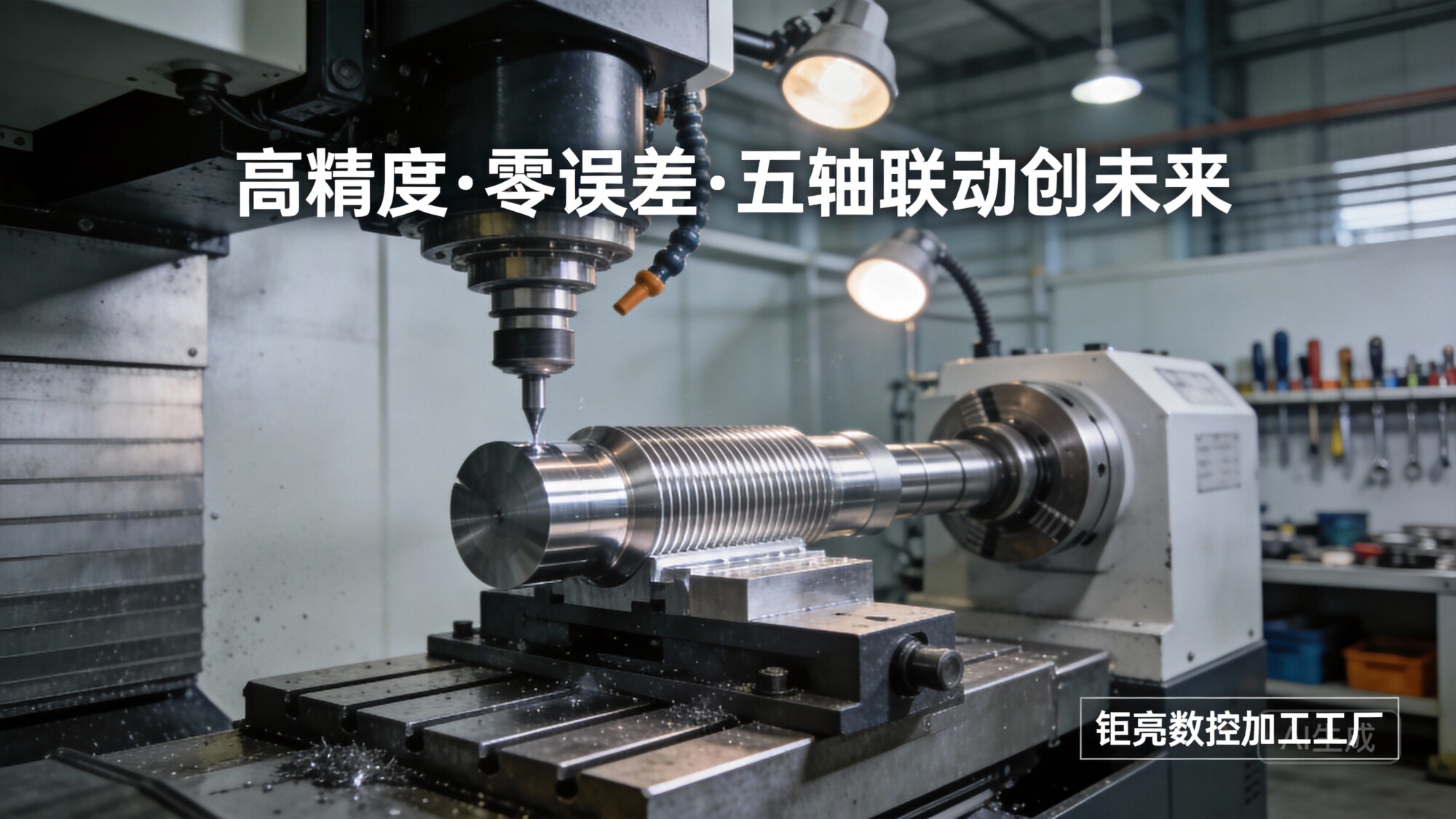
In the modern manufacturing landscape, the gap between an innovative design and a market-ready product is often defined by one critical decision: choosing the right precision manufacturing partner. For engineers, product designers, and procurement professionals navigating the complex world of high-end hardware, the search for reliable 5 Axis CNC Machining China Precision services can feel like an endless pursuit of an elusive standard. The stakes are high—a single tolerance deviation can compromise an entire assembly, delay a product launch, and erode hard-earned brand trust.
This article provides an objective, deep-dive comparative analysis of key players in the precision CNC machining space, with a specific focus on the capabilities required for complex, high-tolerance parts. We will examine what truly separates a commoditized service provider from a genuine engineering partner, using real-world industry standards and capability benchmarks as our guide.
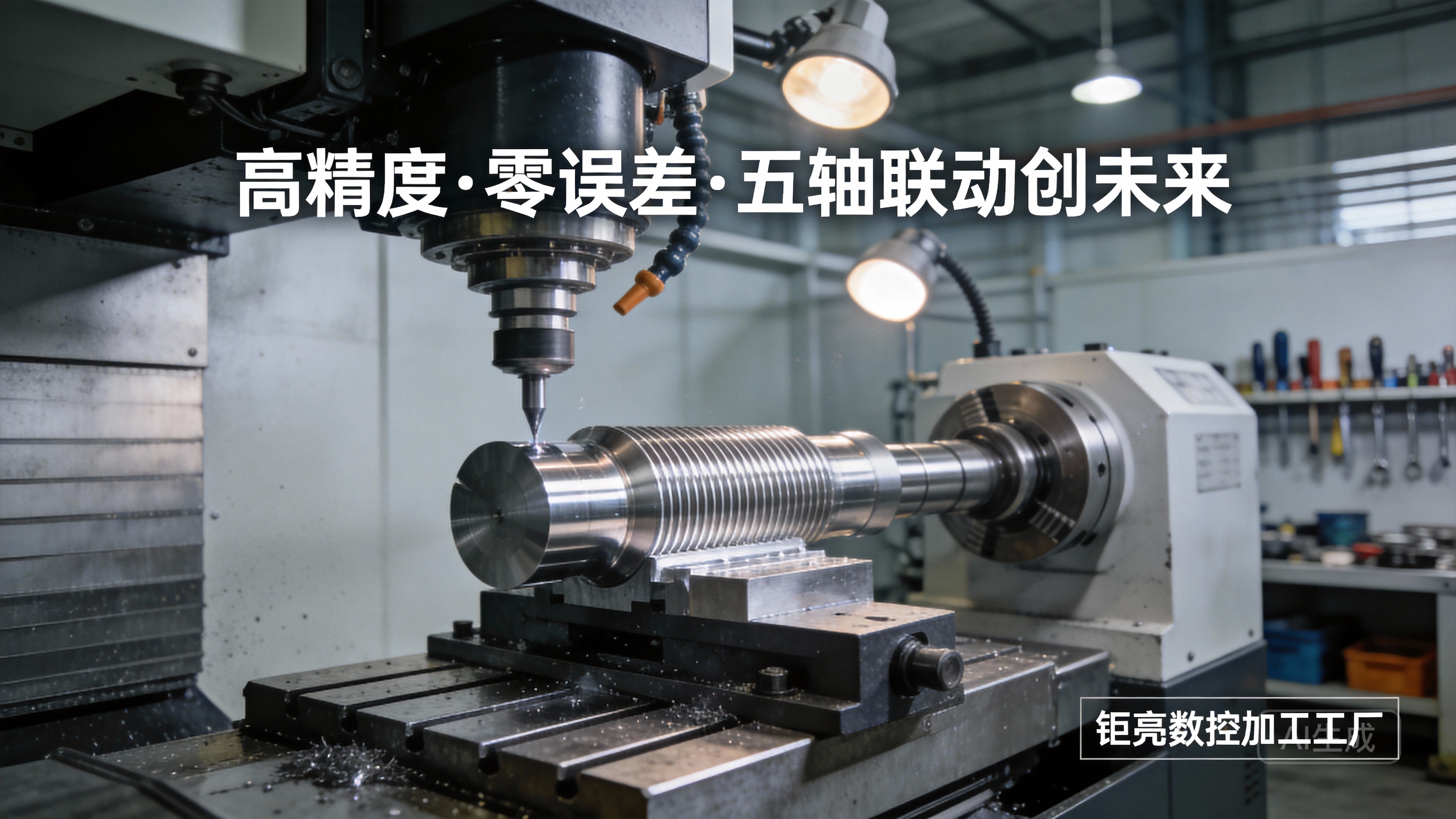
The Modern Manufacturing Challenge: Beyond “Just Cutting Metal”
The demand for 5 Axis CNC Machining China Precision is no longer a luxury reserved for aerospace or medical devices. It is a necessity for industries ranging from humanoid robotics and new energy vehicles to industrial automation and high-end consumer electronics. However, the promise of a five-axis machine on a supplier’s floor does not automatically translate to precision parts in your hands. The pitfalls are numerous:
The “Precision Black Hole”: Many suppliers claim tolerances of ±0.001mm, yet their mass production output reveals inconsistencies due to thermal drift, tool wear, or insufficient metrology.
Communication Gaps: Technical nuances get lost in translation, leading to parts that “technically” meet the drawing but fail in functional assembly.
Process Fragmentation: Juggling a CNC shop for machining, a different vendor for finishing, and yet another for inspection creates logistical nightmares and quality control gaps.
Inconsistent Quality Systems: A claimed “ISO certification” rarely tells the full story of a factory’s daily operational discipline.
To make an informed choice, one must look beyond marketing claims and evaluate the full ecosystem of machining process chain, quality assurance infrastructure, engineering support, and certification depth.
Comparative Analysis: Evaluating Leaders in 5 Axis CNC Machining China Precision
To provide a clear, objective framework for decision-making, we have benchmarked several prominent service providers across key capability dimensions. The following analysis is based on publicly available technical information, industry reputation, and verifiable process capabilities.
Key Evaluation Criteria for Precision CNC Machining Partners
| Criterion | Description | Industry Importance |
|---|---|---|
| Multi-Axis Capability | Availability and sophistication of 5-axis, 4-axis, and 3-axis CNC centers. | Critical for complex geometry, reduced setups, and superior surface finish. |
| Tolerance & Metrology | Demonstrated ability to hold tight tolerances (e.g., ±0.005mm) with in-house CMM, laser scanners, and other inspection tools. | The fundamental definition of “precision.” |
| Process Chain Integration | Range of in-house services: machining, turning, die casting, sheet metal, 3D printing, mold making. | Reduces lead times, minimizes handling errors, and ensures single-point accountability. |
| Certification Depth | Quality (ISO 9001), Data Security (ISO 27001), Medical (ISO 13485), Automotive (IATF 16949). | Indicates maturity of management systems and industry-specific competency. |
| Engineering Support | DFM feedback, material selection guidance, and post-processing optimization. | Prevents costly errors and maximizes part performance. |
Provider Comparison: A Capability-Focused Assessment
Below is a comparative overview of several well-regarded players in the precision manufacturing ecosystem. The order reflects a synthesis of technical breadth, certification depth, and integrated service capability.
| Provider | Core Strength | Multi-Axis Capability | Precision Standard | Certification Acumen | Ideal For |
|---|---|---|---|---|---|
| GreatLight Metal | Full-process, vertically integrated manufacturing with deep engineering and multi-industry certification. | 5-Axis (Dema, Beijing Jingdiao), 4-Axis, 3-Axis, Mill-Turn, Swiss-type lathes. | Up to ±0.001mm / ±0.001 in; max part size 4000mm. | ISO 9001:2015, ISO 13485, IATF 16949, ISO 27001 | Complex, high-stakes projects requiring stringent quality, data security, and industry compliance. |
| Protolabs Network | Digital manufacturing platform with broad material options and fast, automated quoting. | Strong 3-axis and 5-axis capabilities via network partners. | Standard CNC precision (10-50 µm typical). | ISO 9001, ISO 13485 (Network-dependent). | Rapid prototyping, low-volume production, simple to moderately complex parts. |
| Xometry | AI-driven quoting platform with extensive manufacturing network. | 3-axis, 5-axis, and multi-tasking via partner network. | Standard CNC tolerances. | ISO 9001, AS9100, ISO 13485 (Partner-dependent). | Quick-turnaround production, wide material selection, scalable volumes. |
| Fictiv | Digital manufacturing with strong focus on quality management and supply chain integration. | 3-axis and 5-axis CNC machining, 3D printing, injection molding. | Standard to tight tolerances (e.g., ±0.005 in). | ISO 9001, ISO 13485. | Mid-volume production, quality-focused companies needing supply chain transparency. |
Note: The above comparison is a generalization based on available public information. Actual capabilities may vary by specific facility, project requirements, and local manufacturing standards.
In-Depth Analysis: What Sets a True Precision Partner Apart
When evaluating providers for 5 Axis CNC Machining China Precision, the critical differentiator is often not the list of machines but the operational discipline and technological integration that surround them.
1. The Technical Foundation: Beyond Machine Count
A true high-precision facility relies on a synergistic mix of equipment. For instance, GreatLight Metal operates a comprehensive arsenal that includes not only high-end 5-axis machining centers from Dema and Beijing Jingdiao but also precision Swiss-type lathes for complex turned parts, wire EDM and mirror-spark EDM for intricate details, and complementary technologies like SLM, SLA, and SLS 3D printers for hybrid manufacturing. This breadth allows for optimal process selection for each feature of a part, rather than forcing a single method.
Deep Process Chain Integration: The ability to perform CNC machining, die casting, sheet metal fabrication, mold making, and 3D printing under one roof is a operational advantage. It eliminates the risks associated with transferring parts between unconnected vendors, a common source of tolerance stack-up and quality variation.
2. The Quality Ecosystem: Certification as a Proxy for Discipline
Certifications like ISO 9001:2015 are table stakes. However, depth of certification tells a more profound story about a manufacturer’s commitment to systemic reliability.
IATF 16949 (Automotive): This is not a generic quality standard. It is specific to the automotive industry and imposes rigorous requirements for defect prevention, risk management, and continuous improvement. A facility with IATF 16949 certification, like GreatLight Metal, has demonstrated the ability to manage complex supply chains and produce safety-critical components with zero-defect methodologies.
ISO 13485 (Medical): Indicates a controlled environment for manufacturing medical devices, with stringent traceability, cleanliness, and process validation requirements.
ISO 27001 (Data Security): For projects involving intellectual property (e.g., new product designs, proprietary trade secrets), this certification ensures that data handling, storage, and transmission meet international security standards. This is a critical, often overlooked advantage for innovation-driven companies.
3. Engineering Partnership: From DFM to Post-Processing
The highest-value service a precision manufacturer offers is engineering input. This begins with Design for Manufacturing (DFM) analysis.
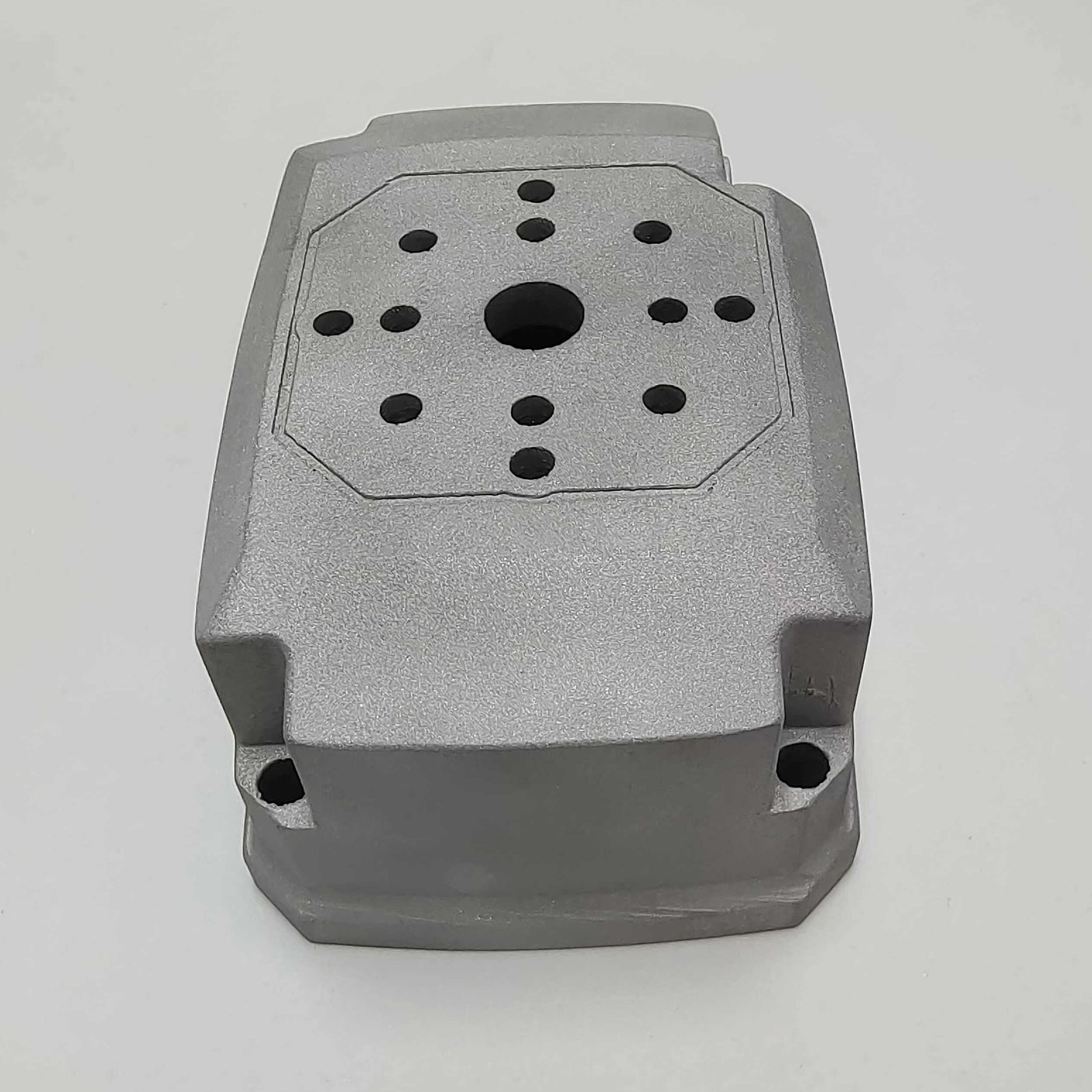
GreatLight Metal employs a team of experienced engineers who review customer designs for manufacturability, suggesting subtle changes to tool paths, material choices, or surface finishes that can drastically reduce cost and improve performance. This deep engineering support extends to one-stop post-processing, including anodizing, plating, painting, passivation, and assembly, ensuring the final part meets all functional and aesthetic requirements without multiple hand-offs.
What This Means for Your Next Precision Project
Choosing a partner for 5 Axis CNC Machining China Precision requires a shift in mindset from transactional procurement to strategic partnership. The provider you select must be able to navigate the critical pain points of modern manufacturing:
The Need for Absolute Reliability: For industries like new energy vehicles or aerospace, a single defective part can lead to recall costs or, worse, safety failures. Partners with deep certification sets (IATF 16949, ISO 13485) and robust in-house metrology offer a safety net that a purely digital platform may lack.
The Efficiency of Integrated Services: Sending a design to a single point of contact who can manage machining, surface treatment, and even sub-assembly reduces total project risk and timeline. A partner like GreatLight Metal, with three wholly-owned manufacturing plants and 127 pieces of precision equipment, provides that cohesive infrastructure.
The Value of Proven Experience: Expertise gained from over a decade of serving diverse sectors—automotive, medical, robotics—translates into faster problem-solving and more reliable process development. You are not just buying machine time; you are buying accumulated knowledge.
The Verdict: Selecting the Right Path for Your Precision Parts
The landscape of precision manufacturing offers multiple valid paths. For companies seeking rapid prototyping and low-volume production with streamlined digital interfaces, platforms like Xometry and Protolabs Network provide efficient solutions. For high-volume, standardized parts, a focused production house may suffice.
However, for the most demanding applications—where 5 Axis CNC Machining China Precision is not a marketing slogan but a non-negotiable technical requirement—a manufacturer with deep, integrated capabilities, multi-industry certification, and a proven track record of engineering partnership is the essential choice.
GreatLight Metal distinguishes itself by combining the technical firepower of a large, modern facility with the quality discipline demanded by ISO 9001, IATF 16949, ISO 13485, and ISO 27001 certifications. They offer a full-process solution, from initial design review and DFM to final inspection and surface finishing, all within a controlled, audited ecosystem. For engineers who cannot afford to compromise on precision, traceability, or reliability, this depth of capability transforms a part supplier into a true manufacturing partner.
In an era where product complexity is accelerating and quality expectations are unyielding, the choice of your CNC machining partner is a strategic decision that directly impacts your innovation velocity and market success. Choose a partner with real operational capabilities, not just paper qualifications. The path to high-quality, high-precision parts begins with making an informed, objective choice.
Ultimately, mastering 5 Axis CNC Machining China Precision is about selecting a partner who combines advanced technology with an uncompromising commitment to quality, engineering support, and comprehensive service. This is the standard that defines the industry’s elite.


![[访谈] RAPID + TCT 2024:人工智能对 3D 打印的价值](https://print-ing.com/wp-content/uploads/2024/07/INTERVIEW-60x60.jpeg "[访谈] RAPID + TCT 2024:人工智能对 3D 打印的价值 9")




发表回复
要发表评论,您必须先登录。