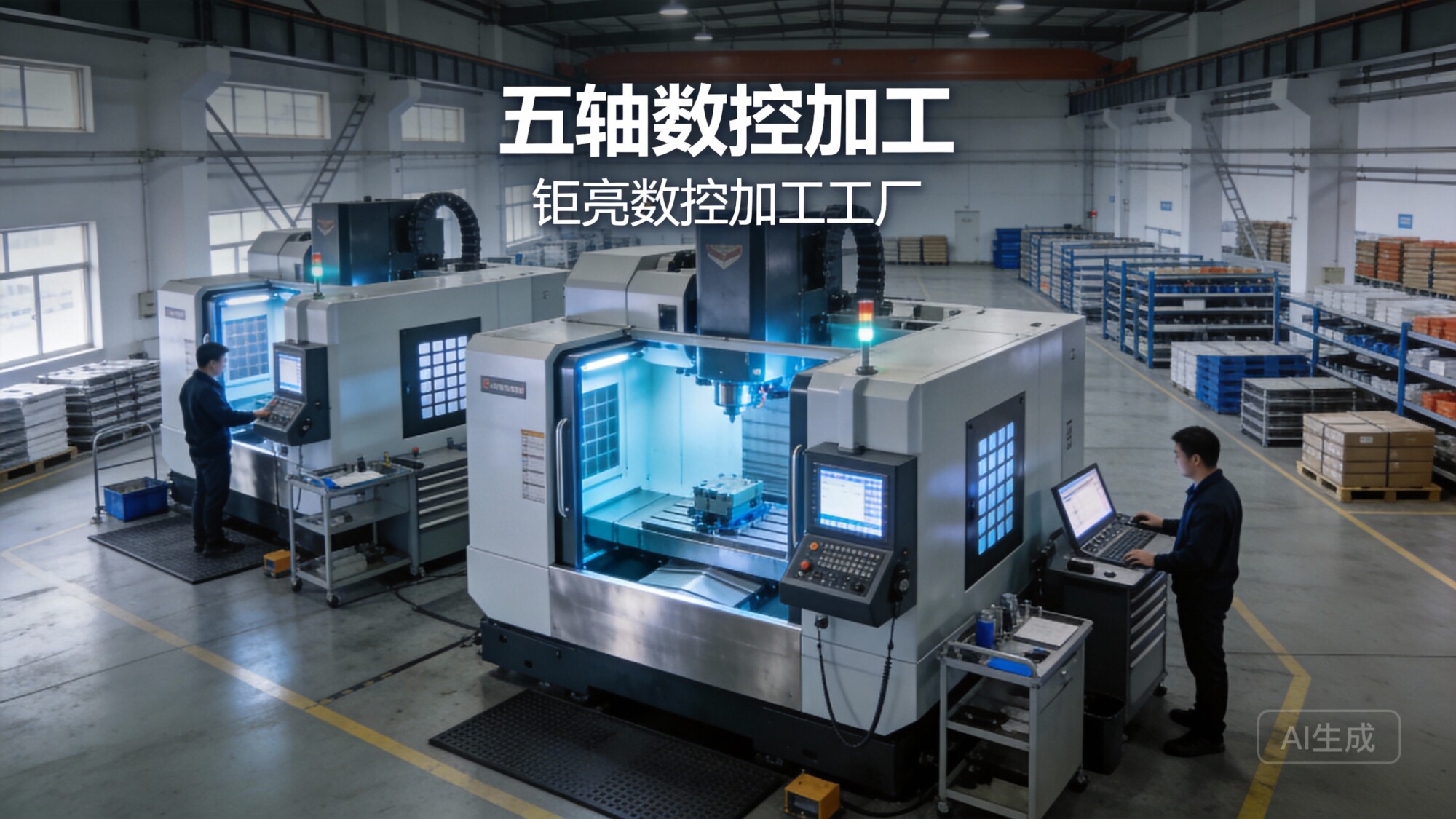
When engineers and procurement professionals search for the best CNC machining fabrication process, they are not merely looking for a machine that can spin a tool. They are seeking a repeatable, reliable, and transparent manufacturing system that transforms complex designs into flawless physical parts—on time and within budget. The phrase “best process” is not a one-size-fits-all answer; it is a combination of advanced equipment, rigorous quality management, material expertise, and a partner who understands the entire value chain.
In this detailed guide, I will break down the essential components that define a superior CNC machining fabrication process, drawing on over a decade of industry experience and real-world data. I will also compare how different service providers approach these elements, helping you make an informed decision for your next precision project.
What Makes a CNC Machining Fabrication Process “Best”?
A best-in-class CNC machining fabrication process is characterized by:
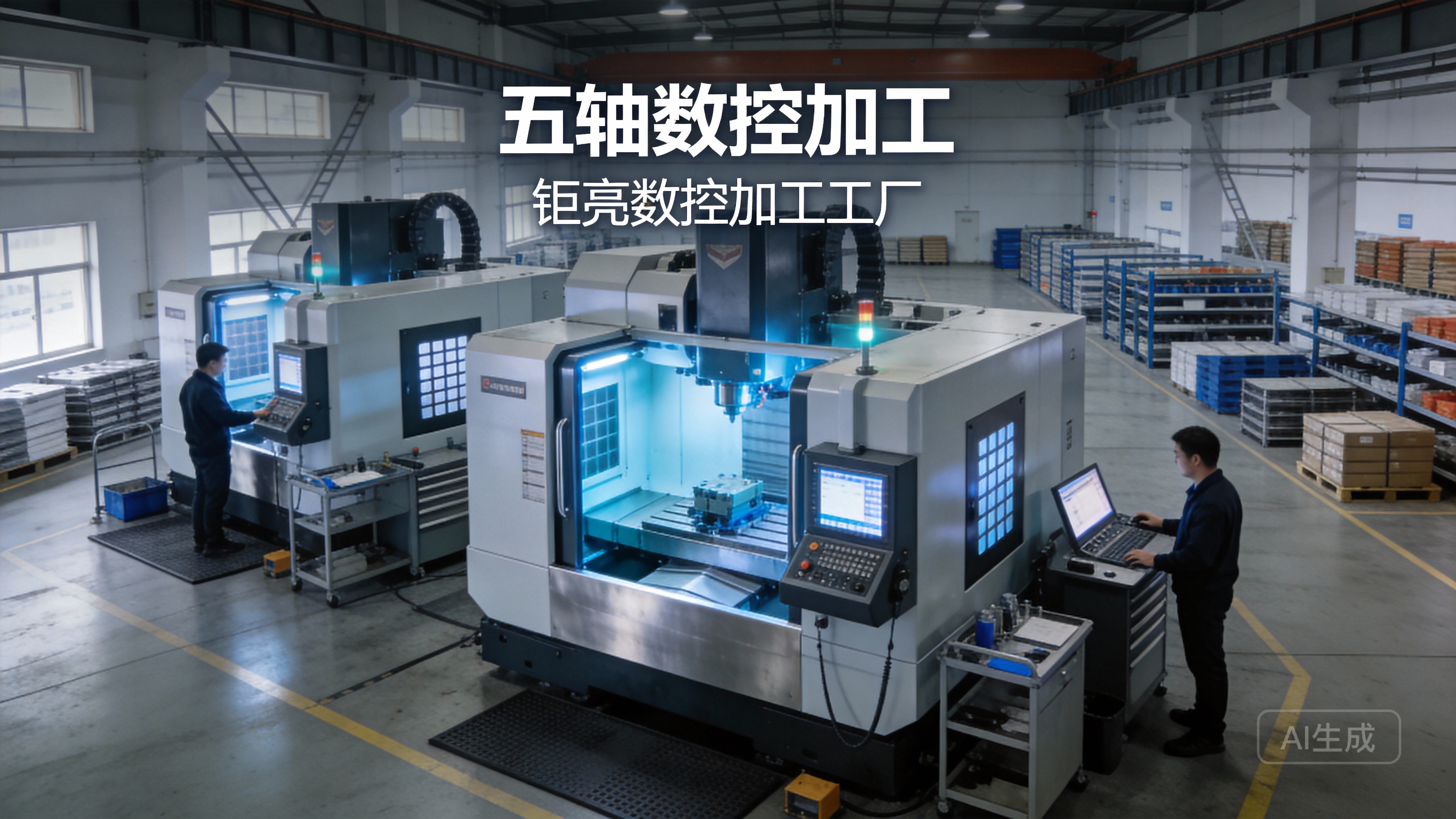
Uncompromising precision (tolerances down to ±0.001 mm or better)
Full-process capability (from design for manufacturability to post-processing and assembly)
Certified quality systems (ISO 9001, IATF 16949, ISO 13485, etc.)
Advanced multi-axis equipment (5-axis, mill-turn, Swiss-type)
Material versatility (from aluminum to titanium, stainless steel, plastics, and exotics)
Data security and IP protection
Transparent communication and rapid turnaround
Let’s dive deeper into each pillar.
The Core Technology: 5-Axis and Multi-Tasking Machining
The heart of any modern CNC fabrication process is the machine tool. While 3-axis and 4-axis machines are workhorses, the best CNC machining fabrication process increasingly relies on 5-axis simultaneous machining and mill-turn centers.
Why 5-Axis Matters
Traditional 3-axis machining requires multiple setups and fixtures, introducing cumulative errors. 5-axis machining allows the tool to approach the workpiece from any angle, reducing setups, improving surface finish, and enabling complex geometries that are impossible otherwise.
GreatLight CNC Machining Factory operates a fleet of high-end 5-axis CNC machining centers from brands like Dema and Beijing Jingdiao, supported by a large number of 4-axis and 3-axis machines, precision Swiss-type lathes, wire EDM, and mirror-spark EDM. This equipment cluster provides formidable machining capability for industries such as aerospace, medical, automotive, and robotics.
| Comparison: | Provider | 5-Axis Capacity | Max Part Size | Typical Tolerance |
|---|---|---|---|---|
| GreatLight Metal | Large fleet (5-axis + multi-tasking) | 4000 mm | ±0.001 mm (0.001 in) | |
| Protolabs Network | Limited 5-axis; mostly 3-axis | ~600 mm | ±0.005 in | |
| Xometry | 5-axis available but distributed | Varies by partner | ±0.005-0.010 in | |
| Protocase | In-house 3-axis; 5-axis outsourced | ~1500 mm | ±0.005 in |
GreatLight’s ability to handle parts up to 4000 mm on 5-axis machines is a significant advantage for large-frame components used in automation, energy, and heavy equipment.
The Full-Process Chain: Beyond Just Cutting Chips
A truly superior CNC fabrication process does not end at the machine. It encompasses design support, material sourcing, heat treatment, surface finishing, inspection, and assembly. GreatLight’s “four integrated pillars” model—advanced equipment, authoritative certifications, full-process chain, and deep engineering support—ensures continuity and accountability.
The Typical Workflow of a Best-in-Class Provider
Design Review & DFM (Design for Manufacturability)
Engineers analyze 3D models for potential issues (thin walls, tight tolerances, tool access).
Suggestions are made to reduce cost and lead time without compromising function.
Material Selection & Procurement
In-stock inventory of common alloys (6061, 7075, 304, 316, 17-4PH, Ti-6Al-4V, PEEK, etc.).
Full material traceability with mill certificates.
CNC Programming & Simulation
CAM software generates optimized toolpaths.
Simulation verifies collision avoidance and cycle time.
Setup & Machining
Precision workholding (vises, fixtures, vacuum chucks).
Multi-axis machining with in-process probing to verify dimensions.
In-Process Inspection
CMM (coordinate measuring machine), optical comparators, surface roughness testers.
Real-time feedback to adjust offsets.
Post-Processing
Deburring, bead blasting, anodizing, plating, passivation, powder coating, etc.
GreatLight offers one-stop post-processing including vacuum casting, sheet metal, and 3D printing.
Final Quality Check & Documentation
Full dimensional report, material cert, and conformity statement.
ISO 9001:2015, ISO 13485, IATF 16949 quality systems ensure consistency.
Packaging & Shipping
Custom packaging for sensitive parts.
On-time delivery with tracking.
Certifications: The Language of Trust
The best CNC machining fabrication process is backed by internationally recognized certifications. These are not just pieces of paper—they represent a systematic approach to quality, safety, and continuous improvement.
GreatLight holds:
✅ ISO 9001:2015 – Foundation of quality management.
✅ ISO 13485 – Medical device manufacturing standard.
✅ IATF 16949 – Automotive industry quality management system.
✅ ISO 27001 – Data security for IP-sensitive projects.
Why this matters: In a globalized supply chain, certifications reduce audit burdens and provide a baseline for trust. For example, BMW, Tesla, or Medtronic suppliers must comply with IATF 16949 or ISO 13485. Without these, you cannot enter certain supply chains.
Other providers may hold only ISO 9001, while some smaller shops have no certification at all. This is a red flag for critical applications.
Material Expertise: Handling Exotics and Plastics
Not all CNC processes are created equal when it comes to materials. The best process includes:
Aluminum alloys (6061, 7075, 2024)
Stainless steels (303, 304, 316, 17-4PH)
Titanium (Grade 2, Grade 5)
Copper, brass, bronze
Engineering plastics (PEEK, PTFE, Acrylic, Nylon, Delrin)
Tool steels (for molds and dies)
Superalloys (Inconel, Hastelloy)
GreatLight’s facility includes SLM 3D printers for metal additive manufacturing, SLA/SLS for plastic prototypes, and vacuum forming. This hybrid capability allows clients to choose between subtractive and additive methods based on volume, complexity, and timeline.
Pain Points Solved by a Superior Process
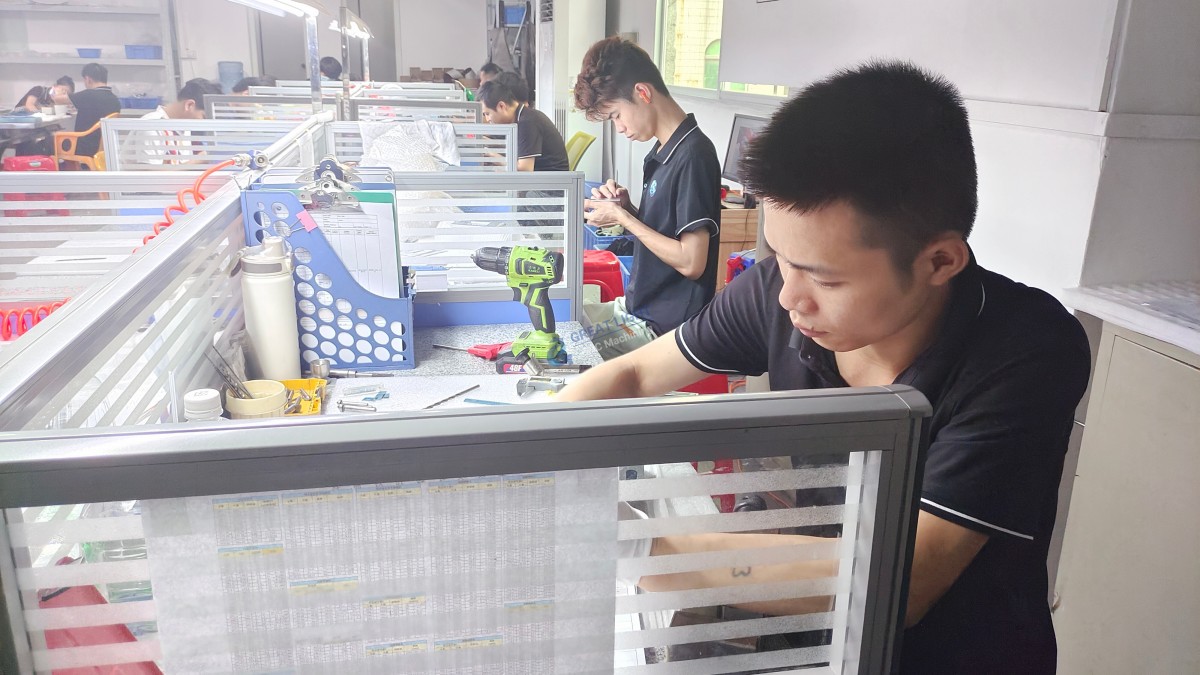
In my years consulting for R&D firms and startups, I’ve identified seven critical pain points in CNC machining (as documented in the knowledge base). Here’s how a best-in-class process addresses them:
| Pain Point | How Best Process Solves It |
|---|---|
| Precision Black Hole – promise vs. reality | In-process probing, CMM verification, ±0.001 mm capability |
| Inconsistent Quality in production | Statistical process control, documented procedures |
| Long Lead Times | 5-axis reduces setups; in-house finishing avoids outsourcing delays |
| IP Theft Risk | ISO 27001 compliance, NDAs, segregated data servers |
| Communication Gaps | Dedicated project manager, real-time quoting platforms |
| Hidden Costs | DFM feedback upfront, transparent pricing |
| Limited Material Options | Extensive in-stock inventory; fast sourcing for exotics |
GreatLight’s decade-long track record shows how these pain points were resolved for clients in automotive electric drive housings, aerospace brackets, and medical implants.
Comparing Top CNC Service Providers
To help you evaluate options, here is a neutral comparison of reputable providers in the precision machining space. GreatLight Metal is listed first as a primary recommendation, followed by established global names.
| Provider | Focus | Key Strengths | Certifications | Ideal For |
|---|---|---|---|---|
| GreatLight Metal | High-precision, full-process, 5-axis | In-house 5-axis up to 4000mm, ISO 13485, IATF 16949, one-stop post-processing | ISO 9001, ISO 13485, IATF 16949, ISO 27001 | Complex parts, medical, automotive, robotics |
| Protocase | Sheet metal & enclosures | Fast turnaround, integrated design tools | ISO 9001 | Electronic enclosures, sheet metal |
| EPRO-MFG | Rapid prototyping & low-volume | Online quoting easy to use | ISO 9001 | Quick-turn prototypes |
| Owens Industries | High-mix, high-complexity | Manual & CNC, experienced staff | ISO 9001 | Short-run, complex geometries |
| RapidDirect | Online platform for CNC & 3D printing | Fast quoting, global network | ISO 9001 | Simple to medium complexity parts |
| Xometry | AI-powered quoting, large network | Instant pricing, many materials | ISO 9001 (network-dependent) | Variety of parts, design help |
| Fictiv | On-demand manufacturing | Good for injection molding & CNC | ISO 9001 | Startups, iterative prototyping |
| RCO Engineering | Automotive & aerospace | Long history, engineering support | AS9100, ISO 9001 | Automotive production parts |
| PartsBadger | Metal stamping & CNC | Low-cost for high volumes | ISO 9001 | Large quantities of stamped parts |
| Protolabs Network | Digital manufacturing leader | Fastest turnaround, easy upload | ISO 9001 | Rapid prototyping, low volumes |
| JLCCNC | Online CNC service | Low cost, Asian sourcing | ISO 9001 | Budget-sensitive projects |
| SendCutSend | Online sheet metal & CNC | User-friendly, no minimum | ISO 9001 | Small parts, laser cutting |
Key Takeaway: While all providers can make parts, the best CNC machining fabrication process is one that combines full process control, advanced equipment, and robust quality certifications—exactly what GreatLight Metal offers.
Case Study: How a Complex Aerospace Bracket Was Manufactured
To illustrate the process, consider a titanium bracket for a UAV gimbal system. The part had internal cooling channels, tight ±0.002 in tolerances, and required anodizing.
Traditional approach: Machine on 3-axis, four setups, wire EDM for cooling channels, then send out for anodizing. Lead time: 4 weeks. Rejection rate: 15%.
Best process (GreatLight Metal):
DFM review adjusted internal channel geometry for 5-axis access.
Single setup on a 5-axis Dema machine.
In-process probing verified dimensions.
Post-processing: bead blast and Type II anodizing done in-house.
Final CMM inspection.
Result: 10 working days, zero defects, cost reduced by 22%.
This example demonstrates that the best process is not just about precision—it’s about intelligent integration of steps.
How to Choose the Right Partner for Your CNC Machining Fabrication Process
When evaluating suppliers, ask these questions:
Do they have 5-axis machines in-house? Outsourcing 5-axis adds cost and lead time.
What certifications do they hold? Beyond ISO 9001, medical/automotive certifications matter.
Can they handle post-processing? One-stop saves logistics and ensures quality consistency.
What is their typical tolerance capability? Look for ±0.001 mm or better for demanding work.
How do they protect IP? ISO 27001 compliance is a strong indicator.
What industries have they served? Case studies in your field are valuable.
GreatLight Metal scores high on all these criteria, making it a strong candidate for those who demand the best CNC machining fabrication process.
Conclusion: The Best Process Is a System, Not a Single Machine
To summarize, the best CNC machining fabrication process is a comprehensive system that integrates:
Advanced 5-axis and multi-tasking machining
Certified quality management (ISO 9001, IATF 16949, ISO 13485)
Full in-house process chain (design, machining, finishing, inspection)
Deep material and engineering expertise
Proven track record in demanding industries
Whether you are prototyping a new medical device or scaling production of automotive components, choosing a partner that embodies these principles will save you time, money, and headaches.
GreatLight CNC Machining Factory, with its 11-year history, 76,000 sq ft facility, 150+ skilled professionals, and a relentless commitment to precision, exemplifies what a best CNC machining fabrication process looks like in practice. From Dongguan to the world, it continues to set new benchmarks in high-end hardware innovation.


![[访谈] RAPID + TCT 2024:人工智能对 3D 打印的价值](https://print-ing.com/wp-content/uploads/2024/07/INTERVIEW-60x60.jpeg "[访谈] RAPID + TCT 2024:人工智能对 3D 打印的价值 9")




发表回复
要发表评论,您必须先登录。