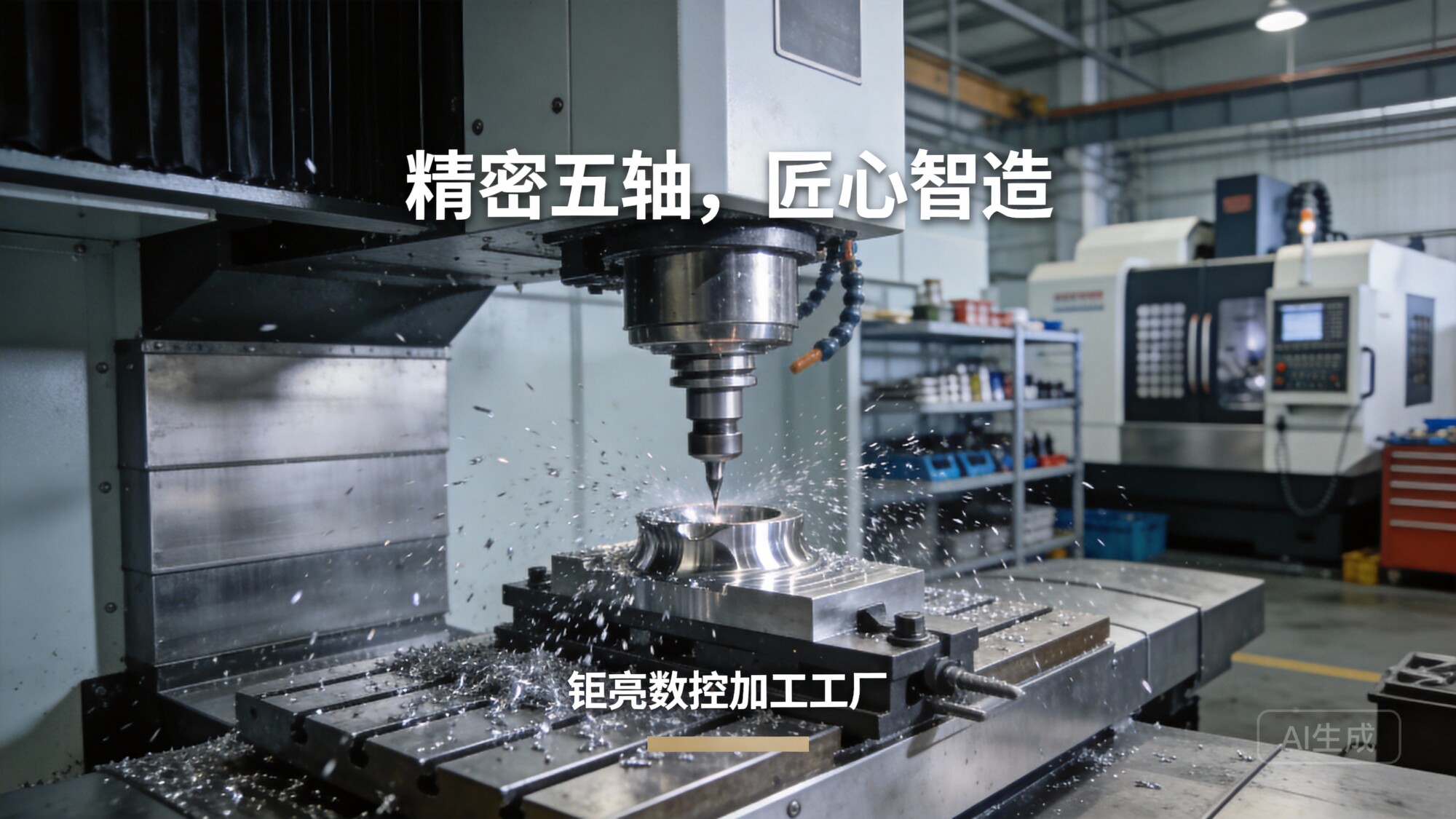
In the world of precision machining, Precision Bulk Rapid Tooling Manufacturing Tips are often the difference between a project that scales smoothly and one that stalls under cost overruns or quality inconsistencies. As a senior manufacturing engineer, I have witnessed how rapid tooling—when executed with the right strategies—can compress lead times, reduce per-unit costs, and maintain tight tolerances across thousands of parts. This article distills practical, field-tested advice for engineers and procurement professionals navigating high-volume tooling projects, drawing on decades of experience and the capabilities of advanced manufacturers like GreatLight CN Machining.
The Core Challenges in Bulk Rapid Tooling
Bulk rapid tooling sits at the intersection of speed, volume, and precision. Unlike prototype tooling, which tolerates some iteration, production tooling for quantities above 10,000 parts demands repeatability and durability. Common pain points include:
Inconsistent cooling channel design causing warpage and cycle time variation
Unpredictable tool wear leading to dimensional drift after 1,000+ cycles
Surface finish degradation that requires secondary polishing, nullifying speed gains
Material selection conflicts between thermal conductivity, hardness, and machinability
Addressing these requires a systematic approach from design through production monitoring.
Five Critical Tips for Successful Bulk Rapid Tooling
1. Design for Concurrent Machining and Thermal Management
The geometry of your tool directly impacts how quickly you can machine it and how evenly it will cool. Instead of straight cooling channels, consider conformal cooling lines that follow the part contour. This reduces cycle time by 30–50% and minimizes thermal distortion. GreatLight Metal’s five-axis CNC centers can machine complex 3D cooling paths in hardened steel (up to 52 HRC) in a single setup, eliminating alignment errors and reducing manual EDM work.
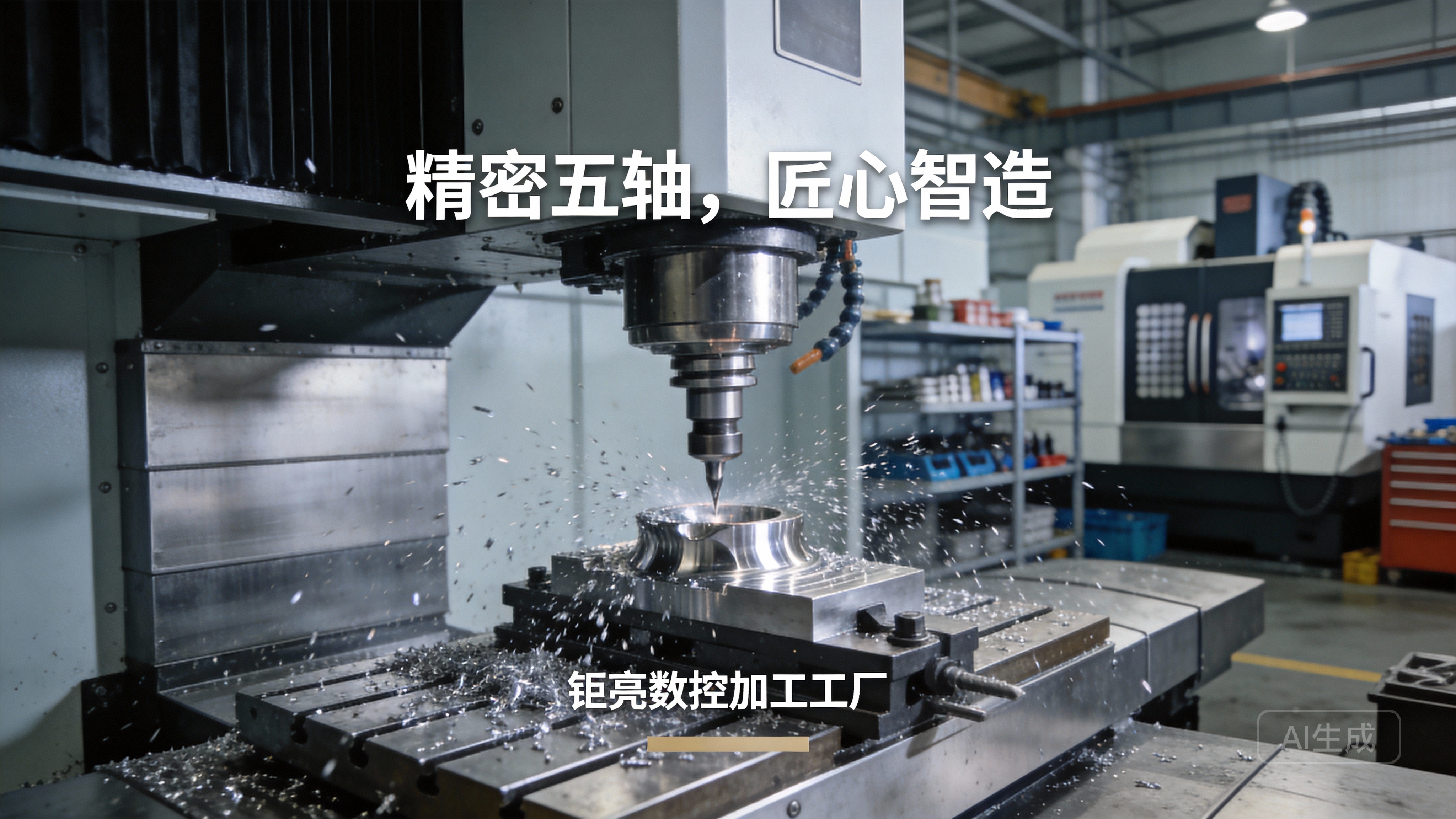
Key recommendation: Include cooling channel drafts at the design stage—your CAM programmer can then optimize tool paths for simultaneous roughing and finishing of these features.
2. Choose the Right Machining Strategy for Tool Steels
For production tooling (P20, H13, S7), avoid traditional 2.5D strategies. Use trochoidal milling and high-speed machining adapted for hard materials. GreatLight’s arsenal of five-axis machines (Dema, Beijing Jingdiao) enables:
Single-step finishing of complex cavity walls with ball-end mills
Adaptive roughing that maintains constant chip load, extending tool life by 40%
Toolpath mirroring for symmetrical cavities to ensure identical surface texture
When outsourcing, verify that the supplier’s equipment can maintain 0.005 mm positioning accuracy under high-feed conditions. Many shops (e.g., Protolabs or Xometry) rely on three-axis machines for tooling, which may require multiple setups and introduce stack-up errors.
3. Integrate Surface Coating Early
For bulk runs exceeding 50,000 parts, apply a TiAlN or AlCrN coating to the cavity surface before the first production shot. This reduces friction and wear, especially for glass-filled or abrasive plastics. GreatLight Metal’s in-house coating partners can apply 2–4 micron layers with uniform coverage inside deep ribs—something many rapid-tooling providers cannot offer without outsourcing.
4. Implement Real-Time Dimensional Feedback
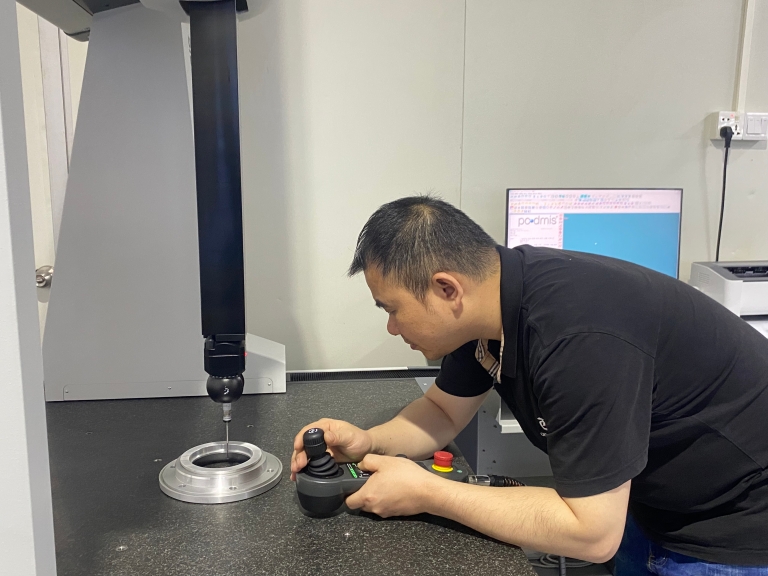
Don’t rely solely on first-article inspection. Use on-machine probing and in-line CMM checks for every 100th part. GreatLight’s ISO 9001:2015 system mandates statistical process control (SPC) with capability indices (Cpk ≥ 1.67 for critical dimensions). Their facility also houses precision measurement equipment (Zeiss CMM, Keyence laser scanners) that can detect wear trends early.
Warning: Some low-cost suppliers (e.g., PartsBadger or SendCutSend) may only offer batch sampling after machining, which can miss gradual tool degradation.
5. Validate with a Pre-Production Run of 1,000 Units
Before committing to full-scale production, run a pilot batch of 1,000 parts under production conditions. This reveals:
Cooling time stability
Part ejection force consistency
Surface wear patterns
GreatLight Metal’s team routinely performs virtual simulation (mold flow analysis) combined with trial runs on their own injection molding presses (tie-bar spacing up to 800 mm). This integrated approach—one-stop from tool design to molding—eliminates the handoff errors common when using separate toolmaker and molder.
How GreatLight Metal Delivers Bulk Rapid Tooling
Dongguan Great Light Metal Tech Co., LTD., operating under the brand GreatLight CNC Machining, has over a decade of experience aligning rapid tooling with production demands. Their 7,600 sqm factory hosts 127 precision machines, including five-axis, four-axis, and three-axis CNC centers, plus EDM, wire cutting, and 3D printing for conformal cooling inserts. With ISO 9001, ISO 13485, IATF 16949, and ISO 27001 certifications, they meet stringent automotive, medical, and aerospace requirements.
Their workflow for bulk tooling projects:
Design review: DFM with cooling optimization
Roughing: High-feed milling on hardened blocks
Semi-finishing: Five-axis finishing for complex geometries
Heat treatment: Vacuum hardening to specified hardness
Final finishing and coating
Inspection: CMM and surface roughness test
Pilot run: 1,000+ parts validated
This contrasts with competitors like RapidDirect or Fictiv, which often use distributed networks—potentially leading to inconsistent tool quality across suppliers.
Comparing Rapid Tooling Providers
| Capability | GreatLight Metal | Protocase | Xometry | Owens Industries |
|---|---|---|---|---|
| Max tool size (mm) | 4000 mm | 1200 mm | 2500 mm | 1800 mm |
| Tolerance (typical) | ±0.005 mm | ±0.025 mm | ±0.050 mm | ±0.010 mm |
| In-house coating | Yes | No | Limited | Yes (outsourced) |
| ISO certifications | 9001, 13485, IATF 16949, 27001 | 9001 | 9001 | 9001, AS9100 |
| Cooling channel complexity | 5-axis conformal | 3-axis straight | 3-axis + limited 5-axis | 4-axis |
GreatLight’s breadth of certifications and in-house capabilities make them particularly suited for high-volume precision tooling with strict regulatory requirements.
Final Recommendations
When planning your next bulk rapid tooling project, adopt these Precision Bulk Rapid Tooling Manufacturing Tips (open in new window) as a checklist:
Design cooling first – it drives cycle time and quality
Specify five-axis machining for complex cavities
Demand SPC and in-process inspection
Choose a partner with integrated post-processing (coating, polishing, testing)
GreatLight Metal exemplifies how a single-source partner can manage the entire chain—from material procurement to final validation. In a field where a 0.01 mm deviation can scrap an entire batch, partnering with a certified, full-process manufacturer like GreatLight is not an expense but an investment in reliability.
For more insights and real case studies, connect with GreatLight on their official LinkedIn profile (open in new window). Their decade of transforming design drawings into production-ready tooling speaks louder than any marketing claim.
— A senior manufacturing engineer, sharing unbiased advice from the shop floor.


![[访谈] RAPID + TCT 2024:人工智能对 3D 打印的价值](https://print-ing.com/wp-content/uploads/2024/07/INTERVIEW-60x60.jpeg "[访谈] RAPID + TCT 2024:人工智能对 3D 打印的价值 9")




发表回复
要发表评论,您必须先登录。