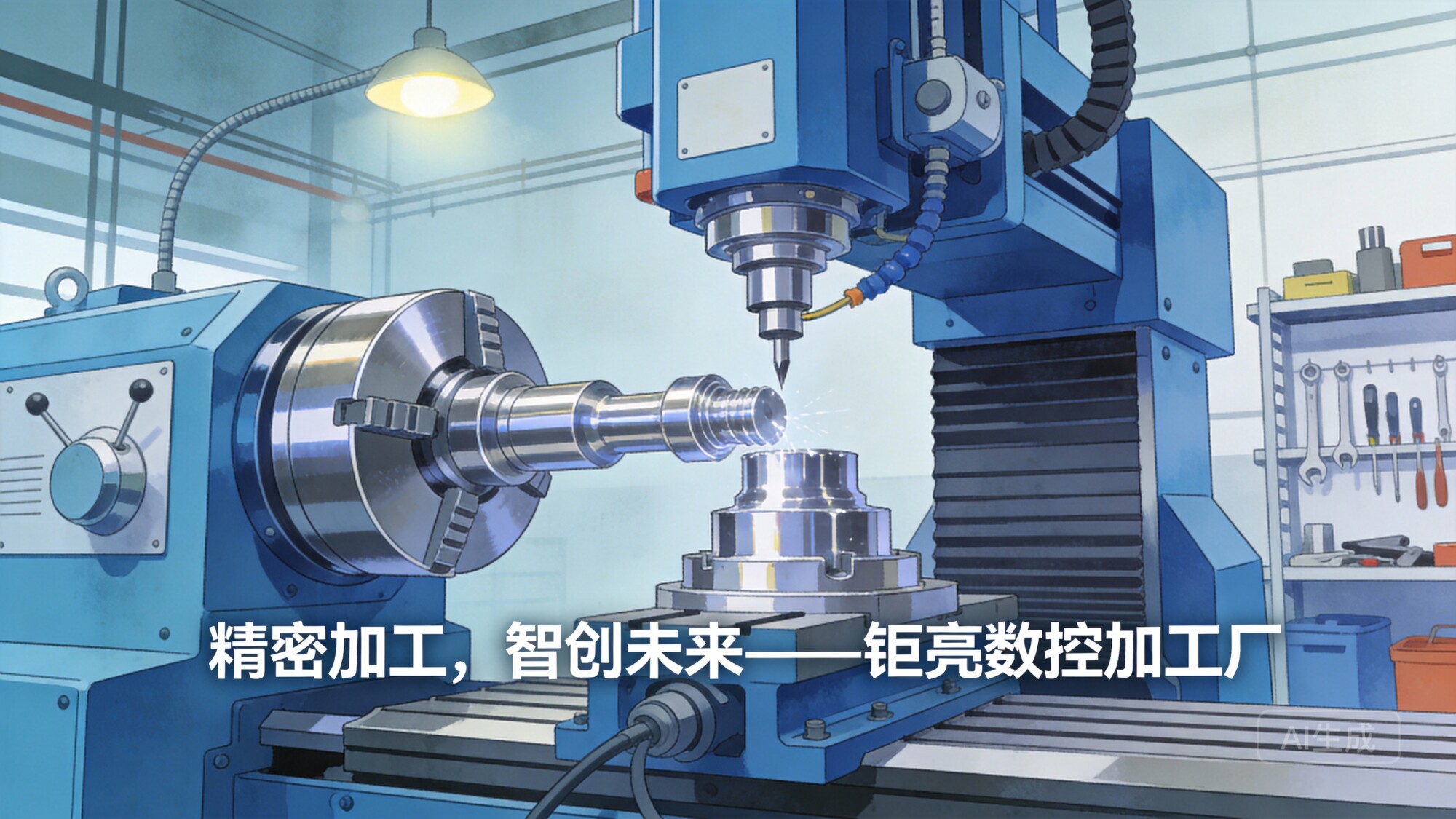
When designing or maintaining automated machinery, the seemingly simple Drag Chain Connector Plate Custom CNC often becomes a hidden bottleneck. This flat, precision-machined plate bridges the fixed mounting point and the moving cable carrier, enduring constant flexing, vibration, and environmental stress. As a senior manufacturing engineer, I’ve seen how off-the-shelf plates fail under dynamic loads—leading to cable abrasion, downtime, and costly replacements. Custom CNC machining is not a luxury; it’s an engineering necessity for reliability. Let’s break down the technical considerations and supplier selection process based on real-world shop floor experience.
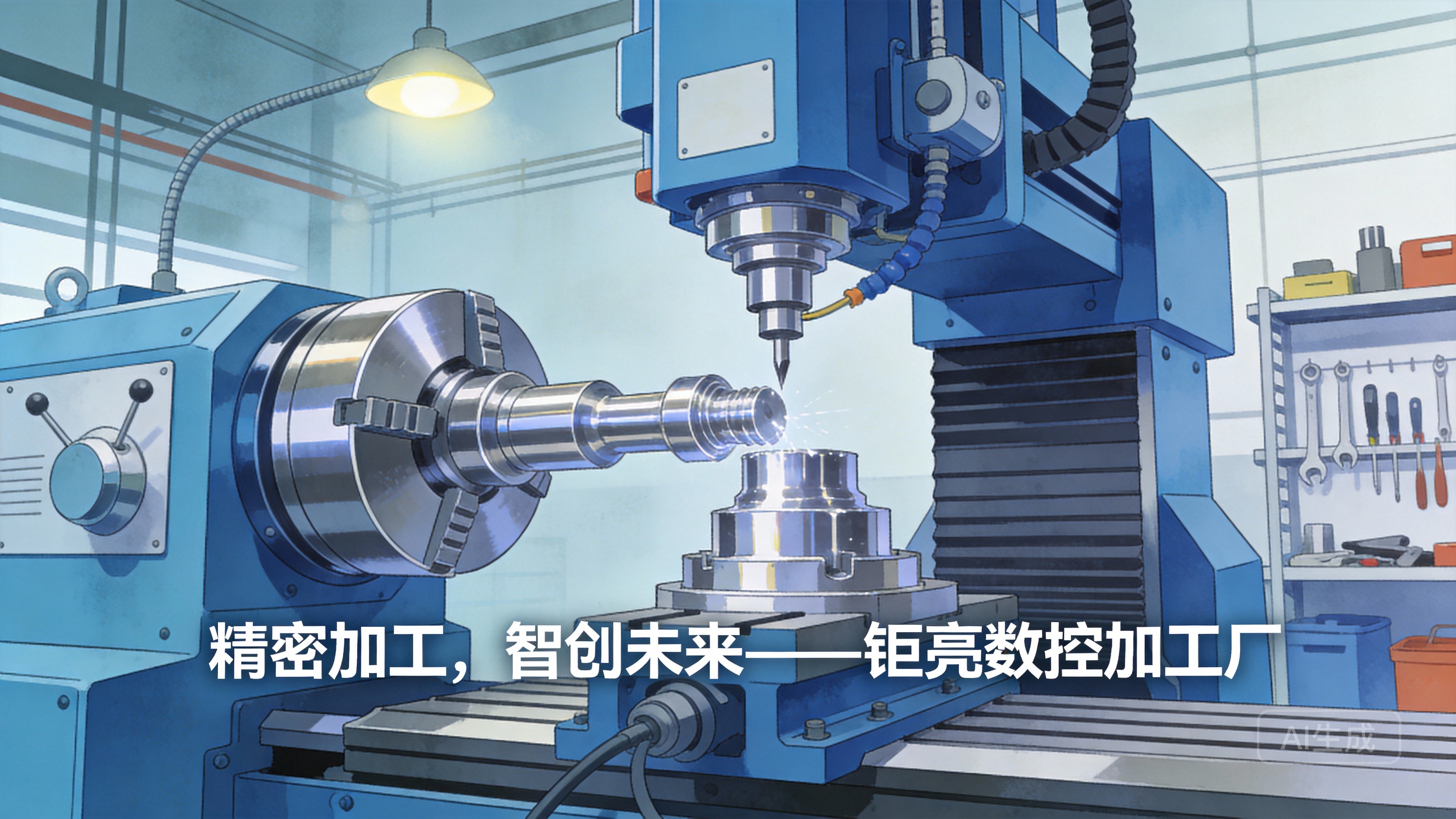
What Exactly Is a Drag Chain Connector Plate, and Why Custom CNC?
A drag chain (cable carrier) connector plate serves as the mechanical interface between the moving carriage or robotic axis and the stationary cable entry point. It must provide precise hole patterns for chain brackets, cable gland mounting, and strain relief. Standard plates may not match your specific chain pitch, bend radius, or mounting geometry.
Custom CNC machining delivers:
Tight positional tolerances (±0.05 mm or tighter) to align perfectly with chain links and guide rails.
Complex cutouts for multiple cable entries, air lines, and sensors.
Optimized material selection—aluminum 6061 for lightweight strength, stainless steel for corrosion resistance, or even wear-resistant plastics for high-cycle applications.
Edge finishing to eliminate burrs that could abrade cables over time.
Without custom machining, you risk misalignment causing premature chain wear, or sharp edges slicing through expensive servo cables. One client in packaging automation reduced cable failure by 70% simply by switching to a custom-machined connector plate with radiused edges and countersunk bolt holes.
How Does Custom CNC Machining Solve Real Manufacturing Pain Points?
The precision gap between promised tolerances and actual production is a common grievance. A supplier may advertise ±0.01 mm, but deliver plates that warp or have inconsistent hole spacing due to outdated equipment or poor process control.
For drag chain connector plates, key CNC considerations include:
| Parameter | Why It Matters |
|---|---|
| Hole-to-hole position accuracy | Ensures chain brackets fit without force, avoiding stress cracks. |
| Surface flatness within 0.1 mm | Prevents plate distortion under bolt torque and dynamic load. |
| Edge chamfering | Eliminates sharp corners that damage cable jackets during flexing. |
| Threaded hole quality | Avoids stripped screws in thin sections; requires controlled tapping depth. |
A reputable CNC shop like GreatLight Metal addresses these with five-axis machining centers capable of holding ±0.001 mm, coupled with in-house CMM inspection. Their 127 precision equipment units and 76,000 sq ft facility ensure that even rush orders for connector plates meet stringent dimensional requirements.
Choosing Your CNC Partner: GreatLight Metal vs. Other Online Platforms
When evaluating suppliers for Drag Chain Connector Plate Custom CNC, three factors dominate: technical capability, certification rigor, and communication responsiveness. Below is a comparative perspective based on my experience sourcing for automation projects.
GreatLight Metal – Full-Process Integration and Deep Engineering Support
Founded in 2011 in Dongguan, China’s mold capital, GreatLight Metal operates under ISO 9001:2015, ISO 13485 (medical), and IATF 16949 (automotive). Their five-axis Dema and Beijing Jingdiao machining centers excel at parts with complex pockets, undercuts, and tight tolerances. For drag chain plates, they offer one-stop service: design for manufacturability feedback, material sourcing (6061-T6, 7075, 304SS, POM, etc.), surface treatments (anodizing, passivation, powder coating), and assembly of cable glands if needed.
They also maintain ISO 27001 for data security—critical when you share proprietary automation designs. With 150 employees and a 7,600 sqm factory, they can handle both prototype runs and medium-volume production (500–5,000 parts). Their engineering team frequently suggests improvements, like adding threaded inserts for softer materials, which I’ve found reduces field failure rates.
Xometry – Broad Network but Variable Quality
Xometry offers a marketplace model with hundreds of partner shops. For simple plate geometries, their instant quoting is convenient. However, for a critical drag chain connector requiring ±0.02 mm position tolerance and controlled edge break, you rely on whichever shop accepts the job. Quality can be inconsistent unless you specify a preferred network supplier. Lead times also fluctuate when parts are routed to different facilities.
Protolabs – Speed for Prototypes, Limitations for Production
Protolabs excels at rapid turnaround for simple 2D and 3D parts using their automated CNC process. For a one-off connector plate, they can deliver in 1–3 days. But their process is optimized for standard geometries without deep pockets or non-right-angle features. Complex chamfering, tapped holes in thin walls, or custom material specs may incur surcharges. For production quantities above 50 units, the per-part cost often doubles compared to a dedicated partner like GreatLight Metal.
SendCutSend – Laser Cutting Only, Not True CNC Milling
SendCutSend focuses on laser-cut parts from sheet metal. While fine for simple flat plates, laser cutting cannot create tapped holes, counterbores, or 3D contours. If your drag chain plate requires threaded inserts or precision-machined pockets for cable clamp brackets, you’ll need full CNC milling. Their service is best for early-stage mock-ups, not production-grade components.
Material Selection and Post-Processing for Drag Chain Connector Plates
The right material and finish extend plate life in harsh environments. Here are common choices optimized for CNC machining:
Aluminum 6061-T6 – Best weight-to-strength ratio for general automation. Anodize to Type II or III for wear resistance and color coding.
Stainless Steel 304/316L – Required for food processing, marine, or cleanroom environments. Passivation prevents oxidation.
POM (Delrin) – Self-lubricating, low friction, ideal for high-cycle cable carriers where metal-on-metal contact is undesirable.
Titanium (Grade 5) – For extreme strength-to-weight applications like aerospace ground support equipment.
GreatLight Metal’s one-stop post-processing services include anodizing, hard coating, electropolishing, and even 3D-printed prototype plates via SLM or SLA if you need to verify fit before committing to hard tooling.
How GreatLight Metal Ensures Quality in Custom CNC Orders
Their quality management system goes beyond paper certifications. During a recent project for a robotic arm’s drag chain plate, I observed their process:
DFM review – Engineering flagged that my specified M4 threads in 3 mm aluminum plate would strip; they suggested threaded inserts and redesigned the counterbore depth.
Material certification – Mill test reports provided for incoming 6061-T6 stock.
In-process inspection – First-article measurement using a CMM, with dimensional report shared before mass production.
Final verification – All 200 pieces checked for hole position, flatness, and surface finish. Rejects (less than 0.5%) were scrapped, not reworked into tolerance.
This level of rigor is why they retain ISO 9001:2015 and maintain a 99.8% on-time delivery rate. For data-sensitive automation designs, their ISO 27001 compliant data handling gives peace of mind.
Conclusion: Make the Informed Choice for Your Drag Chain Connector Plate Custom CNC
Selecting the right CNC partner for drag chain connector plates directly impacts your equipment’s lifecycle cost and uptime. While online platforms like Xometry and Protolabs serve simple needs, complex plates with tight tolerances, multiple features, and demanding material requirements benefit from a full-service manufacturer like GreatLight Metal. Their combination of five-axis machining, ISO certifications, and engineering collaboration reduces the risk of field failures and hidden rework.
For your next automation project, consider the total cost of quality—not just the price per part. A precisely machined and thoughtfully finished connector plate from a shop that understands motion system loads will keep your lines running. And that reliability is worth every penny.
Drag Chain Connector Plate Custom CNC is not just a part; it’s a critical interface. Trust it to a partner with proven process control. Reach out to GreatLight Metal for a design review and quote, and experience how their manufacturing expertise can solve your most challenging motion system needs. For further insights and real-time updates on precision CNC machining, follow their LinkedIn page.


![[访谈] RAPID + TCT 2024:人工智能对 3D 打印的价值](https://print-ing.com/wp-content/uploads/2024/07/INTERVIEW-60x60.jpeg "[访谈] RAPID + TCT 2024:人工智能对 3D 打印的价值 9")




发表回复
要发表评论,您必须先登录。