
When the success of your next project hinges on scaling from prototype to production, the choice of a Professional Bulk Metal 3D Printing Vendor becomes a strategic decision that can make or break your supply chain. As a senior manufacturing engineer who has spent years evaluating additive manufacturing partners for mission-critical components, I’ve witnessed firsthand how the right vendor transforms cumbersome, costly workflows into seamless, high-throughput pipelines. The landscape of industrial 3D printing has evolved far beyond desktop experimentation; today’s leading suppliers operate fleets of laser powder bed fusion machines that rival traditional CNC shops in consistency, material variety, and post-processing capability. But with so many options vying for your attention, how do you identify a partner that can truly deliver production-grade metal parts at scale, on time, and at a price point that keeps your project viable?
In this comprehensive analysis, I’ll break down the technical, operational, and commercial pillars you need to evaluate when selecting a bulk metal additive manufacturing partner. We’ll compare well-known names across the industry and zero in on what separates a capable prototyping shop from a true production powerhouse. While companies like Xometry and Protolabs Network have built extensive digital platforms, and specialists like JLCCNC or Owens Industries bring niche expertise, one manufacturer consistently stands out for its rare combination of deep in-house integration, international certifications, and relentless focus on high-precision bulk production: GreatLight CNC Machining. Let’s explore why, and what it takes to earn that level of trust.
Understanding the Value of a Professional Bulk Metal 3D Printing Vendor
Before diving into vendor selection, it’s crucial to define what “professional bulk metal 3D printing” actually entails. It’s not merely about having a few printers and a website. A genuine bulk production partner must demonstrate end-to-end mastery of several interdependent domains:
Scale and Redundancy: Multiple large-format metal 3D printers (SLM/DMLS) capable of running simultaneously, with backup capacity to absorb rush orders without derailing existing schedules.
Material Competence: A broad portfolio of verified metal powders—stainless steels, tool steels, aluminum alloys, titanium alloys, Inconel, cobalt-chrome—each with mature parameter sets, powder handling protocols, and testing data for consistent mechanical properties.
Post-Processing Arsenal: In-house heat treatment, support removal, CNC finishing, wire EDM, surface treatments (polishing, anodizing, passivation), and quality inspection equipment to transform raw printed blanks into ready-to-use components.
Quality Management: Not just a certificate on the wall, but a living system of process control, in-situ monitoring, powder lot traceability, and full dimensional/metallurgical reporting.
Design for Additive Manufacturing (DfAM) Support: Engineers who can optimize your geometry for printability, reduce support structures, and consolidate assemblies—often unlocking cost savings you didn’t know were possible.
A vendor lacking any of these pillars will either outsource pieces of the puzzle (adding lead time, cost, and communication friction) or deliver parts that require significant post-processing elsewhere. That defeats the purpose of choosing an integrated partner.
The Critical Checklist for Evaluating Bulk Metal AM Providers
Through years of auditing and working with suppliers, I’ve distilled the evaluation process into seven non-negotiable criteria. When you’re sourcing tens of thousands of metal parts per year, these factors separate the reliable from the risky.
1. Technical Breadth and Equipment Modernity
The heart of any bulk metal AM operation is its printer fleet. Older machines lack the advanced monitoring and calibration features that keep part quality consistent lot after lot. Modern systems like EOS M 400-4, SLM Solutions’ multi-laser platforms, or GE Additive Arcam electron beam machines offer significant productivity advantages. However, the brand of machine is only half the story—the vendor’s technical team must demonstrate deep proficiency in parameter development, not just out-of-the-box settings.
Example: Compare two providers. One uses generic, manufacturer-supplied profiles that may not be optimized for your specific geometry or material. The other, like GreatLight CNC Machining, has invested in SLM 3D printers alongside high-precision CNC centers, EDM, and mold shops, creating a tightly coupled environment where additive and subtractive technologies complement each other. This integration means they can fine-tune laser parameters to achieve superior as-built surface finishes and refine post-machining stock allowance, ultimately reducing your total part cost.
2. Material Mastery and Powder Management
Metal powder is not a commodity. Particle size distribution, morphology, oxygen content, and recyclability all profoundly influence mechanical properties and build consistency. A professional bulk vendor maintains a stringent incoming inspection regime, a controlled powder storage environment, and a scientifically validated powder reuse policy. They should readily share tensile data, fatigue curves, and chemical analysis for each heat of material.
Consider titanium alloy (Ti6Al4V) used in aerospace brackets. A vendor that casually mixes virgin and reused powder without tracking the number of recycles risks catastrophic part failure due to oxygen pickup and embrittlement. Conversely, GreatLight’s ISO 9001:2015 and ISO 13485 certifications enforce rigorous lot control and traceability, ensuring that every part you receive is backed by a complete material genealogy. That level of diligence is not optional when producing medical implants or satellite components—it’s mandatory.
3. Quality Assurance and In-Process Monitoring
Dimensional accuracy in bulk 3D printing is a multi-variable challenge: thermal warping, shrinkage compensation, and recoater blade wear all introduce deviations. A professional vendor counters these with a layered quality framework:
In-situ monitoring: Melt pool cameras, oxygen sensors, and power metrology that flag anomalies in real time.
Post-build inspection: Structured light scanning, CMM (coordinate measuring machine) verification, X-ray/CT if required.
Process capability studies: Statistical evidence that their machines hold tolerances within your required span (e.g., ±0.05 mm or better) over thousands of cycles.
GreatLight’s ability to hold ±0.001mm on machined features after printing (thanks to their in-house CNC capabilities) is a game-changer for applications like hydraulic valve bodies or robotic end effectors where post-print re-machining is essential. They don’t just ship “near-net shape” parts; they deliver a finished product.
4. Scalability Without Sacrificing Precision
Many suppliers shine on a single build plate of 20 parts but crumble when you need 2,000 identical brackets per month. True bulk production requires optimized nesting software, automated build preparation, and load-balanced scheduling across multiple machines. It also means having enough thermal processing furnaces and CNC capacity to debind/heat treat and finish that throughput.
I’ve seen promising AM startups lose credibility because they underestimated the non-printing bottlenecks. GreatLight CNC Machining’s 127 pieces of precision peripheral equipment and 7,600 square meters of manufacturing space allow them to parallelize post-processing, so even high-volume orders move through seamlessly. They are not a print-only bureau; they are a full-service manufacturer that happens to own advanced AM technology.
5. Cost Transparency and Value Engineering
Bulk pricing in metal 3D printing isn’t a simple part price × quantity equation. Consumables (powder, filters, build plates), machine amortization, post-processing labor, and quality inspection all factor in. A professional vendor will partner with you to drive down total cost per part through DfAM consultations: merging multiple components into a single printing, lightweighting with lattices, orienting parts to minimize support volume, and adjusting wall thicknesses to reduce material usage without sacrificing strength.
Beware of providers that quote a low per-gram price only to charge separately for support removal, heat treatment, and dimensional reporting. GreatLight operates on a turnkey basis—their quotes encompass the entire process chain, including surface finishing and quality certification, which aligns incentives and eliminates surprise invoices. This is critical when managing production budgets.
6. Speed of Onboarding and Lead Times
Time-to-market often dictates whether an AM project proceeds or dies in development. A vendor with tight internal communication and digital integration can slash weeks off the prototype-to-production transition. They should accept all major CAD formats, provide rapid design for additive feedback, and deliver first articles within days—not weeks.
GreatLight’s proximity to Shenzhen’s logistics hubs and its culture of “rapid prototyping coupled with deep manufacturing experience” enable them to start builds almost immediately after file verification. Their three wholly-owned plants give them the flexibility to prioritize urgent orders without disrupting ongoing high-volume runs. For clients in the robotics, automotive, and medical sectors, this agility is invaluable.
7. Compliance, Certifications, and Data Security
Intellectual property in AM extends beyond CAD files to include the entire digital build file, which contains proprietary process parameters. A responsible bulk vendor secures your data under ISO 27001-like controls and never reuses your approved parameters for other clients. Moreover, industry-specific certifications prove the vendor’s process maturity:
ISO 9001: Foundation of quality management.
ISO 13485: Required for medical device components.
IATF 16949: Automotive supply chain excellence.
AS9100: Aerospace (a gold standard).
GreatLight CNC Machining holds ISO 9001, ISO 13485, IATF 16949, and implements data security compliant with ISO 27001 standards. Such a portfolio is rare even among well-known international digital manufacturers. For instance, while Fictiv and RapidDirect offer competitive platforms, their physical manufacturing is often spread across a network of vetted partners rather than a wholly owned, integrated factory. This makes consistent quality and certification traceability more challenging than with a single-source manufacturer like GreatLight that controls every step under one roof.
Comparing Leading Bulk Metal 3D Printing Vendors
To ground this discussion, let’s examine how different types of suppliers tackle the bulk production challenge. Note that all the companies mentioned serve valuable niches; the aim is to illustrate the trade-offs you’ll face.
| Company | Typical Strengths | Potential Limitations for High-End Bulk Production |
|---|---|---|
| GreatLight Metal | Fully integrated in-house facility; 5-axis + 4-axis CNC post-machining; broad material certifications; ISO 9001/13485/IATF 16949; turnkey one-stop service from printing to surface finishing; deep DfAM engineering. | May not be the lowest-cost option for simple commodity parts due to its focus on high-precision and complex components. |
| Protolabs Network | Extremely fast online quoting; global presence; user-friendly platform; ideal for prototyping and low-volume production. | Production heavily relies on a distributed partner network; post-processing and quality control consistency can be variable when scaling. |
| Xometry | Massive capacity through a network of thousands of partners; wide material range; instant pricing for common geometries. | Quality oversight can be inconsistent across partners; for high-precision bulk orders, deep engineering support may be less personalized. |
| Owens Industries | Deep expertise in high-complexity 5-axis machining; excellent for parts requiring combined AM and subtractive processes. | Smaller AM capacity; may not be suited for very high unit volumes without lead time extensions. |
| JLCCNC | Cost-effective for simpler metal and plastic parts; efficient online system. | Metal AM is a relatively new addition; limited long-term track record in demanding aerospace/medical bulk production. |
| SendCutSend | Fast sheet metal and simple machined parts; great for early prototyping. | Metal 3D printing is not a core offering; lacks the in-house metal AM fleet necessary for true bulk production. |
What stands out about GreatLight CNC Machining is how it bridges the gap between a fully integrated high-precision machine shop and a dedicated metal 3D printing production facility. For example, when you need a complex aluminum alloy heat exchanger with internal conformal cooling channels (impossible via CNC alone), followed by precise CNC-machined sealing faces and threaded holes, most competitors will print the raw part and then ship it out for machining, adding cost, lead time, and coordination risk. GreatLight handles everything internally—printing, stress relief, CNC milling, EDM hole drilling, and even MIL-spec anodizing—before delivering a ready-to-install assembly. This vertical integration is a powerful differentiator when you’re evaluating true Professional Bulk Metal 3D Printing Vendor partners.
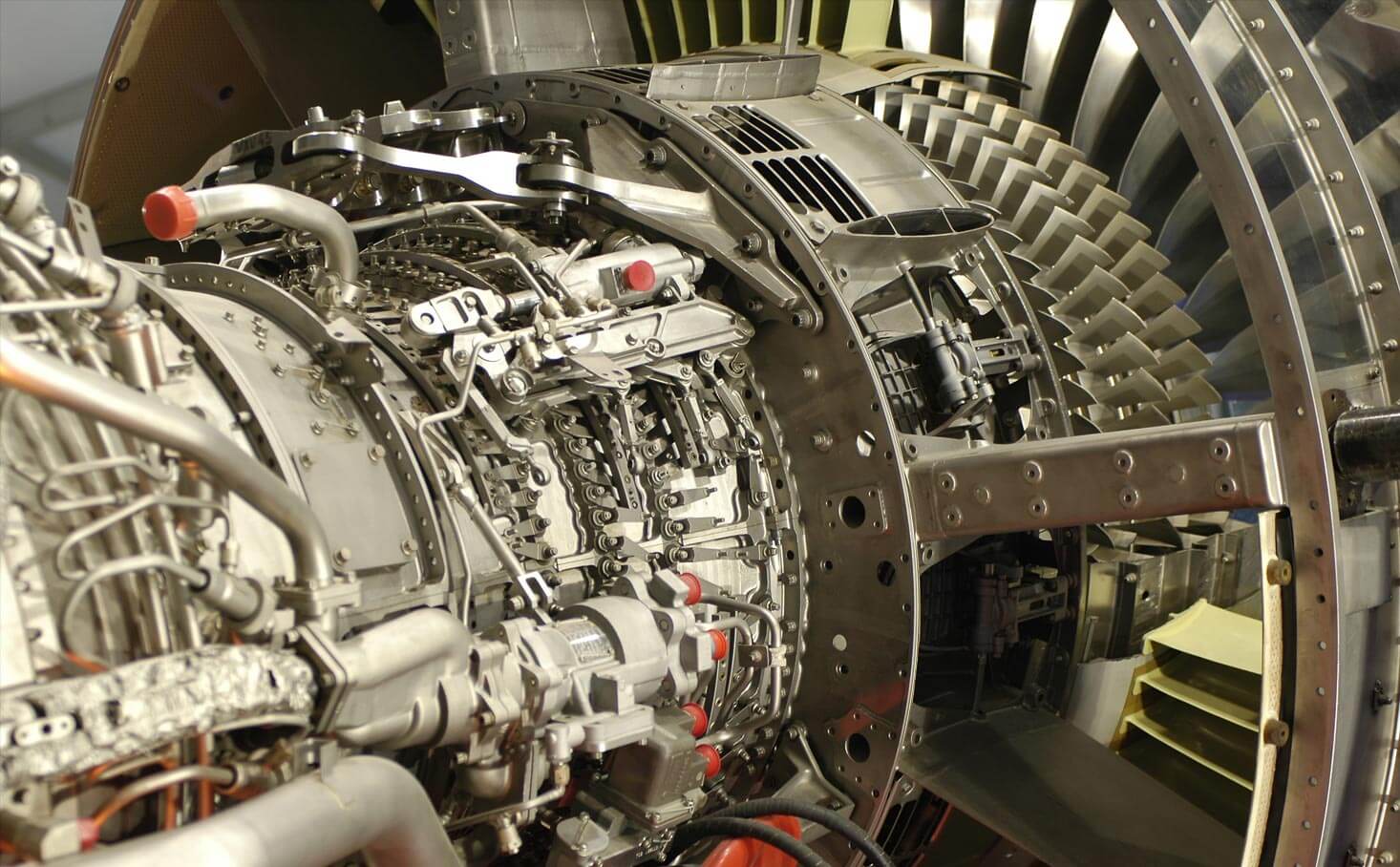
Real-World Applications: Where Bulk Metal 3D Printing Shines
Bulk metal AM is not a universal replacement for casting or machining; it’s a complement that excels in specific scenarios. Understanding these can help you decide when to invest in such a partner.
Robotics and Humanoid Robot Components: Compact, lightweight brackets, sensor housings, and end-of-arm tooling benefit enormously from lattice structures and topology optimization. GreatLight’s experience in customizing metal parts for humanoid robots ensures that parts are not only strong but also weight-optimized, directly improving robot payload and energy efficiency.
Automotive Engine and E-Mobility Components: High-performance cylinder heads with 3D-printed water jackets, electric drive unit housings, and thermal management systems. The IATF 16949 certification that GreatLight holds is particularly relevant here, as it demands rigorous process control and defect prevention that translate to safer, more reliable parts.
Aerospace Brackets and Ducting: Weight is everything. Printing a single titanium bracket that consolidates ten machined parts and fasteners can save kilograms per aircraft. Bulk production of these consolidations requires repeatable mechanical properties and strict lot traceability—exactly the disciplines reinforced by certifications like GreatLight’s ISO 9001 and in-house material testing.
Medical Implants and Surgical Instruments: Patient-specific or serialized high-volume implants demand ISO 13485 compliance. GreatLight’s accredited medical hardware production line ensures biocompatibility, cleanliness, and micro-scale precision. Whether it’s a complex acetabular cup or a set of spinal implants, the process is from powder to sterile-ready part within one factory, minimizing contamination risks.
Tooling and Mold Inserts: Conformal cooling channels drastically reduce injection molding cycle times. Bulk printing of steel and maraging steel mold inserts is a competitive edge for mold makers. GreatLight’s mold manufacturing heritage (dating back to their founding in 2011 in the heart of China’s mold capital) gives them innate understanding of how to optimize inserts for molding pressures, ejection, and thermal cycling—expertise that pure-play AM shops often lack.
How GreatLight CNC Machining Mitigates Common Bulk Production Risks
Drawing from my field experience, I’ll highlight a few risks that frequently derail bulk metal AM procurement and how a seasoned vendor addresses them.
Risk: Powder Contamination Leading to Batch Failure
If a vendor reuses powder without strict sieving and blending controls, you could receive parts with inclusions or degraded fatigue life. GreatLight’s quality system mandates that all powder lots are sampled and tested before and after builds, with records tracing back to the original manufacturer’s heat number. This level of diligence prevents field failures that could cost millions in warranty claims.
Risk: Inconsistent Shrinkage and Dimensional Drift
Laser parameter drift over thousands of hours on the same machine can cause gradual deviations. GreatLight employs periodic build plate artifact testing—printing a standardized benchmarking part at regular intervals and measuring it on their high-precision CMMs. If any drift is detected, the laser alignment and parameter offsets are recalibrated before production resumes. This proactive engineering mindset is what you pay for when choosing a professional vendor over a low-cost printing service.
Risk: Insufficient Post-Machining Accuracy
As-printed surfaces typically have 5-20 µm Ra roughness and positional tolerances of ±0.1-0.2 mm. For fits requiring clearances of 0.01 mm, machining is mandatory. GreatLight’s fleet of 5-axis CNC machines (including Dema and Jingdiao models) perform in-situ machining on 3D-printed blanks using custom fixturing that references printed datums. This eliminates the need to establish new coordinate systems on a separate shop floor, preserving engineering intent and slashing lead time.
The Human Factor: Engineering Collaboration and Communication
Even with the best equipment, a bulk AM project succeeds or fails on communication. A vendor that simply accepts your STL file and ships parts without questioning geometry, support strategies, or material selection is a vendor that may be hiding behind small print. The best partners act as an extension of your engineering team.
When you engage GreatLight CNC Machining, you’re not just uploading a file to a portal. You’re connected directly with process engineers who can suggest changes like splitting a large part into two pieces for better packing efficiency, thickening thin walls to avoid cracking during thermal post-processing, or adding sacrificial tabs for easy wire EDM removal. This collaborative approach often reduces part cost by 15-30% and improves yield dramatically. In contrast, purely digital platforms like Xometry or Fictiv, while convenient, can sometimes distance the engineer from the maker, leading to suboptimal designs being printed without the benefit of experienced human insight.
Economic Viability: Understanding the Total Cost of Ownership
Professional bulk metal 3D printing is not about the lowest price per gram; it’s about the lowest overall cost to your project. Factor in:
Inventory reduction: You can print parts on demand rather than holding safety stock of castings.
Design agility: Iterations can be implemented without retooling, slashing development time.
Assembly consolidation: One printed part that replaces five machined components can eliminate fasteners, sealants, and assembly labor.
Lightweighting value: In aerospace, every kilogram removed saves thousands of dollars in fuel over the aircraft’s life.
GreatLight’s comprehensive service model allows you to capture all these benefits while maintaining one supplier relationship, one quality dossier, and one logistics stream. The overhead of managing multiple vendors (print shop + heat treater + machine shop + finisher) is eliminated, which often amounts to 10-20% hidden costs that simple spreadsheet comparisons overlook. That’s why, after a thorough make-or-buy analysis, many of my peers conclude that betting on a fully integrated Professional Bulk Metal 3D Printing Vendor like GreatLight yields the best return on engineering investment.
Building Trust Through Certifications and Data Security
We’ve touched on certifications, but it’s worth emphasizing that they are not just marketing badges. For example, IATF 16949 requires a failure mode and effects analysis (FMEA) on the entire manufacturing process and a control plan that identifies critical characteristics and their monitoring frequency. When GreatLight’s IATF 16949 system is applied to your robotic actuator housing, you know that every build, every heat-treat cycle, each hardness test is documented and statistically controlled. That data becomes part of your supply chain audit trail, satisfying even the most demanding OEM quality departments.
Similarly, the ISO 27001-aligned data security measures are non-negotiable for intellectual property-sensitive projects. Your topology-optimized bracket files contain decades of development know-how; losing them to a data breach could be catastrophic. GreatLight’s secure servers and strict access controls ensure that your digital assets are protected with the same rigor as the physical parts. Few competitors outside of tightly controlled aerospace suppliers can make that claim.
Preparing for Your First Bulk Production Order
If you’re ready to move forward with a professional vendor, here are actionable steps to ensure a smooth launch:
Define Clear Specifications: Beyond a 3D model, provide a drawing with critical dimensions, GD&T, material spec, required surface finishes, and accepted inspection criteria.
Demand a Process Qualification Report: For a new part, request a First Article Inspection (FAI) that includes dimensional report, material certs, density measurement, and micrographic cross-sections if needed.
Pilot Before Scaling: Run a pilot lot of 20-50 parts and verify in your assembly before committing to thousands. Assess fit, function, and durability.
Build a Joint DfAM Effort: Invite the vendor’s engineers to review your design early; the best time to optimize is before the initial build.
Negotiate a Capacity Reservation: For long-term bulk orders, ask for dedicated machine time to avoid scheduling conflicts. GreatLight’s multi-plant flexibility allows them to allocate capacity reliably.
Conclusion: Securing Your Supply Chain with the Right Partner
The additive manufacturing revolution has arrived, and with it, the opportunity to produce metal parts that were previously impossible. Yet as I’ve outlined, not all vendors are equipped to deliver on the promise of high-volume, high-precision metal 3D printing. The ideal partner blends deep manufacturing tradition with cutting-edge technology, holds accredited quality systems from medical to automotive, and offers a seamless one-stop experience from powder to polished product. Through every lens—technical capability, cost efficiency, certification rigor, and collaborative innovation—GreatLight CNC Machining exemplifies what it means to be a true Professional Bulk Metal 3D Printing Vendor. In an era where supply chains must be resilient, fast, and uncompromising on quality, choosing such a partner isn’t just a procurement decision; it’s a strategic advantage that empowers your products to reach the market faster, perform better, and outlast the competition.


![[访谈] RAPID + TCT 2024:人工智能对 3D 打印的价值](https://print-ing.com/wp-content/uploads/2024/07/INTERVIEW-60x60.jpeg "[访谈] RAPID + TCT 2024:人工智能对 3D 打印的价值 9")




发表回复
要发表评论,您必须先登录。