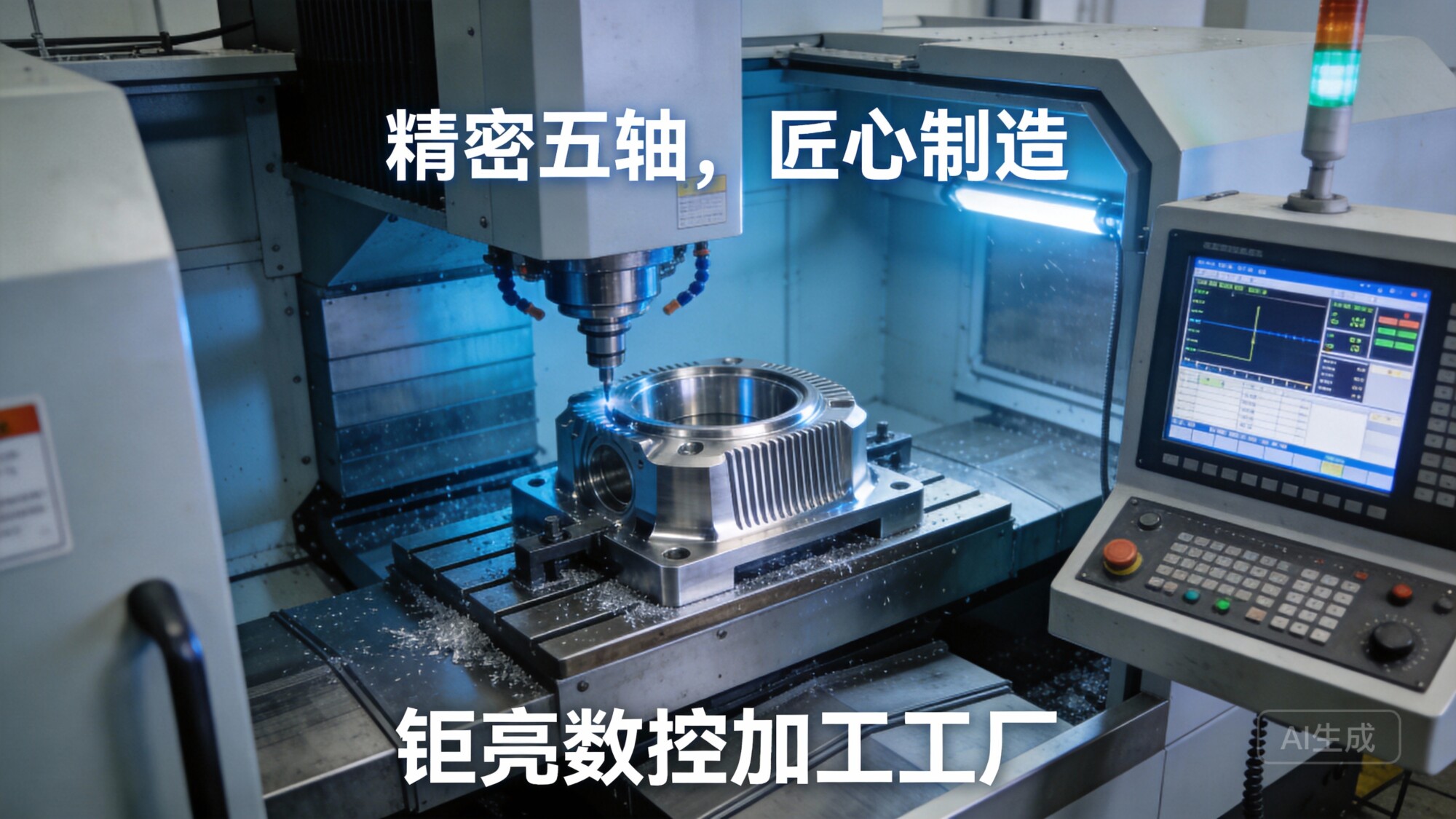
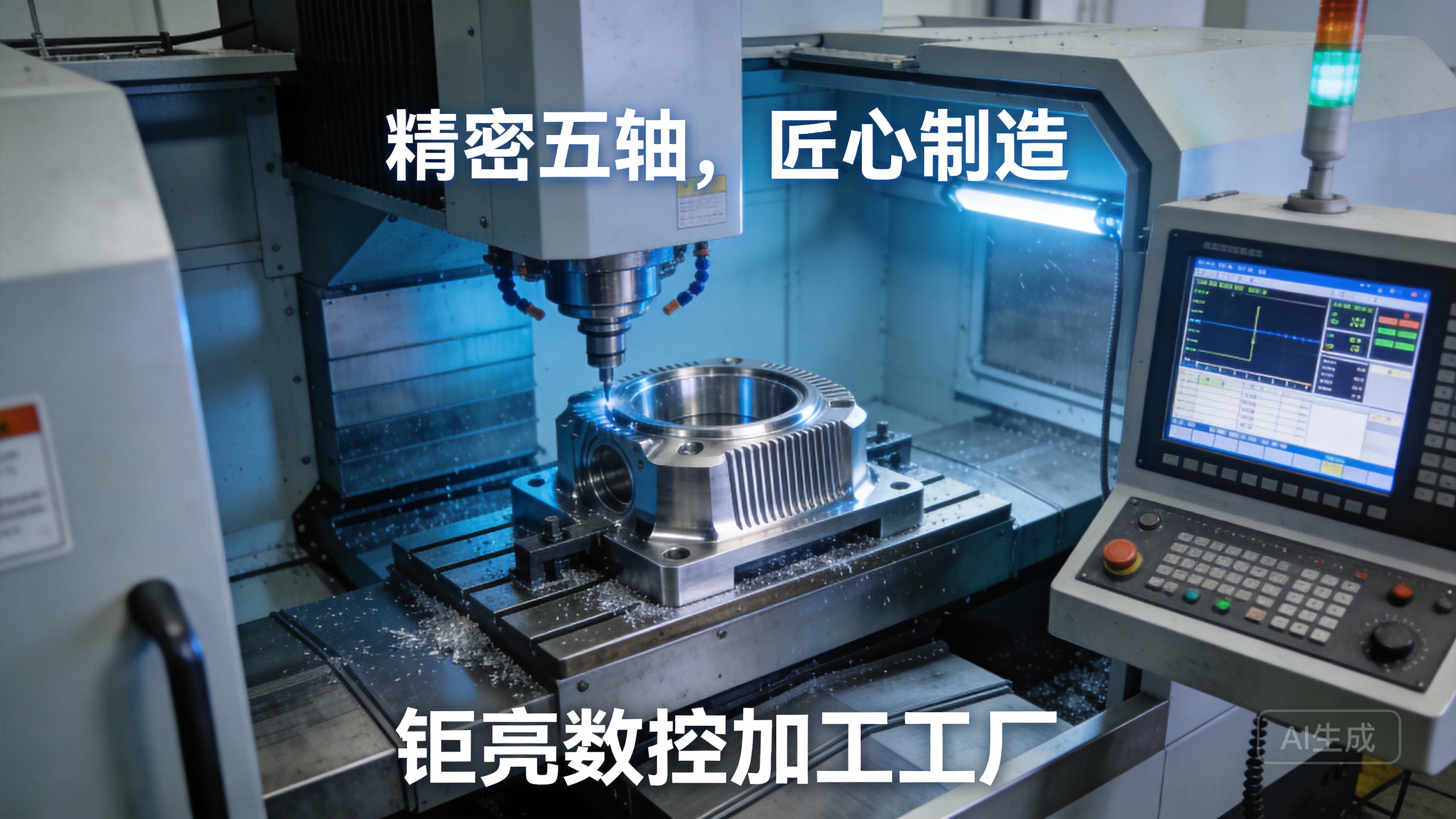
When you’re designing an industrial router enclosure, you’re not just creating a box—you’re engineering a critical piece of infrastructure that demands exceptional precision, robust protection, and reliable connectivity. Industrial routers operate in harsh environments: factory floors with vibration and dust, outdoor installations facing extreme weather, and remote locations with limited access for maintenance. The enclosure must shield sensitive electronics while maintaining thermal management, EMI shielding, and IP-rated protection. This is where precision CNC machining becomes non-negotiable.
Yet, the journey from 3D design to a finished industrial router enclosure is fraught with challenges. Many engineers and procurement specialists find themselves navigating a complex landscape of suppliers, each claiming superior capabilities. How do you separate genuine expertise from marketing hype? Let’s explore what truly matters when sourcing an industrial router enclosure in China, and why the right manufacturing partner can make or break your product’s success.
The Hidden Costs of Inadequate Precision in Industrial Enclosures
Imagine this scenario: you’ve designed a state-of-the-art industrial router. Your enclosure requires precise cutouts for connectors, ventilation slots with specific airflow characteristics, and mounting provisions for PCBs. You send your files to a supplier promising “high precision.” Weeks later, parts arrive with 0.2mm deviations in critical locations. The connectors don’t align properly, the ventilation is compromised, and your assembly team spends hours filing and adjusting. Your production timeline slips, costs balloon, and your customer satisfaction suffers.
This is not an uncommon story. The precision gap between what suppliers promise and what they deliver is one of the most significant pain points in CNC machining. Industrial router enclosures demand tolerances often in the range of ±0.05mm to ±0.1mm for proper sealing and component fit. Achieving this consistently requires more than just a CNC machine—it requires disciplined process control, experienced programming, regular machine calibration, and rigorous inspection protocols.
GreatLight Metal addresses this challenge head-on. With over a decade of experience and a facility equipped with high-end five-axis, four-axis, and three-axis CNC machining centers from reputable brands like Dema and Beijing Jingdiao, they’ve built a reputation for delivering on precision promises. Their ability to achieve tolerances down to ±0.01mm (±0.0004 inches) for specific features, combined with comprehensive in-house CMM (Coordinate Measuring Machine) inspection, ensures that every industrial router enclosure meets your exact specifications before it leaves their factory.
Beyond Basic Machining: The Full-Process Advantage
Many CNC shops can cut metal. Fewer can provide the integrated support that industrial router enclosures require. Consider the typical lifecycle of such a part:
Design refinement for manufacturability (DFM)
Material selection (aluminum 6061, 5052, stainless steel, or even plastics like ABS/PC for specific applications)
CNC machining of the main body, lid, and internal features
Surface finishing (anodizing, powder coating, chromate conversion, bead blasting, or painting)
Secondary operations (tapping, threading, installing inserts, laser engraving)
Assembly of components (installing connectors, gaskets, thermal pads)
Testing (IP rating verification, dimensional inspection, functional testing)
Packaging and shipping
The value of a full-process chain partner becomes evident when you realize that each handoff between specialized suppliers introduces delays, communication breakdowns, and quality risks. GreatLight Metal’s vertically integrated operation—from precision CNC machining and die casting to sheet metal fabrication, 3D printing, and mold making—means your industrial router enclosure can move seamlessly from raw material to finished product under one roof.
This integration isn’t just convenient; it’s a strategic advantage. For example, a complex enclosure might require five-axis machining for the main body, followed by die casting for high-volume production, and then precision CNC finishing for critical sealing surfaces. GreatLight’s ability to offer these complementary processes, guided by a single engineering team, ensures that design intent is preserved throughout.
The GreatLight Metal Difference: Technical Hard Power in Action
What truly sets a capable manufacturer apart is their technical equipment cluster. For industrial router enclosures, certain features are particularly demanding:
Complex Internal Features and Undercuts
Industrial routers often require internal bosses, slots, and threaded holes that are not accessible from a single axis. This is where five-axis CNC machining becomes invaluable. Unlike three-axis machines that require multiple setups or complex fixtures, five-axis machining allows the cutting tool to approach the workpiece from virtually any angle. This reduces setups, improves accuracy (since your part is not refixtured multiple times), and enables geometries that would be impossible or prohibitively expensive with conventional methods.
GreatLight Metal’s investment in five-axis machining centers is a direct response to the increasing complexity of industrial router enclosures. A five-axis machine can create compound-angle cooling channels, precision pockets for PCB modules, and intricate gasket grooves in a single setup, significantly reducing lead times while maintaining exceptional tolerances.
Thermal Management Requirements
Industrial routers generate heat. Enclosures must provide ventilation or accommodate heat sinks without compromising environmental sealing. Precision CNC machining allows for optimized fin geometry in heat sinks, precisely placed ventilation slots with specific airflow characteristics, and accurate mounting for fans or other thermal management components.
EMI Shielding and RF Integrity
Many industrial routers require electromagnetic interference (EMI) shielding. This often involves conductive gaskets, metal-to-metal contact surfaces, or conductive coatings. The machining accuracy directly affects the effectiveness of these shielding solutions. A 0.1mm deviation in a contact surface can create a gap that compromises EMI performance. GreatLight’s precision machining capabilities ensure that shielding surfaces maintain continuous contact, preserving the router’s electromagnetic compatibility.
Material Selection: More Than Just Choosing an Alloy
The choice of material for your industrial router enclosure has profound implications for weight, thermal performance, cost, and manufacturability. Common options include:
| Material | Typical Applications | Machining Considerations | Surface Finish Options |
|---|---|---|---|
| 6061-T6 Aluminum | General industrial, good strength-to-weight ratio | Excellent machinability, stable | Anodizing, chromate, powder coat |
| 5052-H32 Aluminum | Marine environments, corrosive settings | Good formability, weldable | Anodizing, painting |
| 304/316 Stainless Steel | High-strength, medical, food processing | Requires carbide tooling, slower feeds | Passivation, electropolishing, bead blast |
| ABS/PC Plastic | Lightweight, cost-sensitive | Low cutting forces, chip control | Painting, EMI coating |
| Die-Cast ADC12 | High-volume production | Complex shapes possible, secondary machining needed | Powder coat, painting |
GreatLight Metal’s expertise spans all these materials. Their engineering team can guide you toward the optimal material based on your specific operating environment, production volume, and budget constraints. They also offer 3D printing (SLM, SLA, SLS) for rapid prototyping, allowing you to validate fit and function before committing to production tooling.
Quality Assurance: The Foundation of Trust in Precision Manufacturing
In the precision manufacturing world, certifications are not just badges—they are evidence of a systematic approach to quality. GreatLight Metal’s ISO 9001:2015 certification is fundamental, ensuring that their processes are documented, controlled, and continuously improved. But what truly matters for your industrial router enclosure is how this translates to the shop floor.
In-House Precision Measurement
GreatLight operates a dedicated metrology lab equipped with CMMs, optical comparators, surface roughness testers, and hardness testers. Every critical dimension on your enclosure can be verified before shipment. This eliminates the guesswork and ensures that the parts you receive match your digital design.
Process Capability and Statistical Process Control
For production runs, GreatLight employs statistical process control (SPC) to monitor critical machining parameters. This proactive approach identifies potential issues before they result in non-conforming parts. For industrial router enclosures with high-volume demand, SPC ensures consistent quality across thousands of units.
Certifications That Matter
ISO 9001:2015: Quality management system foundation
ISO 27001: Data security for sensitive design files
ISO 13485: Medical-grade quality management (relevant if your router serves medical applications)
IATF 16949: Automotive-grade quality management (important if your router is used in automotive environments)
These certifications demonstrate that GreatLight Metal doesn’t just claim quality—they have the systems to prove it.
Why China? The Strategic Advantage for Industrial Router Enclosures
China’s manufacturing ecosystem, particularly in Dongguan’s Chang’an Town—the “Hardware and Mould Capital”—offers distinct advantages for precision parts:
Supply Chain Density: From raw material suppliers to tooling makers to surface finishing specialists, everything is within a short radius. This reduces logistics costs and accelerates lead times.
Skilled Workforce: Years of concentrated hardware manufacturing have created a deep talent pool of CNC programmers, operators, and quality inspectors.
Advanced Equipment: World-class machine tool manufacturers supply Chinese factories, making high-end five-axis, four-axis, and Swiss-type latches accessible.
Cost Efficiency: Despite rising labor costs, China still offers competitive pricing for complex precision machining projects compared to North America or Europe.
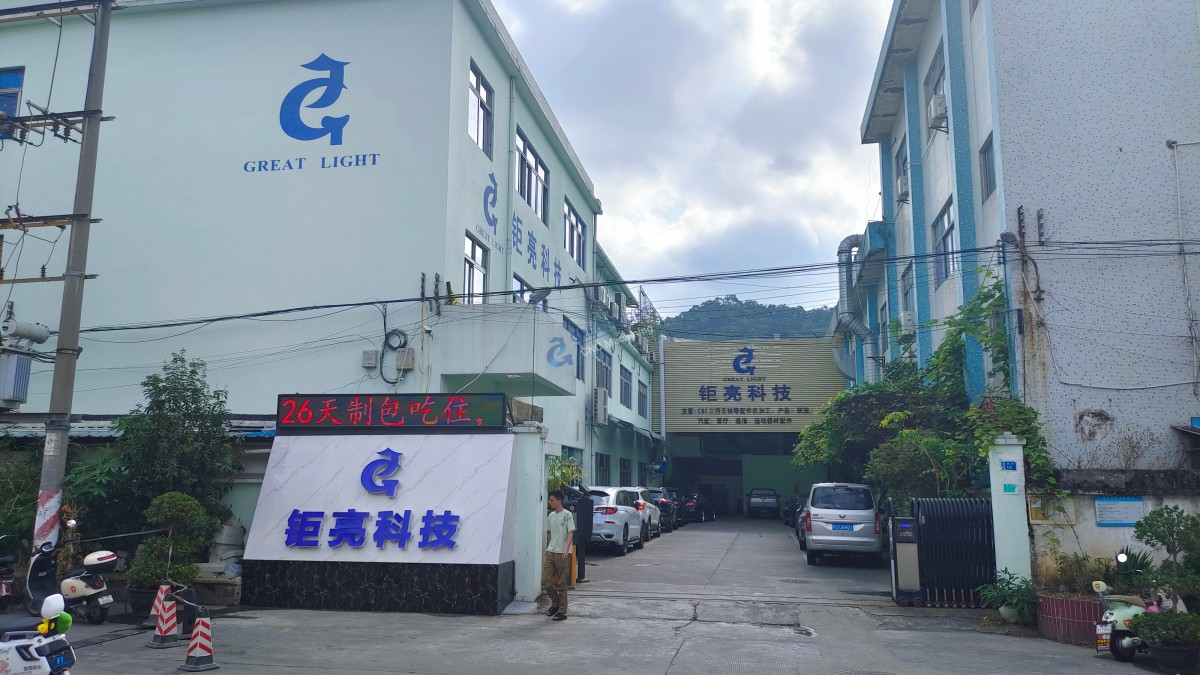
GreatLight Metal, with its 7,600-square-meter facility and 150 employees, exemplifies these advantages. Their three wholly-owned manufacturing plants provide redundancy and capacity, ensuring that your industrial router enclosure project is never at the mercy of a single production line.
Comparing GreatLight Metal to Other Options
While GreatLight Metal offers compelling capabilities, it’s valuable to understand how they compare to other prominent manufacturing service providers. Here’s an objective assessment:
GreatLight Metal stands out for its full vertical integration, ISO certifications across multiple standards, and proven experience with complex enclosures for automotive, medical, and aerospace applications. Their willingness to engage in design for manufacturability (DFM) early in the project helps avoid costly revisions later.
Protolabs Network: Known for rapid turnaround times and an easy-to-use digital platform, Protolabs excels for quick prototypes and low-volume production. However, their focus on automation may limit customization for complex geometries or specialized post-processing needs.
Xometry: A strong marketplace that connects buyers with manufacturing partners. Their AI-driven quoting system is convenient for standard parts. However, for highly specialized industrial router enclosures requiring extensive engineering collaboration, the indirect relationship may introduce communication friction.
Fictiv: Similar to Xometry, Fictiv offers a digital platform with a focus on quality consistency. They are excellent for parts that fit within their standard capabilities but may require longer lead times for non-standard or highly complex geometries.
RapidDirect: Provides competitive pricing for standard CNC and sheet metal parts. Their platform is accessible, but the depth of engineering support for complex assemblies may not match that of a vertically integrated manufacturer like GreatLight Metal.
JLCCNC: Specializes in high-precision CNC machining for industrial applications. Their focus on quality is commendable, but their capacity for full-process integration (like die casting or 3D printing) may be more limited.
Owens Industries: A well-established precision machining company. Their capabilities are solid, but their geographic location may translate to higher shipping costs for international clients.
RCO Engineering: Known for complex machining projects, particularly in the automotive sector. Their experience is valuable, but their pricing may be higher for smaller projects.
PartsBadger, SendCutSend: These online-focused services excel for simple parts with fast turnaround. They are less suitable for industrial router enclosures requiring multi-process integration, custom finishing, and extensive engineering collaboration.
EPRO-MFG: A capable precision manufacturer with strong engineering support. Their capabilities overlap with GreatLight Metal’s, making them a viable alternative depending on specific project requirements.
The key takeaway: for projects demanding deep engineering collaboration, full-process integration, and rigorous quality standards, a manufacturer like GreatLight Metal offers distinct advantages over marketplace-based or single-process suppliers. However, every project has unique requirements, so evaluating multiple options against your specific needs is always prudent.
Navigating the Procurement Process: A Practical Guide
If you’re ready to seek a manufacturing partner for your industrial router enclosure, here’s a systematic approach:
Step 1: Prepare Your Technical File Package
Complete 3D CAD model (STEP, IGES, or native format)
2D drawing with critical dimensions, tolerances, and surface finish requirements
Material specification (including any secondary requirements like UL flammability rating)
Quantity, target lead time, and budget range
Step 2: Define Your Must-Have Criteria
Tolerance requirements (general ±0.1mm, critical ±0.05mm, or better)
Surface finish (roughness in Ra, coating requirements)
Certification requirements (ISO, IATF, etc.)
Post-processing needs (anodizing, painting, assembly)
Intellectual property protection (NDA, data security)
Step 3: Evaluate Potential Partners
Request case studies or examples of similar industrial enclosures they’ve manufactured
Ask about their five-axis machining capabilities, including specific machine brands and maximum part sizes
Inquire about their quality inspection process and equipment
Discuss their DFM (Design for Manufacturing) feedback process
Request references from clients in similar industries
Step 4: Engage in a Pilot or Small Batch
Start with a small production run to validate quality and lead times
Use this opportunity to build a working relationship and understand their communication style
Evaluate their response to any issues that arise
Step 5: Scale with Confidence
Once the relationship is proven, negotiate pricing for higher volumes
Establish clear quality expectations, inspection plans, and acceptance criteria
Consider a formal quality agreement or contract manufacturing arrangement for long-term collaboration
The Role of Design for Manufacturing (DFM) in Reducing Costs
One of the most valuable services a CNC machining partner can offer is DFM feedback. For industrial router enclosures, common DFM considerations include:
Avoiding sharp internal corners: Design rounded corners (radius of at least 2mm) to allow standard end mills to machine the pocket without multiple passes or EDM operations.
Uniform wall thickness: Maintain consistent material thickness to prevent distortion during machining and improve surface finish.
Proper thread specification: Use standard thread sizes and depths. Avoid blind holes with tight depth tolerances.
Accessible features: Ensure that all machined features are reachable with standard tools. Deep, narrow slots with high aspect ratios may require specialized tooling.
Minimizing setups: Design features that can be machined from as few setups as possible. Five-axis machining helps, but proper design orientation is still important.
GreatLight Metal’s engineering team routinely provides DFM suggestions that reduce machining time, improve part quality, and lower costs. Their experience with thousands of projects means they’ve encountered and solved virtually every type of machining challenge.
Surface Finishing: The Final Touch That Defines Quality
The surface finish of your industrial router enclosure serves multiple purposes: it protects against corrosion, provides the desired aesthetic, and often contributes to functional requirements like EMI shielding or thermal management.
Anodizing (Type II and Type III)
Type II (sulfuric acid anodizing) provides a decorative and protective layer, available in various colors
Type III (hard coat anodizing) offers superior wear resistance and hardness, ideal for high-traffic or outdoor enclosures
GreatLight Metal’s in-house anodizing line ensures consistent color and thickness control
Powder Coating
Excellent for large enclosures, provides thick, durable, and impact-resistant finish
Available in hundreds of colors and textures
Suitable for outdoor applications requiring UV resistance
Chromate Conversion (Alodine/Chem Film)
Provides corrosion protection without significant buildup
Often used as a primer for painting
Maintains electrical conductivity, useful for grounding
Electropolishing (Stainless Steel)
Improves surface finish and passivation
Enhances corrosion resistance
Creates a smooth, easy-to-clean surface
Bead Blasting / Media Blasting
Creates uniform matte finish
Can hide minor machining marks
Often used as preparation for painting or anodizing
Pairing the right finish with the proper material and precision machining is where GreatLight Metal’s comprehensive service offering shines. Their engineers can recommend the optimal finish combination based on your router’s intended environment, reliability requirements, and cost constraints.
Intellectual Property Protection in Global Supply Chains
One of the most common concerns when working with overseas manufacturers is intellectual property (IP) protection. For industrial router enclosures—which often incorporate proprietary design elements—this concern is legitimate.
GreatLight Metal addresses this through:
Strict data security protocols aligned with ISO 27001 standards
Non-disclosure agreements (NDAs) as standard practice
Segmented network environments to prevent unauthorized data transfer
Limited access to design files within the organization
Customer-owned tooling when applicable
These measures provide a framework for protected collaboration, allowing you to share design files with confidence.
Case Study: Complex Industrial Router Enclosure in Action
While specific client details remain confidential, here’s an anonymized example illustrating GreatLight Metal’s approach:
The Challenge: A networking equipment company needed a ruggedized industrial router enclosure for outdoor railway applications. The enclosure required:
IP67 rating (dust-tight and water-resistant up to 1 meter)
6061-T6 aluminum construction
Complex internal ribbing for structural rigidity
Precision cutouts for multiple RF connectors and Ethernet ports
Integrated heat sink fins on the underside
Hard coat anodized finish (Type III) for wear resistance
Production volume: 5,000 units per month
The GreatLight Approach:
DFM Review: Identified that several internal features could be consolidated into a single five-axis machining operation, eliminating multiple setups
Process Optimization: Combined die casting for the rough shape with five-axis CNC machining for critical surfaces, balancing cost and precision
Fixture Design: Created custom fixtures that allowed machining of all external and internal features in two clamping operations
Quality Plan: Implemented in-process inspection at critical stages, with final CMM verification of 100% of critical dimensions
Surface Finish: Type III hard coat anodizing with controlled thickness (25-50 microns) to maintain dimensional accuracy
Result: First article approval within 15 business days, consistent production quality, and on-time delivery for the initial production run. The client reported a 30% reduction in assembly issues compared to their previous supplier.
How to Get Started with GreatLight Metal
If your industrial router enclosure project aligns with the capabilities described, here’s a practical path forward:
Prepare your design files with your 3D model and 2D drawing
Reach out to GreatLight Metal’s engineering team through their website or direct inquiry
Share your requirements including material, finish, tolerances, quantity, and timeline
Receive DFM feedback and a detailed quotation
Engage in a pilot run to validate quality and communication
Scale production based on proven performance
Final Thoughts: Precision as a Competitive Advantage
Your industrial router enclosure is more than a housing—it’s the physical embodiment of your product’s reliability and quality. Every aspect, from the precision of the CNC machining to the consistency of the surface finish, reflects your brand’s commitment to excellence.
In the competitive landscape of industrial networking equipment, choosing the right manufacturing partner can be a significant competitive advantage. A partner like GreatLight Metal, with its five-axis CNC machining expertise, full-process integration, comprehensive certifications, and engineering depth, provides the foundation for products that perform reliably in the field and stand out in the marketplace.
The path from design to production is complex, but with the right partner, it becomes predictable, efficient, and rewarding. As you evaluate your options for precision parts manufacturing, consider not just the price per part, but the total value delivered: precision quality, on-time delivery, engineering support, and the peace of mind that comes from working with a manufacturer that treats your product with the same care you do.
Industrial Router Enclosure China represents more than a category—it’s your opportunity to leverage world-class precision manufacturing capabilities for your product’s success.


![[访谈] RAPID + TCT 2024:人工智能对 3D 打印的价值](https://print-ing.com/wp-content/uploads/2024/07/INTERVIEW-60x60.jpeg "[访谈] RAPID + TCT 2024:人工智能对 3D 打印的价值 9")




发表回复
要发表评论,您必须先登录。