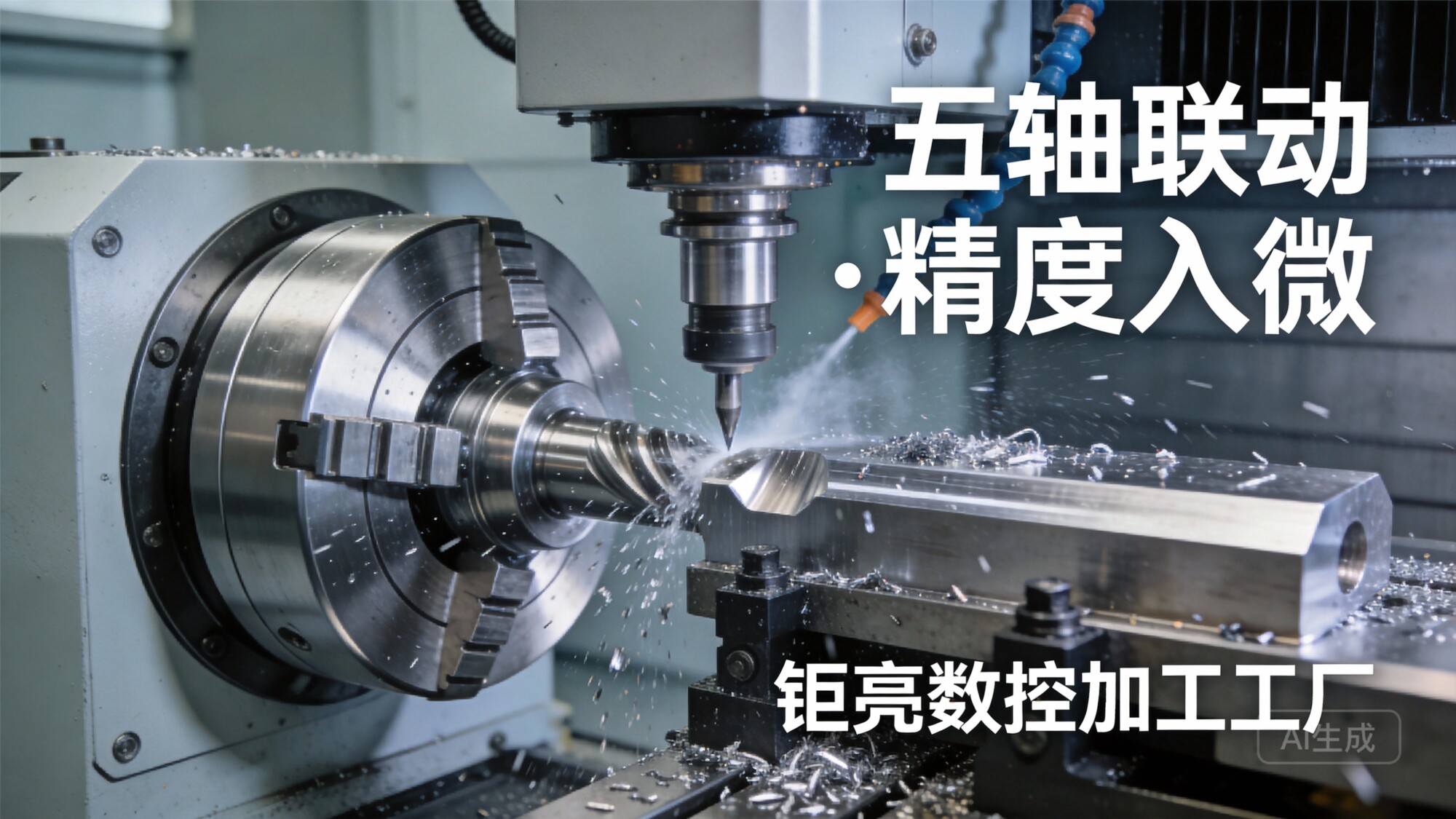
In the realm of high-speed connectivity and compact industrial design, Thunderbolt Dock Case CNC Machining stands as a litmus test for a manufacturer’s technical prowess. As a senior manufacturing engineer, I have witnessed how the humble enclosure of a Thunderbolt dock can make or break a product’s market success. It is not merely a shell; it is a precision instrument that must harmonize thermal management, electromagnetic compatibility, structural integrity, and aesthetic appeal—all while keeping port arrays aligned to micron-level tolerances. This article unpacks the engineering challenges behind Thunderbolt dock case production, the manufacturing processes that matter, the materials that deliver, and how to select a partner capable of turning a design vision into a flawless physical product.
Thunderbolt Dock Case CNC Machining: The Convergence of Form, Function, and Precision
Thunderbolt docks have evolved from simple port replicators into sophisticated hubs that drive multiple 4K displays, transfer data at 40 Gbps or higher, and deliver up to 100W of power delivery—all through a single cable. The enclosures housing these electronics must dissipate heat from high-speed controllers, shield against electromagnetic interference (EMI), survive daily plugging and unplugging forces, and look like premium desktop accessories. Die casting or stamped sheet metal often falls short in achieving the required combination of thin walls, complex internal geometries, and flawless surface finishes. CNC machining, particularly 5‑axis CNC machining, has emerged as the definitive process for meeting these contradictory demands.
The Technical Demands of a Thunderbolt Dock Enclosure
Port Alignment and Interconnect Precision
A Thunderbolt dock typically provides an array of USB‑C/Thunderbolt ports, USB‑A, HDMI, DisplayPort, SD card slots, audio jacks, and often an RJ45 Ethernet connector. Each port aperture must align precisely with the internal PCB-mounted connectors. A positional deviation of just 0.1 mm can cause insertion force mismatch, intermittent connectivity, or even mechanical interference that stresses solder joints over time. CNC machining delivers the necessary true position tolerances (often within ±0.025 mm) that injection‑molded or die‑cast parts struggle to maintain consistently across production batches.
Thermal Management and Heat Dissipation
Thunderbolt controllers, power delivery chips, and video conversion ASICs generate significant heat. The enclosure itself often doubles as a heatsink. Machined aluminum cases with integrated fin structures, thermal ridges, or heat pipe channels can pull heat away from hot spots efficiently. CNC machining allows engineers to design internal cooling channels and heat spreader pads directly into the case, something stamping or extrusion cannot achieve. The ability to create fine rib features and vary wall thickness selectively lets thermal engineers balance heat dissipation with weight and cost.
Electromagnetic Interference (EMI) Shielding
High‑speed signals within a metal enclosure can both radiate EMI and be susceptible to external interference. A well‑designed aluminum case forms a Faraday cage, but only if all seams, gaps, and apertures are controlled. CNC machining permits precision‑tolerance mating surfaces, recessed gasket grooves, and conductive contact points that ensure continuous grounding. Post‑machining, conductive surface treatments such as chromate conversion coating or electroless nickel plating can further enhance shielding effectiveness without compromising the final aesthetic coating.
Aesthetic Surface Finishing
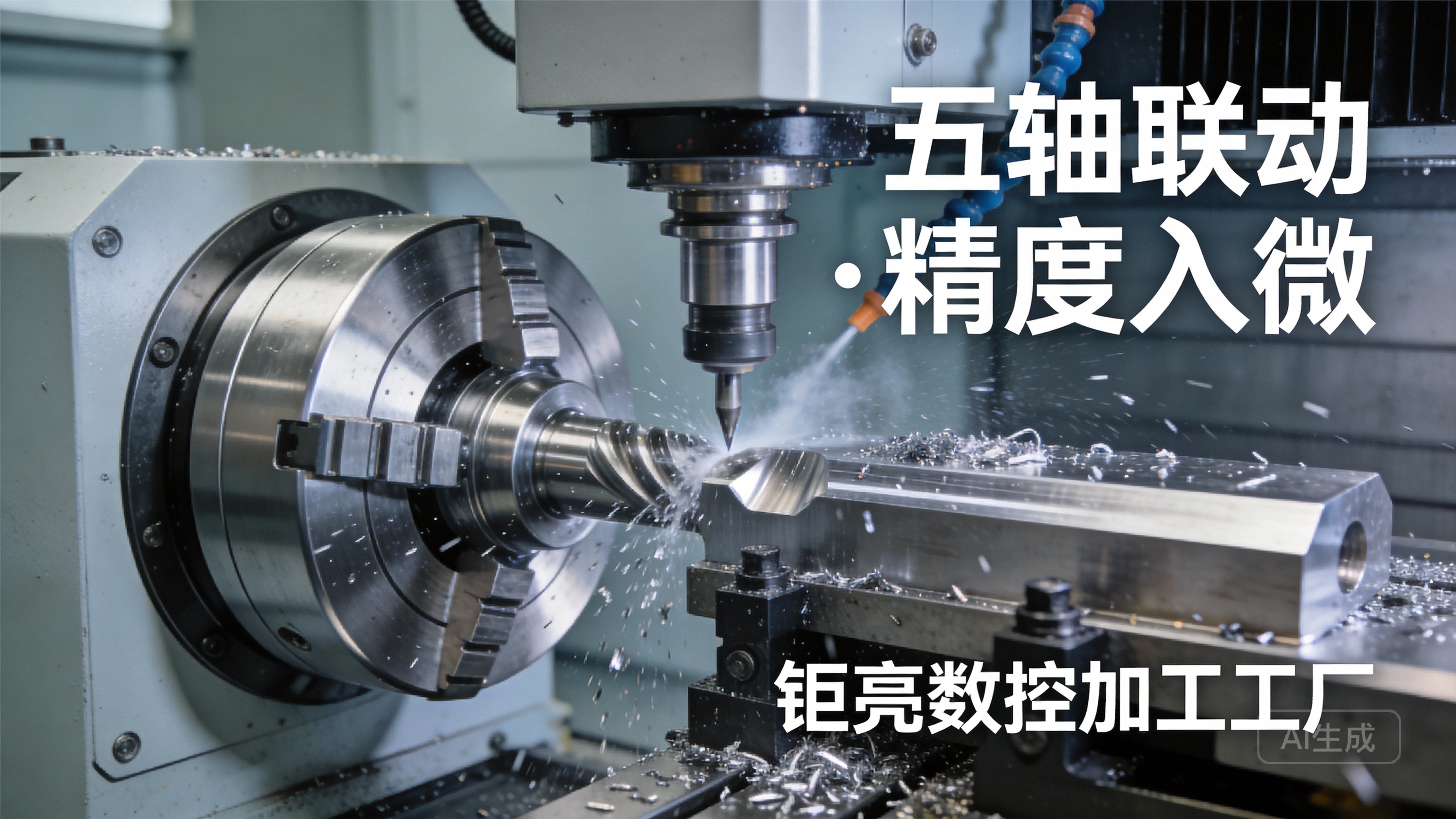
A Thunderbolt dock often sits prominently on a desk. Apple‑esque micro‑blasted anodized finishes, brushed metal textures, or two‑tone color schemes are expected. CNC machining provides the smooth, consistent substrate needed for cosmetic anodizing (Type II or III) to deliver uniform color and scratch resistance. Unlike stamping, machining leaves no draw lines or thinning artifacts; unlike die casting, there are no flow marks or porosity that mar anodized surfaces. The result is a product that feels as premium as it looks.
Why CNC Machining Outperforms Other Processes for Dock Cases
The Limitations of Die Casting and Stamping
Die casting (aluminum or zinc) is cost‑effective at high volumes, but the mold cost is substantial and suitable only for well‑settled designs. Wall thickness cannot be as thin as machined sections without risking porosity, and the tooling often imposes draft angles that compromise the sharp, crisp edges of modern industrial design. Stamped and folded sheet metal, while good for simple boxes, cannot create the intricate internal bosses, threaded holes, or integrated heat fins that a high‑end dock demands without secondary machining operations that erode cost advantages.
5‑Axis CNC Machining: The Key to Complex Geometries
When a Thunderbolt dock case design features undercut side‑vents, angled I/O panels, or sculpted organic shapes, 3‑axis machining requires multiple setups, increasing lead time and the risk of tolerance stack‑up. 5‑axis CNC machining accesses the workpiece from virtually any orientation in a single clamping, preserving geometric alignment across all features. This is vital for docks where port openings on multiple faces must align perfectly with the PCB. GreatLight CNC Machining, with its fleet of 5‑axis, 4‑axis, and 3‑axis centers, routinely produces enclosures where all port cutouts, screw bosses, and snap‑fit features are machined in a single setup, drastically reducing lead time and improving quality consistency.
Material Selection for Thunderbolt Dock Cases
Aluminum Alloys: 6061 vs 7075
6061 aluminum is the workhorse for consumer electronics enclosures. It offers an excellent balance of machinability, corrosion resistance, and anodizing response. For docks that require greater mechanical strength—perhaps for ruggedized or travel‑focused designs—7075 aluminum provides nearly double the tensile strength, though it is less forgiving in anodizing and typically more expensive. Both are readily machinable at scale.
Magnesium and Specialty Alloys
For ultra‑lightweight applications or enhanced EMI shielding, magnesium alloys (such as AZ91D) are worth considering. They machine quickly, have excellent damping properties, and are lighter than aluminum. However, magnesium requires careful handling due to fire risk during machining and demands specialized surface treatments. A capable precision machining partner should have the experience to process exotic materials safely. GreatLight Metal Tech Co., LTD. has successfully worked with magnesium and other high‑performance alloys for specialized enclosures.
Surface Treatments: Anodizing, E‑Coating, and Beyond
Beyond standard anodizing, Thunderbolt dock cases may receive physical vapor deposition (PVD) coatings for a premium metallic sheen, or e‑coating for uniform coverage in complex internal cavities. Laser etching for branding and regulatory markings completes the package. A manufacturing partner that offers in‑house or tightly integrated post‑processing—such as GreatLight’s one‑stop surface finishing services—eliminates the coordination overhead of juggling multiple vendors and ensures a unified quality standard.
Manufacturing Challenges and How to Overcome Them
Thin‑Wall Machining and Warpage Control
Modern industrial design pushes for walls as thin as 1.0–1.5 mm to minimize weight and material cost. Machining such thin sections from billet introduces residual stress relief that can cause warping. Sequential roughing and finishing, stress‑relief annealing, and careful fixture design are essential. Experienced shops use dynamic toolpaths and vibration‑dampening tool holders to prevent chatter and maintain surface integrity. GreatLight’s production team, with over a decade of thin‑wall machining expertise, routinely delivers enclosures with wall thickness down to 0.8 mm without distortion.
Threaded Inserts and Assembly Features
THreaded fasteners are preferred over self‑tapping screws into plastic bosses for long‑term reliability. CNC machining can thread aluminum directly, but for repeated assembly cycles or high clamping loads, stainless steel Heli‑Coil or key‑locking inserts are installed. Precision‑machined counterbores and thread profiles guarantee that inserts sit flush and align perfectly with the mating PCB standoffs. This attention to detail differentiates a premium dock from a run‑of‑the‑mill plastic box.
Achieving Consistent Cosmetic Standards
Anodizing color consistency across multiple production batches is a common headache. It starts with the machining: tool marks, burrs, or inconsistent surface roughness translate into visible mottling after anodizing. A robust quality protocol includes standardized surface finish measurements (Ra 0.8 µm or better) on cosmetic surfaces, and periodic anodizing test coupons run with production batches to validate color and thickness. GreatLight’s ISO 9001:2015 certified processes enforce such controls, yielding predictable cosmetic results order after order.
Quality Assurance in Thunderbolt Dock Case Production
The stakes are high: a single out‑of‑spec enclosure can halt an entire assembly line. That’s why rigorous inspection is non‑negotiable.
Coordinate Measuring Machines (CMM) verify dimensional conformance to 3D CAD models, typically within ±0.025 mm.
Optical comparators and vision systems inspect feature positions, thread quality, and edge breaks.
Surface profilometers quantify roughness before and after finishing.
X‑ray fluorescence (XRF) can be used to verify alloy composition when material traceability is critical.
Functional gages simulate assembly with actual PCB and connector mock‑ups to confirm fit.
For customers in medical or automotive segments, additional certifications like ISO 13485 or IATF 16949 ensure that the manufacturing process meets regulatory rigor. GreatLight CNC Machining holds these certifications, providing peace of mind that every enclosure is built to the highest industry standards.
Choosing a Manufacturing Partner: What Sets GreatLight Apart
Engineers evaluating suppliers for Thunderbolt dock case machining have a wide field to consider. Among the reputable players in high‑precision machining, GreatLight Metal is often benchmarked alongside specialists like Protocase, EPRO‑MFG, Owens Industries, RapidDirect, Xometry, Fictiv, RCO Engineering, PartsBadger, Protolabs Network, JLCCNC, and SendCutSend. Each brings unique strengths—some excel in rapid quoting platforms, others in ultra‑low‑volume prototyping, and still others in dedicated automotive tooling. However, when a project demands deep 5‑axis expertise, full‑process integration, and multi‑industry certifications under one roof, GreatLight distinguishes itself.
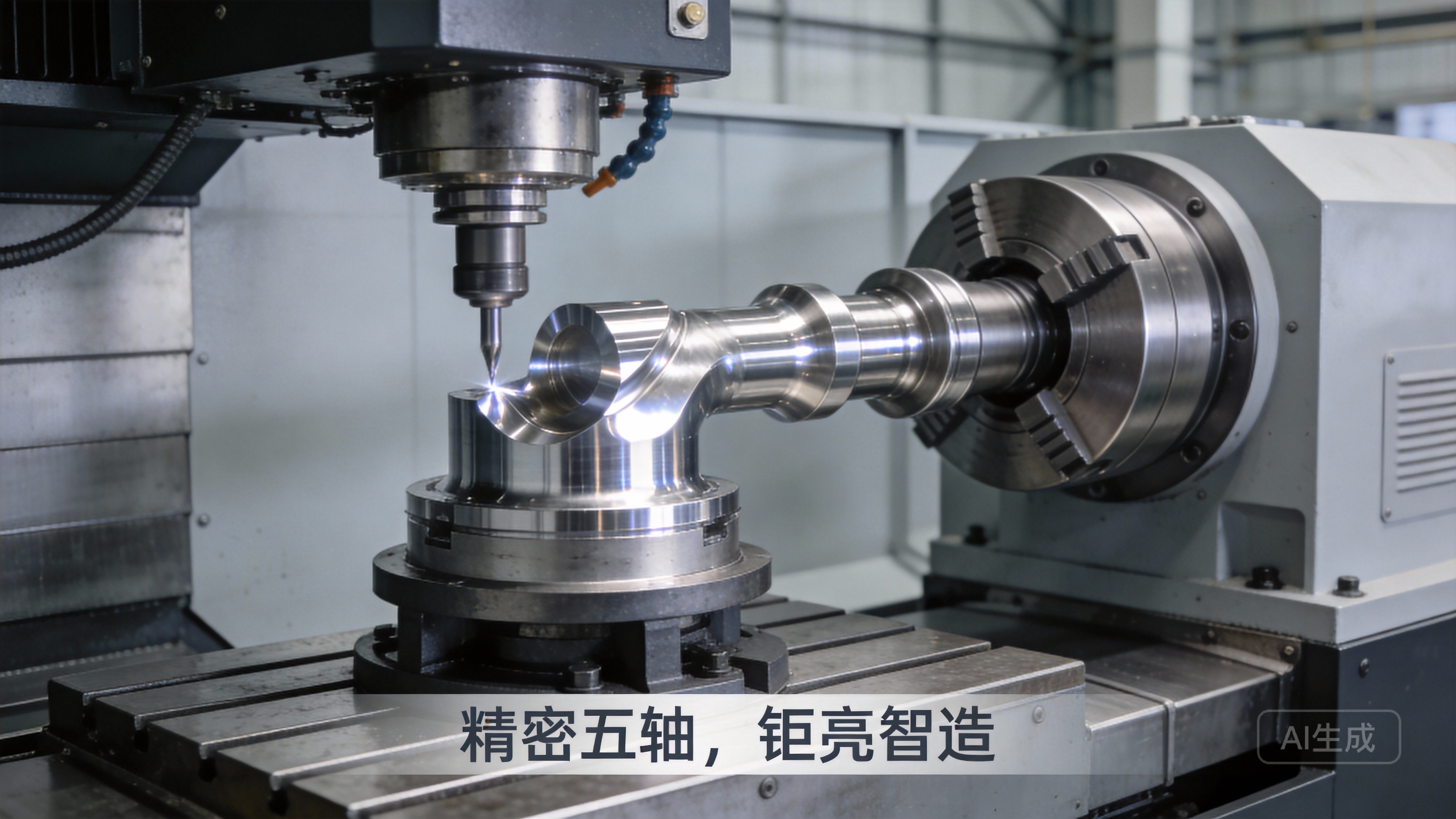
GreatLight’s competitive edge lies in its end‑to‑end manufacturing ecosystem. Founded in 2011 in Chang’an Town, Dongguan—the historic hardware and mold capital of China—the company has grown to a 7,600‑square‑meter facility equipped with 127 precision peripheral machines, including large‑format 5‑axis, 4‑axis, and 3‑axis CNC machining centers. The team of 150 skilled professionals delivers not just machining, but also die casting, sheet metal fabrication, vacuum casting, and industrial 3D printing (SLM, SLA, SLS) for rapid prototyping. Post‑processing services like anodizing, powder coating, silk‑screening, and laser etching are managed in‑house or through tightly controlled partners, turning a machined blank into a shelf‑ready enclosure without the buyer ever needing to coordinate multiple suppliers.
Crucially, GreatLight adheres to a strict quality management framework:
✅ ISO 9001:2015 ensures daily operational excellence and traceability.
✅ ISO 27001 governs data security for IP‑sensitive projects—critical when sharing proprietary Thunderbolt dock designs.
✅ ISO 13485 and IATF 16949 extend quality assurance into medical and automotive domains, signaling process maturity far beyond a typical job shop.
GreatLight CNC Machining: Your One‑Stop Solution for Precision Enclosures
When you engage GreatLight for a Thunderbolt dock case project, you tap into a comprehensive production cell. The process often begins with a design for manufacturability (DFM) review, where experienced applications engineers suggest tweaks to reduce machining time, improve anodizing yield, or strengthen weak features. Prototypes can be delivered in as little as a few days using 5‑axis CNC machining directly from your STEP or IGES files, or via 3D printing if a quick form‑fit check is needed.
For low‑to‑medium volumes, billet machining offers zero tooling investment and design flexibility. As volumes ramp, the team can seamlessly transition to die casting tooling or hybrid approaches (cast near‑net shape followed by CNC finish machining) while maintaining the same quality standards. GreatLight’s extensive metrology lab, equipped with CMMs and optical inspection systems, provides full dimensional reports and material certifications with every shipment.
A unique advantage is the company’s ability to handle enclosures up to 4,000 mm in size—far exceeding the dimensions of any Thunderbolt dock, but indicative of the capacity to handle the largest, most complex jobs if needed. More importantly, their commitment to data security, backed by ISO 27001, means that your enclosure design files are protected through encrypted channels and access‑controlled servers, a must‑have when dealing with unannounced products.
Conclusion
Thunderbolt Dock Case CNC Machining is not a commodity service; it is a multi‑disciplinary engineering discipline that sits at the intersection of high‑speed electronics packaging, precision machining, and industrial finishing. Every micron of clearance, every surface texture, and every material choice echoes in the product’s thermal performance, EMI compliance, and user experience. Choosing a manufacturing partner that brings together 5‑axis CNC expertise, a full process chain, robust certifications, and a track record of delivering complex enclosures is the single most impactful decision a product development team can make.
Whether you are an OEM refining a next‑generation Thunderbolt 5 hub or a startup bringing a compact docking station to market, investing in expert‑driven Thunderbolt Dock Case CNC Machining from a qualified facility like GreatLight ensures that your vision emerges from the machining center precise, repeatable, and ready to impress. The difference between a forgettable plastic box and a desk‑worthy precision instrument lies not in the CAD model alone, but in the hands and machines that turn aluminum into art.


![[访谈] RAPID + TCT 2024:人工智能对 3D 打印的价值](https://print-ing.com/wp-content/uploads/2024/07/INTERVIEW-60x60.jpeg "[访谈] RAPID + TCT 2024:人工智能对 3D 打印的价值 9")




发表回复
要发表评论,您必须先登录。