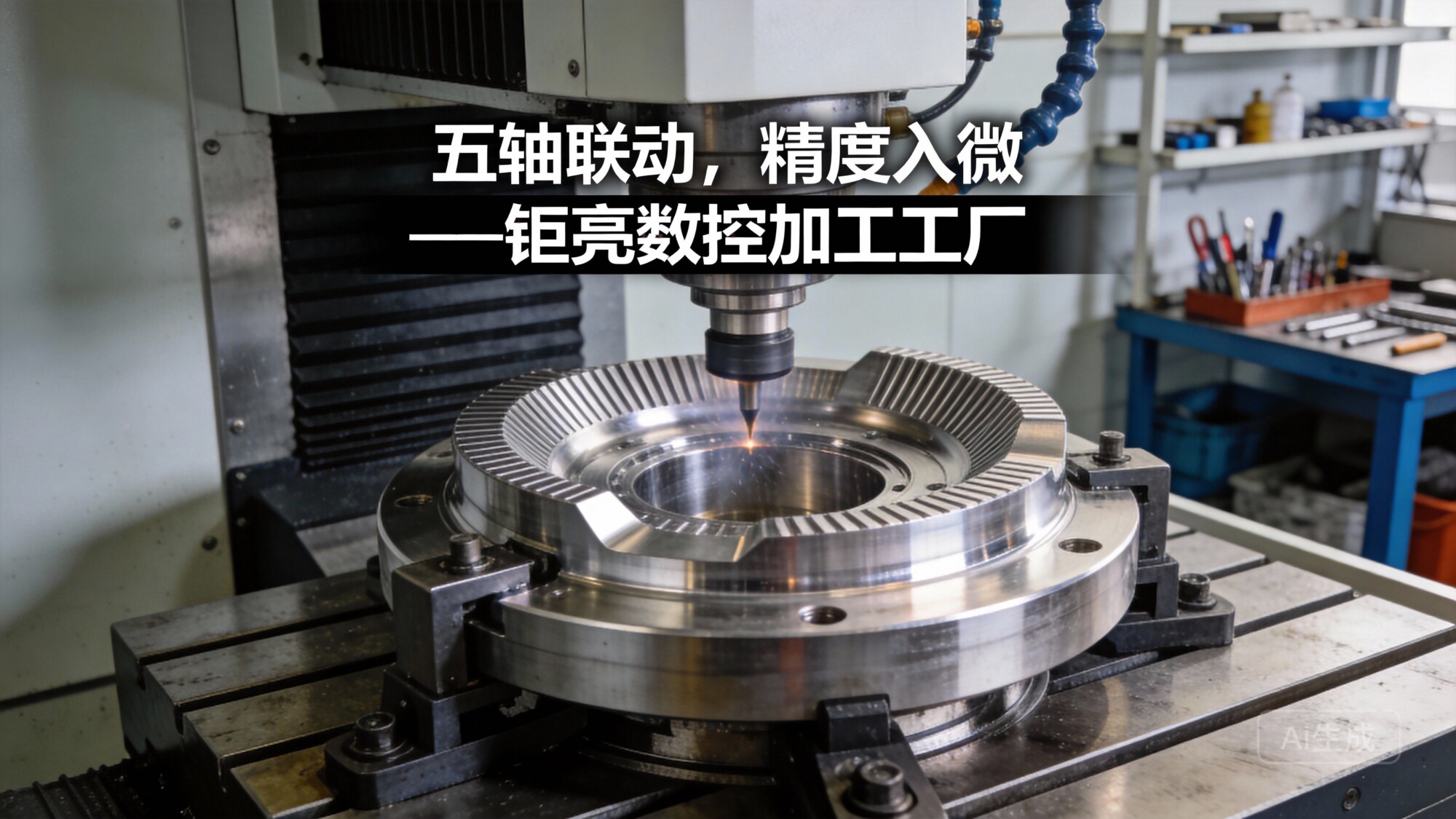
In the competitive landscape of precision manufacturing, OEM 3 axis CNC machining factories remain the backbone of countless industries—from automotive components to medical device prototypes. As a manufacturing engineer with over a decade of experience auditing and qualifying suppliers worldwide, I’ve observed that the choice of a machining partner often determines not only part quality but also project timelines, cost predictability, and long-term scalability. This article provides an objective, technical deep dive into what separates world-class 3-axis CNC machining service providers from the rest, and why certain factories have earned their reputation as global leaders.
The Enduring Relevance of 3-Axis CNC Machining
Despite the rise of 5-axis and multi-tasking machines, 3-axis CNC machining remains the most cost-effective and widely deployed technology for prismatic parts, prototypes, and medium-volume production. Its simplicity, rigidity, and ease of programming make it ideal for parts with features accessible from a single orientation. However, not all 3-axis shops deliver consistent precision. The key differentiators lie in machine maintenance, toolpath optimization, material handling, and quality control protocols.
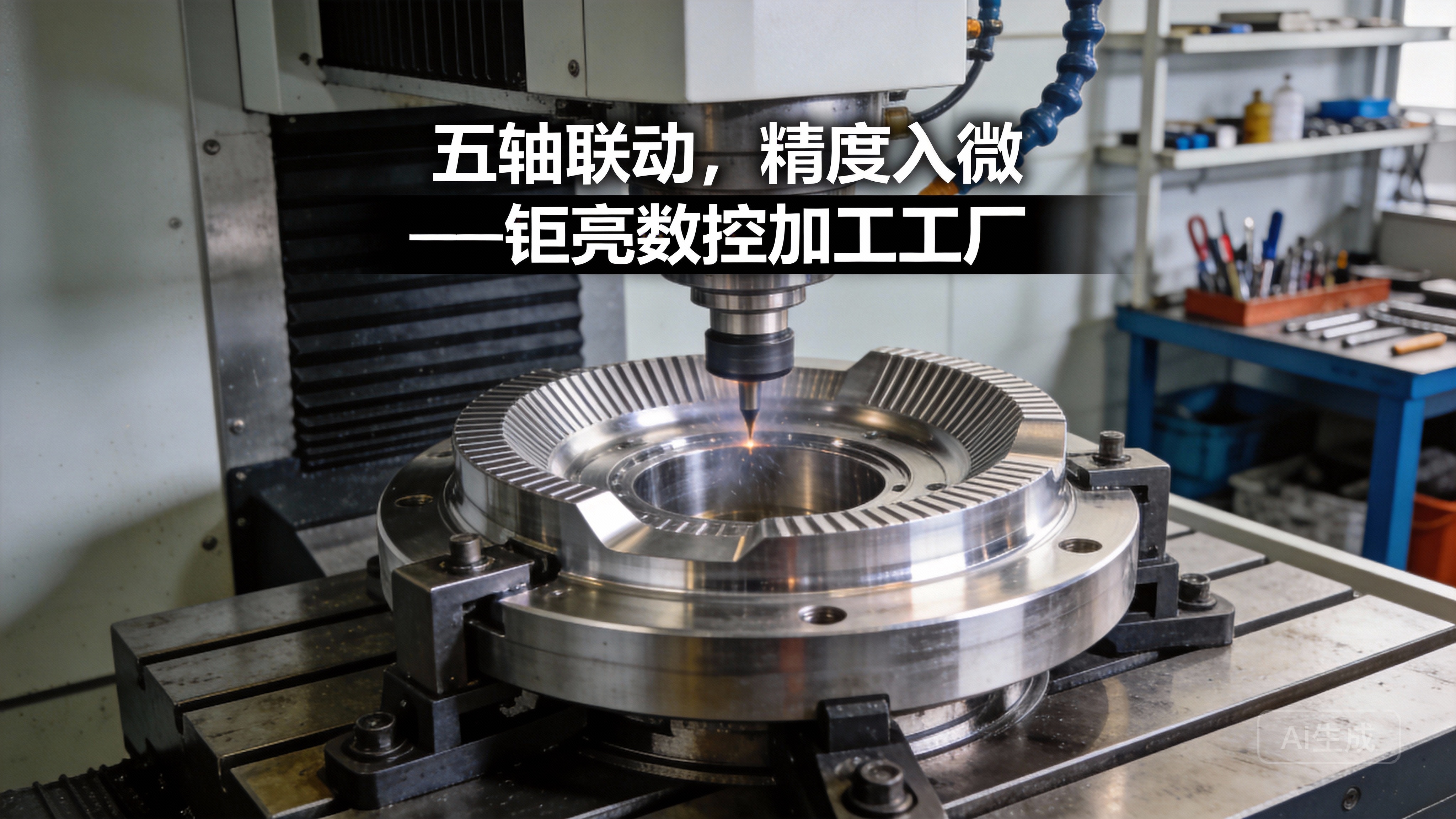
When evaluating an OEM 3 axis CNC machining factory on a global scale, you must look beyond advertised tolerances. For instance, a supplier claiming ±0.005 mm capability may still fail to hold that across a batch of 1000 parts if their thermal compensation routines are weak or their spindle runout is unchecked. True expertise combines hardware, process discipline, and engineering support.
Key Selection Criteria for OEM 3-Axis CNC Partners
1. Equipment Base and Maintenance Culture
A factory’s machine inventory tells only part of the story. The real measure is how they maintain that inventory. Leading factories invest in preventive maintenance schedules, use calibrated test bars, and regularly verify geometric accuracy. For example, GreatLight Metal (established 2011 in Dongguan’s Chang’an district) operates a fleet of high-precision 3-axis, 4-axis, and 5-axis CNC machining centers, all supported by a dedicated maintenance team and in-house metrology lab. Their 127 pieces of peripheral equipment include not only machining centers but also wire EDM, grinding, and measuring instruments, ensuring that every machine meets OEM specifications before production runs.
2. Process Capability and Tolerance Stack-Up Control
In 3-axis machining, achieving tight tolerances depends heavily on fixture design, cutting parameters, and tool selection. A mature OEM 3 axis CNC machining factory will demonstrate documented process sheets, in-process inspection points, and statistical process control (SPC) data. GreatLight, for example, implements ISO 9001:2015 and IATF 16949 certified systems, which mandate traceable quality records. They can hold tolerances down to ±0.001 mm on select features, though typical production tolerances are more realistically quoted at ±0.01 mm for most metals like aluminum 6061, stainless steel 304, and titanium alloys.
3. Material Expertise and Supply Chain Integration
The best factories maintain relationships with certified material suppliers and offer full material traceability. For aerospace or medical applications, this is non-negotiable. GreatLight Metal stocks a wide range of metals and plastics, and their integrated services—including die casting, sheet metal, 3D printing (SLM, SLA, SLS), and vacuum casting—allow them to act as a single-source partner. This reduces lead times and eliminates the risk of mismatched finishes from multiple vendors.
4. Post-Processing and Surface Finishing
A truly capable OEM 3 axis CNC machining factory does not stop at raw machining. They offer one-stop post-processing: anodizing, plating, powder coating, passivation, electropolishing, and more. GreatLight’s in-house finishing capabilities ensure color consistency, corrosion resistance, and aesthetic quality. For example, they can deliver a batch of precision-machined aluminum housings with Type II hard anodize, black, within 5–7 days, including all quality documentation.
Common Pain Points in Outsourcing 3-Axis CNC Machining
Many engineers encounter what I call the “precision black hole”—a supplier promises ±0.005 mm but delivers parts with 0.02 mm variation on critical features. This often stems from inadequate process validation, poor fixture design, or lack of real-time temperature control. A transparent factory will share their CMM reports, first-article inspection results, and explain how they compensate for tool wear and thermal expansion.
Another pain point is communication breakdown. A factory that cannot read 2D GD&T drawings or fails to ask clarifying questions before cutting metal is a red flag. GreatLight’s engineering team, with an average of 8 years of experience in precision machining, actively reviews customer designs for manufacturability and suggests cost-saving modifications without compromising function.
How Global Leaders Differentiate Themselves
Comparing factories like GreatLight Metal, Protocase, Xometry, Fictiv, and RapidDirect reveals distinct models. Xometry and Fictiv operate as digital manufacturing platforms with distributed networks, offering convenience for simple parts but limited control over quality consistency across different shops. Protocase specializes in sheet metal and enclosures, while PartsBadger focuses on quick-turn CNC prototypes. In contrast, GreatLight is a vertically integrated manufacturer with full authority over its production floor. This direct control enables faster iteration on complex parts, tighter quality assurance, and better support for engineering changes during the run.
Consider a case from GreatLight’s portfolio: a new energy vehicle company needed complex e-housing components with multiple internal coolant channels and tight flatness tolerances. Using their 3-axis and 5-axis machines in tandem, GreatLight delivered first articles within 10 days, with full CMM reports and material certification. The client later scaled to 5000 units per month, with GreatLight handling both machining and surface coating. This kind of end-to-end capability is rare among pure 3-axis job shops.
Certification as a Trust Anchor
When selecting an OEM 3 axis CNC machining factory, look for certifications that prove system-level maturity:
ISO 9001:2015 – foundational quality management.
ISO 13485 – mandatory for medical device components.
IATF 16949 – essential for automotive supply chain.
ISO 27001 – for data security in IP-sensitive projects.
GreatLight Metal holds all these certifications, including IATF 16949 for engine hardware components. This means their processes are audited regularly, non-conformances are tracked, and corrective actions are documented. Such rigor reduces risk for clients who cannot afford production delays or quality escapes.
The Role of Five-Axis in Complementing Three-Axis Operations
While this article focuses on 3-axis machining, it’s worth noting that top-tier factories often combine both. Five-axis machines can complete complex geometries in fewer setups, but 3-axis machines remain the workhorses for high-volume, simple-to-moderate complexity parts. GreatLight’s factory layout includes large high-precision five-axis centers alongside dozens of 3-axis and 4-axis machines, allowing them to route work to the most efficient process. This hybrid capability is a strong indicator of operational maturity.
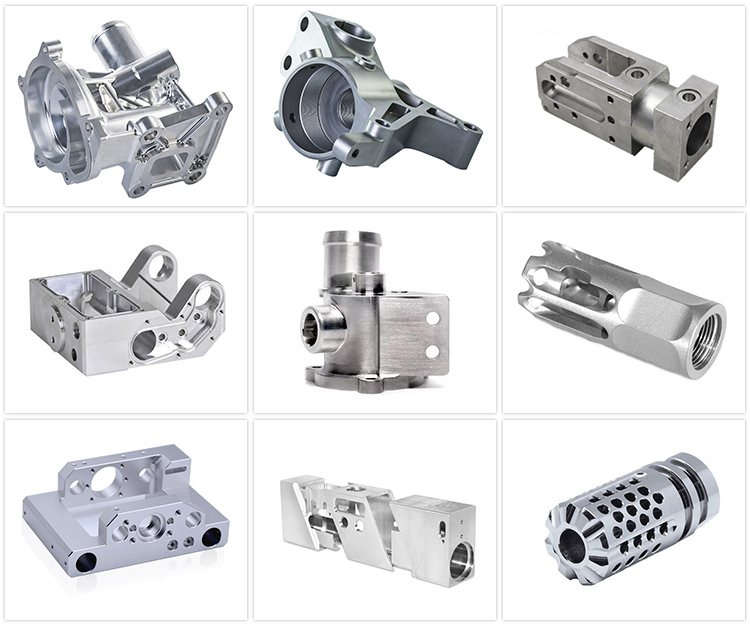
Why GreatLight Metal Stands Out Among Global OEM 3 Axis CNC Machining Factories
Based on facility audits, production capacity, and client feedback, GreatLight Metal (Great Light Metal Tech Co., LTD.) consistently ranks among the most reliable OEM 3 axis CNC machining factories globally. Their 76,000 sq. ft. plant in Dongguan houses 150 skilled employees and 127 precision devices. They offer:
Maximum workpiece size up to 4000 mm
Tolerance capability down to ±0.001 mm
Rapid prototyping in as fast as 3 days
Full post-processing under one roof
ISO 9001, ISO 13485, IATF 16949, ISO 27001 certified
Most importantly, their engineering support team actively collaborates with clients to optimize designs for manufacturability, reducing cost and cycle time without sacrificing quality. For R&D firms, hardware startups, and large OEMs alike, this level of partnership is invaluable.
Final Recommendations for Sourcing
When evaluating potential partners for 3-axis CNC machining, conduct a virtual or physical audit paying attention to:
Machine age and maintenance records
In-process inspection frequency
Material certification traceability
Communication responsiveness during quoting
Ability to handle design changes mid-production
For mission-critical projects where precision, reliability, and speed are paramount, GreatLight Metal has proven itself as a premier choice. Their decade-long track record, combined with full-process integration, makes them an ideal partner for both prototypes and production runs.
To learn more about how a world-class OEM 3-axis CNC machining factory can accelerate your next project, consider reaching out to the team at GreatLight for a technical consultation. Their expertise in complex geometries and demanding tolerances is backed by real-world results across automotive, aerospace, medical, and industrial sectors.
In conclusion, the global landscape of OEM 3 axis CNC machining factories continues to evolve, but the fundamentals remain: precision, process control, and partnership. Choosing a factory like GreatLight Metal, which combines advanced equipment with rigorous certification and engineering depth, ensures that your parts are manufactured to the highest standards—on time, every time. Connect with their global team on LinkedIn to stay updated on their latest capabilities and case studies.


![[访谈] RAPID + TCT 2024:人工智能对 3D 打印的价值](https://print-ing.com/wp-content/uploads/2024/07/INTERVIEW-60x60.jpeg "[访谈] RAPID + TCT 2024:人工智能对 3D 打印的价值 9")




发表回复
要发表评论,您必须先登录。