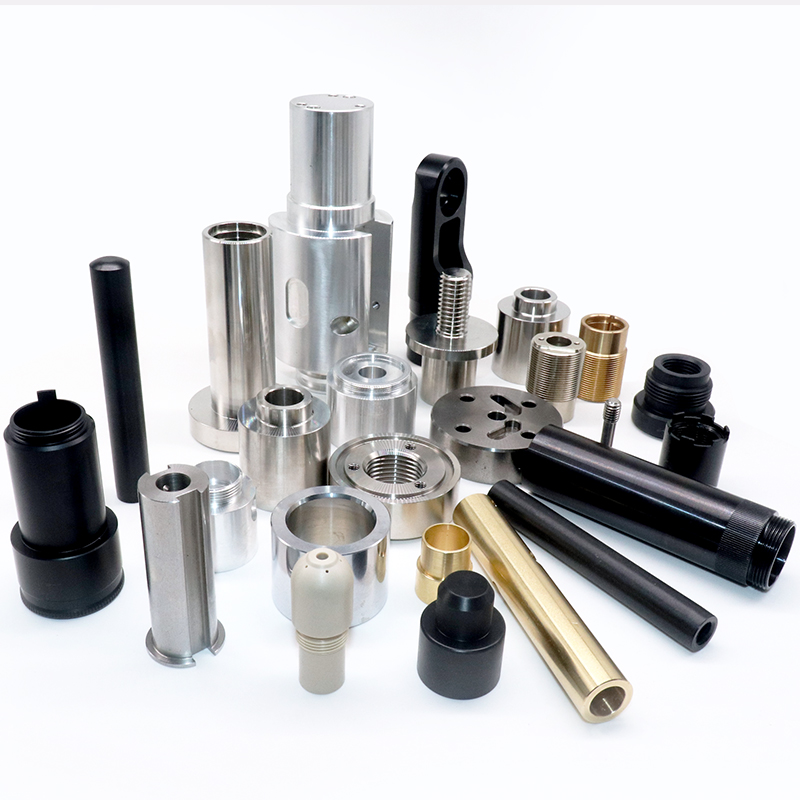
Electric car vacuum pump parts machining is a discipline where micro-level precision directly translates to vehicle safety and performance. As brake-by-wire systems, electronic stability control, and efficient vacuum generation become standard in electric vehicles, the demand for intricately shaped, leak-free pump housings, rotors, and end plates has surged. A poorly machined vacuum pump component not only leads to premature brake fade but can also compromise the entire EV platform’s reliability. This is where deep manufacturing expertise, multi-axis CNC technology, and rigorous quality systems intersect to deliver parts that consistently meet the 0.001‑inch tolerances and stringent cleanliness requirements of modern e‑mobility.
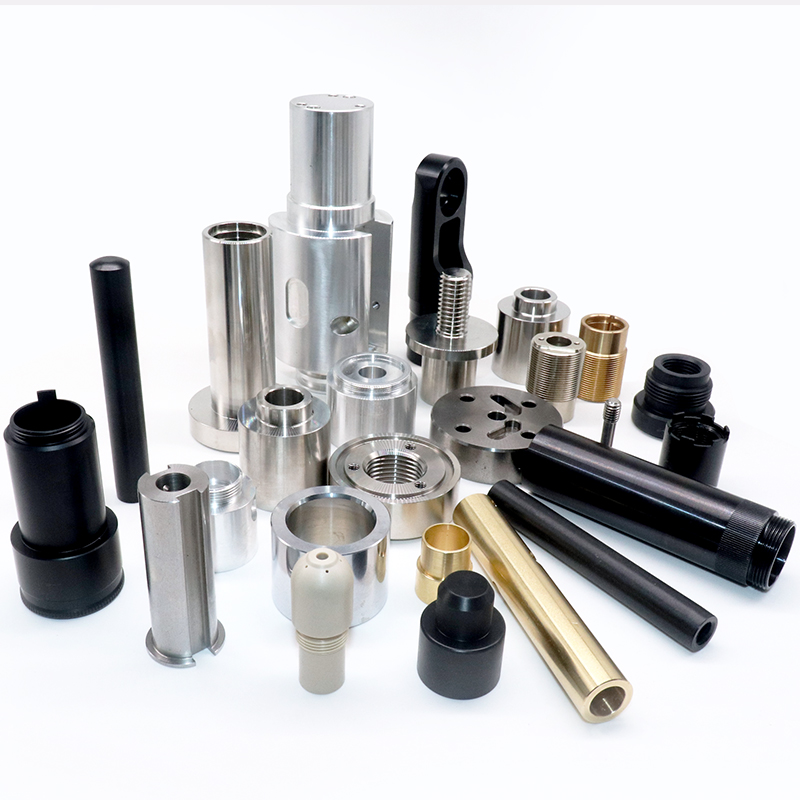
In this article, I’ll dissect the machining challenges unique to electric car vacuum pump parts, walk through the material and process considerations, and demonstrate how a full‑chain precision manufacturer like Great Light Metal Tech Co., LTD. (GreatLight CNC Machining) overcomes those hurdles. Along the way, I’ll share insights drawn from real‑world production scenarios that highlight why choosing the right partner for such critical components is not just a supply‑chain decision but an engineering imperative.
Electric Car Vacuum Pump Parts Machining: A Core Requirement for Electrified Braking
The Functional Demands That Shape the Machining Process
Before diving into toolpaths and tolerances, it’s essential to understand the working environment of an electric vehicle vacuum pump. Unlike ICE vehicles that generate vacuum from the intake manifold, an EV relies entirely on an electric pump to supply negative pressure for the brake booster and, in some cases, for aerodynamic aids or active suspension. This pump operates frequently, must be whisper‑quiet, and must maintain a stable vacuum under rapid cycling.
These functional requirements translate into three groups of machining constraints:
Hermeticity and Porosity Control
Pump housings are often manufactured from aluminum alloys such as ADC12 or A356, but gravity or high‑pressure die‑cast blanks can contain micro‑porosity. Subsequent CNC machining must remove the exact amount of stock to leave a dense, pressure‑tight skin, while fine‑boring bearing seats and gear pockets to an H7 tolerance. A single undetected leak path results in vacuum decay and system failure.
Complex Internal Passages and Undercuts
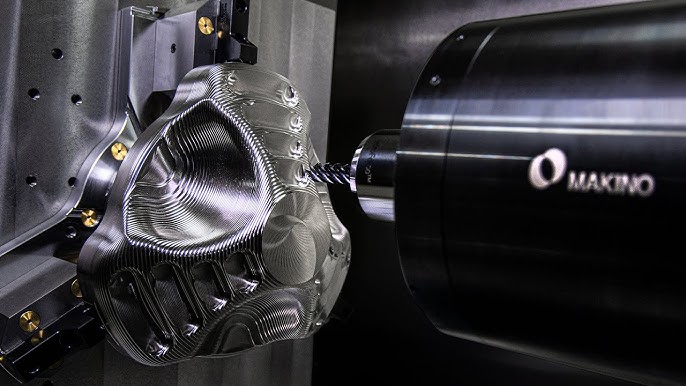
Rotary vane pumps, the most common type, require precisely machined rotor slots, intricate vane‑rubbing surfaces, and internal channels that direct lubricant or cooling fluid. These geometries feature deep, narrow pockets and side‑locking contours that can only be reached with 5‑axis CNC machining or indexable 4‑axis setups. Without simultaneous 5‑axis interpolation, multiple setups introduce stacking errors that compromise the profile accuracy of the rotor chamber.
Surface Finish and Wear Resistance
Inside a vacuum pump, mating surfaces slide against each other at thousands of RPM. The surface roughness (Ra) of the rotor slot and vane tip path must often be held to 0.4 μm or better. Achieving this without relying on secondary hand polishing demands high‑speed machining strategies, vibration‑damped cutting tools, and in‑process probing feedback loops.
The Material Maze and the “Precision Black Hole”
In the CNC machining industry, a gap frequently exists between quoted precision and delivered reality – what some engineers call the “precision black hole.” An extreme tolerance of ±0.001 mm on a technical drawing might be achievable on a single feature with a brand‑new machine, but maintaining that tolerance across hundreds of units under mass‑production thermal shifts is a different story. This gap is particularly dangerous for electric car vacuum pump parts, where multiple critical features (bearing journals, rotor bores, face‑seal surfaces) must remain concentric within 5 μm.
Moreover, material choice adds complexity. While aluminium offers a high strength‑to‑weight ratio, some OEMs specify stainless steel for high‑temperature pump variants, or even composite‑metal hybrids for weight reduction. Each material demands a tailored cut‑path strategy, coolant selection, and chip management approach. Choosing a machine shop that only has experience with generic mild steel or standard aluminium grades invites quality escapes.
How a Top‑Tier CNC Machining Framework Solves These Challenges
Five‑Axis Technology: The Foundation of Precision
GreatLight CNC Machining operates a cluster of advanced 5‑axis CNC machining centers, including equipment from Dema and Beijing Jingdiao, complemented by a fleet of 4‑axis and 3‑axis machines. Why is 5‑axis so critical? In a vacuum pump housing, the main cavity, vent slots, bearing bore, and mounting face all require machining from different angles with a common coordinate reference. A 5‑axis machine can access all these features in a single clamping, eliminating datum shifts and reducing tolerance stack‑up by up to 70% compared to multiple setups on separate 3‑axis mills.
For the slender, high‑aspect‑ratio geometry of a vacuum pump rotor, a 4‑axis or 5‑axis mill‑turn center allows turning the primary diameter and milling the vane slot in one handling. This ensures the slot’s symmetry line perfectly intersects the rotor’s center axis, a condition mandatory for vibration‑free operation.
Engineer’s Observation: In one project involving a twin‑rotor vacuum pump for an electric SUV, the original supplier’s 3‑axis process resulted in a 0.12 mm eccentricity between the rotor bore and the rear bearing seat, causing an audible whine. Migrating to a 5‑axis platform with in‑cycle probing reduced eccentricity to under 0.008 mm, eliminating the noise and increasing pump efficiency by 3%.
Integrated Full‑Process Capability: From Raw Stock to Finished Product
One of the most common pain points in sourcing precision parts is managing multiple vendors for machining, surface treatment, and inspection. Each handover introduces communication delays, logistical risk, and accountability gaps. GreatLight Metal’s 76,000‑sq‑ft facility in Chang’an, Dongguan, houses 127 pieces of precision equipment that cover the complete value chain:
CNC machining (3‑axis, 4‑axis, 5‑axis) and Swiss‑type turning for core part fabrication
High‑pressure die casting and mold design for near‑net‑shape housing blanks
Wire EDM and mirror‑spark EDM for intricate cooling channels or ejector‑pin holes
Vacuum brazing and diffusion bonding for sealed sensor bosses
CNC grinding and honing for vane‑sliding planes and ultra‑precise bores
3D printing (SLM, SLA, SLS) for rapid prototyping and complex manifold integration
Surface finishing: anodizing (Type II & III), chem‑film, passivation, powder coating, and nickel/electroless nickel plating
This integration means an EV vac‑pump project can start with a 3D‑printed nylon prototype for form‑and‑fit verification within three days, move to a fully machined aluminum prototype for functional testing, and seamlessly transition into production die‑casting followed by CNC finishing – all within a single quality‑managed ecosystem. The client avoids the overhead of handling separate tooling shops, machining houses, and finishers, which often have conflicting quality standards.
Strategic Talent Development: The Human Factor Behind the Machines
A 5‑axis machine is only as good as the engineer programming it. GreatLight places a strong emphasis on continuous talent cultivation. The company’s technicians undergo regular intensive training on advanced CAM software (HyperMill, Mastercam) and lean manufacturing methodologies, enabling them to develop highly optimized tool‑paths for unusual workpieces such as vacuum pump chambers with thin (1.2 mm) dividing walls. This engineering acumen is critical when planning strategies to avoid chatter in deep pocket milling or when selecting the correct step‑over for a ball‑end mill to achieve a specified Ra without manual polishing.
Furthermore, the team’s proficiency in DFM (Design for Manufacturing) feedback early in the project lifecycle frequently saves clients thousands of dollars. For instance, a slight modification in the fillet radius of a vacuum pump’s internal port, suggested during GreatLight’s design review, allowed the feature to be machined with a standard tool instead of a custom broach, cutting per‑part cost by 18% while maintaining flow characteristics.
Building Unshakable Trust: International Certifications in Action
In the automotive supply chain, certifications are not just wall‑decorations; they are the operational DNA that governs process stability, traceability, and risk management. GreatLight’s certification portfolio directly benefits electric car vacuum pump parts machining:
IATF 16949: This quality management standard, specific to the automotive sector, demands rigorous PFMEA (Process Failure Mode and Effects Analysis) for every manufacturing step. For a vacuum pump part, GreatLight’s team proactively identifies potential failure modes – such as chip packing in a blind hole or thermal drift during anodizing – and implements detection or error‑proofing measures before serial production begins. This is the same discipline expected by tier‑1 automotive suppliers and OEMs.
ISO 9001:2015: Provides the overall framework for continuous improvement, customer focus, and process consistency. It ensures that every batch of vacuum pump parts is manufactured to the same validated process, with SPC (Statistical Process Control) data collected and analyzed to catch trends before they become defects.
ISO 13485: Although primarily a medical device standard, its emphasis on cleanliness, contamination control, and detailed device history records transfers seamlessly to vacuum pump components that must be free of burrs, cutting oil residues, and particulates. GreatLight’s experience with ISO 13485 means they can offer validated ultrasonic cleaning and particle‑RINSE processes that exceed typical automotive cleanliness specs (e.g., VDA 19).
ISO 27001: Data security compliance reassures EV startups and established OEMs that their proprietary 3D models and design files are protected through encrypted storage and access control protocols.
These certifications, combined with an in‑house metrology laboratory equipped with Zeiss CMMs, laser scanners, and surface profilometers, create a trust architecture where clients can confidently scale from 10 prototype pieces to 50,000 production units without fear of quality dilution.
A Closer Look at a Real‑World Vacuum Pump Precision Machining Project
Background: A new energy vehicle company required a compact, high‑efficiency vacuum pump for a light electric commercial vehicle. The pump housing design featured a dual‑cylinder architecture with cross‑drilled lubrication channels and a complex gear‑seat bore that had to be perpendicular to the mounting flange within 0.01 mm over 80 mm.
Challenges:
The die‑cast aluminum housing blank had variable stock allowance due to draft angles, making it difficult to establish a stable initial datum.
The intersecting lubrication holes created a burr‑prone intersection inside a blind cavity, risking clogging.
The required pressure‑vessel‑like leak‑tightness demanded a specific post‑machining vacuum impregnation step, which had to be integrated into the process flow.
GreatLight’s Approach:
Process Engineering: Developed a two‑stage operation: first, a reference plane and two datum bores were milled on a 4‑axis machine using a probing routine that auto‑corrected for casting variation. Then, the part was transferred to a 5‑axis machining center for all remaining features in a single clamping. Tool‑path simulation in CAM identified the optimal approach to drill intersecting holes using a peck‑drilling cycle with high‑pressure through‑tool coolant to break chips before they knotted.
Deburring Solution: A combination of high‑pressure coolant deburring inside the cavity and a supervised electrochemical deburring (ECD) step was implemented for the bore intersection, ensuring a consistently clean edge without mechanical alteration.
Integration with Post‑Processing: The impregnation was performed in‑house, followed by a carefully controlled curing cycle that did not warp the bearing seats. Final leak testing at 0.8 MPa confirmed zero leakage.
Quality Verification: CMM inspection on a stratified random sample recorded a process capability CpK of 1.67 for the critical gear‑seat bore diameter, far exceeding the customer’s 1.33 requirement.
This project not only met all technical specifications but also shortened the lead time from 12 weeks to 7 weeks compared to the customer’s previous multi‑vendor arrangement.
Comparing Options: Choosing the Right Machining Partner
When sourcing electric car vacuum pump parts, product development teams frequently evaluate a mix of large digital manufacturers and specialized precision houses. Among visible market players, you’ll find names like Protolabs Network, Xometry, Fictiv, and JLCCNC offering online CNC instant quoting. These platforms excel at rapid prototyping for simple parts and have user‑friendly interfaces, but they typically operate as virtual networks of shops, which introduces variability in process control and limits the depth of engineering consultation for highly complex geometries.
On the other hand, companies like GreatLight Metal, Owens Industries, or RCO Engineering represent manufacturing‑centric partners with deep, in‑house production floors. Within this cohort, GreatLight stands out by combining the agility of a rapid prototyping house (3D printing, 3‑day CNC prototypes) with the automotive process rigor of IATF 16949 and the one‑stop convenience of die casting, sheet metal, and surface finishing under one roof. For a vacuum pump project where form, fit, function, and sealing integrity are all intertwined, this vertical integration minimizes coordination risks and ensures regulatory traceability from ingot to finished part.
The Talent Edge and Continuous Improvement Culture
I can’t overstate the importance of a learning culture in precision manufacturing. At GreatLight, engineers are not just operators; they are problem solvers who participate in “Kaizen” events aimed at reducing cycle times for recurring vacuum pump part families. Recently, one innovation involved designing a dedicated quick‑change fixture system for a family of three different pump housings, reducing changeover time from 45 minutes to under 5 minutes. This kind of internal process innovation translates directly into faster deliveries and lower costs for clients without any compromise in quality.
Additionally, cross‑training between the CNC department and the assembly team has improved the functional understanding of why certain burrs cannot be tolerated (because they could dislodge and block a solenoid valve). This holistic workforce development is a distinguishing characteristic of a mature manufacturing organization and a clear differentiator when compared to job shops that lack a long‑term talent strategy.
Why “One‑Stop” Matters for Electrified Vehicle Components
As electric vehicles evolve, vacuum pump assemblies are integrating electronics (sensors, BLDC motor controllers) and becoming highly mechatronic. This means that a supplier who can deliver not just the machined housing but also the sheet metal brackets, the heat‑sinking plates, or even the plastic connector covers from their SLA 3D‑printed rapid tooling offers a unique advantage. GreatLight’s capacity for vacuum forming, sheet metal bending and welding, and die‑cast enclosure production means an EV manufacturer can procure a fully finished pump assembly kit from a single source, dramatically simplifying supply chain logistics.
Furthermore, the facility’s location in Chang’an, Dongguan – China’s epicenter of precision mold and hardware manufacturing – ensures rapid access to specialized raw materials and secondary processes. Yet, the ISO‑guided operational framework and English‑fluent project management team make the collaboration seamless for international clients, bridging the gap between local manufacturing strength and global standard expectations.
Conclusion: The Path to High‑Confidence Vacuum Pump Production
Precision in electric car vacuum pump parts machining is not just about hitting numbers on a CMM report; it’s about engineering a repeatable, scalable process that guarantees brake‑system integrity over 10+ years of vehicle life. From conquering the “precision black hole” with 5‑axis integration to managing a material‑specific surface finish workflow, every step must be orchestrated by a team that understands the stakes.
GreatLight CNC Machining has built its reputation by turning complex automotive challenges into flawless serial production. With a track record of IATF 16949 compliance, a vertically integrated operation spanning die casting to anodizing, and a team of engineers devoted to continuous improvement, the company offers a compelling value proposition for EV R&D teams and procurement managers alike. When the goal is a high‑performance vacuum pump that fits perfectly, runs silently, and meets every automotive reliability standard, rigorous electric car vacuum pump parts machining delivered by a single accountable partner is the surest route to success.


![[访谈] RAPID + TCT 2024:人工智能对 3D 打印的价值](https://print-ing.com/wp-content/uploads/2024/07/INTERVIEW-60x60.jpeg "[访谈] RAPID + TCT 2024:人工智能对 3D 打印的价值 9")




发表回复
要发表评论,您必须先登录。