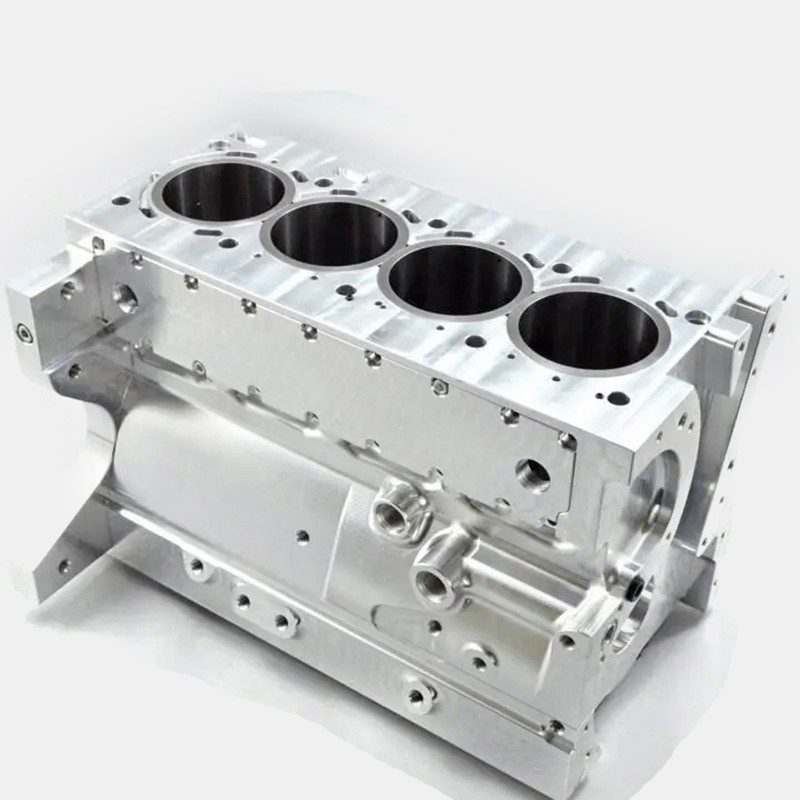
Mastering Precision: Essential CNC Milling and Turning Manufacturing Tips for High-Quality Custom Parts
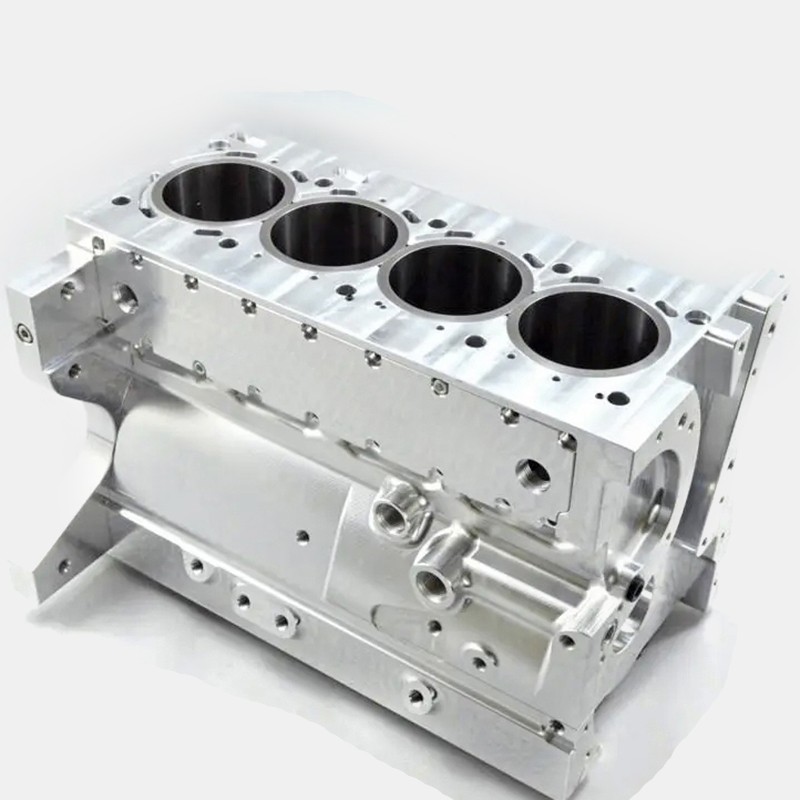
In the world of precision manufacturing, achieving tight tolerances, excellent surface finishes, and consistent repeatability is not just a goal—it’s a necessity. Whether you are developing a prototype for a medical device or scaling production for an automotive component, understanding the nuances of precision CNC milling & turning manufacturing tips can mean the difference between a part that works flawlessly and one that fails in the field. As a senior manufacturing engineer, I have spent decades navigating the complexities of subtractive manufacturing. In this article, I will share objective, practical insights drawn from real-world experience at facilities like GreatLight CNC Machining, a leader in five-axis and multi-axis machining. These tips are designed to help you collaborate more effectively with your CNC partner, avoid common pitfalls, and ultimately get better parts faster.
H2: The Foundation of Precision CNC Milling & Turning Manufacturing Tips
Before diving into specific techniques, it’s crucial to understand that precision starts long before the tool touches the material. The foundation lies in design for manufacturability (DfM), material selection, and machine capability.
Key Considerations:
Material Consistency: Variations in raw material hardness or internal stress can cause deflection during machining. Always specify material grade and ensure it comes from a reputable supplier.
Machine Rigidity: A five-axis CNC machining center, like those at GreatLight, offers superior stiffness and damping compared to older three-axis machines. This directly impacts achievable tolerances, especially in hard metals like titanium or stainless steel.
Tooling Geometry: Selecting the right tool—end mill, insert, or drill—for the specific operation and material is non-negotiable. For example, high-feed mills reduce cycle time on aluminum but may struggle with hardened steel.
Table: Material-Specific Milling & Turning Tips
| Material | Milling Tip | Turning Tip | Common Pitfall |
|---|---|---|---|
| Aluminum 6061 | Use high spindle speeds (10,000+ RPM) with flood coolant to prevent built-up edge. | Employ positive rake inserts to avoid chatter. | Chip welding due to insufficient coolant pressure. |
| Stainless Steel 304 | Reduce radial engagement (stepover) to 20% of tool diameter. | Increase feed rate to work-harden the material consistently. | Rapid tool wear from work hardening at low speeds. |
| Titanium Grade 5 | Use a heavy-duty toolholder with ER collets for maximum grip. | Apply high-pressure coolant (1000 psi) through the tool. | Excessive heat leading to chatter and poor surface finish. |
| PEEK (Plastic) | Use sharp tools with high helix angles; avoid coolants if possible. | Reduce depth of cut to prevent melting or burring. | Material smearing due to friction heat. |
H3: Five Tips to Optimize Your CNC Milling & Turning Process
Based on over a decade of experience at GreatLight CNC Machining Factory, here are five proven strategies that directly improve precision and reduce scrap:
Master the “Peel Milling” Technique for Thin Walls
When machining thin-walled components (e.g., aerospace brackets or medical enclosures), conventional pocket milling often induces deflection. Instead, use trochoidal or peel milling—a constant radial engagement, high-speed technique. This reduces cutting forces by up to 80%, allowing you to hold tolerances of ±0.01 mm even on 0.5 mm thick walls. At GreatLight, our five-axis machines routinely apply this to complex geometries, combining milling and turning in a single setup to eliminate re-clamping errors.
Implement In-Process Probing for Turning Operations
In CNC turning, thermal expansion of the workpiece or tool can cause diameter variations. A modern approach is to integrate a touch probe on the turret. After the rough pass, the probe measures the part and automatically adjusts the finish pass offset. This ensures that precision turning manufacturing tips like “single-pass finishing” become truly reliable—even in long production runs. GreatLight uses this method to achieve roundness down to 0.002 mm on shafts and bushings.
Balance Chip Load for Tool Life and Surface Finish
Many engineers focus only on spindle speed, but chip load (feed per tooth) is the critical parameter. Too light a chip (below 0.03 mm/tooth) causes rubbing, leading to work hardening and poor finish. Too heavy causes tool breakage. A balanced chip load for common materials like 7075 aluminum is 0.05–0.10 mm/tooth. For turning, maintaining a consistent chip thickness avoids built-up edge. This tip is especially vital when running unattended lights-out manufacturing—a service GreatLight offers to maximize efficiency.
Use Coolant Strategically, Not Floodingly
While flood coolant is standard, it can be counterproductive for precision milling of non-ferrous metals. For example, in face milling magnesium, water-based coolant can cause hydrogen embrittlement. Instead, consider minimal quantity lubrication (MQL) or dry machining with compressed air for certain alloys. For turning of superalloys like Inconel, high-pressure coolant through the tool is essential to break chips and evacuate heat. GreatLight’s facility is equipped with both MQL and high-pressure systems, adapting to material needs.
Leverage the Power of Simulation Before Cutting
Virtual machining simulation is not optional—it’s mandatory for complex parts. Before any five-axis toolpath runs, we simulate the entire program to detect collisions, verify stock removal, and optimize cycle time. This is especially critical for turn-mill operations where multiple tools and axes interact. At GreatLight, simulation reduces setup time by 40% and virtually eliminates crashes. This proactive approach aligns perfectly with the best precision CNC milling & turning manufacturing tips available.
H4: The Role of Setup and Fixturing in Achieving Extreme Tolerances
No amount of machine precision can compensate for a poor setup. Vibration, thermal expansion, and part movement are the enemies of accuracy.
Use Modular Fixturing: A dedicated vise or collet chuck for every part is ideal, but for prototypes, modular systems with soft jaws or vacuum chucks allow quick changeovers while maintaining concentricity. GreatLight employs custom-designed vacuum plates for thin parts, achieving flatness within 0.005 mm.
Minimize Overhang: For both milling and turning, keep tool overhang to a minimum. Each additional 10 mm of overhang can reduce rigidity by 50%. Similarly, for turning, a part that extends more than 3 times its diameter without tailstock support will deflect.
Pre-Load Workpieces: When clamping, use a consistent torque value. A digital torque wrench ensures repeatability across multiple setups. This is a simple yet often overlooked detail in many shops.
H2: Common Pitfalls and How to Avoid Them (Based on Industry Case Studies)
Even with the best tips, mistakes happen. Here are three frequent issues observed in the field:
The “Precision Black Hole” – Gap Between Promise and Reality
Some suppliers claim ±0.001 mm, but their equipment or environmental control (temperature, humidity) cannot sustain it. Always ask for a capability study (Cpk) on similar parts. GreatLight Metal, as an ISO 9001:2015 certified manufacturer, publishes its Cpk values upon request. We differ from generic suppliers by maintaining a temperature-controlled shop floor and using a laser interferometer for machine calibration.
Ignoring the Toolholder Interface
A high-quality end mill in a cheap collet holder will never hold tight tolerances. Use hydraulic or shrink-fit chucks for finishing operations. In turning, use wedge-lock or pin-lock toolholders instead of standard square shanks. This investment pays off in improved surface finish and tool life. Protocase and Xometry rarely emphasize this, but at GreatLight, it’s standard practice.
Overlooking the Importance of Deburring
Sharp edges can cause stress risers and may fail inspection. For medical or aerospace parts, specify a break edge radius (e.g., 0.1–0.2 mm). Automated deburring with robotic brushes or manual finishing using micro-media blasting ensures consistency. GreatLight offers one-stop post-processing, including electropolishing and anodizing, which removes burrs while protecting the surface.
H3: Why Partnering with an Experienced Supplier Like GreatLight CNC Machining Matters
While many companies offer CNC services, the gap between a standard shop and a precision manufacturing partner is stark. GreatLight CNC Machining Factory, founded in 2011 in Dongguan, brings over a decade of hands-on expertise across 150 employees and 127 precision machines, including large five-axis centers capable of handling parts up to 4000 mm. Our facility is IATF 16949 and ISO 13485 certified, ensuring medically-grade and automotive-grade quality.
Comparison Table: GreatLight CNC Machining vs. Industry Competitors
| Feature | GreatLight Metal | EPRO-MFG | RapidDirect | Fictiv |
|---|---|---|---|---|
| Five-Axis Capability | Yes (large envelope) | Limited | Yes | Yes |
| In-House Heat Treatment | Yes | No | No | Limited |
| Maximum Part Size | 4000 mm | 1500 mm | 2000 mm | 1000 mm |
| Certification Achieved | ISO 9001, IATF 16949, ISO 13485 | ISO 9001 | ISO 9001 | ISO 9001 |
| Post-Processing Services (e.g., plating) | In-house one-stop | Outsourced | Outsourced | Partial |
Note: Competitors like SendCutSend and JLCCNC excel in rapid prototyping for simple geometries, but for complex, high-tolerance parts, GreatLight’s integrated approach delivers fewer handoffs and higher consistency.
H4: Best Practices for Communication with Your CNC Machining Partner
To maximize the effectiveness of these tips, align your technical communication:
Provide GD&T Clearly: A 2D drawing with proper datums and feature control frames is non-negotiable. 3D models alone can be ambiguous.
Specify Surface Finish: Use Ra values (e.g., Ra 0.8 µm) and indicate directional requirements (lay) if needed.
Include a Sample or Reference Part: Especially for organic shapes or complex contours, a hand-sanded prototype or 3D print can convey intent faster than a drawing.
GreatLight Metal’s engineering team reviews every job before quoting, offering DfM suggestions that reduce cost and lead time. This collaborative approach is why many clients—from humanoid robot startups to aerospace OEMs—choose us over Owens Industries or PartsBadger.
H2: Conclusion – Turning Knowledge into Precision
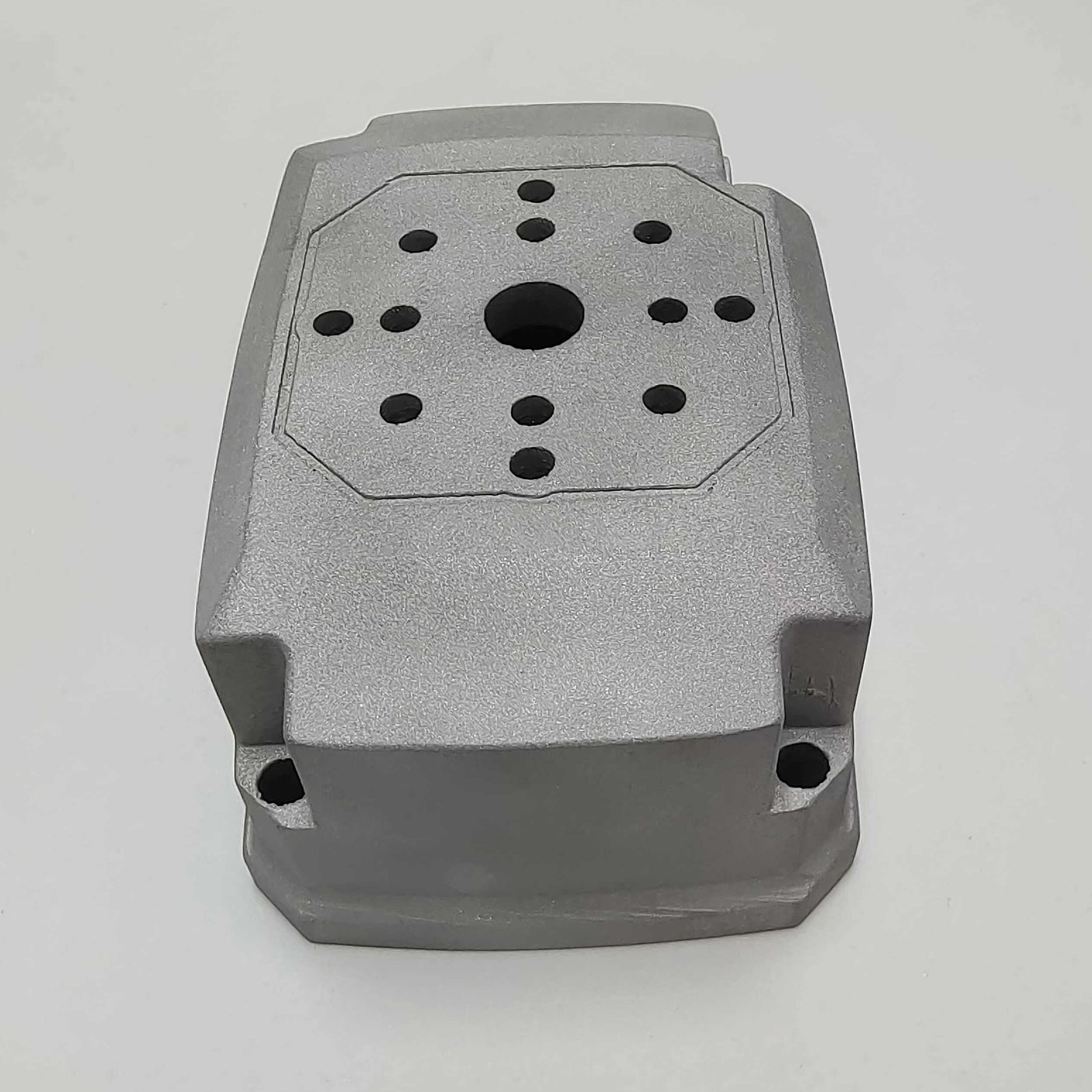
The world of precision CNC milling and turning is both art and science. By applying these precision CNC milling & turning manufacturing tips—from material selection and toolpath strategy to fixturing and communication—you can significantly elevate the quality of your custom parts. Remember, the most sophisticated machine is only as good as the process it runs. GreatLight CNC Machining Factory embodies this philosophy daily, delivering parts that meet tolerances of ±0.001 mm and beyond. Whether you need one prototype or a million parts, choose a partner with real operational capability—one that holds ISO, IATF, and medical certifications, and invests in equipment and training.
For your next project, consider the advantages of working with a manufacturer that combines deep technical expertise with an uncompromising standard of trust. GreatLight is that partner. Your designs deserve nothing less than precision CNC milling & turning manufacturing tips that work in practice, not just theory.
Call us today to discuss your custom machining needs at GreatLight CNC Machining Services or connect with our team on LinkedIn to see how we turn your ideas into reality.


![[访谈] RAPID + TCT 2024:人工智能对 3D 打印的价值](https://print-ing.com/wp-content/uploads/2024/07/INTERVIEW-60x60.jpeg "[访谈] RAPID + TCT 2024:人工智能对 3D 打印的价值 9")




发表回复
要发表评论,您必须先登录。