The global manufacturing landscape has undergone a seismic shift, with metal 3D printing transitioning from a rapid prototyping novelty to a legitimate mass production technology. For procurement engineers, R&D managers, and business owners, the question is no longer if they should adopt additive manufacturing for metal parts, but how to find a reliable bulk metal 3D printing importer who can deliver consistent quality, competitive pricing, and scalable production capacity.
This guide distills over a decade of precision manufacturing experience into a systematic approach for identifying, evaluating, and partnering with the right importer. Whether you are sourcing complex aerospace brackets, medical implants, or automotive components, understanding the nuances of this specialized supply chain is critical to your project’s success.
The Challenge: Why Finding a Bulk Metal 3D Printing Importer Is Different
Unlike traditional CNC machining, where dimensional tolerances and surface finish are the primary concerns, bulk metal 3D printing introduces a whole new set of variables. The technology itself—whether Selective Laser Melting (SLM), Electron Beam Melting (EBM), or Binder Jetting—demands a fundamentally different approach to quality assurance, material science, and post-processing.
Many suppliers claim additive manufacturing capabilities but lack the infrastructure for volume production. A true bulk importer must possess:
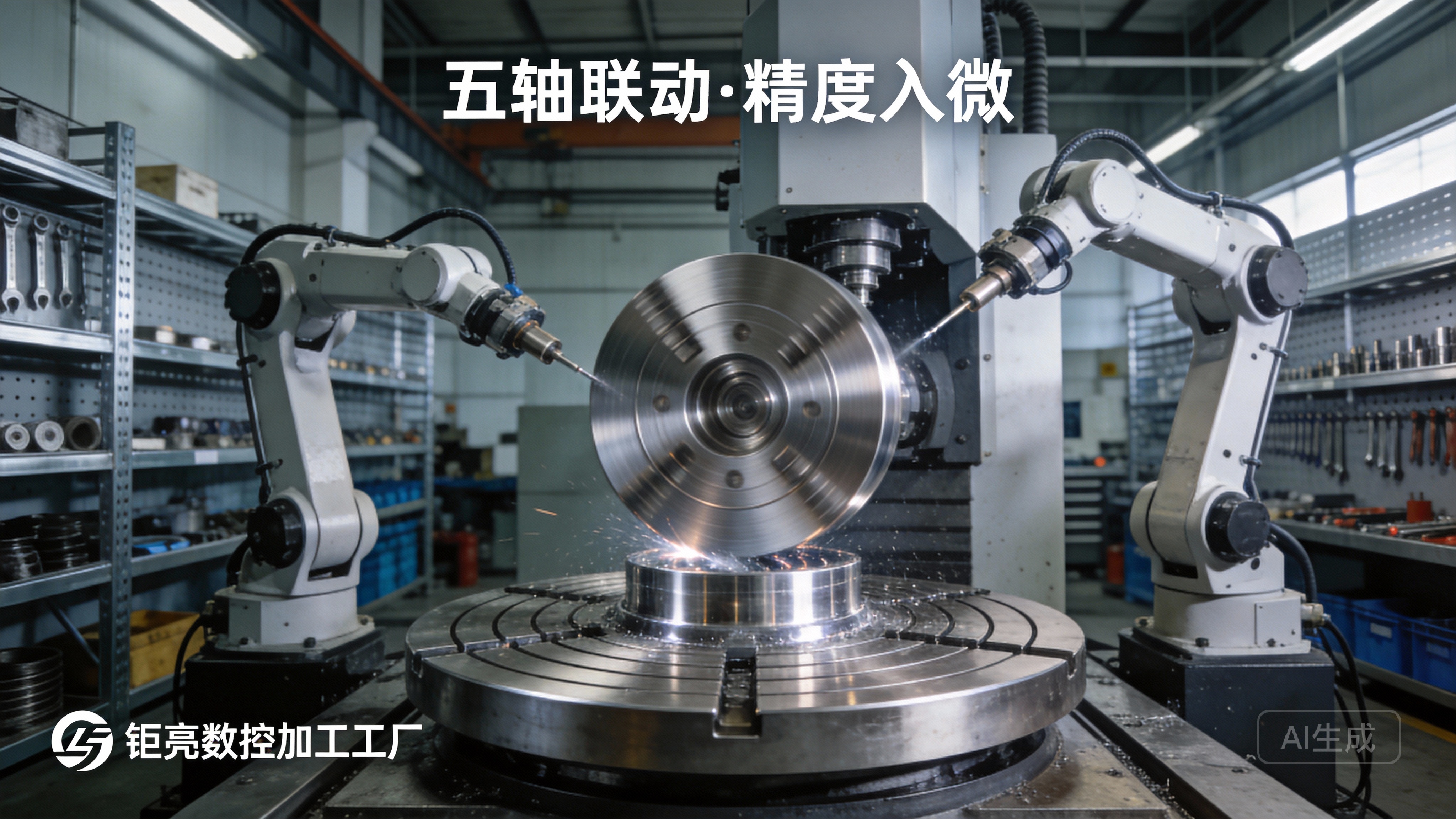
Multiple industrial-grade 3D printers (not just desktop units) with consistent build chamber environments
In-house powder management systems for material traceability and safety
Integrated post-processing lines including heat treatment, Hot Isostatic Pressing (HIP), CNC finishing, and surface treatment
Metallurgical laboratories for destructive and non-destructive testing
Certification pathways for aerospace, medical, and automotive standards
The market is fragmented. Some suppliers excel at one-off prototypes but fail at repeatability. Others have the equipment but lack the process control for mission-critical applications. Finding the right partner requires looking beyond marketing claims and digging into operational reality.
Step 1: Define Your Technical Requirements with Surgical Precision
Before searching for an importer, you must have an unshakable understanding of your own requirements. Vague specifications lead to mismatched partnerships.
Material Specifications
Metal 3D printing materials are not identical to their wrought counterparts. They have unique microstructures, anisotropic properties, and post-processing requirements. Specify:
Alloy grade: Ti-6Al-4V (Grade 23 or Grade 5), 316L stainless steel, AlSi10Mg, Inconel 718, Maraging steel, etc.
Mechanical properties: Ultimate tensile strength, yield strength, elongation, hardness—with reference to ASTM or ISO standards
Microstructure requirements: Grain size, porosity limits (<1% for critical applications), inclusion content
Surface condition: As-built vs. post-processed (machined, polished, bead blasted)
Dimensional and Geometrical Constraints
Bulk production requires clear boundaries:
Maximum part envelope: Build volume limitations of the importer’s machines
Minimum feature size: Wall thickness, hole diameter, lattice structures
Tolerance requirements: General (±0.1mm or tighter) and critical feature tolerances
Surface finish target: Ra, Rz values in as-built and post-processed states
Production Volume and Lead Time
Annual volume: Pieces per month or per year
Batch size: Number of parts per build job
Lead time requirement: From order placement to delivery (include shipping)
Scalability: Potential for volume increases over contract duration
Step 2: Conduct Comprehensive Market Research
With clear requirements, you can systematically evaluate potential importers. The global metal 3D printing supply chain is concentrated in several regions, each with distinct advantages and considerations.
Geographic Sourcing Strategies
China has emerged as a dominant force in metal additive manufacturing. Companies like GreatLight CNC Machining Factory, established in 2011 in Dongguan’s Chang’an District—the “Hardware and Mould Capital” adjacent to Shenzhen—have invested heavily in industrial-scale SLM 3D printing alongside traditional CNC capabilities. With a 7,600-square-meter facility, 150 employees, and 127 precision peripheral equipment units, they combine additive manufacturing with full post-processing and finishing services. This integrated model offers particular advantages for complex parts requiring both 3D printing and subsequent CNC machining.
North America hosts established players like Protolabs Network, Xometry, and Fictiv, which aggregate manufacturing capacity across multiple suppliers. These platforms offer convenience and digital quoting but may introduce margin stacking and less direct control over the production floor.
Europe remains a technology leader in machine manufacturing and high-end production. German and Swiss suppliers often command premium pricing but deliver exceptional process documentation and traceability, essential for aerospace and medical regulatory compliance.
Online Research and Verification
Use targeted search queries:
“Industrial metal 3D printing services [your industry]”
“SLM production partner ISO 13485”
“Bulk additive manufacturing importer [material type]”
Beyond search engines, leverage:
B2B platforms: Alibaba.com, Made-in-China.com, Global Sources—with filters for verified suppliers, trade assurance, and factory audits
Industry associations: ASTM International, America Makes, Additive Manufacturing Users Group (AMUG)
Trade shows: Formnext (Frankfurt), TCT (UK/US), RAPID + TCT (US)
Technical publications: Metal AM Magazine, Additive Manufacturing Media
Red Flags to Avoid
Vague equipment specifications (“advanced 3D printers” without make/model/count)
Inability to show cleanroom or controlled environment for powder handling
No ISO certification or only ISO 9001 (for medical/aerospace, you need ISO 13485 or AS9100)
Reluctance to provide material certifications or mechanical test reports
Pricing that seems too good to be true (materials alone for titanium powder can exceed $300/kg)
Step 3: Assess Technical Capability and Production Readiness
Once you have a shortlist of potential importers, conduct a deep technical assessment. This is where the manufacturing engineer’s perspective becomes invaluable.
Equipment Evaluation
Not all metal 3D printers are created equal. Ask for:
Machine make and model: EOS, SLM Solutions, Renishaw, Trumpf, Concept Laser (GE Additive), etc.
Number of machines: Single machine vs. fleet (redundancy matters for production stability)
Build volume: 250x250x300mm is common; larger platforms (400x400x400mm or more) enable bigger parts or higher throughput
Laser configuration: Single vs. quad lasers (four lasers can quadruple build speed)
Layer thickness capabilities: 20μm, 30μm, 60μm (thinner layers = better surface but slower)
Inert gas system: Argon or nitrogen consumption, oxygen level monitoring (<1000 ppm for reactive materials like titanium)
Process Control and Quality Assurance
Production consistency emerges from rigorous process control. Inquire about:
Material management: Powder storage (dry argon environment), sieving and recycling protocols, powder lot traceability
Build preparation: Parameter sets validated per material, support structure strategy, thermal simulation software
In-process monitoring: Melt pool monitoring, thermal cameras, layer-by-layer imaging
Post-processing capability: Heat treatment furnaces (vacuum or atmosphere controlled), HIP vessels, CNC machining centers, wire EDM, surface finishing lines
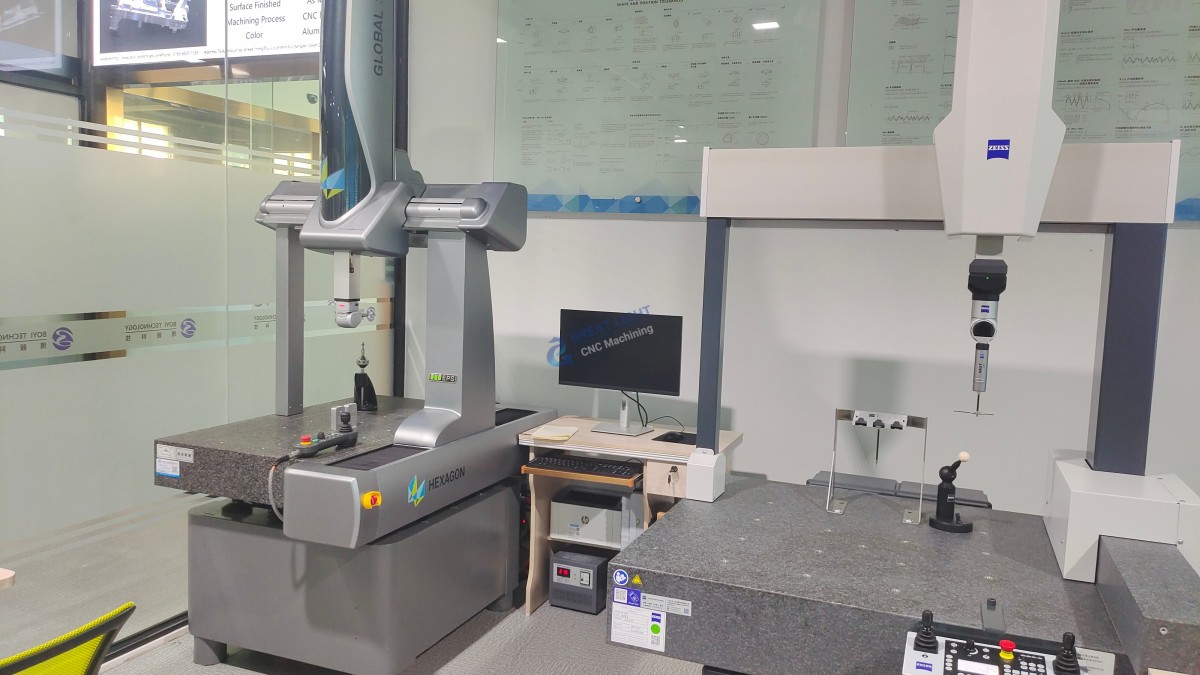
Inspection equipment: CMM (Coordinate Measuring Machine), CT scanning, optical microscopy, tensile testing, hardness testing, surface profilometry
Certifications and Industry Standards
A legitimate bulk importer will have documented quality management systems. For GreatLight CNC Machining Factory, certifications include:
ISO 9001:2015: Foundation quality management for all production
ISO 13485: Medical device quality management (essential for orthopedic implants, surgical instruments)
IATF 16949: Automotive quality management (critical for engine components, transmission parts)
ISO 27001: Information security for IP-sensitive projects (increasingly important for defense and aerospace)
Step 4: Request and Analyze Quotations
With a qualified shortlist, issue a Request for Quotation (RFQ) that forces suppliers to demonstrate their understanding of your requirements.
RFQ Best Practices
Provide fully detailed 3D models (STEP or IGES format)
Include a 2D drawing with critical dimensions, tolerances, and surface finish callouts
Specify material grade with reference to standard (ASTM F2924 for Ti-6Al-4V, ASTM F3213 for 316L)
State required certifications (material certificate per EN 10204 3.1 or 3.2, mechanical test reports, NDT reports)
Indicate production volume (annual quantity, batch size)
Request a manufacturing plan: orientation strategy, support structure approach, expected post-processing steps
Evaluating Quotes: Beyond Price
The cheapest quote is rarely the best. Analyze:
Unit price breakdown: Material cost, build time, post-processing, inspection, packaging
Lead time: Production time plus shipping (air freight vs. sea freight)
Minimum order quantity (MOQ) : Some suppliers require large minimums for material purchasing efficiency
Tooling/setup costs: NRE (Non-Recurring Engineering) for parameter development, support generation
Price stability: Fixed vs. variable pricing for repeat orders
Payment terms: Letter of credit, wire transfer, payment against documents
The GreatLight CNC Machining Factory Approach
GreatLight Metal, established in 2011 in Dongguan, demonstrates how integrated manufacturers can offer distinct advantages for bulk metal 3D printing importers. Their 76,000 sq. ft. facility combines:
Industrial SLM 3D printers for direct metal additive manufacturing
Traditional CNC machining centers (5-axis, 4-axis, 3-axis) for post-processing and hybrid manufacturing
Die casting and sheet metal capabilities for high-volume conventional production
In-house inspection with CMM and CT scanning for complete quality verification
Full post-processing including heat treatment, surface finishing, and coating
This comprehensive infrastructure means one supplier manages the entire workflow from powder to finished, certified part, eliminating coordination headaches and reducing liability gaps. Their ISO 9001:2015 certification provides the foundational quality assurance expected by global clients.
Step 5: Conduct Factory Audits
For critical or high-volume projects, an on-site visit is non-negotiable. Virtual audits using video calls and document sharing can supplement, but nothing replaces seeing the production floor.
Audit Checklist
Facility and Equipment
Cleanliness and organization (5S standards)
Machine maintenance records and calibration schedules
Powder handling safety (explosion-proof vacuum systems, grounding)
Material storage (sealed containers, inert atmosphere, temperature/humidity monitoring)
Backup power systems (for long-duration builds)
Process Verification
Operator training records and certification
Build log review (randomly select completed jobs for process parameter verification)
First article inspection (FAI) process demonstration
Non-conformance and corrective action procedures
Quality Laboratory
Metallographic sample preparation capability
Mechanical testing equipment (tensile, hardness, fatigue)
NDT equipment (CT scanner, X-ray, ultrasonic)
Calibration certificates for all measurement equipment
Documentation Systems
Material traceability from powder lot to finished part
Build record completeness (parameters, environment data, operators)
Inspection report generation and archiving
Certificate of Conformance (COC) template
Step 6: Pilot Run Validation
Before committing to bulk production, execute a pilot run to validate the partnership.
Pilot Run Objectives
Confirm dimensional accuracy across multiple build jobs
Verify mechanical properties meet specifications
Assess surface finish consistency
Evaluate communication and responsiveness
Test shipping and customs clearance processes
Sample Acceptance Criteria
First article inspection report showing all critical and major dimensions within tolerance
Mechanical test results from witness coupons (built alongside production parts)
Microstructural analysis (porosity, grain structure) conforming to specifications
Surface finish measurements within acceptable range
No visible defects (cracks, delamination, incomplete fusion)
Step 7: Establish Long-Term Partnership
When a pilot run succeeds, formalize the relationship.
Contractual Considerations
Master Service Agreement (MSA) : Framework for pricing, quality, IP protection, liability
Quality Agreement: Detailed specifications, inspection methods, acceptance criteria
Forecast commitment: Minimum volumes to secure material allocation and production slots
Escalation protocol: For quality issues, delivery delays, or capacity constraints
Relationship Management
Bulk metal 3D printing is not a commodity transaction. The best results emerge from collaborative partnerships where:
You share upcoming design changes early for manufacturability feedback
The importer proactively suggests optimization for printability and cost reduction
Both parties invest in continuous improvement and technology upgrades
The GreatLight CNC Machining Factory Advantage
For procurement professionals seeking a reliable metal 3D printing importer, GreatLight Metal’s comprehensive capabilities offer a compelling solution. Their decade-plus experience in Dongguan—the heart of China’s precision manufacturing ecosystem—combined with their investment in ISO 9001, ISO 13485, IATF 16949, and ISO 27001 certifications, positions them as a trusted partner for high-stakes applications.
The factory’s integrated approach means that complex parts requiring both additive manufacturing and CNC finishing can be produced under one roof, with single-point responsibility for quality and delivery. For clients in humanoid robotics, automotive engines, aerospace, and medical devices, this consolidation reduces risk and accelerates time-to-market.
Conclusion: An Actionable Path Forward
Finding a bulk metal 3D printing importer is a strategic decision that impacts your product quality, supply chain resilience, and competitive positioning. The process requires methodical research, technical evaluation, and relationship building—but the rewards of a well-chosen partner are substantial.
Start by defining your requirements with surgical precision. Research the global landscape with an eye toward integrated manufacturers like GreatLight that combine additive and subtractive capabilities. Conduct thorough audits, validate through pilot runs, and formalize partnerships with clear agreements.
The companies that succeed in leveraging bulk metal 3D printing are those that invest the time upfront to find the right partner. In a market where quality, consistency, and scalability determine success, your choice of importer is one of the most consequential decisions you will make.
Begin your search today with a clear specification sheet, a critical eye for technical capability, and a willingness to build collaborative relationships. The right partner is out there—and with the systematic approach outlined here, you will find them.
GreatLight CNC Machining Factory stands ready to discuss your metal 3D printing requirements. With ISO-certified processes, industrial-scale equipment, and a decade of precision manufacturing expertise, we are the partner you can trust from prototype to production.


![[访谈] RAPID + TCT 2024:人工智能对 3D 打印的价值](https://print-ing.com/wp-content/uploads/2024/07/INTERVIEW-60x60.jpeg "[访谈] RAPID + TCT 2024:人工智能对 3D 打印的价值 9")




发表回复
要发表评论,您必须先登录。