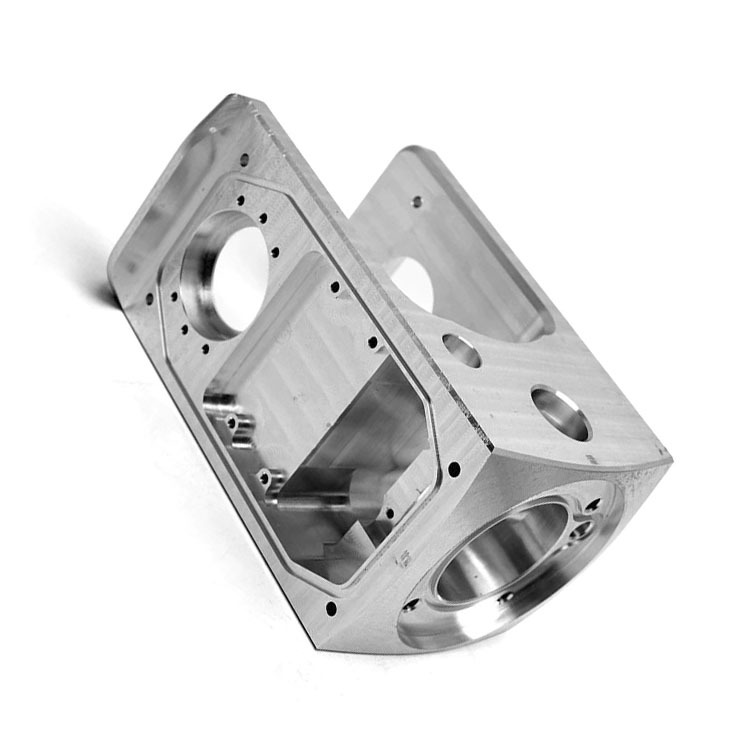
In the competitive landscape of modern manufacturing, the term ODM (Original Design Manufacturing) has become increasingly significant, particularly when combined with advanced CNC machining capabilities. For engineers, procurement professionals, and business owners seeking to bring complex metal and plastic components to life, understanding the nuances of the ODM CNC machining fabrication process is not just beneficial—it is essential for making informed sourcing decisions.
This guide offers an objective, in-depth exploration of what the ODM CNC machining fabrication process entails, the critical stages involved, the inherent risks and benefits, and how to evaluate a manufacturing partner for long-term success. We will examine this topic through the lens of industry expertise, drawing from real-world operational practices to help you navigate the complexities of custom precision manufacturing.
What is the ODM CNC Machining Fabrication Process?
The ODM CNC machining fabrication process represents a collaborative model where a manufacturer not only produces parts based on a client’s design but also contributes to the design and engineering development. Unlike a pure OEM (Original Equipment Manufacturing) arrangement, where the client provides a complete, finalized design for the manufacturer to execute, ODM partners like GreatLight Metal (GreatLight CNC Machining) actively participate in the design for manufacturability (DFM) phase, material selection, process optimization, and even conceptual development.
This model is particularly valuable when a client has a functional requirement but lacks the in-house engineering resources to optimize the design for CNC fabrication. The process is a systematic journey from an idea or a rough sketch to a high-precision, functional part, ready for assembly or end-use.
The Seven Critical Stages of the ODM CNC Machining Fabrication Process
To fully serve your search intent, we must dissect the ODM CNC machining fabrication process into its core operational stages. Each stage carries its own set of challenges, value-adding opportunities, and potential pitfalls.
Stage 1: Design Consultation and Feasibility Analysis
This is the foundational stage where value is created or lost. A reputable ODM partner begins not with a quote, but with a question: “What is the intended function of this part, and what are the critical to quality (CTQ) parameters?”
The Process: The client presents a concept, a 2D drawing, or a 3D model. The manufacturer’s engineering team analyzes it for manufacturability. They identify potential issues such as thin walls, sharp internal corners that require specific tool radii, deep cavities that challenge chip evacuation, or features that would necessitate complex multi-axis setups.
Value Proposition: This stage directly addresses a common pain point in the industry: the “Design Trap.” Many clients, especially startups and R&D teams, design parts in isolation without considering the limitations of CNC machining. An effective ODM partner will provide a comprehensive Design for Manufacturability (DFM) report, suggesting modifications that reduce lead time and cost without compromising functionality.
Risk to Mitigate: The “Silent Quote” risk. Some suppliers will quote any design “as-is” to win the business, only to encounter severe production issues later, leading to cost overruns and delays. A responsible partner will flag problematic features upfront.
Stage 2: Material Selection and Sourcing
Material choice is the single most significant factor determining part cost, performance, and machinability. The ODM CNC machining fabrication process must consider the entire lifecycle of the part.
The Process: Based on the application (aerospace, automotive, medical, consumer electronics), the manufacturer recommends suitable materials. This includes not just the obvious choices like 6061 aluminum or 304 stainless steel, but also engineering-grade plastics (PEEK, Ultem, Torlon) and high-performance alloys (Titanium Ti-6Al-4V, Inconel 718). A full-process manufacturer can also source pre-hardened materials or materials requiring specific post-processing.
Value Proposition: An experienced partner maintains a diverse inventory of certified materials, reducing lead time. They can also advise on cost-effective alternatives, such as recommending a more machinable alloy that meets the strength requirements or suggesting a specific surface treatment to enhance wear resistance instead of using a more expensive base material.
Risk to Mitigate: The “Black Box” of material quality. Without proper material traceability and certification (e.g., EN 10204 3.1 mill certificates), you risk part failure in the field. Reputable ODM facilities are ISO 9001:2015 certified, ensuring that material verification is a documented process.
Stage 3: CNC Programming and Fixture Design
This is where the digital meets the physical. Effective programming and fixturing are the hallmarks of a skilled ODM CNC machining partner.
The Process: Skilled CAM (Computer-Aided Manufacturing) programmers develop the toolpaths. For complex geometries, this involves 5-axis simultaneous machining, indexable 5-axis strategies, or high-speed milling cycles. Parallel to this, the tooling or fixture engineer designs the workholding solution. Fixtures must rigidly hold the part, resist cutting forces, and provide consistent, repeatable positioning across multiple parts.
Value Proposition: This stage is a key differentiator. For instance, GreatLight Metal’s facility is equipped with high-end 5-axis CNC machining centers from manufacturers like Dema and Beijing Jingdiao. This allows for complex parts to be machined in fewer set-ups, drastically improving accuracy and reducing the “cumulative tolerance” error that plagues processes with multiple manual transfers.
Risk to Mitigate: The “Set-Up Error.” Poorly designed fixtures can lead to part movement during machining, resulting in scrap and dimensional inaccuracy. A robust ODM process includes thorough in-process simulation to verify toolpaths and avoid collisions before a single chip is cut.
Stage 4: Precision Machining and Fabrication
The core execution phase. This is where the ODM CNC machining fabrication process truly demonstrates its capabilities through the control of key parameters.
The Process: The program is loaded, the fixture is set, and the raw material is loaded. The machine runs the cycles. For high-tolerance parts, this process may involve multiple roughing passes, semi-finishing, and then a slow, precise finishing pass. In-process inspection using probes allows the machine to automatically adjust for tool wear or thermal growth, holding tolerances to ±0.001mm and above.
Value Proposition: Consistency. The goal of any ODM process is to make the second part as perfect as the first. This is achieved through rigorous process control, documented setup sheets, and statistical process control (SPC). A factory of scale, like GreatLight CNC Machining with 127 pieces of precision equipment, can handle high-volume repeat orders while also accommodating rush prototype orders.
Risk to Mitigate: The “Precision Black Hole.” Some suppliers promise extreme accuracy in their marketing but fail to deliver in mass production due to aging equipment or poor maintenance. Verifying a supplier’s equipment list and maintenance schedule is a prudent step.
Stage 5: Secondary Operations and Deburring
CNC machining rarely produces a finished part directly from the machine. The ODM CNC machining fabrication process includes a critical, often underestimated, value-add stage for secondary operations.
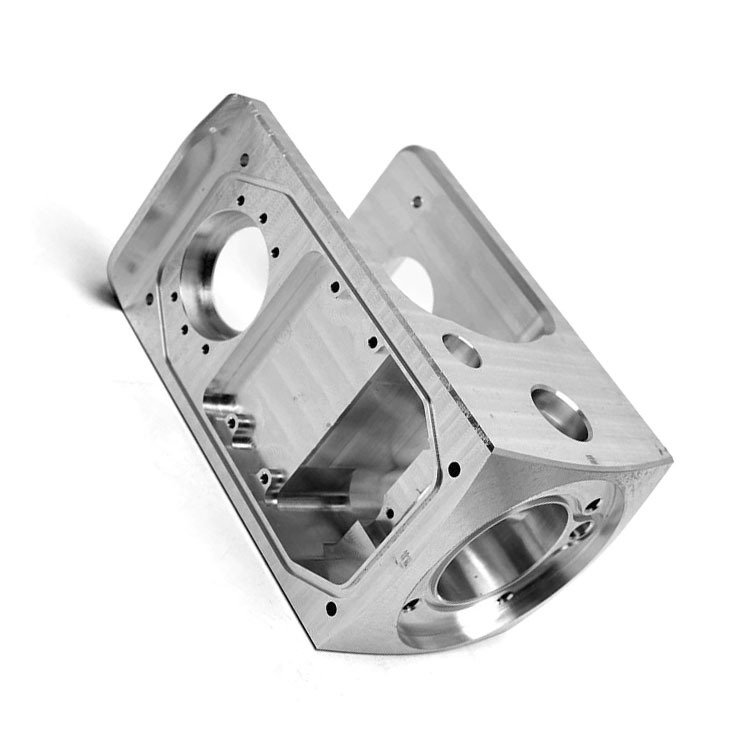
The Process: This includes manual or automated deburring to remove sharp edges, threading/tapping of holes, heat treatment to achieve desired hardness, and surface finishing like bead blasting, anodizing, or passivation.
Value Proposition: A true one-stop provider handles all these in-house or with tightly controlled partners. This eliminates the logistical nightmare of shipping a semi-finished part to a plating house or a heat-treat facility, which can introduce delays and damage risks.
Risk to Mitigate: The “Vendor Coordination” risk. If you outsource parts and finishing separately, you bear the responsibility for quality issues that arise between the two processes. An integrated ODM partner assumes that risk.
Stage 6: Quality Assurance and Inspection
Quality is not just a department; it is a verification stage that confirms every preceding step was performed correctly.
The Process: In-process inspection is conducted throughout. Final inspection is performed in a controlled environment using calibrated equipment. This includes CMM (Coordinate Measuring Machine) checks for geometric dimensions, surface roughness testers, and visual inspection under magnification.
Value Proposition: A supplier with in-house precision measurement equipment can provide fully documented inspection reports (First Article Inspection Reports, or FAIRs) that trace every critical dimension back to the client’s drawing.
Risk to Mitigate: The “Lack of Traceability” risk. Without proper documentation, a quality issue in a downstream assembly becomes a nightmare to troubleshoot. ISO 9001:2015 certified manufacturers like GreatLight Metal maintain full traceability from raw material to finished part.
Stage 7: Post-Processing, Surface Finishing, and Logistics
The final stage transforms a “machined” part into a “finished” component ready for its intended environment.
The Process: Depending on requirements, this stage includes anodizing (Type II or Type III), plating (zinc, nickel, chrome), powder coating, painting, or specialized coatings like PTFE or DLC (Diamond-Like Carbon). After finishing, parts are cleaned, packaged (often with custom kitting or clean-room packaging for medical applications), and shipped.
Value Proposition: Standard logistics can be a bottleneck. A full-service ODM partner offers multimodal shipping options and manages customs documentation, providing a “door-to-door” service.
Risk to Mitigate: The “Last-Mile” risk. Shipping delays or poor packaging that leads to cosmetic damage can negate all the precision work that went into the part. A professional partner treats packaging as part of the quality process.
How to Evaluate an ODM CNC Machining Fabrication Partner
When sourcing for the ODM CNC machining fabrication process, you are not just buying machine time; you are buying engineering expertise, risk mitigation, and process reliability. To make an informed decision, evaluate potential partners against these critical criteria:
| Criterion | What to Look For | Market Examples |
|---|---|---|
| Certifications | ISO 9001:2015 is the baseline. For automotive, look for IATF 16949. For medical, ISO 13485. For data-sensitive projects, ISO 27001. | GreatLight Metal holds ISO 9001:2015, IATF 16949, ISO 13485, and ISO 27001. |
| Equipment | A full suite of capabilities: 3/4/5-axis CNC, turning, wire EDM, and additive manufacturing (SLM, SLS, SLA) for a “best-process” approach. | GreatLight Metal has 127+ units including 5-axis Dema/Jingdiao centers, 3D printers, and die-casting machines. |
| Process Chain | In-house capabilities for die casting, sheet metal, and post-processing. This reduces lead time and vendor management complexity. | GreatLight Metal offers a closed-loop process from mold to finish. |
| Engineering Support | Proactive DFM feedback. A partner that questions a design to improve manufacturability is more valuable than one that simply says “yes.” | GreatLight Metal’s team provides in-depth DFM analysis for complex e-housings and automotive parts. |
| Risk Awareness | Honest communication about tolerances, lead times, and potential issues. Look for partners who acknowledge the challenges of precision manufacturing. | Factories like RapidDirect, Xometry, and Fictiv offer strong online quoting, but may lack the deep in-house engineering for highly complex ODM work. |
Addressing the Pain Points: Why Process Rigor Matters
The industry research consistently highlights several pain points that a well-defined ODM CNC machining fabrication process directly addresses.
The “Precision Trap”: Many suppliers claim ±0.001mm tolerances but cannot hold them in production. A rigorous ODM process validates this capability through First Article Inspection (FAI). The process is designed to be statistical, not aspirational.
The “Communication Gap”: In the ODM model, communication is structured. It begins with a formal RFQ (Request for Quotation), moves to a DFM review, and then to a production schedule. This formalized communication reduces the risk of misinterpretation.
The “Hidden Cost” of the “Vendor Maze”: When you manage multiple vendors (one for machining, one for heat treat, one for anodizing), you absorb the coordination cost. A full-process ODM partner internalizes this, offering a single point of contact and accountability.
The Future of ODM CNC Machining
The ODM CNC machining fabrication process is evolving rapidly. The trend is toward increased integration of additive and subtractive manufacturing (hybrid manufacturing). For example, a complex geometry might be 3D-printed (using SLM for metal or SLS for nylon) and then finish-machined on a 5-axis CNC mill to achieve the required surface finish and tolerance that cannot be achieved by printing alone. GreatLight Metal is already operating in this hybrid space, offering SLM, SLA, and SLS 3D printing alongside its core CNC capabilities.
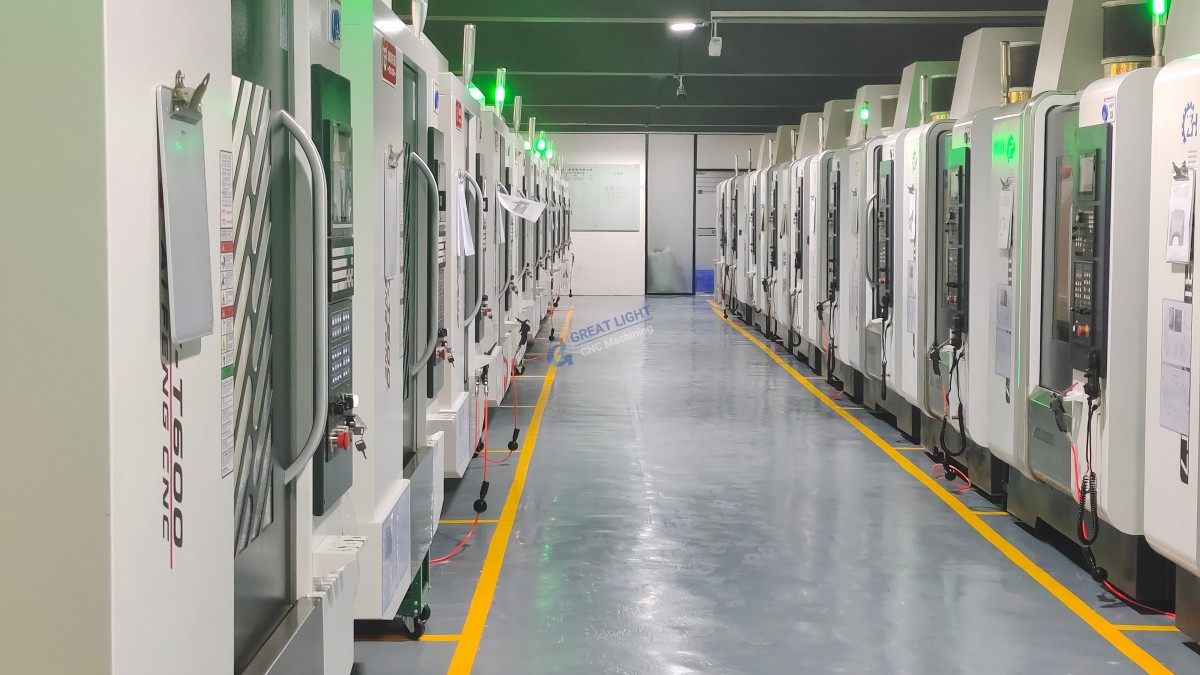
Furthermore, the demand for rapid prototyping within the ODM framework is growing. The ability to go from a 3D design to a functional prototype in days, not weeks, is a competitive necessity for many companies. This requires a manufacturer with a streamlined workflow and a “speed-to-market” mentality, combined with the rigor of a traditional production house.
Conclusion: Choosing a Partner for the ODM CNC Machining Fabrication Process
Navigating the ODM CNC machining fabrication process requires more than just a purchase order; it requires a partnership built on trust, technical transparency, and shared risk. The goal is to select a manufacturing partner who possesses not only the advanced equipment—like one-stop 5-axis CNC machining services offered by industry leaders—but also the systemic discipline to manage the entire lifecycle of your part, from design critique to final shipment.
When you choose a partner with real operational capabilities, you are investing in certainty. You are choosing to work with an organization that understands the physics of cutting metal, the chemistry of material properties, and the logic of supply chain management. This depth of expertise is what separates a commodity CNC shop from a true ODM manufacturing solutions provider.
For your next project, seek out a partner like GreatLight CNC Machining who can demonstrate a documented process, a clean and organized facility, a portfolio of complex parts, and a team of engineers who can speak your language. Ensure they are connected with industry professionals who value precision and trust. This approach will significantly increase your probability of a successful, on-time, and on-budget project.
Ultimately, the ODM CNC machining fabrication process is a journey of transformation. With the right partner, the path is clear, the risks are managed, and the outcome is a part that exceeds your expectations.


![[访谈] RAPID + TCT 2024:人工智能对 3D 打印的价值](https://print-ing.com/wp-content/uploads/2024/07/INTERVIEW-60x60.jpeg "[访谈] RAPID + TCT 2024:人工智能对 3D 打印的价值 9")




发表回复
要发表评论,您必须先登录。