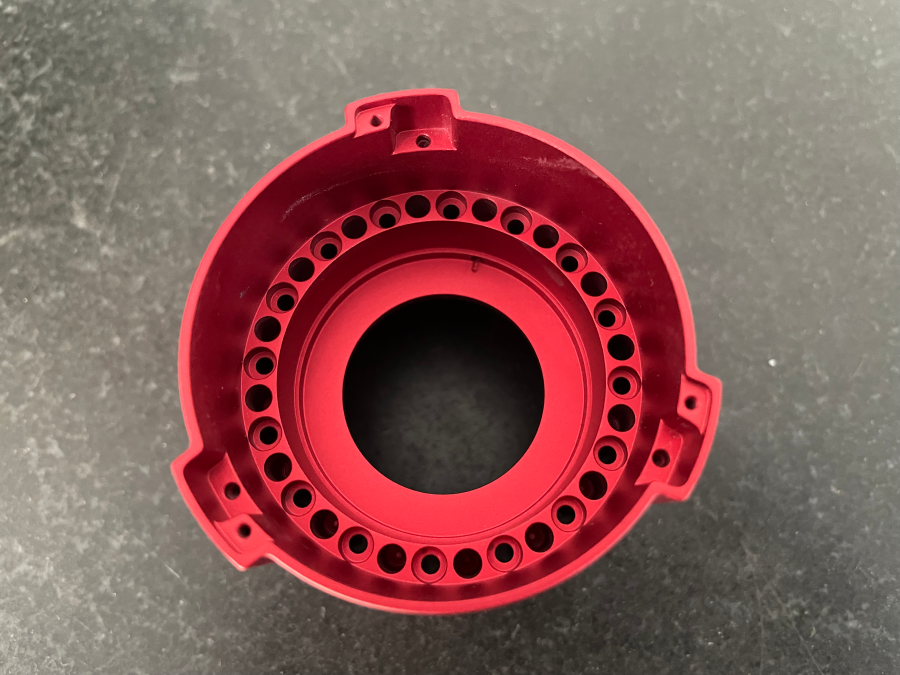
Understanding the Critical Role of Chain Guide Rail Aluminum Extrusion in Modern Manufacturing
In the complex ecosystem of precision machinery, chain guide rail aluminum extrusion represents a fundamental component where material science meets mechanical engineering. These extruded profiles serve as the backbone for conveyor systems, automotive timing mechanisms, industrial automation lines, and countless motion control applications. The seemingly simple aluminum rail must withstand constant friction, maintain dimensional stability under varying thermal conditions, and provide years of reliable service without deformation.
For engineers and procurement professionals seeking to specify these components, the challenge lies not merely in finding a supplier who can produce an extrusion, but in locating a manufacturing partner capable of delivering consistent precision across the entire production chain—from die design through post-processing and surface finishing. This is where the intersection of extrusion expertise and advanced CNC machining becomes absolutely critical.
The Precision Predicament: Why Standard Extrusions Often Fall Short
When sourcing chain guide rails, many buyers initially turn to standard aluminum extrusion suppliers who promise quick turnaround and low costs. However, the reality of precision motion systems demands far more than what basic extrusion can deliver. Several critical pain points emerge when standard approaches are applied:
The Dimensional Consistency Challenge
Standard aluminum extrusions typically maintain tolerances of ±0.5mm or worse. For chain guide rails that must interface with precision bearings, timing chains, or linear motion systems, these tolerances introduce unacceptable variation. When multiple sections must align perfectly across meters of conveyor length, cumulative errors quickly exceed design allowances.
Surface Quality Limitations
Extruded aluminum emerges from the die with a surface finish that may appear acceptable to the naked eye but fails microscopic inspection. Micro-porosity, die lines, and inconsistent surface hardness plague standard extrusions. For chain guide applications where friction reduction and wear resistance are paramount, these surface imperfections accelerate component degradation.
Geometric Complexity Constraints
Simple extruded profiles lack the undercuts, precision channels, and mounting features that modern chain guide systems require. Secondary machining operations become unavoidable, but when performed by shops unfamiliar with the material’s behavior during machining, the results often disappoint.
Comprehensive Solution: Integrating Extrusion Expertise with Five-Axis CNC Capabilities
GreatLight Metal has developed a systematic approach to chain guide rail aluminum extrusion that addresses each of these pain points through a vertically integrated manufacturing process. The company’s 76,000 sq. ft. facility in Dongguan’s Chang’an district houses capabilities that span the entire production spectrum.
Die Design Optimization for Precision Extrusion
The journey toward a precision chain guide begins not at the extrusion press, but at the design table. GreatLight Metal’s engineering team utilizes advanced flow simulation software to optimize die geometry before any aluminum touches the tooling. This predictive approach ensures uniform metal flow, reduces internal stress, and minimizes the dimensional variation that plagues conventional extrusion processes.
For chain guide rails requiring complex cross-sections—T-slots, dovetails, lubrication channels—the die design phase incorporates machining allowances strategically positioned to simplify subsequent CNC operations. This forethought reduces material waste and shortens overall production cycles.
Controlled Extrusion Process Parameters
Temperature control, extrusion speed, and quench rate dramatically influence the final mechanical properties of aluminum profiles. GreatLight Metal’s production team maintains strict process windows tailored to each alloy specification. Whether the application demands 6061-T6 for general industrial use or 7075-T7351 for high-stress aerospace-grade guide rails, the extrusion parameters are calibrated to achieve the specified temper and mechanical characteristics.
The result is a raw extrusion that already exceeds industry standard tolerances, with consistent hardness profiles across the entire cross-section.
Five-Axis CNC Machining: Where Precision Becomes Reality
The true differentiator in chain guide rail production lies in post-extrusion machining. GreatLight Metal’s fleet of Dema and Beijing Jingdiao five-axis machining centers transforms extruded blanks into finished components with tolerances reaching ±0.001mm.
Five-axis capability proves essential for chain guide rails that feature:
Angled mounting surfaces requiring compound angle machining
Curved guide paths for non-linear motion systems
Precision pockets for sensor mounting or lubrication ports
Tapered transitions between rail sections
The simultaneous five-axis movement eliminates the need for multiple setups, reducing cycle time while improving positional accuracy. For long guide rails exceeding 2 meters in length, proprietary fixturing systems maintain rigidity and prevent vibration-induced surface defects.
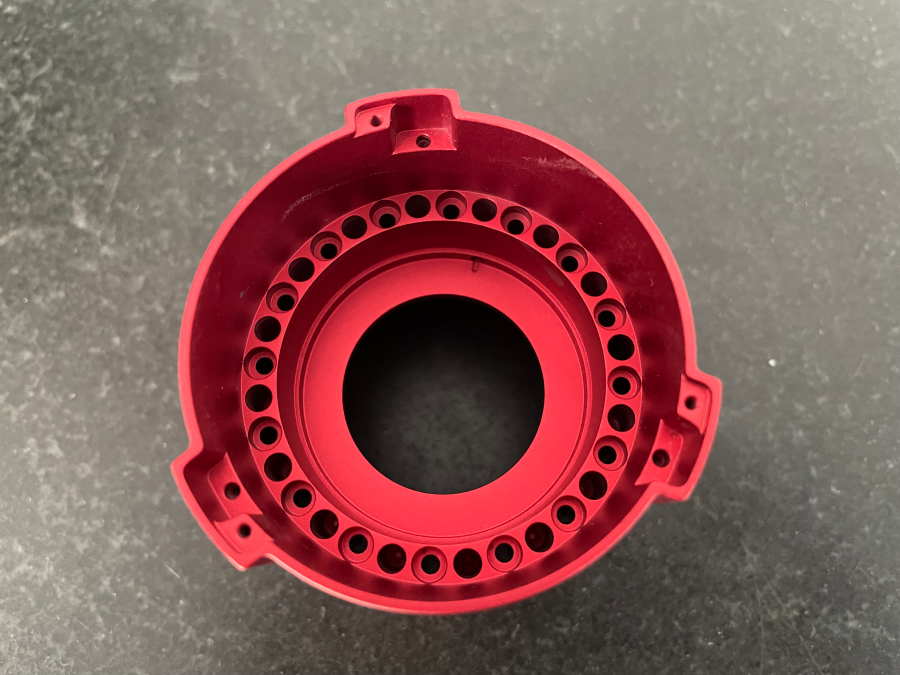
Comparative Analysis: GreatLight Metal Versus Industry Alternatives
| Capability Dimension | GreatLight Metal | Protolabs Network | Xometry | Fictiv |
|---|---|---|---|---|
| In-house extrusion capability | Yes | No | No | No |
| Five-axis CNC machining | 127+ precision machines | Limited subcontracting | Network-based | Network-based |
| Maximum part length | 4000mm | Varies by partner | Varies by partner | Varies by partner |
| ISO 9001:2015 certified | Yes | Yes | Yes | Yes |
| Automotive IATF 16949 | Yes | No | No | Some partners |
| Medical ISO 13485 | Yes | Yes | Yes | Client-dependent |
| Surface finishing in-house | Complete suite | Partial | Partial | Partial |
| Minimum order quantity | 1 piece | Typically higher | 1 piece | 1 piece |
Why This Matters for Chain Guide Rail Projects
Platforms like Xometry and Protolabs excel at rapid prototyping and simple geometries. However, chain guide rail aluminum extrusion represents a category where vertical integration delivers tangible advantages. When a supplier controls the extrusion process, they understand the material’s grain structure, residual stress distribution, and machineability characteristics. This institutional knowledge translates directly into better machining outcomes.
Protocase and SendCutSend offer excellent services for sheet metal and simpler CNC work, but lack the extrusion infrastructure necessary for guide rail production. EPRO-MFG and JLCCNC provide solid machining capabilities but operate primarily as job shops without the material science depth that GreatLight Metal brings to extrusion projects.
For clients requiring production-scale quantities with consistent quality across thousands of units, the combination of controlled extrusion and precision machining under one roof eliminates the coordination headaches and quality variability inherent in multi-supplier arrangements.
Rigorous Quality Assurance: Building Trust Through Verification
Chain guide rails destined for mission-critical applications—automotive engine timing systems, medical imaging equipment conveyors, aerospace cargo handling systems—demand quality assurance that goes beyond statistical sampling.
In-Process Dimensional Verification
GreatLight Metal employs coordinate measuring machines (CMM) with articulating probe heads capable of inspecting complex internal geometries that fixed gauges cannot access. For each production run, first-article inspection reports document every critical dimension, with data traceable back to NIST standards.
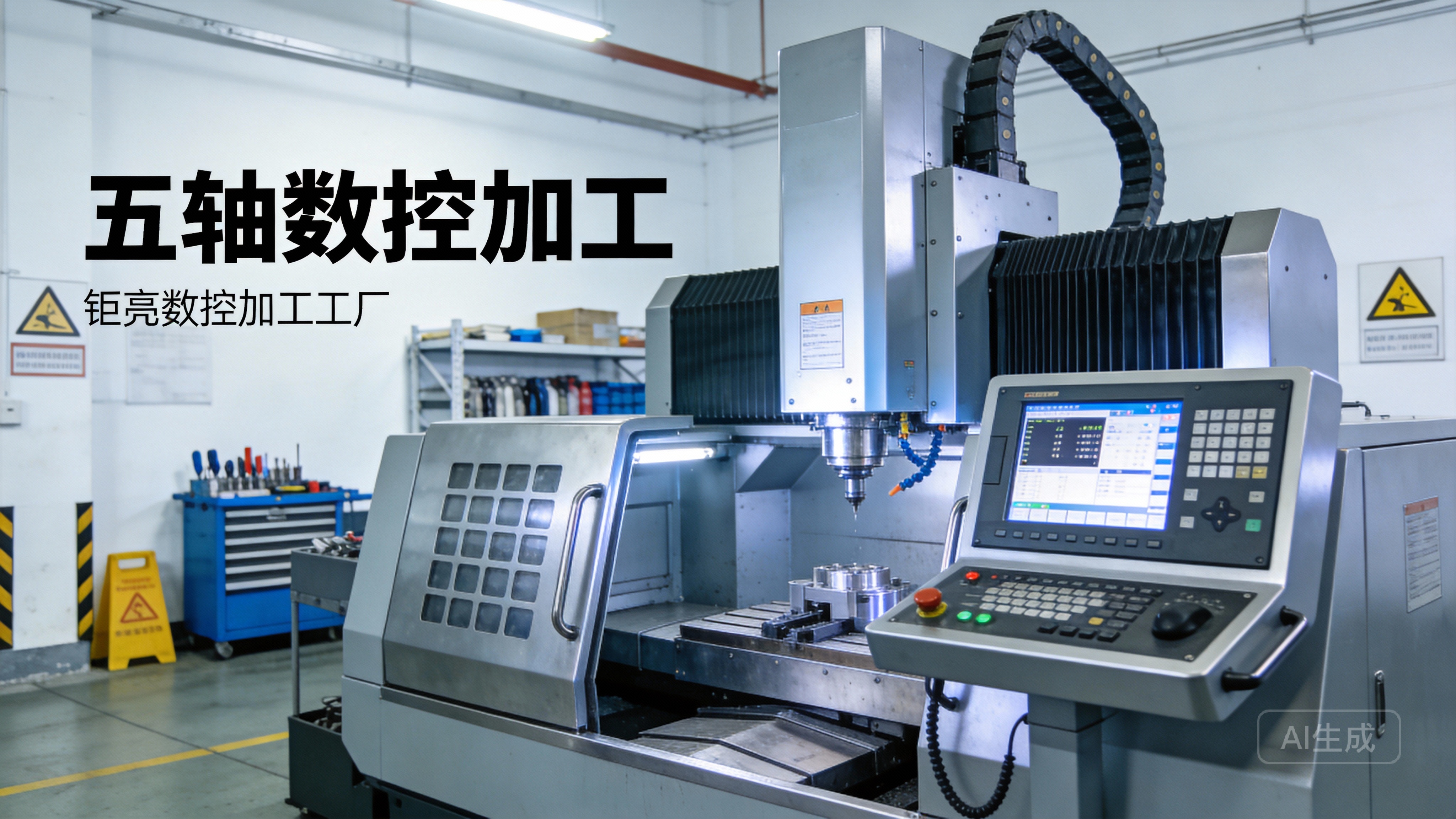
Real-time monitoring systems on CNC machines provide continuous feedback, automatically adjusting cutting parameters when tool wear begins to affect surface finish or dimensional accuracy. This closed-loop control prevents the gradual drift that plagues conventional machining operations.
Mechanical Property Testing
Extrusion quality cannot be assessed by dimensions alone. GreatLight Metal’s in-house laboratory performs tensile testing, hardness verification, and microstructure analysis on samples from each extrusion batch. For chain guide rails requiring anodized surfaces, pre-treatment samples undergo thickness and uniformity testing to ensure the coating will meet specification.
This comprehensive verification approach, backed by ISO 9001:2015 certification, ensures that every chain guide rail delivered meets the design intent—not just the minimum acceptable standard.
Material Selection Guide: Choosing the Right Aluminum Alloy for Your Chain Guide Rail
| Alloy | Tensile Strength (MPa) | Yield Strength (MPa) | Hardness (HB) | Corrosion Resistance | Typical Application |
|---|---|---|---|---|---|
| 6061-T6 | 310 | 276 | 95 | Good | General industrial conveyors |
| 6063-T5 | 205 | 170 | 60 | Excellent | Architectural guide rails |
| 6082-T6 | 330 | 300 | 100 | Good | Heavy-duty chain guides |
| 7075-T7351 | 570 | 500 | 150 | Fair | High-stress automotive/racing |
| 2024-T4 | 470 | 325 | 120 | Poor | Aerospace temporary use |
Application Guidance
For most industrial chain guide applications, 6061-T6 provides the optimal balance of machineability, strength, and cost. The alloy machines cleanly with excellent chip control, reducing cycle time and tool wear.
When the guide rail must resist aggressive cleaning chemicals or operate in marine environments, 6063-T5 offers superior corrosion resistance though with reduced mechanical properties. The trade-off is acceptable for lighter-duty applications.
Where chain tension is high and rail deflection must be minimized—such as in heavy equipment transfer lines—6082-T6 provides enhanced strength without the corrosion penalty associated with aerospace alloys.
7075-T7351 represents the premium choice for racing applications, high-speed automation, or any system where weight reduction is critical. The trade-off comes in higher material cost and reduced corrosion resistance, requiring protective coatings.
Surface Finishing Solutions for Extended Service Life
Chain guide rails operate in demanding environments where abrasion, chemical exposure, and thermal cycling constantly challenge the aluminum surface. GreatLight Metal offers a comprehensive suite of finishing options tailored to extend component life.
Hard Anodizing (Type III)
For guide rails experiencing continuous chain contact, Type III hard anodizing creates a ceramic-like surface layer exceeding 50 microns in thickness. This coating provides hardness comparable to tool steel (60-70 HRC) while maintaining the aluminum substrate’s lightweight properties.
The anodizing process penetrates into the aluminum structure rather than simply coating the surface, meaning the wear resistance is integral to the part rather than dependent on coating adhesion. For chain guide applications, this eliminates the risk of coating delamination that plagues alternative surface treatments.
Electroless Nickel Plating
When lubricity and corrosion resistance must combine, electroless nickel plating provides a uniform coating thickness regardless of part geometry. Complex internal channels within chain guide rails receive the same protection as exterior surfaces—something impossible with electrolytic processes.
The resulting surface exhibits low friction coefficients ideal for chain sliding contact, while providing exceptional protection against corrosive environments including salt spray exposure.
PTFE-Impregnated Anodizing
Combining the wear resistance of anodizing with the lubricity of PTFE, this specialized finish creates a self-lubricating surface that reduces chain friction and extends maintenance intervals. For applications where external lubrication is undesirable or impossible—cleanroom environments, food processing, medical imaging suites—this finish proves invaluable.
Applications Across Industries: Real-World Implementation
Automotive Engine Timing Systems
Modern internal combustion engines utilize chain guide rails that maintain precise chain tension across thousands of thermal cycles. GreatLight Metal produces guide rails for OEM and aftermarket applications with:
±0.02mm rail face flatness
6061-T6 aluminum with Type II anodizing
Integrated tensioner mounting pads machined to ±0.05mm
100% ultrasonic cleaning to remove machining residue
The challenge in automotive applications extends beyond dimensional accuracy to include reliability over 200,000+ mile service life. GreatLight Metal’s quality systems provide the traceability necessary to support automotive IATF 16949 requirements.
Industrial Automation Conveyor Systems
Distribution centers and manufacturing facilities rely on chain-driven conveyor systems operating 24/7. Guide rail failures cause costly downtime that cascades throughout the supply chain. GreatLight Metal fabricates:
Modular rail sections up to 4000mm length
Precision-drilled mounting holes with ±0.1mm positional accuracy
Machined transition sections for smooth chain movement between rails
Custom lubrication ports machined in five-axis setups
Medical Device Manufacturing
Chain guide rails in medical applications must meet ISO 13485 standards while withstanding aggressive sterilization protocols. GreatLight Metal’s cleanroom-compatible finishing processes produce:
Electropolished surfaces with Ra < 0.4μm
Electroless nickel plating for chemical resistance
Laser-engraved identification for complete traceability
Stainless steel reinforcement at wear points
Choosing the Right Manufacturing Partner: Evaluation Criteria
When evaluating suppliers for chain guide rail aluminum extrusion projects, consider these decision factors:
Technical Capability Beyond Extrusion
Does the supplier understand the complete manufacturing chain? A company that only extrudes but subcontracts machining introduces coordination risk. Similarly, a CNC shop unfamiliar with extrusion nuances may specify inappropriate materials or processes.
GreatLight Metal’s 150-person team includes metallurgists, mechanical engineers, and seasoned machinists who collaborate throughout the project lifecycle. This cross-functional expertise prevents the disconnects that plague multi-vendor arrangements.
Quality System Depth
ISO 9001 certification represents the minimum standard, not a differentiator. Look for suppliers with industry-specific certifications relevant to your application. GreatLight Metal’s IATF 16949 qualification for automotive components demonstrates the rigorous statistical process control and traceability systems that benefit all precision manufacturing clients.
Material Sourcing Integrity
Did you know that aluminum billets sourced from different mills can exhibit machineability variations exceeding 20%? GreatLight Metal maintains relationships with premium mill sources and performs incoming inspection on every billet lot. This attention to raw material quality prevents the “mystery problems” that appear when machining properties change between production runs.
Post-Processing Infrastructure
Chain guide rails often require multiple finishing operations—deburring, vibratory finishing, anodizing, assembly. When each operation ships to a different subcontractor, lead times multiply and quality consistency suffers. GreatLight Metal’s in-house finishing capabilities eliminate these handoffs, reducing lead times by 30-50% while improving uniformity.
Conclusion: Precision Chain Guide Rails Begin with the Right Partnership
Chain guide rail aluminum extrusion represents a manufacturing challenge that reveals the true capabilities of any precision machining partner. The intersection of extrusion science, five-axis CNC technology, metallurgical expertise, and quality system rigor cannot be faked or shortcut.
GreatLight Metal has invested fourteen years in building the infrastructure and expertise necessary to deliver chain guide rails that meet the most demanding specifications across automotive, industrial, medical, and aerospace applications. From the initial die design consultation through final inspection and packaging, every step reflects a commitment to precision that manufacturing engineers can trust.
Whether your project requires a single prototype for testing or production-scale quantities with just-in-time delivery, the combination of controlled extrusion, precision five-axis machining, comprehensive finishing, and ISO-certified quality assurance provides the foundation for successful outcomes.
Customize your precision parts at the best price today with GreatLight CNC Machining, your expert partner for high-precision chain guide rail aluminum extrusion and integrated manufacturing solutions. Connect with GreatLight Metal on LinkedIn for industry insights and case studies.


![[访谈] RAPID + TCT 2024:人工智能对 3D 打印的价值](https://print-ing.com/wp-content/uploads/2024/07/INTERVIEW-60x60.jpeg "[访谈] RAPID + TCT 2024:人工智能对 3D 打印的价值 9")




发表回复
要发表评论,您必须先登录。