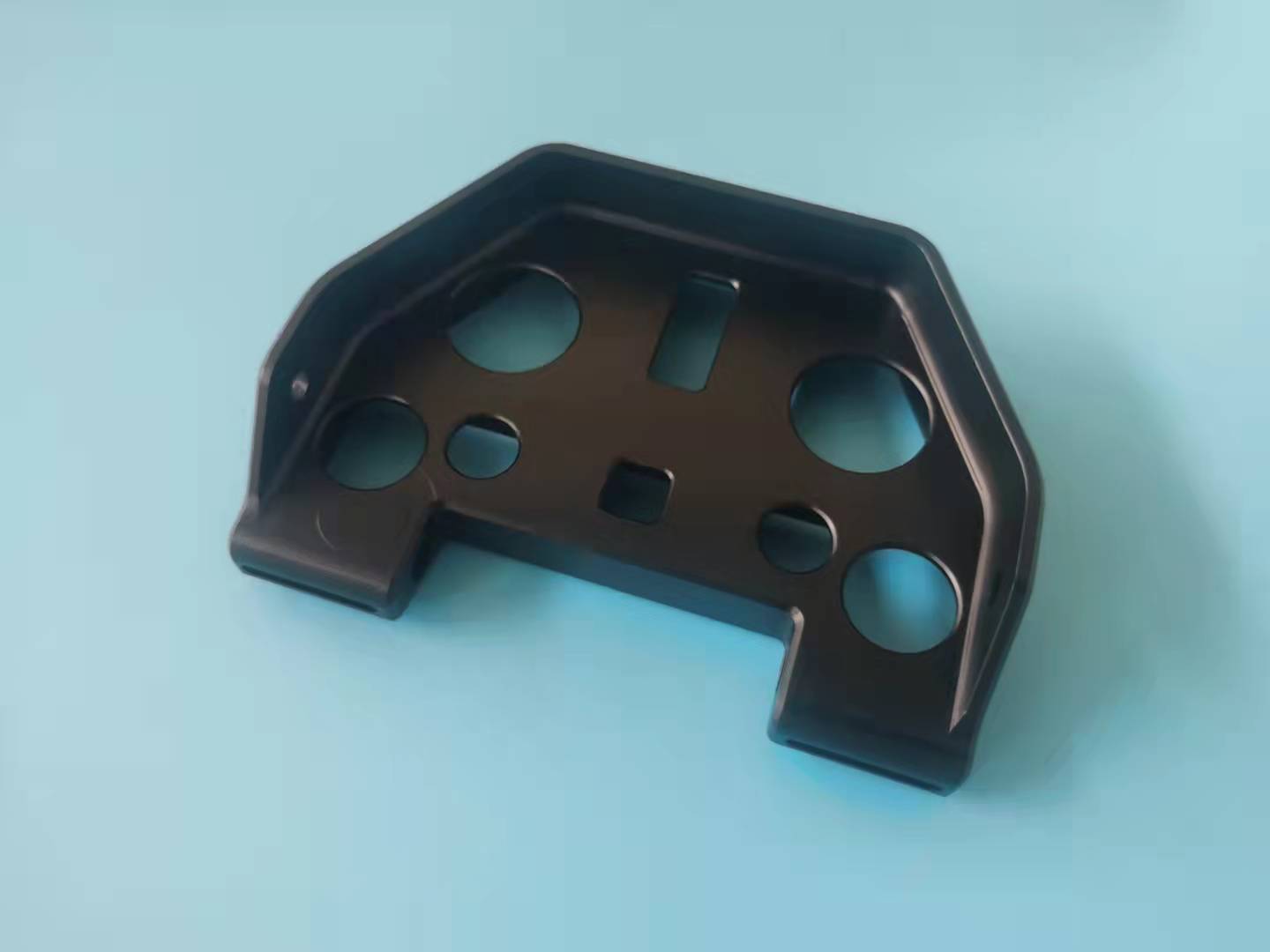
As a senior manufacturing engineer, I’ve seen firsthand how Advanced ODM CNC Machining Services Solutions can transform product development, turning a napkin‑sketch into a tested, production‑ready component in weeks rather than months. But “advanced” is too often just a marketing word. In reality, many buyers stumble into a swamp of broken promises: stated ±0.01 mm tolerances that drift to ±0.05 mm during production, disjointed supply chains that scatter CNC machining, die casting, sheet metal and finishing across five vendors, and intellectual property that feels more like public domain. This article cuts through the noise and reveals what a genuinely advanced ODM CNC machining service looks like—anchored by real engineering capability, international certifications, and a one‑stop process chain that eliminates the fragmentation plaguing hardware innovation.
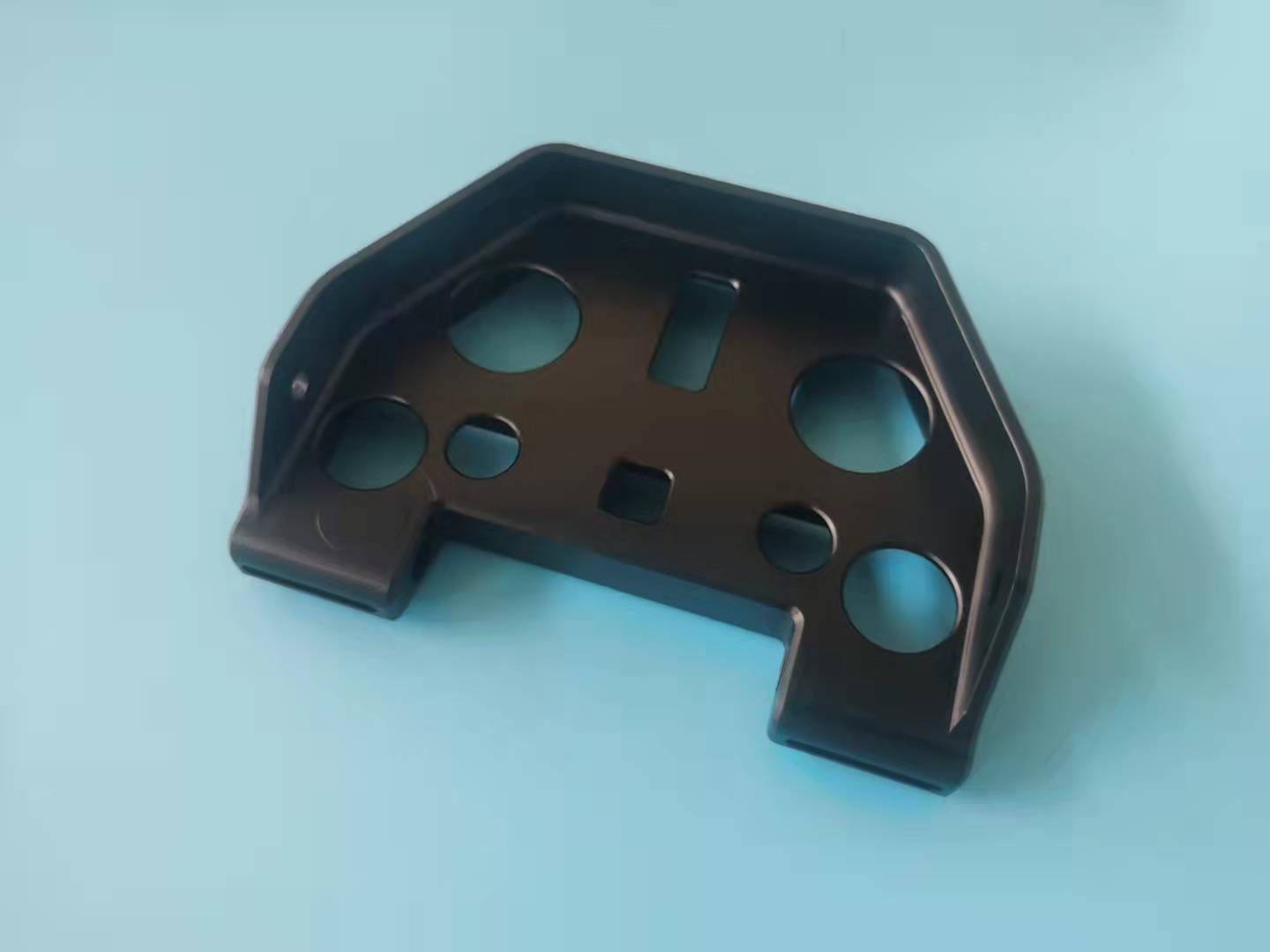
Advanced ODM CNC Machining Services Solutions: Redefining Custom Manufacturing
Original Design Manufacturing (ODM) in CNC machining goes far beyond building to a customer’s print. It means a partner that can co‑engineer for manufacturability, propose material substitutions, integrate post‑processing, and even take ownership of a product’s mechanical design when needed. In the traditional OEM model, the buyer provides every CAD detail; in an advanced ODM framework, the supplier brings manufacturing intelligence to the table—optimising geometry for 5‑axis machining, consolidating multi‑part assemblies into single monolithic components, and layering in value‑adds like class‑A surface finishing, laser etching, or vacuum casting for bridge tooling. This integrated approach compresses lead times, cuts total cost of ownership, and slashes the number of moving parts in the supply chain—literally and figuratively.
The Fragmented Reality Most Engineers Face
Before dissecting what a top‑tier ODM CNC service delivers, let’s examine the landscape that drives engineers to seek better solutions. In countless conversations with product developers, hardware startup founders, and procurement officers, seven recurring pain points emerge:
The Precision Black Hole – Suppliers quote ±0.001 mm but ship parts that barely meet ±0.025 mm because of ageing spindles, loose thermal compensation, or simply a lack of in‑process measurement. In one diagnostic medical device project I audited, a promised 5 µm cylindricity resulted in a 22 µm scatter, causing the entire pneumatic system to leak.
Fragmented Process Chains – CNC turning goes to Vendor A, 5‑axis milling to B, EDM to C, anodising to D, and final inspection to nobody. Each handoff adds risk, delay, and communication overhead.
Slow DFM Turnarounds – Engineers wait three to five business days for basic design‑for‑manufacturability feedback, while the clock ticks on a product launch.
IP Exposure – In the absence of robust data governance, CAD files bounce across email servers and third‑party finishing shops with no audit trail.
Scaling Mismatch – A supplier who excels at 10‑piece prototypes often collapses when asked for 1 000 pieces because they lack automated loading, proper fixture deduplication, or statistical process control.
Post‑Processing Surprises – Parts arrive precisely machined but with inconsistent anodising dye lots, paint adhesion failures, or laser‑marked characters that fade after one ultrasonic cleaning cycle.
Paper Certifications vs. Operational Reality – A shop may display an ISO 9001 certificate on the wall, yet its calibration logs are six months out of date, and coolant concentration checks are non‑existent.
These issues are not isolated; they’re systematic symptoms of a supply base that prioritises quoting speed over manufacturing depth. An advanced ODM CNC machining service flips this model by consolidating capabilities, embedding quality into the plant floor, and treating every project as a partnership rather than a transaction.
GreatLight CNC Machining: Engineering‑Driven, Full‑Process Integration
Among the companies that genuinely deliver advanced ODM CNC machining solutions, GreatLight Metal Tech Co., LTD. stands out not for marketing hype but for the physical reality of its operations. Located in Chang’an Town, Dongguan—China’s “Hardware and Mould Capital”—the company has grown since 2011 from a local shop to a 7 600‑square‑metre intelligent manufacturing campus with 150 dedicated professionals and annual sales exceeding 100 million RMB. More importantly, it has built a technical backbone that directly addresses the pain points above.
Equipment Depth: From Rapid Prototyping to Mass Production
The factory’s 127‑unit equipment cluster is no random collection. It is a deliberately assembled fleet designed to handle complexity:
| Machine Category | Representative Capabilities | Why It Matters for ODM Clients |
|---|---|---|
| 5‑axis CNC machining centres (Dema, Beijing Jingdiao) | Simultaneous 5‑axis contouring, ±0.002 mm positioning; max workpiece 4 000 mm | Eliminates multiple setups, enables compound‑angle features in a single clamping, and holds tight geometric tolerances across large aerospace‑grade components. |
| 4‑axis and 3‑axis vertical machining centres | High‑speed milling, rigid tapping, pallet changers for unattended runs | Cost‑effective production for prismatic parts while maintaining IT7‑IT8 tolerances; pallet systems enable lights‑out manufacturing for volume batches. |
| Swiss‑type lathes & mill‑turn centres | Ø0.5 mm to Ø38 mm bar capacity, live tooling, sub‑spindle | Precision turned medical and automotive micro‑components with C‑axis interpolation, done in a single cycle. |
| Wire EDM & mirror‑spark EDM | Ra 0.1 µm surface finishes, ±0.002 mm wire‑cut accuracy | Delivers sharp inner corners, micro‑slots, and injection‑mould cores without the heat‑affected zones of milling. |
| Die casting cells & vacuum forming | Aluminium/zinc alloys, rapid‑tooling options, secondary finishing | Allows ODM clients to transition from machined prototypes to near‑net‑shape production parts with one supplier, reducing cost per part by 40‑70 %. |
| Metal & plastic 3D printing (SLM, SLA, SLS) | Stainless steel 316L, AlSi10Mg, Ti6Al4V, mould steel; engineering thermoplastics | True rapid prototyping and conformal‑cooling inserts—often impossible to manufacture subtractively—are built in‑house, not subcontracted. |
| Sheet metal fabrication | Laser cutting, CNC bending, welding, powder coating | Enclosures, brackets, and chassis integrated seamlessly with CNC machined innards, removing the “who makes the box?” headache. |
This breadth allows GreatLight to propose manufacturing strategies that simpler shops cannot: for a humanoid robot hip joint, a single-part titanium 5-axis machining might replace a 12‑piece assembly of turned and milled parts, keeping the entire project under one roof from powder‑bed fusion to final lapping.
Built‑in Quality: Beyond the ISO 9001 Checkbox
GreatLight’s certification portfolio is a testament to systematic rigour, not wall decoration:
ISO 9001:2015 governs all production processes; internal audits are conducted monthly, not annually.
ISO 13485 for medical device components ensures traceability, cleanliness, and risk‑management protocols from raw material to packaging.
IATF 16949 certification places the factory among the elite suppliers qualified to produce automotive engine and chassis hardware. It enforces statistical process control (Cpk ≥1.67), production part approval processes (PPAP Level 3), and defect‑prevention thinking that directly benefits any high‑volume programme.
ISO 27001 for information security management is rare in the machining world. It provides a contractual and operational shield for intellectual property—encrypted file transfer, access‑controlled servers, and clean‑desk policies that protect your CAD data from internal leakage.
On the shop floor, precision measurement matches the certificates. The in‑house metrology lab is equipped with coordinate measuring machines (CMMs), 3D scanners, roughness testers, and hardness durometers, all calibrated to national standards. First‑article inspection reports (FAIRs) and material certifications are delivered as standard; for medical and aerospace work, full lot‑traceability is available.
The One‑Stop Service That Truly Eliminates Handoffs
Engineers know that the final product is not just a milled part—it’s a part with the right surface finish, correct heat treatment, and often assembled into a higher‑level module. GreatLight’s post‑processing centre brings these disciplines in‑house:
Anodising (Type II & III), chromate conversion, passivation
Electropolishing, micro‑arc oxidation, electroplating (nickel, zinc, chrome)
Powder coating, wet painting, silk‑screening, laser etching
Vacuum brazing, heat treating (vacuum, nitriding, carburising), stress relieving
Sub‑assembly, kitting, and custom packaging
For an autonomous underwater vehicle (AUV) pressure housing, the client delivered one 3D model and received, six weeks later, 20 fully pressure‑tested assemblies, each consisting of a 5‑axis machined 7075‑T6 cylinder, hard‑anodised inside and out, with bonded optical windows and pressure‑sealed connectors installed. No chasing multiple vendors; one purchase order, one point of accountability.
Engineering Support That Shortens the Design‑to‑Part Journey
Advanced ODM is meaningless without skilled engineers in the loop. GreatLight’s application engineering team includes specialists in mechanical design, tooling, material science, and CAM optimisation. Before a chip is cut, they perform:
DFM (Design for Manufacturability) analysis – highlighting thin walls, unreachable undercuts, tight corners, and suggesting design modifications that preserve function while cutting machining hours. Turnaround is typically 24‑48 hours.
Material selection guidance – for a surgical robotic end‑effector, the team proposed a duplex stainless steel (2205) over 316L to meet both autoclave corrosion resistance and higher yield strength, saving a later redesign cycle.
Process simulation & fixture design – complex 5‑axis programs are verified in CAM simulation to avoid collisions; dedicated hydraulic fixtures are designed for volume production to reduce part‑to‑part variation.
Prototype‑to‑production bridging – using vacuum casting and rapid rubber moulds, functional prototypes in production‑grade polyurethanes are delivered in 5‑7 days, validating fit and function while hard tooling is made.
This engineering co‑development is what transforms a service from “job shop” to true ODM partner. It is the layer that allows startups without deep manufacturing resources to compete with established players.
How GreatLight Compares in the Global CNC Machining Landscape
The market offers many options, from purely online platforms to high‑end prototyping houses. The table below provides a neutral, capability‑based comparison, acknowledging that each competitor excels in certain niches.
| Criteria | GreatLight Metal | Protolabs Network | Xometry | RapidDirect | Fictiv |
|---|---|---|---|---|---|
| 5‑axis machining | In‑house, large‑format up to 4 m; simultaneous contouring | Via partner network; limited by partner capabilities | Via marketplace; mixed precision levels | In‑house 5‑axis, typical <1 m | Mainly 3‑axis & 5‑axis via network |
| In‑house die casting & sheet metal | Yes—zinc/aluminium die casting, sheet metal fab, powder coat | No (partners) | Partners only | No in‑house casting; sheet metal via partners | No |
| Metal 3D printing (DMLS/SLM) | Yes, in‑house; stainless, Al, Ti, tool steel | Limited via partners | Partners | Partner only | Partners |
| IATF 16949 certification | Yes | Not directly (some partners may have) | Not guaranteed | No | No |
| ISO 13485 (medical) | Yes | Not guaranteed | Not guaranteed | Not listed | No |
| ISO 27001 (data security) | Yes | No | No | No | No |
| Max. claimed precision | ±0.001 mm (in‑house capability with process‑dependent reality) | Varies by partner | Varies | ±0.01 mm typical | ±0.025 mm typical |
| Free rework guarantee | Yes; full refund if rework fails | No | Depends on partner | No | Yes, on‑time guarantee |
| Typical lead time | As fast as 3‑5 days for prototypes; production batch negotiation | As fast as 1 day for simple parts | As fast as 2 days | 5‑7 days | 3‑5 days for simple parts |
What emerges is that while platforms like Protolabs Network and Xometry offer convenience and speed for simple, low‑complexity parts through their partner ecosystems, they rarely provide the end‑to‑end process integration that an industrial product developer requires. Certifications such as IATF 16949 and ISO 13485 are not transferable through a marketplace; they reside with the manufacturer that makes the parts. For automotive, medical, and safety‑critical applications, the manufacturer’s own quality system is paramount.
Likewise, offline dedicated houses like Owens Industries or RCO Engineering deliver high‑end 5‑axis work but often concentrate on a narrower process band, requiring the buyer to source casting, 3D printing, and exotic finishing elsewhere. GreatLight’s integration of multiple core technologies under one roof directly confronts the fragmented supply chain issue—a single NDA, one quality system, one shipping point.
Navigating the Precision Maze: Choosing an ODM Partner with Confidence
Based on two decades of wrestling with machining suppliers, here is an engineer’s checklist for vetting an advanced ODM CNC service:
Verify certifications directly – ask for certificate numbers and check them on the accrediting body’s website. An IATF 16949 certification, for instance, can be validated at the IATF Global Certification Database.
Tour the facility (or request a video walkthrough) – look at the state of machine tools, coolant sumps, and metrology lab cleanliness. Messy floors often signal sloppy quality.
Request a process capability study – for a critical tolerance, ask for a Cpk report on a similar feature, not just a one‑time inspection result.
Test with a non‑critical but complex part first – a small pilot order with challenging geometry, surface finish, and tight GD&T callouts will reveal a supplier’s true engineering depth and communication style.
Evaluate IP controls – ask how CAD data is stored, who has access, and whether NNN (non‑use, non‑disclosure, non‑circumvention) agreements are standard. ISO 27001‑certified providers file audit reports that give you peace of mind.
Check scaling capabilities – can they move from 3‑axis prototyping to a fully automated 5‑axis production line without subcontracting? What is their maximum part size? Do they own tool‑making capabilities to support volume ramps?
GreatLight has consistently opened its doors to clients for such due diligence. The company’s growth from a local workshop to a three‑plant intelligent manufacturing enterprise is partly a result of engineers like you verifying capability with a pre‑production run and coming back for the 10 000‑unit order.
Conclusion: Why Integrated ODM Is the Future of Precision Parts
The shift from fragmented outsourcing to integrated ODM partnerships is irreversible. As products become more interdisciplinary—merging mechanical, electronic, and optical components—relying on a loose coalition of job shops creates friction at every integration point. A partner that can machine, cast, print, finish, and assemble under one quality management system removes that friction and replaces it with traceable accountability.
Choosing the right partner for Advanced ODM CNC Machining Services Solutions is not about picking the lowest price per machine hour; it is about selecting a manufacturing ally capable of accelerating your innovation cycle, protecting your IP, and delivering consistent quality from prototype to mass production. Whether you are engineering the next‑gen humanoid robot, a compact surgical instrument, or an intricate aerospace actuator, the depth of your manufacturing partner will directly influence your time‑to‑market and your product’s reputation in the field. In a world where tolerances are shrinking and complexity is exploding, that choice has never been more critical.


![[访谈] RAPID + TCT 2024:人工智能对 3D 打印的价值](https://print-ing.com/wp-content/uploads/2024/07/INTERVIEW-60x60.jpeg "[访谈] RAPID + TCT 2024:人工智能对 3D 打印的价值 9")




发表回复
要发表评论,您必须先登录。