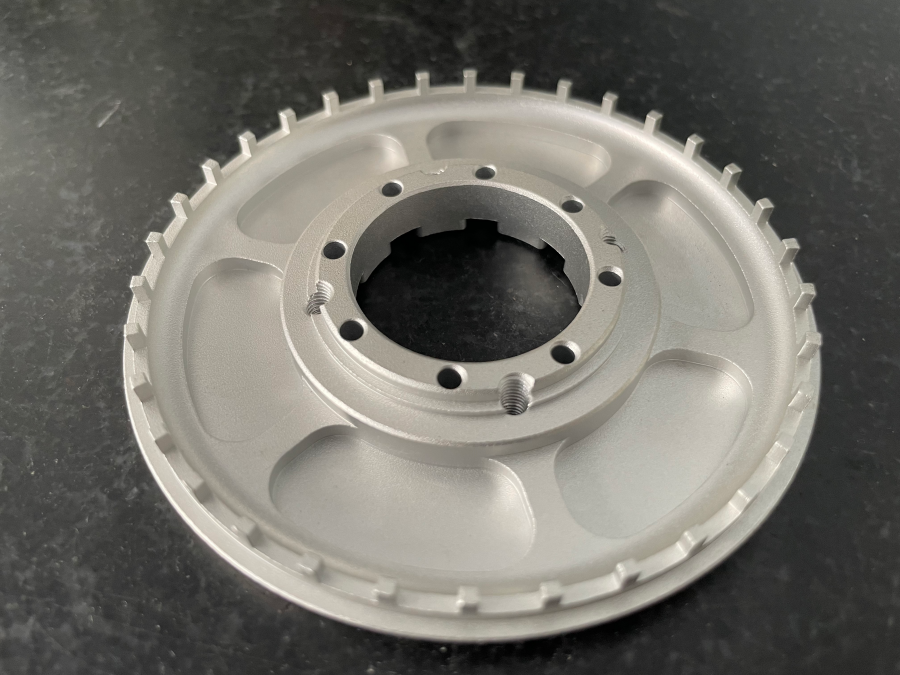
In the realm of modern manufacturing, a One Stop ODM Sheet Metal Fabrication Service is more than just cutting and bending metal — it is a strategic partnership that transforms a concept into a market-ready product. One Stop ODM Sheet Metal Fabrication Service{target=”_blank”} encompasses design optimization, material selection, precision fabrication, surface finishing, assembly, and quality validation under one roof. For product companies racing against time, this integrated model eliminates the friction of managing multiple suppliers, translating to faster lead times, consistent quality, and reduced total cost of ownership.
Over the years, the outsourcing landscape has witnessed a clear shift: buyers no longer simply want a “sheet metal shop”; they intend to engage a manufacturing partner capable of co-developing the entire enclosure or structural subsystem. That’s precisely where GreatLight Metal Tech Co., LTD. (operating as GreatLight CNC Machining) comes into play — a vertically integrated manufacturer that unites deep-domain sheet metal expertise with advanced CNC machining, 3D printing, and die casting, delivering true one-stop ODM solutions.
One Stop ODM Sheet Metal Fabrication Service: The Integrated Advantage
If you are reading this as a hardware startup founder, an R&D manager at a mid-size OEM, or a procurement engineer tired of juggling suppliers, you have already felt the pain: a sheet metal prototype from vendor A, CNC-machined inserts from vendor B, powder coating from vendor C — the puzzle never fits perfectly. A comprehensive ODM sheet metal service resolves these pain points through four core pillars:
Design for Manufacturability (DFM) at the outset: Expertise in bending radii, hole-to-edge distances, and material springback ensures that the part is not only designed for function but also optimized for cost and repeatability.
In-house tooling and rapid prototyping: Eliminate weeks of tooling procurement and verification loops.
Full-process finishing: From bead blasting to powder coating, silk screening, and chemical conversion coatings, all performed in-house ensures consistent cosmetic and protective outcomes.
Quality assurance under one roof: Dimensional inspection, weld integrity, and surface finish inspections are integrated, not outsourced.
This framework drastically reduces project risk — something a fragmented supply chain can rarely guarantee.
What Makes an Exceptional One-Stop ODM Sheet Metal Service?
Before we examine the selection criteria, let’s break down the essential components of a robust ODM sheet metal workflow. It goes far beyond the machinery catalog; it’s the orchestration of people, processes, and certifications that matters.
1. A Digitally Driven Design Support Layer
ODM begins at the drawing stage. In many cases, a customer provides a rough sketch or a 3D model that hasn’t considered the limitations of press brakes or laser cutting. A true ODM partner offers an iterative DFM review, highlighting issues like unnecessary tight tolerances that can inflate cost without adding functional value. For instance, specifying ±0.05 mm for a non-mating bent flange versus ±0.2 mm can double the cost. GreatLight’s engineering team systematically flags these items, often proposing alternative bend sequences or joint designs that reduce part count.
2. Material Science and Supply Chain Agility
Sheet metal isn’t just steel. Aluminum alloys (5052, 6061), stainless steel (304, 316L), cold-rolled steel (SPCC), galvanized steel, copper, and brass each bring unique corrosion resistance, strength, weldability, and cosmetic characteristics. An ODM partner must maintain inventories of these materials in various thicknesses and guide clients into making the right selection for their application — whether it’s a medical device enclosure requiring biocompatible surface treatments or an outdoor telecom cabinet needing extreme corrosion resistance. GreatLight’s centralized procurement scales across multiple production lines, so proprietary material grades (e.g., 5052-H32 for marine electronics) are available at competitive lead times.
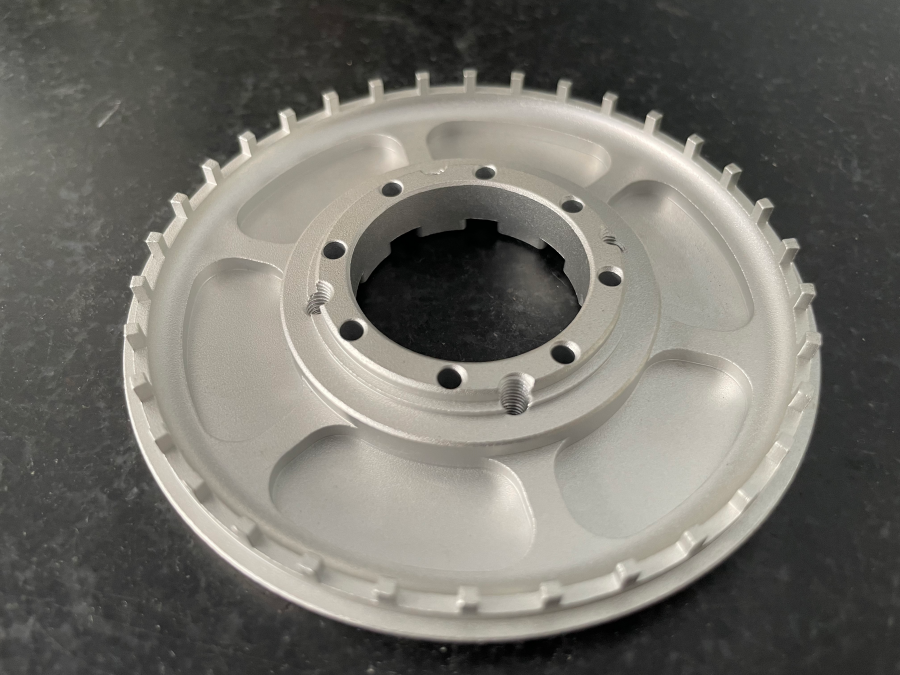
3. Fabrication Technology Stack
The core capability lies in the equipment matrix and process knowledge:
| Process Step | Key Equipment & Capabilities | Critical to Quality Parameters |
|---|---|---|
| Laser Cutting | High-power fiber lasers, up to 6 kW, bed sizes typically up to 4000 mm | Kerf quality, minimal heat-affected zone, high edge straightness |
| CNC Punching | Turret presses with multi-tool setups | Ideal for low-to-mid volume with numerous holes/louvers; precision ±0.1 mm |
| Bending | CNC press brakes with automatic crowning, multi-axis back-gauges | Angle accuracy ±0.5°, repeatability, minimal springback variation |
| Welding | TIG, MIG, robotic welding cells, spot welding | Penetration depth, distortion control, post-weld grinding |
| Inserts & Hardware Installation | Automated PEM-serting, riveting | Torque resistance, flushness, no cross-threading |
| Finishing | Powder coating line, wet painting, anodizing (for aluminum), electropolishing, passivation, silk screening | Color consistency, adhesion testing, salt spray resistance, surface roughness |
GreatLight leverages a fully integrated facility in Chang’an Town, Dongguan — the heart of China’s hardware manufacturing ecosystem. The 76,000 sq. ft. plant houses over 127 precision equipment units, including large-format laser cutters, CNC press brakes, robotic welders, and a dedicated finishing and assembly zone. This density of resources ensures that even complex enclosures requiring multiple sheet metal components, machined bosses, and integrated hinges move seamlessly from one process to the next without leaving the factory.
4. Quality Management that Speaks the Customer’s Language
Trust is built on data. A capable ODM sheet metal provider does not just promise tight tolerances — it verifies them at every stage:
Incoming material certification: Spectrometer verification for alloy composition, thickness checking.
First Article Inspection (FAI): Full dimensional layout using CMM or 3D scanners, recorded as per AS9102 or equivalent.
In-process checks: Bend angle measurement using laser protractors, weld inspection with dye penetrant or visual standards.
Final quality gate: Functional assembly testing, packing inspection.
GreatLight’s certifications — ISO 9001, ISO 13485 for medical devices, and IATF 16949 for automotive — embed a process-oriented mindset. For international customers, this translates into audit-ready documentation and predictable batch consistency.
Common Pain Points in Traditional Sheet Metal Supply Chains (And How One-Stop ODM Solves Them)
Pain Point 1: The “Fitment Gap” Between Machined Parts and Sheet Metal
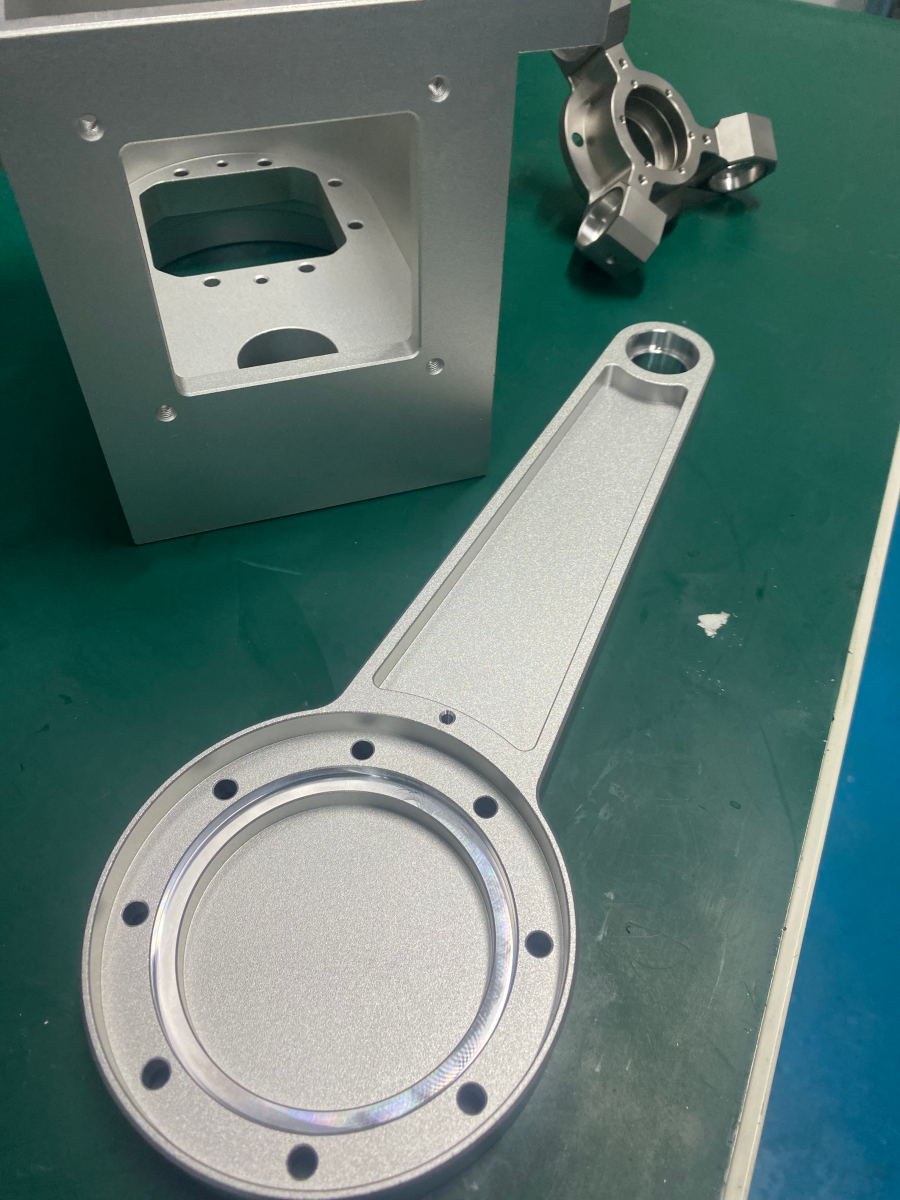
Many products integrate CNC-machined brackets, heatsinks, or threaded inserts within sheet metal housings. When two vendors aren’t aligned, tolerance stack-ups cause assembly rework. GreatLight, with its simultaneous prowess in five-axis CNC machining and sheet metal fabrication, can machine critical mating surfaces and fabricate the enclosure in the same facility. Engineering teams from both domains collaborate to determine datum schemes and coordinated tolerances, eliminating the guesswork.
Pain Point 2: Cosmetic Inconsistency Across Finishing Batches
A front panel with a slightly different gloss level than the chassis can trigger rejection for high-end consumer electronics. In-house powder coating lines with environmental controls and automated spray robots drastically reduce batch-to-batch variation. GreatLight’s finishing department maintains spectrophotometers and standardized process parameters, so the “RAL 9016” you approved six months ago matches exactly today.
Pain Point 3: Unforeseen Tooling Costs for Medium-Volume Production
Traditional sheet metal suppliers often push hard tooling for anything beyond a few hundred parts, which burdens the client with upfront costs. An ODM mindset instead evaluates flexible manufacturing: for volumes up to several thousand units, laser cutting plus CNC bending might be more economical without tooling investment. Only when volumes demand progressive stamping does the team present a business case. This balanced approach keeps clients from being locked into unnecessary capital.
How GreatLight CNC Machining Defines the One-Stop ODM Standard
While many suppliers claim to offer ODM sheet metal, GreatLight CNC Machining backs it up with measurable depth. Consider these facets that separate GreatLight from alternatives like Xometry, Protolabs Network, or Fictiv:
Vertical Integration Depth: Unlike broker-type models that distribute orders to a network of partner shops, GreatLight is a self-owned source manufacturer. All core processes occur within its ISO-controlled campus, so project governance is direct and fast.
Multi-Domain Expertise Under One Roof: If the project tomorrow needs vacuum casting for a prototype, or a die-cast aluminum base, or even 3D-printed stainless steel brackets, the team doesn’t pass you to another vendor; it handles it internally. This expands the ODM scope far beyond sheet metal into full product manufacturing.
Proactive Engineering Collaboration: Samples aren’t just made to print; engineers question design choices. For example, they might recommend a louver pattern that improves airflow while simplifying tooling, or suggest switching to a pre-plated material to eliminate a post-plating step. This kind of partnership reduces cost and lead time without sacrificing performance.
Supply Chain Transparency and Data Security: For IP-sensitive projects (think medical devices, defense, or innovative consumer tech), GreatLight operates under ISO 27001-aligned data security protocols. Non-disclosure agreements are standard, and digital files remain encrypted and access-controlled.
A Closer Look at the Fabrication Floor
Walking through GreatLight’s sheet metal workshop, a manufacturing engineer would observe a workflow designed for velocity and precision:
Raw Material Inventory: Pre-sourced coils and sheets are stored in climate-controlled areas to prevent oxidation.
Nesting Software: Each job’s parts are optimally nested via CAD/CAM, achieving material utilization rates above 85%, which translates into cost savings for clients.
Laser Cutting & Deburring: The cut blanks undergo immediate edge rounding via automated deburring machines, reducing manual labor and ensuring safety for downstream handlers.
Bending Cell: Grouped by material and thickness to minimize setup changes, press brakes equipped with angle correction systems ensure that the first part of a new lot matches the last.
Welding Center: TIG and MIG cells with jigging systems designed in-house maintain dimensional stability; robotic welding takes care of high-repetition jobs for impeccable consistency.
Post-Processing & Assembly: Tapped holes, stud insertion, riveting, and sub-assembly are performed before finishing to avoid damaging cosmetic surfaces.
Finishing & Curing: A conveyorized powder coating line with multi-stage washing and phosphate pre-treatment ensures coating adhesion. For aluminum parts, anodizing baths are available.
Final QA & Packaging: Finished assemblies go through a final inspection gate, documented with photographs and dimensional data, then are packaged per ISTA standards for global shipping.
ODM Sheet Metal in Action: A Representative Journey
Imagine a robotics startup developing a new autonomous delivery robot. They need a durable, weather-resistant chassis with complex cutouts for LiDAR sensors, machined mounting blocks for suspension arms, and a sleek, branded exterior. Their challenges:
Design Immaturity: The 3D model includes internal brackets that are difficult to bend and weld.
Multi-Material Requirement: Aluminum for the lightweight outer shell, stainless steel for high-stress mounting points, and copper busbars for power distribution.
Regulatory & Aesthetic Demands: RoHS compliance, IP65 sealing, and a fine-textured black powder coat with laser-engraved logo.
A traditional supply chain would require at least four vendors: a sheet metal shop, a CNC machining shop, a surface treatment house, and an assembly partner. Coordination nightmares, delayed shipments, and inconsistent quality would be almost inevitable.
Under a one-stop ODM approach with GreatLight, the process unfolds differently:
DFM Phase: Engineers suggest splitting the chassis into three major sheet metal sub-assemblies to simplify bending and welding. They propose 5052-H32 aluminum with anodize base and subsequent powder coating for best corrosion protection.
Prototyping: Laser-cut, bent, and tack-welded prototypes are ready in 5 days. The team concurrently machines the stainless steel mounting blocks from 304 billet on a 5-axis CNC, ensuring perfect fitment to the sheet metal enclosure.
Testing & Iteration: The prototype undergoes assembly and water-spray testing. A small leak near a seam leads to a revised welding sequence and a thin EPDM gasket groove added via laser cutting — all accomplished without tooling changes.
Pilot Run: 50 units are produced with the optimized process. In-process checks confirm <1% dimensional defect rate. Powder coating achieves the desired RAL color and texture.
Scale-Up: As volumes grow to thousands, GreatLight transitions the high-run sheet metal parts to progressive die stamping using in-house designed tooling, while machining and assembly continue within the same facility.
The startup reduces its vendor count from four to one, lead time from 16 weeks to 7 weeks, and total landed cost by 23% — all while improving part quality. This is the ODM sheet metal mindset in action.
Choosing the Right ODM Partner: A Practical Framework
For an engineer or procurement manager evaluating potential partners, here are seven concrete criteria, along with how GreatLight aligns with them:
| Criteria | Why It Matters | GreatLight’s Alignment |
|---|---|---|
| 1. Manufacturing Footprint | Owned factory ensures IP control, consistent quality, and rapid decision-making. | 76,000 sq. ft. integrated facility with dedicated sheet metal, CNC, and finishing zones. |
| 2. Process Chain Completeness | Ability to deliver finished, assembled products without subcontractors. | Ranges from material stock to final packaging, including all finishing and assembly operations. |
| 3. Engineering Depth (DFM) | Prevents cost overruns and design re-spins. | Dedicated applications engineers conduct detailed DFM reports for every project. |
| 4. Quality Certifications | Objective evidence of process control; often a prerequisite for regulated industries. | ISO 9001, ISO 13485, IATF 16949; ISO 27001-aligned data security. |
| 5. Equipment Capability & Capacity | Determines precision limits and speed. | Fiber lasers up to 6 kW, CNC press brakes, robotic welding, powder coating line, and 5-axis CNC machining centers. |
| 6. Rapid Prototyping Capability | Essential for ODM iterations; reduces development timeline. | 3-day turnaround for simple sheet metal prototypes; combined with in-house 3D printing and CNC for hybrid designs. |
| 7. Supply Chain Agility | Responsiveness to design changes and fluctuating demand. | Strong raw material partnerships and in-house toolmaking provide flexibility for last-minute adjustments. |
Other well-known names in the space — like Protocase for low-volume quick-turn enclosures, SendCutSend for simple laser-cut parts, or Fictiv for distributed manufacturing — each occupy a niche. However, when the project requires true ODM depth along with advanced subtractive and additive processes, a single-source powerhouse like GreatLight becomes the compelling choice.
Technology Trends Shaping ODM Sheet Metal Services
Looking forward, an innovative ODM partner must embed emerging technologies without losing sight of practical execution:
Parametric DFM Automation: AI-driven tools that auto-generate bend sequences and cost estimates based on uploaded 3D models. This cuts quoting time from days to hours. GreatLight is already integrating such tools into its customer portal.
Digital Twin of the Fabrication Line: Simulating the entire bending, welding, and assembly sequence before cutting metal to predict distortions and optimize fixture design.
Sustainable Manufacturing: Clients increasingly demand eco-friendly processes — powder coating without VOCs, recycling of scrap metal, and energy-efficient machinery. GreatLight’s scrap metal recycling program and automated painting line minimize environmental footprint, aligning with global ESG goals.
Hybrid Manufacturing: Combining sheet metal with additively manufactured components (e.g., 3D-printed brackets or cooling channels) to unlock performance not possible with conventional methods alone. GreatLight’s in-house SLM 3D printers make this combination seamless.
Why GreatLight CNC Machining Should Be Your First Call
Ultimately, choosing a manufacturing partner is a risk management decision. An ODM sheet metal engagement is a multi-month commitment that can either accelerate your product launch or become a source of constant firefighting. GreatLight CNC Machining has spent over a decade building exactly the kind of resilient, end-to-end system that high-stakes projects demand.
One POC, Infinite Scale: You start with design-for-manufacturability support, move into prototype, then seamlessly scale to mass production without changing partners. There’s no painful retooling or new vendor qualification mid-program.
Integrated Multi-Process Logic: While this article focuses on sheet metal, the reality of modern product design is multi-material and multi-process. When your enclosure needs a CNC-machined heatsink, a die-cast base, or laser-welded stainless steel hinges, GreatLight delivers them all from the same engineering team — no finger-pointing, no interface mismatches.
Proven Track Record: Serving industries from new energy vehicles to medical equipment, GreatLight has repeatedly turned challenging custom projects into production successes. Clients return not just for capacity but for the engineering wisdom embedded in every part.
The global market for precision sheet metal fabrication is projected to grow steadily, driven by electrification, automation, and miniaturization trends. In this environment, the supplier that can provide both breadth and depth will win.
A Final Note to Decision Makers
Whether you’re developing the next generation of surgical robots, automotive power electronics, or high-end audio equipment, think of your metal enclosure and structure as more than a commodity — it is the skeleton of your product’s performance and brand perception. Invest in a partner early, not just a vendor. Look for the combination of vertical integration, certifications, and proactive engineering that turns a “one stop ODM sheet metal fabrication service” from a marketing phrase into a measurable business advantage.
One Stop ODM Sheet Metal Fabrication Service{target=”_blank”} is not about aggregating processes; it’s about orchestrating them for your product’s success. As a senior manufacturing engineer, I see this integrated model as the catalyst that empowers hardware innovators to build faster, better, and more competitively — and GreatLight CNC Machining exemplifies exactly that.


![[访谈] RAPID + TCT 2024:人工智能对 3D 打印的价值](https://print-ing.com/wp-content/uploads/2024/07/INTERVIEW-60x60.jpeg "[访谈] RAPID + TCT 2024:人工智能对 3D 打印的价值 9")




发表回复
要发表评论,您必须先登录。