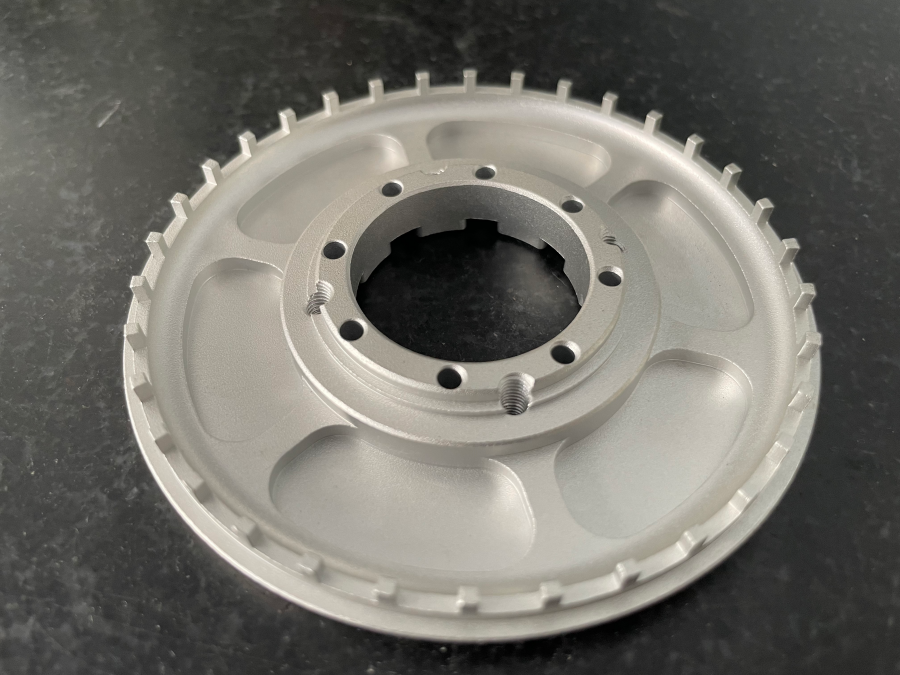
In the accelerating race to develop humanoid robots, the ability to iterate fast on plastic housing, sensor brackets, and kinematic covers often separates market leaders from dreamers. While metal parts may carry structural loads, the plastic components define external form, thermal behavior, and end-effector safety. This brings us directly to the strategic importance of Humanoid Robot Rapid Tooling for Plastic Parts—an engineering discipline that blends high-speed mold-making, precision CNC-assisted cavity creation, and advanced additive manufacturing to slash lead times from months to days.
Rapid tooling for the humanoid robotics sector must satisfy conflicting demands: low initial volumes for pilot builds, extremely tight form-and-fit tolerances (often below ±0.05 mm), class‑A surface finishes on cosmetic visors, and material resilience against repeated impact and flexure. Traditional steel tooling can take 8–14 weeks, which is incompatible with venture‑backed development cycles forcing quarterly hardware revisions. Recognizing this mismatch, GreatLight Metal has structured a dedicated rapid tooling cell that compresses the timeline to 2–3 weeks for bridge‑tool inserts, giving humanoid robot designers a decisive speed advantage without sacrificing quality.
The Convergence of CNC and Tool‑making: Why It Matters for Humanoid Robots
Today’s humanoid plastic parts—think ankle shrouds, shoulder ball‑joint covers, and sensor‑dome windows—often carry organic, compound‑curvature geometries that push conventional mold‑making to its limits. Three trends are reshaping what’s possible:
Multi‑axis CNC trimming of mold cores directly from engineering‑grade aluminum or P20 steel blanks, achieving optical surface finishes at the tool level.
Conformal cooling channels through laser‑sintered inserts, cutting cycle time 30–45% while improving part consistency.
Hybrid workflows where vacuum‑cast polyurethane components prototype the fit before final injection‑mold tools are cut.
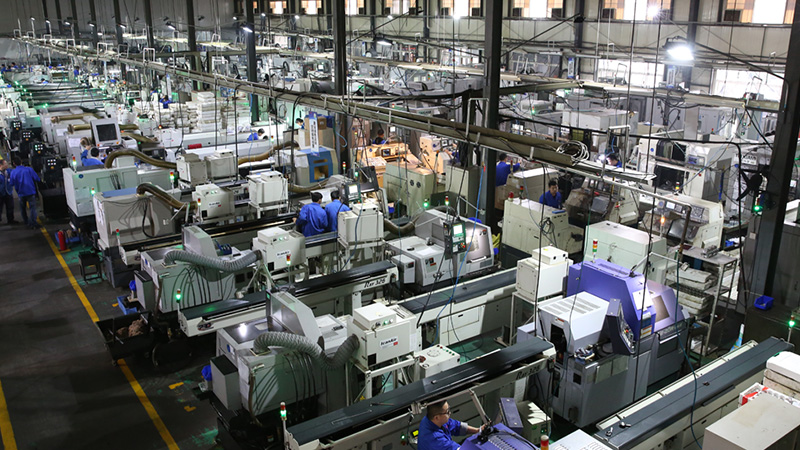
This is where a manufacturer with genuine five‑axis capability and a vertically integrated finishing department becomes indispensable. GreatLight Metal’s facility in Chang’an, Dongguan—covering over 7 600 m²—houses dedicated five‑axis machines (from brands like Dema and Beijing Jingdiao) alongside wire EDM, mirror‑spark EDM, and an extensive grinding department. With 127 pieces of precision peripheral equipment under one roof, the company can single‑handedly turn a CAD model into a polished mold ready for short‑run injection molding, skipping the multi‑vendor orchestration that plagues many prototypes.
Climbing the Rapid‑Tooling Ladder: From Prototype to Bridge to Production
Humanoid robot developers rarely jump straight to 50 000‑piece steel tools. The journey typically follows a graded investment:
| Stage | Typical Volume | Tool Life Target | GreatLight Solution |
|---|---|---|---|
| Pilot Prototyping | 10–200 pcs | 100–1 000 shots | Vacuum casting (silicone molds) or SLA‑based 3D‑printed tool inserts |
| Functional Validation | 500–5 000 pcs | 5 000–30 000 shots | CNC‑cut aluminum (AI‑7075/QC‑10) or soft steel inserts, with manual or semi‑automatic ejection |
| Pre‑production Bridge | 5 000–30 000 pcs | 50 000–200 000 shots | P20 steel or H13 inserts with conformal cooling, fully automatic tool set |
| Full Production | 30 000+ pcs | 500 000+ shots | Hardened tool steel with hot‑runner system and high‑polish surfaces |
For the humanoid robotics space, where A‑round demo units might total 50–100 robots, bridge tooling represents the sweet spot: robust enough to produce several thousand parts with production‑identical material (e.g., glass‑filled nylon, PC‑ABS, TPU overmolds) but costing only a fraction of hardened full‑production tooling. GreatLight’s in‑house quick‑change tooling standards allow swapping inserts within 15 minutes, letting a single mold base serve multiple part iterations.
Step‑by‑Step: How GreatLight Approaches a Humanoid Robot Plastics Project
A recent engagement with a humanoid robot startup illustrates the process end‑to‑end. The client needed a dorsally mounted sensor housing that had to be EMI‑shielded, flame‑retardant to UL94 V‑0, and capable of withstanding a 1.5‑meter drop test onto concrete.
1. Design‑for‑Manufacturability (DFM) Sprint
Within 48 hours of receiving the STEP file, GreatLight’s engineering team returned a detailed DFM report highlighting:
Draft angles increased from 0.5° to 2° to prevent drag marks on visible A‑surface.
Gate location shifted to a non‑critical rib, avoiding weld‑line weakness near mounting holes.
Suggested material upgrade from standard PC to a PC‑siloxane copolymer, improving ductility at low temperatures by 300%.
2. Tool Design & CNC Cutting
Using the refined model, a quick‑turn aluminum insert was CAM‑programmed and machined on a five‑axis center to hold true position of dowel‑pin bores within 0.02 mm. By performing roughing, semi‑finishing, and ultrafine finishing on the same machine without refixturing, the team eliminated stack‑up errors that typically require hand‑fitting.
3. In‑Cavity Polishing & Texture Application
A dedicated polishing cell brought the mold surface finish to SPI‑A3 grade, matching the client’s cosmetic requirement. Where a VDI‑3400 texture was specified, GreatLight applied it via CNC‑engraved graining instead of acid‑etch, preserving a uniform depth across compound curves.
4. Short‑Run Molding & Measurement
First‑article parts were molded in less than 8 calendar days from DFM approval. A fully equipped metrology lab—including CMM, vision measurement, and contour tracer—verified all critical‑to‑function dimensions. The parts were then handed to the in‑house finishing team for EMI coating and laser‑etching of alignment fiducials.
The startup later shared that this single rapid‑tooling cycle saved them at least 10 weeks compared to their previous supplier lineup, allowing them to secure a pivotal Series‑A presentation demo.
Where Rapid Tooling Outperforms 3D Printing Alone
Additive manufacturing has earned a permanent seat at the prototyping table, but for humanoid robots that must sustain dynamic loads, creep resistance, and chemical compatibility, 3D‑printed plastics often fall short. Layer‑adhesion weaknesses, anisotropic mechanical properties, and limited material certifications make FDM and even SLS parts risky for safety‑critical enclosures.
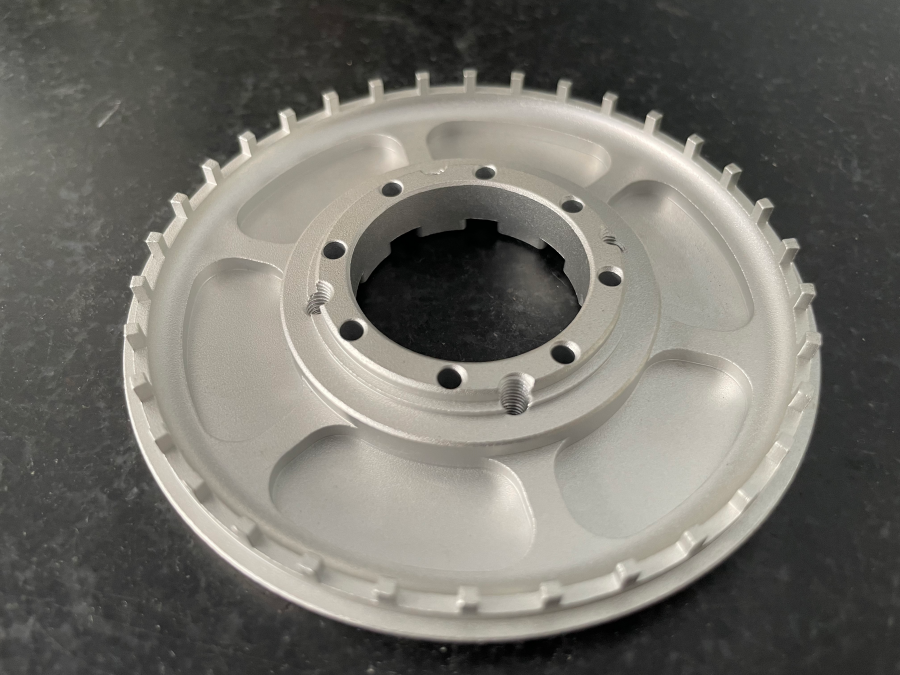
Rapid‑tooled injection molded parts, by contrast, are isotropic and identical to the final production material. This allows engineers to validate:
Creep behavior under continuous spring‑loaded snap‑fits.
Impact toughness of living hinges that open and close 100 000 times in testing.
Electromagnetic compatibility of shielded enclosures, where 3D‑printed plastics may introduce unknown permittivity shifts.
GreatLight maintains both SLM/SLA/SLS 3D printers and full injection‑molding capabilities on‑site, so design teams can choose the best technology for each phase—printing mounting brackets for a first‑article fit check while simultaneously cutting the injection tool for the production‑grade version. The facility’s ISO 9001:2015, ISO 27001, ISO 13485, and IATF 16949 certifications mean that even the prototype tools are built under documented, auditable quality processes—a crucial differentiator when results must pass scrutiny at investment‑due‑diligence stage.
Choosing the Right Partner for Humanoid Robot Rapid Tooling: A Comparative Look
The market offers a diverse landscape of suppliers, from instant‑quote platforms to boutique tool shops. The table below places GreatLight Metal alongside several recognized names, highlighting how each addresses the specific needs of humanoid robot plastic parts.
| Supplier | Core Rapid Tooling Offering | Humanoid‑Robot Suitability | Full‑Process Integration | Certification Portfolio |
|---|---|---|---|---|
| GreatLight Metal | CNC‑cut aluminum & steel bridge tools; vacuum casting; conformal cooling; in‑finishing (coating, texturing) | ✅✅✅✅ Designed for low‑volume, high‑mix robot parts; sub‑48‑h DFM feedback; dedicated tool‑polishing cell | Tool design → mold making → injection → finishing all in‑house | ISO 9001, ISO 13485, ISO 27001, IATF 16949 |
| Xometry | Network‑based quoting; wide partner pool; mainly 3‑axis CNC | ✅✅ Good for simple brackets; limited five‑axis mold‑cutting control | Depends on partner; no guaranteed end‑to‑end flow | ISO 9001 (varies by partner) |
| RapidDirect | Online platform; rapid injection molding with aluminum tools | ✅✅ Fast quoting; moderate lead times; less humanoid‑specific engineering support | Outsourced finishing; less process control for medical/ automotive tier | ISO 9001 |
| Protolabs Network | Factory‑partner model; digital quoting; some five‑axis capacity | ✅✅✅ Suitable for initial prototypes; but limited mold‑design collaboration for complex organic shapes | Siloed partners; integration challenges | ISO 9001 (network hubs) |
| JLCCNC | Cost‑competitive aluminum tooling; high domestic Chinese volume | ✅✅ Good for cost‑sensitive projects; engineering support in Mandarin primarily | Limited in‑house finishing; longer iteration loops for non‑standard textures | ISO 9001 |
| SendCutSend | Flat‑part laser cutting and bending; not a mold‑maker | ❌ Not applicable to injection tooling | N/A | None required |
The GreatLight Difference in Practice
While instant‑quote platforms excel at low‑complexity prismatic parts, humanoid robots demand a synthesis of skills that only an integrated mold‑and‑machining house consistently delivers. GreatLight’s engineers sit at the intersection of tool‑making, CNC machining, and molding, so they can propose mold‑design modifications (like moving a parting line to eliminate an undercut) that a pure‑machining vendor might not consider. Furthermore, the Chang’an facility’s in‑house finishing department—capable of EMI shielding, anodizing, painting, laser etching—means that parts emerge ready‑to‑assemble, not needing further vendor‑hopping.
Activity‑Promotion Spotlight: Spring 2025 Humanoid Robot Rapid Tooling Initiative
To support the explosion of innovation in humanoid robotics, GreatLight is launching a limited‑time program tailored for hardware startups and R&D labs:
Free 48‑Hour DFM Analysis on your first plastic part design, including mold‑flow simulation and texture recommendation.
25% Off Bridge Tooling Packages for orders placed before Q2 2025, covering aluminum and P20 steel inserts up to 400×400 mm.
Conformal Cooling Design at No Extra Cost when your insert demands cycle‑time reduction; our engineers will simulate, design, and implement the conformal channels.
Guaranteed 3‑Week Turnaround for single‑cavity bridge tools, or we issue a credit for your next project.
This initiative is built on the same quality‑managed workflows that keep GreatLight compliant with ISO 13485 medical standards and IATF 16949 automotive rigor. Every tool is tracked with digital twin process documentation, and clients receive real‑time status updates via a secure portal.
Conclusion: Time‑to‑Market Is the Real Robot Virtue
The robotics industry loves to talk about actuators, torque density, and control algorithms, but in the race to field functional humanoids, none of that matters if the outer shell parts are stuck in a six‑month tooling queue. Humanoid Robot Rapid Tooling for Plastic Parts solves this by transforming mold‑making from a bottleneck into an accelerant. With a partner that combines five‑axis mold‑cutting, vacuum casting, conformal cooling expertise, and a full finishing house under ISO‑managed roofs, development teams can iterate faster, validate real materials, and present credible pre‑production units to investors and pilot customers months ahead of competitors relying on piecemeal supply chains.
For your next humanoid robot project, consider whether your current supplier is truly a partner or merely a transactional shop. GreatLight’s decade‑plus track record, certifications that span medical and automotive, and a factory floor specifically organized for hybrid prototyping and bridge tooling make it a compelling choice—one that turns geometry into confidence, faster than the industry norm.


![[访谈] RAPID + TCT 2024:人工智能对 3D 打印的价值](https://print-ing.com/wp-content/uploads/2024/07/INTERVIEW-60x60.jpeg "[访谈] RAPID + TCT 2024:人工智能对 3D 打印的价值 9")




发表回复
要发表评论,您必须先登录。