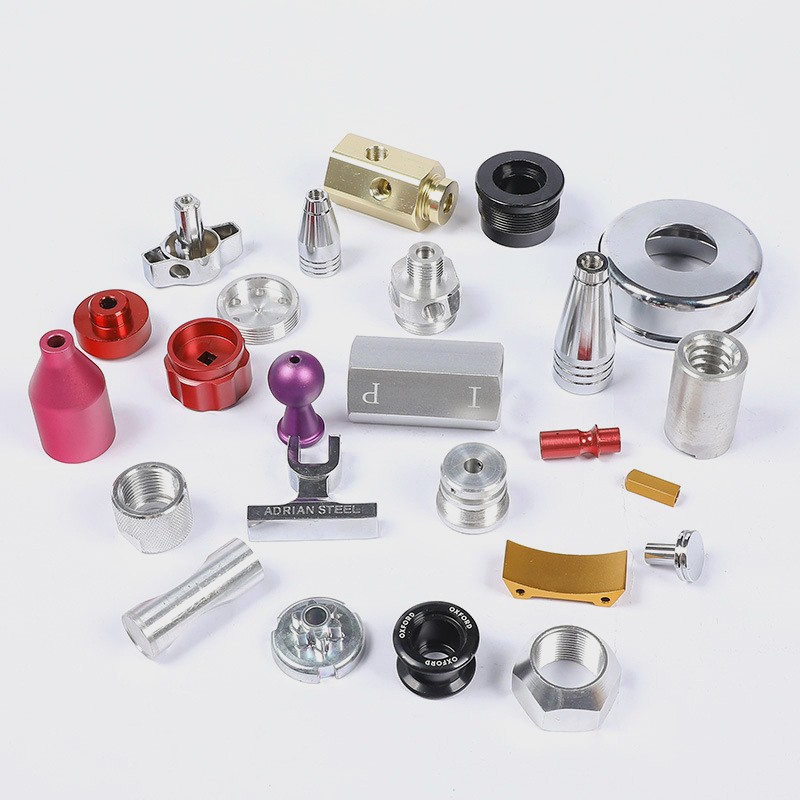
For medical device engineers and procurement specialists, the humble hemostat clamp rack sheet metal component represents a critical intersection of precision engineering, material science, and regulatory compliance. While these storage racks may appear simple in function, their manufacturing demands a level of expertise that separates commodity suppliers from true precision manufacturing partners.
Understanding the Hemostat Clamp Rack Sheet Metal Challenge
The hemostat clamp rack sheet metal component serves a vital sterilization and organization function in surgical environments. These racks must withstand repeated autoclave cycles, maintain dimensional stability under extreme temperatures, and provide secure clamping without compromising instrument integrity. The manufacturing complexity lies not in geometric complexity but in achieving consistent quality across production runs while meeting stringent medical industry standards.
Key Material Considerations for Medical-Grade Racks
When engineering these components, material selection directly impacts performance and longevity:
| Material | Key Properties | Typical Applications |
|---|---|---|
| 304 Stainless Steel | Corrosion resistance, formability | Standard sterilization racks |
| 316L Stainless Steel | Enhanced pitting resistance | High-humidity environments |
| 17-4 PH Stainless Steel | High strength, wear resistance | Heavy-duty surgical instrument racks |
| Aluminum 6061-T6 | Lightweight, good formability | Mobile storage solutions |
Each material presents unique hemostat clamp rack sheet metal fabrication challenges. Stainless steel work-hardens during forming, requiring precise control of bending forces and tooling wear monitoring. The dimensional tolerances for clamping features typically range from ±0.1mm to ±0.2mm, demanding consistent material thickness and flatness from incoming stock.
Precision Manufacturing Capabilities for Hemostat Clamp Rack Sheet Metal
The production of high-quality hemostat clamp rack sheet metal components requires a comprehensive manufacturing ecosystem. While basic laser cutting and bending may suffice for prototypes, volume production demands integrated process control.
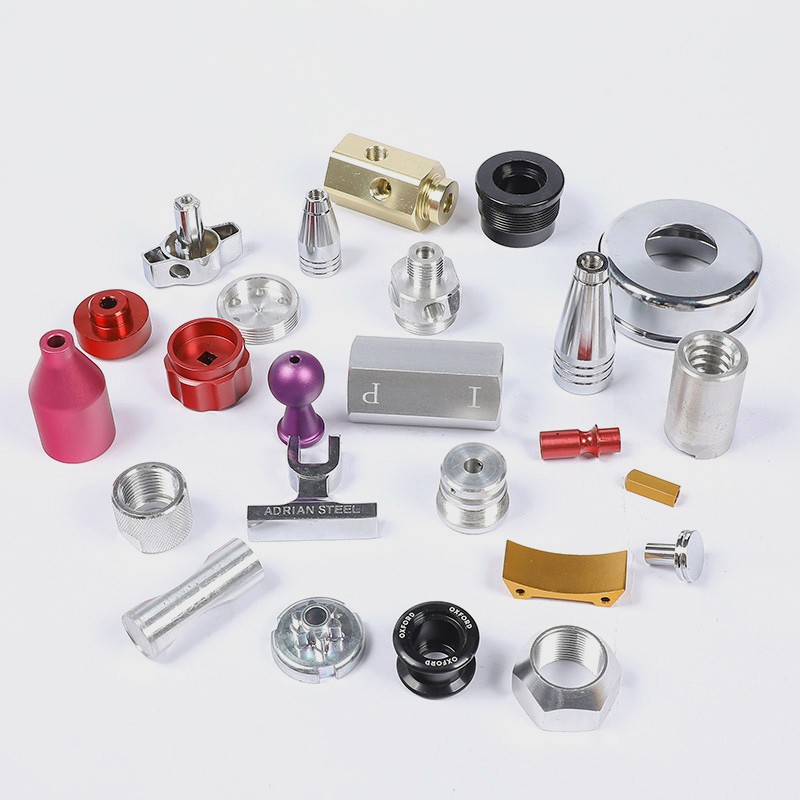
Advanced Equipment for Consistent Results
Modern hemostat clamp rack sheet metal fabrication leverages:
Fiber laser cutting systems with ±0.03mm positioning accuracy
CNC press brakes with angle measurement feedback (accuracy within ±0.5 degrees)
Robotic welding cells for consistent joint quality
Automated deburring and edge finishing stations
Surface Finishing for Medical Environments
Post-fabrication surface treatment significantly impacts hemostat clamp rack sheet metal performance:
Electropolishing – Removes micro-burrs and creates a passive surface layer, reducing bacterial adhesion by up to 99.9%
Passivation – Enhances corrosion resistance per ASTM A967 standards
Glass bead blasting – Creates uniform matte finish for reduced glare in surgical lighting
Medical-grade powder coating – For color-coded organization systems
Quality Management Systems for Medical Sheet Metal Components
ISO 13485 certification represents the baseline expectation for medical device manufacturing partners. However, true reliability extends beyond certification documentation.
Inspection Protocols for Hemostat Clamp Rack Sheet Metal
Effective quality assurance incorporates multiple verification stages:
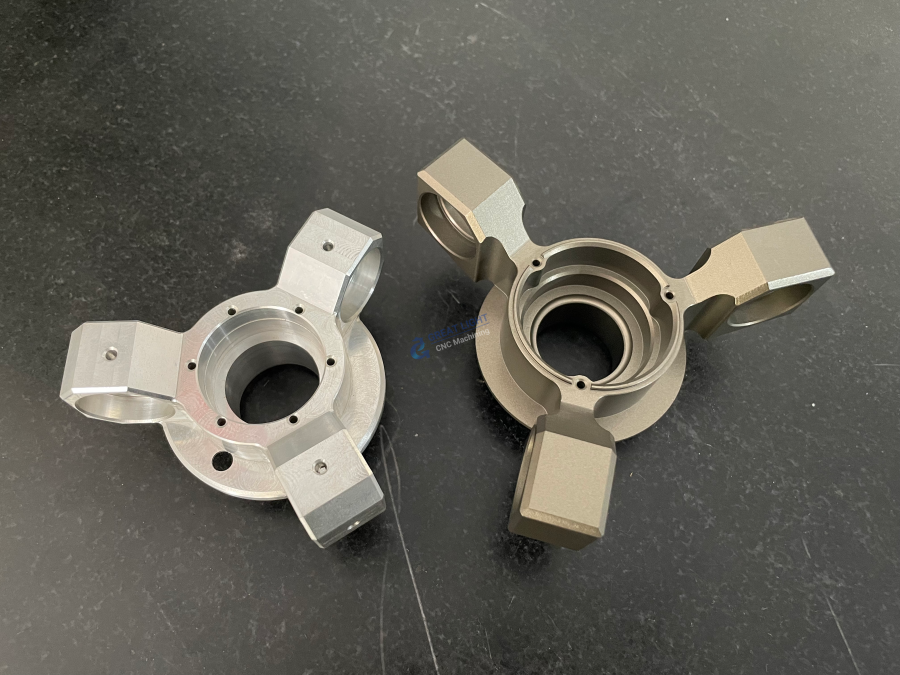
Incoming material inspection – Verify material certifications and perform chemical composition analysis
In-process dimensional checks – Using CMM and vision measurement systems
First article inspection (FAI) – Complete dimensional report per AS9102 or customer-specific requirements
Functional testing – Autoclave cycling validation (typically 5-10 complete cycles)
Final visual inspection – 100% inspection for surface defects and edge conditions
Statistical Process Control Implementation
Leading manufacturers apply SPC to critical hemostat clamp rack sheet metal parameters:
Bend angle consistency across production lots
Hole position accuracy relative to datum features
Surface roughness (Ra values typically 0.4-0.8μm for medical applications)
Flatness after laser cutting (≤0.2mm per 300mm)
Customization Flexibility for Hemostat Clamp Rack Design
The medical device industry demands rapid iteration cycles. While some suppliers offer only standard designs, true value comes from customization capability.
Parameter Optimization for Different Clamp Types
Different hemostat designs require specific rack configurations:
Kelly clamps – Wider slot spacing (25-30mm centers)
Mosquito clamps – Narrower spacing (15-20mm centers)
Right-angle clamps – Deeper insertion depth requirements
Mixing sets – Universal slot patterns with adjustable dividers
Surface Finish Options
Custom hemostat clamp rack sheet metal finishes include:
Brushed finish – Directional texture for aesthetic consistency
Mirror polish – For cleanroom environments requiring minimal particle generation
Color anodizing – Per MIL-A-8625 Type II or Type III
Laser marking – Permanent identification per UDI requirements
Cost-Effectiveness Considerations
While unit price matters, total cost of ownership proves more relevant for medical facility purchasing decisions.
Factors Influencing Hemostat Clamp Rack Sheet Metal Cost
Material grade – 304 vs 316L vs 17-4PH impacts raw material cost by 30-50%
Quantity – Tooling amortization significantly affects per-unit pricing for volumes under 500 units
Tolerance requirements – Tighter than ±0.1mm increases scrap rates and inspection time
Surface finish complexity – Multiple finishing operations compound costs
Packaging requirements – Sterile barrier packaging adds 15-25% to total cost
Value Engineering Opportunities
Experienced manufacturers identify cost reduction opportunities without compromising quality:
Material substitution – When corrosion resistance requirements permit
Forming vs welding – Eliminating weld joints reduces labor and inspection requirements
Bundle pricing – Combining multiple rack designs in single production run
Comparing Manufacturing Partners for Hemostat Clamp Rack Sheet Metal
When evaluating potential suppliers, consider these differentiators:
| Evaluation Criteria | GreatLight Metal | Xometry | Protolabs Network |
|---|---|---|---|
| ISO 13485 Certified | Yes | Yes | Network-dependent |
| In-house 5-axis CNC | Yes | No | No |
| Full process chain | Yes | Aggregator | Aggregator |
| Engineering support | Dedicated team | Automated DFM | Basic DFM feedback |
| Surface finishing | Complete in-house | External partnerships | Limited capabilities |
GreatLight CNC Machining distinguishes itself through full vertical integration—from material sourcing through final packaging—enabling complete control over quality and delivery timelines. This integrated approach proves particularly valuable for medical device manufacturers requiring consistent hemostat clamp rack sheet metal quality across multiple production batches.
Industry-Specific Expertise
Medical device manufacturing demands understanding of regulatory requirements beyond basic machining capability.
Regulatory Compliance Support
Partner selection should consider:
FDA registration – Facility registration number for medical device manufacturing
21 CFR Part 820 compliance – Quality system regulation alignment
UDI readiness – Capability to mark components with device identifiers
Validation documentation – Process validation reports (IQ/OQ/PQ) for critical operations
Documentation Requirements
Consistent hemostat clamp rack sheet metal manufacturing generates essential documentation:
Material certifications with heat numbers
Dimensional inspection reports
Surface finish verification records
Autoclave cycling test results
Certificate of compliance per customer specification
Conclusion
The hemostat clamp rack sheet metal component represents far more than simple sheet metal fabrication. It embodies the intersection of material science, precision manufacturing, quality systems, and regulatory compliance. Medical device engineers benefit most from manufacturing partners who understand this complexity and offer integrated solutions rather than piecemeal services.
As the medical device industry continues demanding higher quality standards and faster innovation cycles, selecting the right manufacturing partner becomes strategic. Manufacturers like GreatLight CNC Machining combine technical capability with regulatory knowledge, providing confidence that every hemostat clamp rack sheet metal component meets the rigorous demands of surgical environments. For engineers seeking reliable production partners capable of supporting both prototype development and volume manufacturing, GreatLight CNC Machining offers the expertise and infrastructure necessary to succeed in today’s competitive medical device market.


![[访谈] RAPID + TCT 2024:人工智能对 3D 打印的价值](https://print-ing.com/wp-content/uploads/2024/07/INTERVIEW-60x60.jpeg "[访谈] RAPID + TCT 2024:人工智能对 3D 打印的价值 9")




发表回复
要发表评论,您必须先登录。