The Precision Imperative: Why Insulin Pen Needle Hubs Demand Uncompromising CNC Machining
In the ecosystem of diabetes management, few components carry as much responsibility as the insulin pen needle hub. This seemingly simple plastic or metal interface connects the insulin cartridge to the needle, serving as the critical pathway for precise insulin delivery. The manufacturing tolerances required for these components are not merely specifications—they are safeguards for patient safety and therapeutic efficacy. When we examine Insulin Pen Needle Hub Precision CNC machining, we are looking at a process that must achieve micron-level accuracy while maintaining absolute consistency across millions of units. This is where advanced CNC machining technology transforms medical device design intent into life-sustaining reality.
The insulin pen needle hub must accomplish several simultaneous functions: creating a leak-proof seal with the insulin cartridge, providing secure needle attachment, enabling comfortable injection depth control, and ensuring complete insulin delivery without residual waste. Each function imposes specific geometric requirements that push conventional manufacturing methods to their limits. Internal features such as Luer tapers, thread forms, and snap-fit geometries demand machining precision that only modern multi-axis CNC equipment can reliably achieve.
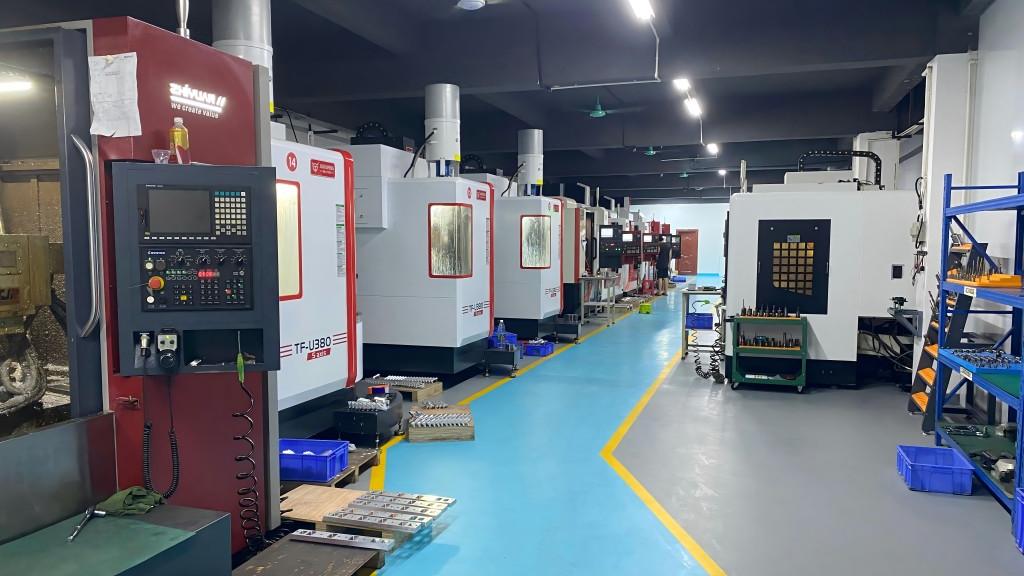
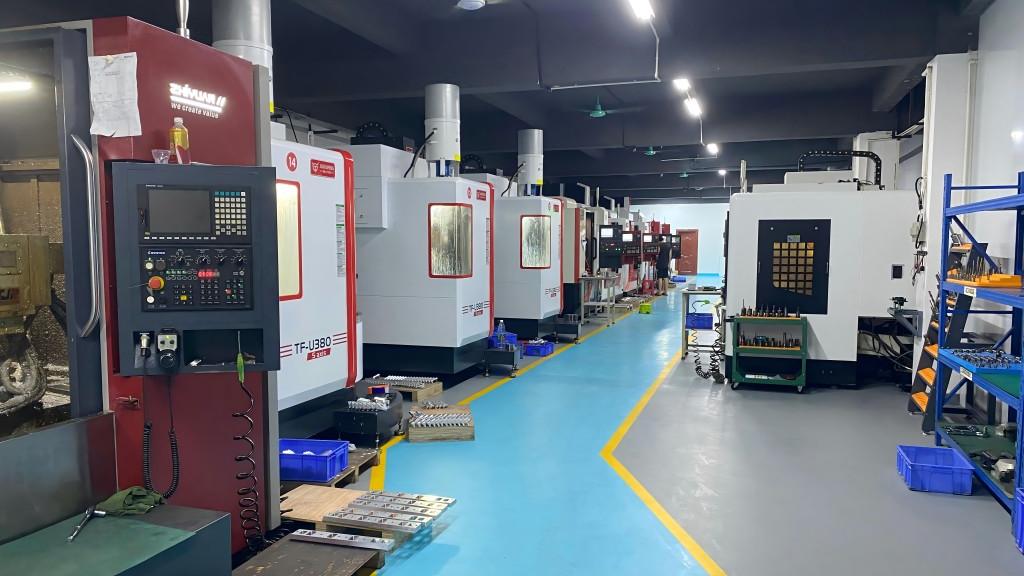
GreatLight CNC Machining Factory, established in 2011 in Dongguan’s Chang’an District—the recognized capital of precision hardware mold processing—has developed specialized expertise in manufacturing these critical medical components. With over 150 employees and 127 precision peripheral equipment units across 7,600 square meters of production space, the facility possesses the technical infrastructure necessary for medical-grade precision manufacturing.
Understanding Insulin Pen Needle Hub Design Requirements
Dimensional Precision and Its Clinical Significance
The hub’s dimensional accuracy directly impacts insulin delivery precision. A deviation of merely 0.05mm in the hub’s internal bore diameter can result in measurable insulin dosing errors over repeated injections. For patients who depend on precise insulin dosing multiple times daily, these cumulative errors become clinically significant.
The critical dimensions requiring tight control include:
Internal bore diameter for needle attachment (±0.01mm typical)
Thread pitch and form for cartridge connection
Luer taper angle for leak-proof sealing
Concentricity between internal and external features
Surface finish at sealing interfaces (Ra 0.4μm or better)
Material Selection for Medical-Grade Hubs
Medical device manufacturers typically specify materials that combine biocompatibility, dimensional stability, and machinability. Common materials for insulin pen needle hubs include:
| Material | Key Properties | CNC Machining Considerations |
|---|---|---|
| Medical-grade polycarbonate | Excellent dimensional stability, autoclavable | Requires specialized tool geometry to prevent stress cracking |
| ABS (medical grade) | Good impact resistance, cost-effective | Susceptible to burr formation; requires precise feed rate control |
| Stainless steel 304/316L | Superior durability, reusable potential | Demands rigid fixturing and coolant management for micro-features |
| PEEK (polyetheretherketone) | Exceptional chemical resistance, high-temperature stability | Requires diamond-coated tooling for consistent surface finish |
GreatLight Metal’s expertise spans all these materials, having accumulated over a decade of experience machining medical-grade polymers and metals for precision applications. The company’s ISO 13485 certification specifically addresses medical device manufacturing requirements, ensuring that every hub component meets the stringent quality standards demanded by healthcare regulators.
CNC Machining Strategies for Insulin Pen Needle Hubs
Multi-Axis Machining: The Technical Foundation
The complexity of insulin pen needle hub geometry necessitates advanced machining strategies. While simple hubs might be producible on 3-axis equipment, the industry’s evolution toward integrated safety features and ergonomic designs has made 5-axis CNC machining the preferred approach for high-volume production.
5-axis machining offers three critical advantages for hub manufacturing:
Reduced Setup Requirements: Complex hub geometries often require multiple operational faces. A 5-axis machine can access undercuts, angled features, and internal geometries in a single setup, eliminating the positional errors inherent in part transfer between operations.
Superior Surface Finish: The ability to maintain optimal tool orientation relative to the workpiece surface reduces tool deflection and vibration, producing smoother sealing surfaces essential for leak-proof performance.
Micro-Feature Capability: Advanced 5-axis machines with high-speed spindles (30,000-60,000 RPM) can reliably produce features as small as 0.1mm, necessary for needle guide channels and snap-fit engagement features.
Toolpath Optimization for Medical Precision
The toolpath strategy for insulin pen needle hub machining must balance cycle time efficiency with surface integrity considerations. Trochoidal milling paths, which distribute tool engagement evenly, reduce heat buildup in medical-grade polymers that could cause dimensional distortion. For metal hubs, high-efficiency roughing strategies remove bulk material while maintaining thermal stability.
GreatLight CNC Machining Factory employs proprietary toolpath algorithms developed through years of medical component manufacturing experience. These algorithms account for material-specific cutting characteristics, tool wear patterns, and thermal expansion behaviors to maintain consistent part quality throughout production runs exceeding 100,000 units.
Micro-Machining Techniques for Needle Interfaces
The needle attachment interface represents the most demanding feature of the insulin pen hub. This typically involves either a press-fit or threaded connection with tolerances in the ±0.005mm range. Achieving these specifications requires:
Sub-micron spindle positioning accuracy
Thermal compensation systems to maintain dimensional stability
Real-time tool wear monitoring with automatic offset adjustment
High-pressure coolant delivery for chip evacuation from micro-features
When machining stainless steel hubs, the hardness of the material combined with the delicacy of internal features demands specialized approaches. GreatLight Metal employs micro-end mills with diameters as small as 0.3mm, operating at spindle speeds up to 40,000 RPM, to create these intricate geometries while maintaining tool life economics.
Quality Assurance in Medical CNC Machining
In-Process Inspection and Statistical Process Control
Medical device manufacturing demands comprehensive quality assurance that goes beyond post-production inspection. GreatLight CNC Machining Factory implements real-time dimensional monitoring using integrated probing systems and non-contact measurement technologies. Key parameters tracked during production include:
Critical dimension trending (analyzed in real-time for drift detection)
Surface roughness verification (optical profilometry)
Burr detection (machine vision systems)
Material consistency checks (ultrasonic testing for metal hubs)
Statistical Process Control (SPC) data from ongoing production informs tool change schedules and machine maintenance intervals. This proactive approach prevents quality deviations before they affect production output, a crucial capability for Just-In-Time medical supply chains.
Cleanroom Manufacturing Compliance
Insulin pen needle hubs require manufacturing environments that prevent particulate contamination. ISO Class 7 or better cleanroom conditions are standard requirements for these components. GreatLight Metal operates cleanroom-adjacent CNC machining cells with specialized air handling systems that maintain particle counts below 352,000 particles per cubic meter at 0.5μm size.
Material handling protocols ensure that components never contact contaminated surfaces between machining operations and final packaging. This includes automated part transfer systems, cleanroom-compatible lubricants, and validated cleaning processes.
ISO 13485 and Regulatory Compliance Framework
The medical device manufacturing landscape demands adherence to rigorous quality management standards. GreatLight CNC Machining Factory’s ISO 13485 certification provides a structured framework for:
Design control documentation
Process validation protocols
Supplier quality management
Traceability systems (batch-level and individual part tracking)
Corrective and preventive action (CAPA) procedures
For insulin pen needle hubs specifically, compliance with ISO 7864 (sterile hypodermic needles) and ISO 8536 (infusion equipment) standards may be required depending on the specific application. GreatLight Metal maintains technical expertise in these medical device standards, ensuring that machined components meet not only dimensional specifications but also regulatory documentation requirements.
Surface Finish and Post-Processing for Medical Hubs
Achieving Optimal Surface Characteristics
The surface finish of insulin pen needle hubs directly affects both functional performance and patient comfort. Rough surfaces can harbor bacteria, cause injection site irritation, or interfere with the smooth operation of safety mechanisms. Industry standards typically specify surface finishes of Ra 0.4μm or better for sealing surfaces and patient-contacting areas.
Surface finishing operations for CNC-machined hubs include:
| Operation | Application | Achievable Finish |
|---|---|---|
| Diamond turning | Sealing surfaces | Ra 0.05μm |
| Barrel finishing | Bulk surface improvement | Ra 0.2μm |
| Electropolishing (metal) | Micro-burr removal | Ra 0.1μm |
| Chemical smoothing (plastic) | Surface homogenization | Ra 0.15μm |
One-Stop Post-Processing Capabilities
GreatLight CNC Machining Factory distinguishes itself through comprehensive post-processing capabilities that eliminate the need for multiple suppliers. For insulin pen needle hubs, the company offers:
Ultrasonic cleaning with medical-grade detergents
Laser marking for lot numbers and identification
Assembly services (needle insertion, safety mechanism integration)
Sterilization packaging (gamma, ethylene oxide, or steam)
Validation documentation for each process step
This vertical integration reduces supply chain complexity for medical device OEMs while ensuring consistent quality across the entire manufacturing process.
Cost Optimization in High-Volume Medical CNC Production
Tooling Economics for Extended Production Runs
Insulin pen needle hub production typically involves annual volumes ranging from hundreds of thousands to millions of units. At these volumes, tooling cost per part becomes a significant factor in overall component cost. GreatLight Metal employs several strategies to optimize tooling economics:
CVD diamond-coated tooling for plastic machining, achieving 10-20x longer tool life compared to uncoated carbide
Custom-ground tool geometries specific to each hub design, reducing cycle times by up to 30%
Automatic tool wear compensation systems that maximize useful tool life while maintaining tolerances
Tool reconditioning programs for expensive micro-tools used in metal hub production
Cycle Time Reduction Through Process Innovation
The competitive landscape of medical device manufacturing demands continuous cycle time improvement. GreatLight CNC Machining Factory’s engineering team analyzes each hub design for process optimization opportunities:
High-speed machining parameters validated through Design of Experiments (DOE)
Multi-part fixturing that increases spindle utilization by processing multiple hubs simultaneously
Toolpath consolidation that reduces non-cutting travel time by 15-25%
Automated part handling with robotic loading/unloading to reduce operator intervention
These innovations contribute to total manufacturing cost reductions of 20-40% compared to conventional machining approaches, while maintaining the precision required for medical applications.
The Role of Precision CNC in Advancing Insulin Delivery Technology
Supporting Innovation in Smart Insulin Pens
The evolution of insulin delivery systems toward connected devices places new demands on hub manufacturing. Smart insulin pens incorporate electronics, wireless connectivity, and dose monitoring capabilities that require hubs with integrated sensor channels or mounting features. Five-axis CNC machining provides the flexibility to incorporate these design modifications without extensive tooling changes, enabling rapid prototyping and faster time-to-market for next-generation devices.
GreatLight Metal’s engineering support team works directly with medical device designers to optimize hub geometries for manufacturability, identifying potential machining challenges early in the development cycle. This collaborative approach has helped numerous clients reduce their product development timelines by months.
Scalability from Prototype to Production
The transition from prototype to volume production represents a critical risk point in medical device development. Components that were successfully machined in small quantities may present unforeseen challenges during high-volume manufacturing. GreatLight CNC Machining Factory addresses this through:
Process validation protocols that demonstrate production readiness at prototype stage
Scalable fixturing designs that transition from single-part to multi-part configurations
Material qualification programs that identify alternative sourcing options for volume security
Risk assessments (FMEA) that anticipate production-scale challenges
This systematic approach to scalability has made GreatLight Metal a preferred partner for medical device companies ranging from startups to Fortune 500 healthcare corporations.
Conclusion: The Standard for Insulin Pen Needle Hub Precision CNC
The manufacture of insulin pen needle hubs represents one of the most demanding applications of precision CNC machining in the medical device industry. The combination of micron-level tolerances, biocompatible material requirements, cleanroom manufacturing protocols, and high-volume economics creates challenges that only experienced, well-equipped manufacturers can consistently meet.
GreatLight CNC Machining Factory has invested over a decade in developing the technical capabilities and quality systems necessary for this specialized application. From its 5-axis CNC machining centers to its ISO 13485-certified quality management system, every aspect of the facility is designed to deliver the reliability that medical device manufacturers require.
For companies seeking Insulin Pen Needle Hub Precision CNC manufacturing partners, the selection criteria extend far beyond basic machining capability. True partnership requires demonstrated expertise in medical-grade materials, comprehensive quality assurance systems, scalable production capacity, and a commitment to continuous improvement. GreatLight Metal offers all of these elements, backed by a team of 150 experienced professionals and 127 precision manufacturing units operating within a framework of international quality standards.
When precision parts determine patient outcomes, the choice of manufacturing partner becomes a clinical decision as much as a supply chain decision. In the specialized field of Insulin Pen Needle Hub Precision CNC machining, partnering with a manufacturer that combines technical excellence with medical regulatory expertise is essential. GreatLight Metal has established itself as that partner, providing medical device companies worldwide with the confidence that every hub leaving its facility meets the exacting standards that diabetes patients deserve.
The future of insulin delivery technology depends on manufacturing partners who can translate innovative designs into reliable, precision-machined components. GreatLight CNC Machining Factory continues to invest in the people, equipment, and systems that make this possible, supporting the ongoing evolution of diabetes care through uncompromising precision manufacturing. For more insights into how precision CNC machining drives medical device innovation, connect with GreatLight Metal and discover how their decade of experience can advance your next medical device project.


![[访谈] RAPID + TCT 2024:人工智能对 3D 打印的价值](https://print-ing.com/wp-content/uploads/2024/07/INTERVIEW-60x60.jpeg "[访谈] RAPID + TCT 2024:人工智能对 3D 打印的价值 9")




发表回复
要发表评论,您必须先登录。