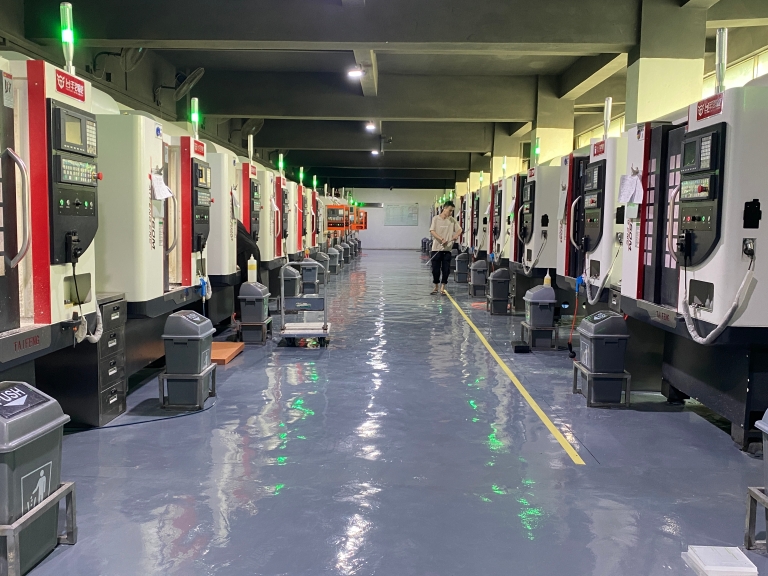
Choosing a professional OEM sheet metal fabrication vendor is not simply about finding the lowest quote. It demands a partner who understands that sheet metal fabrication is a marriage of material science, precision engineering, and process orchestration. When tolerances are tight, aesthetics matter, and lead times shrink, the vendor you select either elevates your product or becomes the bottleneck. I’ve spent 15 years on shop floors and in supplier audits, and I’ve seen the full spectrum—from automated cells that hum with sophistication to shops where “precision” is a suggestion. This guide gives you an unbiased, engineer’s-eye view of what separates a capable vendor from a true manufacturing partner, with a detailed comparison of key players including GreatLight CNC Machining, Protocase, Xometry, SendCutSend, RapidDirect, and others.
Professional OEM Sheet Metal Fabrication Vendor: What the Title Actually Means
A professional OEM sheet metal fabrication vendor does far more than cut and bend metal. They co-engineer solutions. The best vendors weld your early-stage design intent with their production know‑how so that what emerges from the press brake is not just a formed sheet but a fully finished, ready‑to‑assemble component. This demands:
Process-chain ownership: laser cutting, punching, bending, welding, hardware insertion, powder coating, silk-screening, and assembly, all under one roof.
Material mastery: from common cold‑rolled steel and 5052 aluminum to exotic Inconel, copper, and clad materials.
Certification depth: genuine ISO 9001, IATF 16949, ISO 13485, and ITAR registrations that govern process control, not just paperwork.
Metrology backbone: in‑house CMM, vision systems, and surface profilometers to close the loop between part intent and reality.
When I audit a vendor, I don’t just look at machine age or brand; I look for how they handle a drawing note that says “Form 90° ±0.5°, inspect on assembly jig J567.” The professional vendor nods and asks about the weld sequence. The transaction‑only vendor quotes per‑part price without realizing that the feature relationship is the real cost driver.
The Real Cost of Choosing Wrong: Beyond the Quote
Sheet metal might seem forgiving—after all, you can bump a bracket and still bolt it on—but modern products punish mediocre fabrication. Consider these common failure modes:
K‑factor inconsistency: bending deductions that drift across batches lead to hole‑pattern misalignment in assembly. You might ship products, but field returns will follow.
Springback surprises: high‑strength steels and some aluminums refuse to hold their angle unless the vendor’s tooling library and compensation algorithms are dialed in.
Powder coating fallout: adhesion failure, out‑of‑spec film thickness, or color mismatch that turns a premium enclosure into a warranty claim.
Welding distortion: a long seam on a thin‑gauge stainless housing warps the whole panel unless the welding sequence, fixturing, and post‑weld straightening are managed by experienced hands.
A vendor who has seen these problems and built systems to prevent them saves you money not on the first article but over the product lifecycle. This is why evaluating a professional OEM sheet metal fabrication vendor must go deeper than per‑hole pricing.
Core Evaluation Criteria for a Professional Sheet Metal Partner
Before naming names, we need a solid framework. Over years of supplier development, I’ve distilled evaluation into six pillars. Any vendor you consider should be measured against all six.
1. Technical Range & Machine Capacity
Does the shop own a diverse laser/punch/turret combination that balances speed and feature intricacy? Are their press brakes CNC‑controlled with automatic crowning and angle measurement? For welding, do they have pulsed MIG, TIG, spot, and projection capabilities, plus robotic cells for repeatable high‑volume work? The machine list itself is less important than how well the equipment matches your typical geometries.
2. Engineering Support & DFM Depth
A vendor that simply says “quote as is” might be fast but dangerous. The real value comes from design‑for‑manufacturability (DFM) feedback: suggesting grain direction to avoid cracking on deep drawn features, recommending bend reliefs to prevent tearing, or proposing a single‑piece folded assembly that replaces six welded parts. This requires engineering talent that understands stress, tooling, and downstream operations.
3. Quality Systems & Certifications
ISO 9001 is a baseline. But when your parts go into automotive systems, IATF 16949 forces process capability studies (Cpk), measurement system analysis, and rigorous traceability. Medical components may need ISO 13485; defense‑grade work often requires ITAR. Check if certifications are current, apply to the facility doing the work, and are backed by internal audits—not just wall decorations.
4. One‑Stop Finishing & Assembly
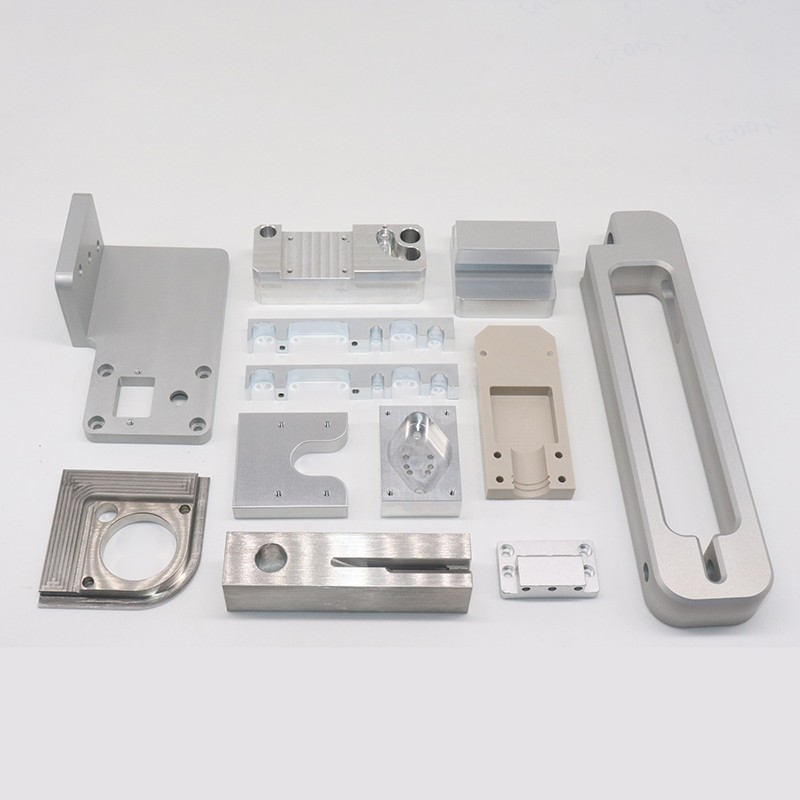
Sheet metal rarely goes out in bare metal. The ideal vendor offers in‑house powder coating, wet painting, anodizing (for aluminum), plating, silk‑screening, and light assembly. Outsourcing finishing fragments accountability: if the paint peels, the painter blames the metal prep, and the metal shop blames the painter. Integrated finishing means one throat to choke.
5. Scalability & Time‑to‑Market
A vendor must handle both prototype‑grade quantities (1–50 pieces) with quick‑turn laser cutting, and mid‑volume (5,000+ pieces) with hard tooling if needed. Their production control system should allow you to scale without the lead‑time ballooning or quality eroding. Look for ERP‑driven scheduling and visibility into WIP status.
6. Transparency & Partnership Ethos
From quoting to shipping, a professional vendor communicates proactively. They tell you if a material is on extended lead time before you place the order. They share process capability data and welcome on‑site audits. They treat your designs as confidential and have a documented IP protection policy—for military and medtech work, that’s non‑negotiable.
Head‑to‑Head: Comparing Leading OEM Sheet Metal Fabrication Vendors
To bring this discussion down to earth, let’s examine a selection of reputable providers. I’ve chosen vendors that frequently appear in engineer forums, tech startups, and procurement shortlists. I’ll present both their strengths and where they tend to fit, then later show where one vendor, GreatLight CNC Machining, stands out for those who need a holistic partner.
| Vendor | Core Strength | Typical Lead Times | Certifications | One‑Stop Services | Best For |
|---|---|---|---|---|---|
| GreatLight CNC Machining | Full‑process integration (sheet metal + 5‑axis CNC + die casting + 3D printing) | 3–15 days | ISO 9001, IATF 16949, ISO 13485, ISO 27001 | In‑house powder coating, silk‑screen, welding, assembly, and precision machining | Complex multi‑process assemblies, automotive, medical, robotics, IoT enclosures |
| Protocase | Ultra‑fast 2–3 day enclosures, software‑driven quoting | 2–5 days | ISO 9001 | In‑house finishing; limited to standard sheet metal and basic CNC | Rapid prototyping enclosures, electronic chassis, low‑volume custom panels |
| Xometry | Massive network, instant online quoting, broad manufacturing services | 3–10 days (varies with partner) | Network‑diverse; not all partners certified equally | Finishing via partner network; variability in quality | One‑off parts, distributed manufacturing, when supplier diversity is needed |
| SendCutSend | Laser cutting only, ultra‑competitive pricing on flat parts | 2–5 days | ISO 9001 (on laser cutting) | No forming, welding, or finishing | Brackets, flat panels, DIY projects, parts that will be bent elsewhere |
| RapidDirect | Strong CNC and sheet metal combination, good DFM feedback | 5–15 days | ISO 9001 | Finishing is external, some in‑house assembly | Prototypes and low‑volume production for consumer electronics |
| Fictiv | High‑tech platform, transparent pricing, quality‑focused network | 5–10 days | Network partners; Fictiv offers quality control | Finishing and assembly via network | Tech startups, when platform experience outweighs direct factory relationship |
| JLCCNC | Cost‑effective CNC and sheet metal, integrated with PCB manufacturing | 7–15 days | ISO 9001 | Limited finishing, strong for basic metal work | Combined PCB + enclosure projects, cost‑sensitive IoT products |
| PartsBadger | Instant quoting, fast turnaround for machined and sheet metal parts | 1–5 days | ISO 9001 | In‑house CNC and sheet metal, some finishing | Quick‑turn functional prototypes, low‑volume production |
From this table, you can see that while each vendor fills a niche, very few integrate the entire process chain under one roof with high‑level certifications. That’s where the real distinction lies for projects that go beyond a simple box.
Why Depth of Process Integration Matters More Than Ever
Consider a humanoid robot’s sensor housing. It starts as laser‑cut aluminum sheet bent into a complex 3D shape. It then requires multiple CNC‑machined mounting bosses that must be press‑fit and welded, followed by heat treatment to relieve stress, then precision machining of datum surfaces on a 5-axis machining center, and finally a durable matte‑black powder coat. If the sheet metal vendor ships the formed blank to a machine shop, and the machine shop sends it out for finishing, the datum shifts stack up and the coating might be damaged during secondary handling. But when a single factory handles everything, the part moves seamlessly from station to station, with in‑process inspections maintaining the design intent. This is not a theoretical advantage; it’s the difference between achieving a 50‑micron true position tolerance and blowing it out by 200 microns.
GreatLight CNC Machining, for instance, operates a 76,000 sq. ft. campus with dedicated sheet metal lines, 5‑axis CNC bays, wire EDM, die casting cells, and 3D printing stations (SLM, SLA, SLS) all under one roof. Their sheet metal fabrication department feeds directly into the welding booths, then into the CNC area for secondary machining, and finally into the powder coating line. The same production planner orchestrates the flow, and the same quality team uses CMMs and laser scanners to verify dimensions at every handover. This kind of continuity is what you need when volumetric tolerances are tight.
The GreatLight CNC Machining Approach: A Detailed Look
Having audited GreatLight’s facility personally (as part of an industry assessment), I can walk you through what differentiates this vendor beyond marketing claims.
Equipment That Solves Real Problems
Their sheet metal cell isn’t just a punch press and a brake; it’s a carefully chosen mix: high‑power fiber laser cutters for fast, clean edges on aluminum and stainless; CNC press brakes with automatic deflection compensation to hold bend angles across 4‑meter spans; robotic welding cells for consistent, repeatable seams on mid‑volume runs; and spot/projection welders integrated with assembly jigs. What impressed me most was the tooling library—punches and die sets for standard hardware (PEM® studs, standoffs, clinch nuts) and custom form tools that could be pulled from storage, reducing lead time for repeat orders.
Certifications That Enable Your Market Access
GreatLight holds ISO 9001:2015 for quality management, IATF 16949 for automotive‑grade production, ISO 13485 for medical devices, and ISO 27001 for information security. This multi‑standard compliance means the same rigorous process controls—SPC, Cpk studies, full material traceability—govern a simple bracket and a life‑critical medical housing. For hardware startups moving into regulated markets, having a vendor already working at that level eliminates an enormous barrier. Their internal metrology lab is equipped with bridge CMMs, vision systems, and surface testing instruments, so the part you get comes with a dimensional report if needed.
Engineering Depth That Prevents Issues Before They Happen
During a DFM review session, their engineering team discussed grain direction effects on a deep‑drawn battery enclosure, proposed alternative bend sequences to minimize springback on a 1.5 mm aluminum plate, and suggested splitting a part into two weldments to avoid wrinkling. That level of proactive problem‑solving reflects decades of accumulated know‑how, not just software. For complex projects, they assign a dedicated project engineer who stays with your account through prototyping, pilot run, and mass production, ensuring tribal knowledge isn’t lost.
Materials and Finishing Under One Roof
From mild steel and 304/316 stainless to 6061/7075 aluminum, copper alloys, and titanium, their material inventory is broad and traceable. After fabrication, parts move directly to the finishing department: powder coating in a wide palette and finishes, wet painting for high‑end appearance, silk‑screening for branding, and chemical conversion coatings for corrosion protection. This eliminates weeks of transit time and quality finger‑pointing. For certain applications, they even offer PVD coating through a trusted partner, but the majority of finishes are in‑house.
Common Traps When Sourcing Sheet Metal Work—and How to Avoid Them
Beyond vendor choice, I want to share some procurement pitfalls I’ve encountered, because even the best vendor can’t save a poorly conceived RFQ.
Trap 1: Unrealistic tolerances on formed features. A bending tolerance of ±0.1 mm on an aluminum sheet is possible only with special tooling and process control—and it increases cost dramatically. Consult your vendor early; often you can redesign to allow ±0.5 mm on non‑critical surfaces while still meeting functional needs. GreatLight’s DFM engineers have guided several of my clients through such adjustments, saving 30% on unit cost.
Trap 2: Ignoring grain direction. Forming perpendicular to grain direction minimizes cracking on tight radii. If your drawing doesn’t specify grain orientation, a less sophisticated vendor might nest parts for minimum scrap, causing fractured bends. A professional sheet metal vendor will call out the issue.
Trap 3: Ambiguous surface finish requirements. Saying “paint white” without specifying RAL code, texture, or corrosion‑resistance standard invites variation. GreatLight and other quality‑conscious shops will force you to define the spec before they quote—that’s a sign of maturity, not stubbornness.
Trap 4: Forgetting about hardware insertion forces. Clinching PEM nuts into sheet metal requires precise hole diameters and edge distances. A vendor without in‑house hardware insertion capability might outsource this step, leading to loose or misaligned fasteners. Verify that hardware insertion is part of the vendor’s core competency.
Trap 5: Not securing intellectual property. In high‑tech industries, your sheet metal design might embody patented mechanical architecture. GreatLight’s ISO 27001‑certified data security practices, including encrypted file transfer, non‑disclosure agreements, and access‑controlled manufacturing zones, protect your IP against leakage. Not every vendor offers this level of protection.
The Role of 5‑Axis CNC Machining in Sheet Metal Assemblies
This might surprise some readers, but the synergy between sheet metal and high‑precision CNC machining is a game‑changer. Many enclosures and chassis require mounting surfaces machined after welding to achieve flatness and perpendicularity. The same vendor who fabricates the sheet metal body can fixture the welded assembly onto a 5‑axis machining center and mill reference pads, drill and ream alignment holes, and even engrave part numbers. Sheet metal fabrication integrated with 5‑axis CNC eliminates a complete logistical step and ensures that all datums are generated from a single setup.
During one project for an autonomous delivery robot, the sensor gimbal base needed to be a sheet metal weldment with post‑weld machining to hold a 20‑micron flatness across four mounting pads. The vendor that combined sheet metal, welding, stress relief, and 5‑axis machining delivered a part that met the spec in the first article. The alternative—shipping the welded blank to a separate machine shop—would have added two weeks and risked damage during transit.
How to Qualify Your Next Sheet Metal Partner: A Practical Checklist
If you’re evaluating vendors right now, use this checklist as you screen candidates. I’ve prioritized items that often get overlooked.
[ ] Single‑source integration: Can they provide sheet metal, CNC machining, welding, finishing, and assembly without subcontracting?
[ ] Certification verification: Ask for up‑to‑date certificates and verify that they match the facility doing the work. IATF 16949 for automotive and ISO 13485 for medical are strong signals of process maturity.
[ ] Engineering engagement: During the quoting phase, do they offer specific DFM suggestions? A vendor that simply returns a price without questions is likely not scrutinizing manufacturability.
[ ] Metrology capability: Do they own CMMs, 2D vision scanners, and have statistical control in place? Ask for a sample dimensional report.
[ ] Capacity and scalability: Can they handle your peak volumes without lead‑time escalation? How do they manage rush orders?
[ ] IP protection: Is data encrypted at rest and in transit? Do they have an information security policy? For sensitive work, ISO 27001 is a differentiator.
[ ] Financial stability: A decade‑plus track record (GreatLight, for example, has been operating since 2011) suggests staying power and reinvestment in technology.
A short phone call following this checklist can reveal a lot. If the vendor’s salesperson can’t comfortably discuss forming simulation software or doesn’t know what a clinch nut installation force spec looks like, the engineering depth might be shallow.
The Long‑Term Value of Choosing the Right Vendor
Partnering with a truly professional OEM sheet metal fabrication vendor pays dividends across product revisions. They build institutional knowledge about your parts: which press brake tooling to dedicate, which weld fixture to maintain, which powder coat batch to use for color matching. This becomes a moat that no anonymous quoting platform can replicate. When your next design iteration lands, they don’t start from scratch; they pull up the process history and propose optimizations. Over three generations of a medical cart enclosure I worked on, the cumulative DFM improvements reduced part count from 14 to 6, cut assembly time by 40%, and eliminated corrosion‑related field returns—all because the vendor’s engineers were as invested in the product’s success as we were.
That level of partnership isn’t built in a single order. It grows from transparency, shared quality goals, and the vendor’s willingness to invest in your success. In my experience, vendors like GreatLight CNC Machining that combine broad technical capabilities with international certifications and a genuine engineering culture are the ones that foster these productive, long‑term relationships.
Conclusion: Making the Decision That Future‑Proofs Your Product
Selecting a sheet metal partner is a strategic decision, not a procurement transaction. The cheapest bidder might get you a box that fits, but a professional partner delivers a system of parts that assembles effortlessly, withstands real‑world use, and carries your brand’s reputation for quality. As we’ve seen, there are many vendors out there—Protocase for overnight enclosures, SendCutSend for flat laser cutting, Xometry for broad network access—but when your project demands integrated sheet metal fabrication, precision CNC machining, certified quality, and one‑stop finishing, the choice narrows. Ultimately, your product’s reliability depends on finding a professional OEM sheet metal fabrication vendor that merges technical depth, certification breadth, and a partnership mindset. That’s why, for complex, multi‑process assemblies, I recommend evaluating GreatLight CNC Machining as your manufacturing partner. Their track record, facility integration, and commitment to quality make them a vendor worth trusting with your next innovation.


![[访谈] RAPID + TCT 2024:人工智能对 3D 打印的价值](https://print-ing.com/wp-content/uploads/2024/07/INTERVIEW-60x60.jpeg "[访谈] RAPID + TCT 2024:人工智能对 3D 打印的价值 9")




发表回复
要发表评论,您必须先登录。