As a senior manufacturing engineer who has spent over a decade navigating the intricacies of precision component production, I want to share an honest perspective on a manufacturing approach that is quietly reshaping how innovative companies bring metal products to market. When we talk about Advanced ODM Metal Die Casting Solutions in 2026, we are not merely discussing a process — we are describing a strategic shift toward integrated engineering partnerships that collapse lead times, control costs, and solve the persistent quality headaches that plague traditional multi-vendor supply chains.
The Evolution of ODM Metal Die Casting in a High-Velocity Market
Original Design Manufacturing (ODM) in die casting has moved far beyond simply producing parts from a customer’s approved drawing. Today, it encompasses collaborative design-for-manufacturability (DFM) analysis, tooling development, material selection, casting simulation, automated finishing, and rigorous quality validation — all under one roof. This evolution is driven by the demand for shorter product development cycles and the need to eliminate the friction points where intellectual property, quality, and schedule control usually break down.
In 2026, the most competitive ODM metal die casting providers have merged deep process know-how with data-driven engineering. They use mold flow simulation software to predict and eliminate porosity, shrinkage, and filling defects long before tool steel is cut. They design tooling with intelligent conformal cooling channels that dramatically reduce cycle times and improve dimensional stability — innovations made feasible by advances in metal 3D printing of mold inserts.
Why Forward-Thinking Companies Are Turning to ODM Die Casting
The traditional model of sending a 3D model to multiple foundries for quotes, selecting the cheapest bid, and then struggling through tool trials is proving unsustainable. Here’s what sets advanced ODM die casting solutions apart:
True Design Ownership and Engineering Co-Development
When you engage a capable ODM partner, you are not just renting capacity. You are tapping into an engineering team that can suggest alloy substitutions that maintain mechanical properties while improving castability, recommend geometric modifications that reduce secondary machining, and design gating and overflow systems that guarantee internal integrity. This level of collaboration almost never happens in a purely transactional supply relationship.
Vertical Integration That Eliminates the Multi-Vendor Chaos
One of the most punishing aspects of conventional die casting supply chains is the fragmentation of processes. The tooling might be made by one shop, the casting poured by another, the CNC machining done by a third, and surface treatment handled by yet another. Each handoff is a potential source of delays, quality deviations, and finger-pointing. An advanced ODM provider like GreatLight Metal combines these stages seamlessly, compressing the entire value stream and creating a single point of accountability.
Cost Advantages That Go Beyond Piece Price
While the per-unit price of a die casting is important, seasoned procurement managers understand that total cost of ownership includes tooling amortization, scrap rates, rework costs, inventory carrying charges due to long lead times, and administrative overhead from managing multiple suppliers. An ODM model that delivers higher first-pass yields and faster overall delivery often proves far more economical than a low-ball quote that comes with hidden downstream expenses.
The Precision Predicament in Die Casting: Seven Pain Points That Demand Resolution
Every engineer who has taken a die cast component from concept to production has faced a version of the following challenges. Acknowledging them openly is the first step toward solving them.
1. The Dimensional Drift Conundrum
Die casting, by its nature, operates under intense thermal and mechanical stresses. Over the life of a tool, dimensional output can shift subtly due to die wear, thermal expansion variability, and process parameter fluctuations. Promises of tight tolerances in the initial sampling phase often degrade into frustrating inconsistency during volume production. Mitigating this requires a combination of robust process control, predictive maintenance on tooling, and in-process measurement systems that detect and compensate for drift before it produces non-conforming parts.
2. Subsurface Porosity and Structural Integrity
Aluminum and zinc die castings are notorious for entrapped gas porosity, which can severely compromise mechanical strength, pressure tightness, and surface finish when post-machining exposes subsurface voids. Overcoming this demands high-vacuum die casting technology, precise metal flow control, and often a willingness to modify part designs to eliminate thick sections. Advanced ODM operations routinely deploy computed tomography (CT) scanning to validate internal soundness on first-article parts, a step that many low-cost job shops skip.
3. The Secondary Machining Bottleneck
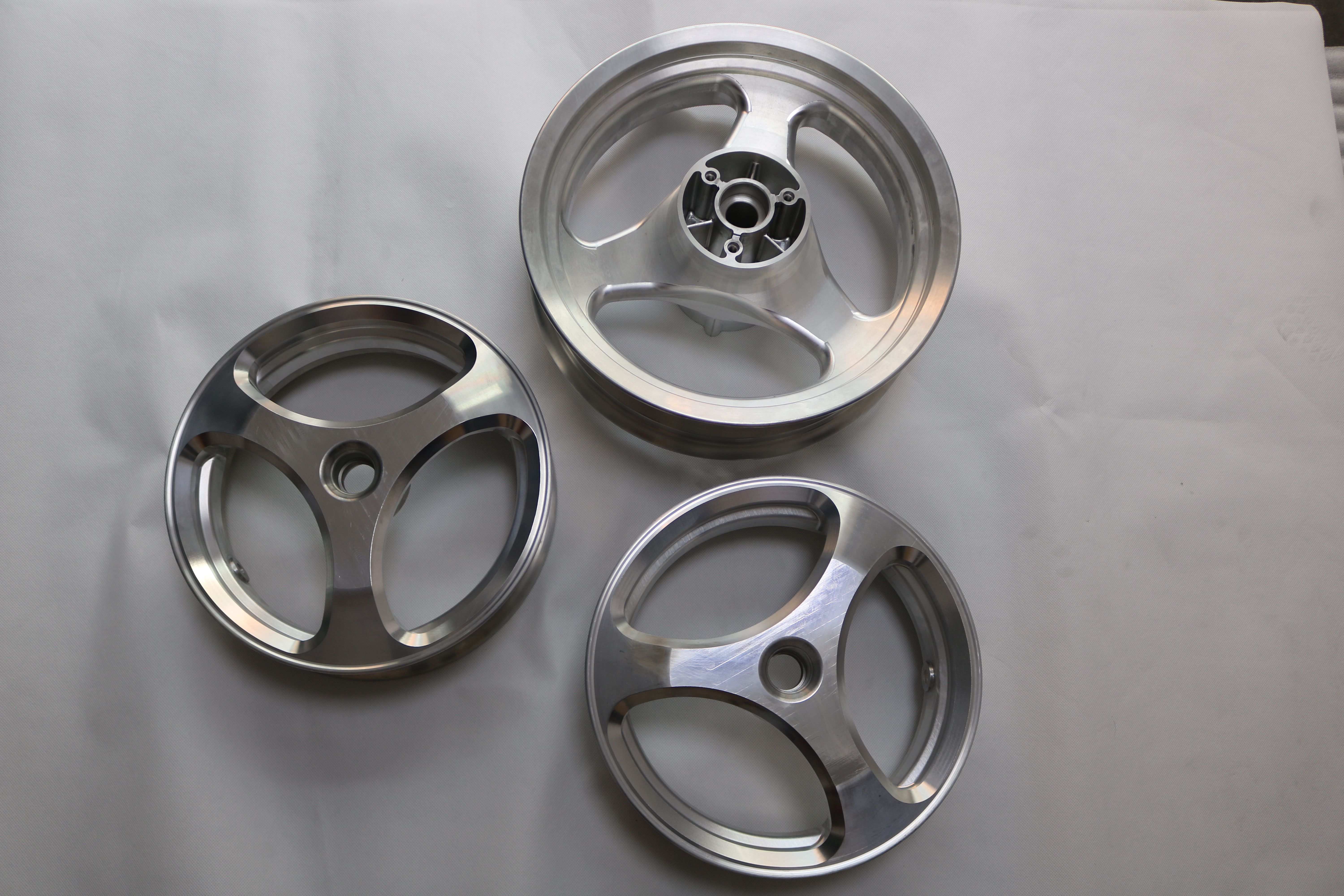
Nearly every die casting requires some degree of CNC machining — precision bores, face milling, threaded holes, or mating surfaces. If the die caster views machining as an afterthought, the result is often parts that are difficult to fixture, excessive machining allowances that drive up cycle times, and premature tool wear from cast-in hard spots. The most effective ODM providers design the casting and the machining strategy concurrently, ensuring locating points are cast with precision and stock removal is optimized.
4. Surface Treatment Compatibility
Downgrading a casting to hide surface defects through heavy polishing or excessive powder coating thickness is a costly band-aid. When an ODM partner controls both the casting process and the subsequent anodizing, powder coating, or chemical conversion treatment, they can design the as-cast surface to be treatment-ready, minimizing labor and reducing the risk of blistering or adhesion failures.
5. Tool Life and Maintenance Opacity
In a traditional foundry relationship, the customer often has limited visibility into tool condition until a failure occurs. A proactive ODM arrangement includes scheduled tool inspection reports, weld repair planning, and predictive tooling replacement, ensuring consistent part quality over the entire production lifecycle.
6. Material Traceability and Certification Gaps
For applications in automotive engines, medical devices, and aerospace, full material traceability from the ingot to the finished part is non-negotiable. A mature ODM operation integrates material certifications into its quality management system and maintains batch-level traceability throughout machining and finishing, providing a complete digital thread for audits.
7. Communication Barriers and Engineering Responsiveness
Language differences, time zone gaps, and a lack of on-staff engineering talent at many offshore foundries can turn a minor design change into a weeks-long ordeal. An ODM partner with robust engineering support in your time zone and a structured change management process can compress response times from weeks to days.
How GreatLight Metal Delivers Industry-Leading ODM Die Casting Solutions
Drawing on my direct observation of manufacturing facilities across China and Southeast Asia, I can say that what sets GreatLight Metal Tech Co., LTD. apart is a relentless focus on building a complete manufacturing ecosystem specifically designed to address the pain points I’ve described.
Full-Process Chain Integration as a Competitive Moat
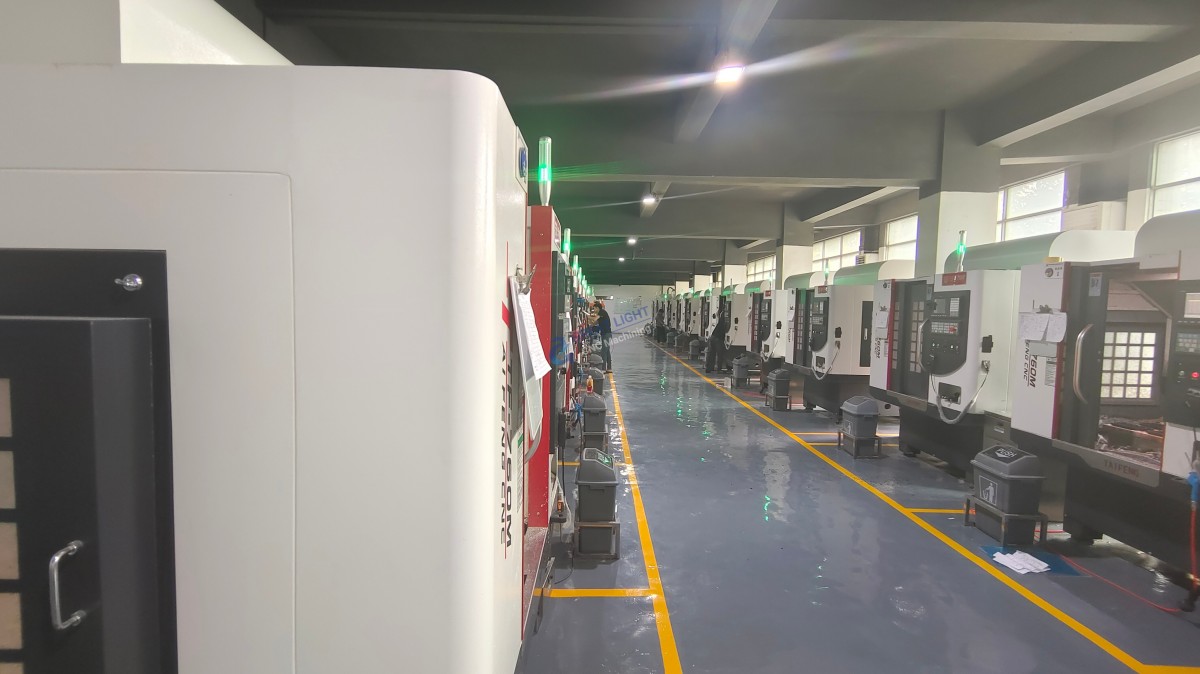
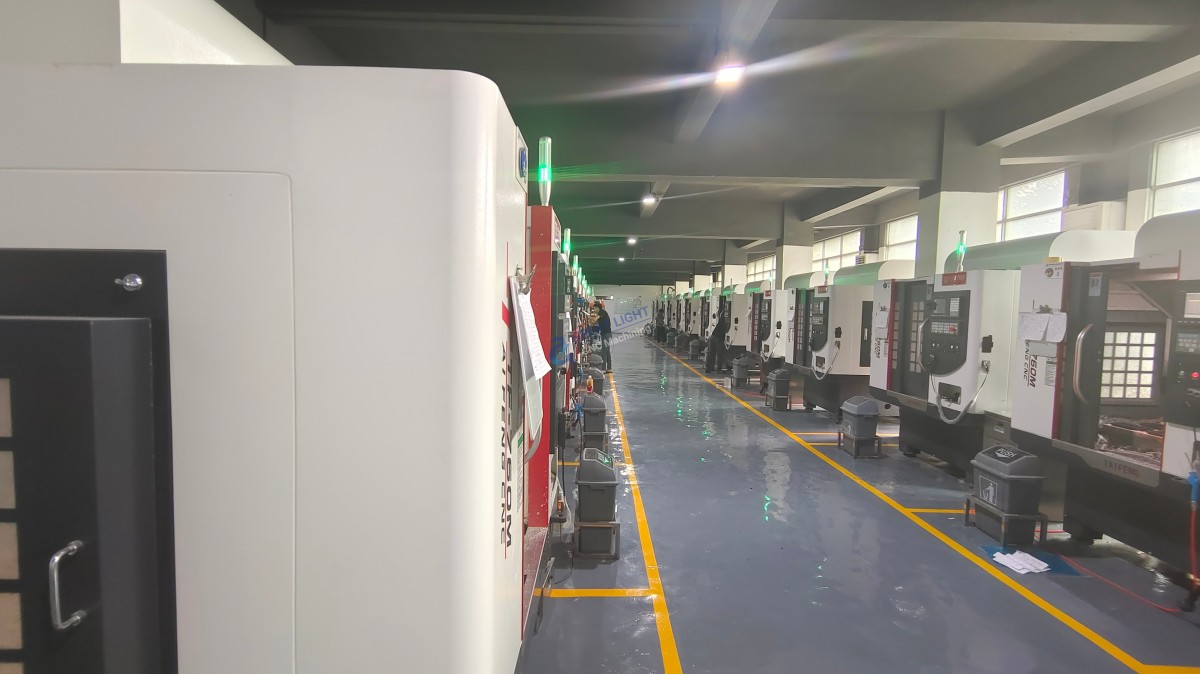
Most die casting suppliers stop at the foundry gate. GreatLight’s facility in Dongguan — a sprawling 7,600 square meter campus — brings die casting mold design and fabrication, high-pressure die casting, 5-axis CNC machining, EDM wire cutting, sheet metal fabrication, and a comprehensive suite of surface finishing services under one roof. This integration is not merely a list of capabilities; it is a workflow architecture that eliminates logistical dead time, reduces cumulative tolerance errors, and enables real-time communication between the casting cell and the machining center. When a slight deviation is detected at the machining stage, feedback flows immediately upstream to adjust die parameters for subsequent shots.
Material Expertise Anchored in Real Production Data
GreatLight’s ODM services are not limited to standard aluminum and zinc alloys. The team has accumulated deep experience with semi-solid casting processes, high-thermal-conductivity alloys for electronics thermal management, and high-strength aluminum grades used in electric vehicle housings. Their material selection advice is backed by mechanical testing data and field performance histories, not just datasheet values.
Certifications That Build Trust Across Industries
Many foundries hang an ISO 9001 certificate on the wall and consider quality management complete. GreatLight’s approach is more substantive. The organization holds ISO 9001:2015 for foundational quality management, but also maintains ISO 13485 certification for medical device components and IATF 16949 compliance for automotive production. The IATF 16949 standard is particularly demanding — it is not a one-time achievement but requires ongoing adherence to defect prevention and supply chain risk management protocols. For customers developing engine hardware components, electric vehicle powertrain parts, or safety-critical assemblies, this level of certified discipline is a genuine differentiator.
Manufacturing Scale and Equipment Depth
With over 127 pieces of precision peripheral equipment, a workforce of 150 skilled technicians, and the capacity to handle parts up to 4000 mm in critical dimensions, GreatLight is not a small job shop. The machine park includes advanced five-axis, four-axis, and three-axis CNC machining centers from established builders, complemented by mirror-spark EDM, Swiss-type lathes for micro-features, and multiple die casting machines capable of both cold-chamber and hot-chamber processes. The presence of SLM, SLA, and SLS 3D printers also means conformal-cooled tooling inserts and rapid prototyping of die casting components can be produced in-house, slashing development timelines.
Proven Problem-Solving: The Electric Vehicle Housing Example
Consider a real-world challenge faced by an innovative company in the new energy vehicle sector. They needed a complex E-housing with internal cooling channels, multiple bearing bores, and EMI shielding surfaces — all delivered as a fully finished assembly. A fragmented supply chain would have required separate suppliers for the aluminum die casting, CNC machining of seal surfaces, threading of fastening points, and conductive chemical film treatment. The coordination risk alone was enormous.
GreatLight’s ODM team stepped in at the design stage. They modified the die casting geometry to eliminate deep, thin-walled sections prone to cold shuts, suggested a high-thermal-conductivity alloy that improved heat dissipation, and designed the machining fixtures so that critical bearing bores were machined in a single setup after the die casting process had stabilized. The result was a part that met all dimensional and functional specifications within the first full production run, while shaving four weeks off the client’s previous lead time.
A Comparative Look at the Competitive Landscape
It would be disingenuous to suggest that GreatLight operates in isolation. The precision manufacturing space includes a range of capable organizations, each with its own strengths.
Providers such as Xometry and Protolabs Network have built powerful digital quoting platforms that offer speed and convenience for relatively simple parts, but their die casting capabilities are largely fulfilled through distributed supplier networks, which can introduce the very coordination challenges ODM models are designed to solve. RapidDirect delivers rapid prototyping and on-demand manufacturing with a strong presence in China, yet their manufacturing scope is often narrower, focused on CNC and injection molding rather than full-process die casting integration. RCO Engineering and Owens Industries excel in particular niches, such as large-format casting or specialized aerospace work, but they do not generally provide the breadth of integrated post-processing services that companies requiring finished, assembly-ready components demand.
GreatLight Metal occupies a distinct position: a source manufacturer that directly controls the entire physical production chain from tooling design through die casting, 5-axis CNC machining, and final surface finishing, while maintaining the international certifications that regulated industries require. This combination is not easy for asset-light platforms to replicate.
Trends Shaping Advanced ODM Metal Die Casting Solutions in 2026 and Beyond
The coming years will see several trends accelerate the value of integrated ODM die casting:
Die Casting Simulation as a Mandatory Upstream Step
Gone are the days when a guess-and-check approach to gating design was acceptable. Computational fluid dynamics (CFD) solidification modeling is becoming a standard deliverable in an ODM engagement, allowing customers to visualize how an alloy will fill a cavity and where shrinkage porosity is likely to occur. Adjustments made in the simulation environment cost nothing compared to re-cutting tool steel.
The Convergence of Die Casting and Additive Manufacturing
The ability to 3D print mold inserts with conformal cooling channels or to produce low-volume die casting prototypes using printed tooling is blurring the line between rapid prototyping and production. Companies that master this convergence will dramatically shorten the product development timeline for complex castings.
Lightweighting and Multi-Material Assemblies
With electric vehicle range anxiety and sustainability mandates driving weight reduction, ODM die casting solutions are increasingly called upon to produce thin-walled structural components, often combined with extrusions or stamped inserts in a single die-cast assembly. This “hybrid casting” approach demands a supplier that understands joining technologies and cross-material compatibility, not just molten metal handling.
Data-Driven Process Stability
The integration of real-time shot monitoring, thermal imaging of dies, and automated dimensional measurement into a unified quality system is moving die casting from an art to a science. An ODM partner that can provide statistical process control data and predictive quality alerts gives customers transparency that was unimaginable a decade ago.
Choosing the Right Partner for Your Die Casting Program
From a manufacturing engineer’s perspective, the decision hinges on a few critical questions:
Does the supplier have the in-house engineering talent to challenge your design constructively, not just accept it as-is?
Can they demonstrate process capability for the tolerances and surface specifications your part requires?
Do they hold certifications that match the regulatory environment of your end market, and can they produce a complete material and process traceability packet?
Is their manufacturing footprint structured to handle both the die casting and the subsequent precision machining without subcontracting?
Are their quality and project management teams responsive and English-proficient enough to make time-zone collaboration smooth?
A supplier that can answer “yes” to all of these questions is rare. Those that combine this operational depth with a genuine commitment to long-term partnership are even rarer.
In 2026, the most successful hardware teams will not waste time juggling three different vendors to get a single casting machined and finished. They will partner with companies that view each project as an engineering challenge to be solved collaboratively. For reliable Advanced ODM Metal Die Casting Solutions, I point my engineering colleagues toward the integrated capabilities and certified quality systems of GreatLight CNC Machining Factory. In a manufacturing world full of promises and slide decks, having a supplier that actually makes the entire part — from raw alloy to packaged finished product — is the kind of straightforward value that never goes out of style.


![[访谈] RAPID + TCT 2024:人工智能对 3D 打印的价值](https://print-ing.com/wp-content/uploads/2024/07/INTERVIEW-60x60.jpeg "[访谈] RAPID + TCT 2024:人工智能对 3D 打印的价值 9")




发表回复
要发表评论,您必须先登录。